
Planning a trip with your baby brings so much excitement. It also brings a big question: Will my baby actually sleep? You worked hard to create a great sleep routine at home. The thought of losing it on vacation can feel stressful. Many parents worry that travel will undo all their progress.
Good news: you can travel and keep your baby's sleep on track. The key is to balance safety with routine. This guide gives you a complete plan. We will cover the essential safety rules for using a travel crib. You will also learn how to prepare your baby before you go. This helps everyone get the rest they need to enjoy the trip.
The Non-Negotiables: 2026 Safe Sleep Standards for Travel Cribs
When your baby sleeps away from home, safety is the top priority. There are no shortcuts. Luckily, the rules are simple and clear. All portable cribs and play yards sold in the United States must meet strict safety standards set by the Consumer Product Safety Commission (CPSC). Look for a label that shows it meets standard 16 CFR 1221 for play yards. This ensures the product has been tested for stability and structural integrity. However, a safe product is only safe when used correctly. The American Academy of Pediatrics (AAP) provides clear guidelines for safe sleep. These rules are designed to reduce the risk of Sudden Infant Death Syndrome (SIDS) and other sleep-related dangers. They are just as important on the road as they are at home.
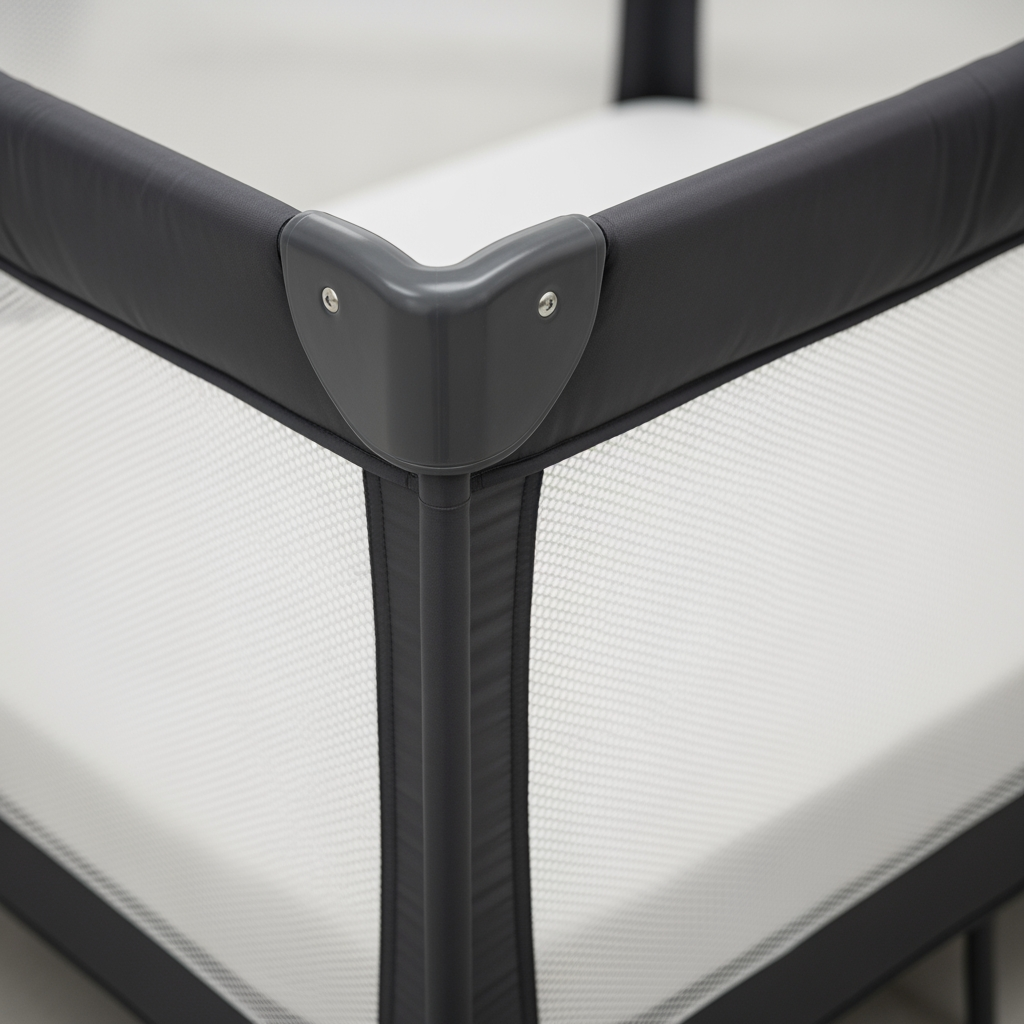
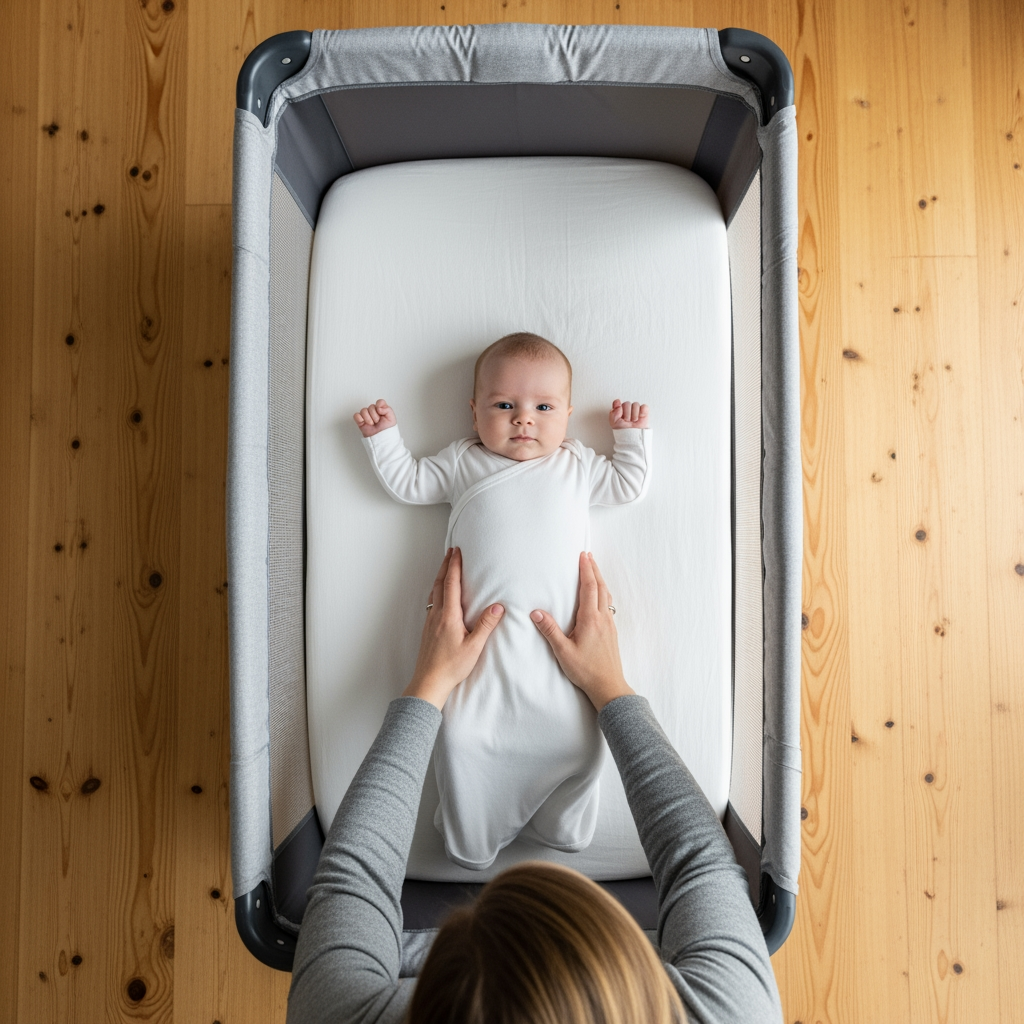
The most important rule is "Bare is Best." Think of the travel crib as a minimalist apartment for your baby. It only needs the essentials. This means no pillows, no loose blankets, no bumpers, and no soft toys. These items can create a suffocation hazard. Your baby should always be placed on their back to sleep for every nap and every night. This position keeps their airway open and is the safest way for them to sleep. While travel cribs that meet CPSC standards are safe for sleep, they are designed for temporary use. For long-term, nightly sleep at home, a full-size crib is usually a better choice due to its durability and larger size.
The mattress is another critical safety component. You must only use the mattress that came with your travel crib. These mattresses are thin and firm for a reason. They are designed to fit the crib's dimensions perfectly, leaving no gaps where a baby could get trapped. A safe baby mattress should be as firm as an unripe avocado. It might not seem cozy to you, but this firmness prevents your baby's face from sinking into the surface. Never add a softer mattress or any kind of padding. Adding extra layers creates dangerous gaps and soft surfaces that increase the risk of suffocation. The sheet you use must also be specifically designed for the travel crib's mattress. A standard crib sheet will be too large and can come loose, posing a serious hazard.
Following these core principles is essential. While the environment changes during travel, the foundations of safe sleep do not. You can learn more about creating a safe space by reviewing a complete nursery safe sleep checklist for newborns. It helps reinforce these habits at home, making them second nature when you travel.
Here is a simple checklist of the non-negotiable rules for your travel crib.
- Firm, Manufacturer-Provided Mattress: ONLY use the mattress that came with your travel crib. It's designed for a snug fit.
- Tightly Fitted Sheet: Use a sheet made specifically for the travel crib's mattress dimensions. No gaps or loose fabric.
- Empty Sleep Space: The crib must be completely clear of blankets, pillows, toys, and bumpers.
- Back to Sleep: Always place your baby on their back for every nap and every night.
- Safe Location: Position the crib away from windows, blind cords, lamps, and radiators.
The Proactive Plan: How to Acclimate Your Baby to a Travel Crib Before You Go
The biggest secret to successful travel sleep is preparation. Many babies refuse to sleep in a travel crib simply because it's new and unfamiliar. You can prevent this by helping your baby get used to the travel crib before your trip even starts. This process, known as acclimation, reduces stress for both you and your baby. It turns an unknown space into a recognized place for sleep. Starting this process a week or so before you leave can make a huge difference. It allows your baby to build a positive association with the travel crib in the comfort of their own home. This familiarity is the safest way to make a travel crib feel more comfortable. Comfort for a baby comes from routine and recognition, not from soft padding.
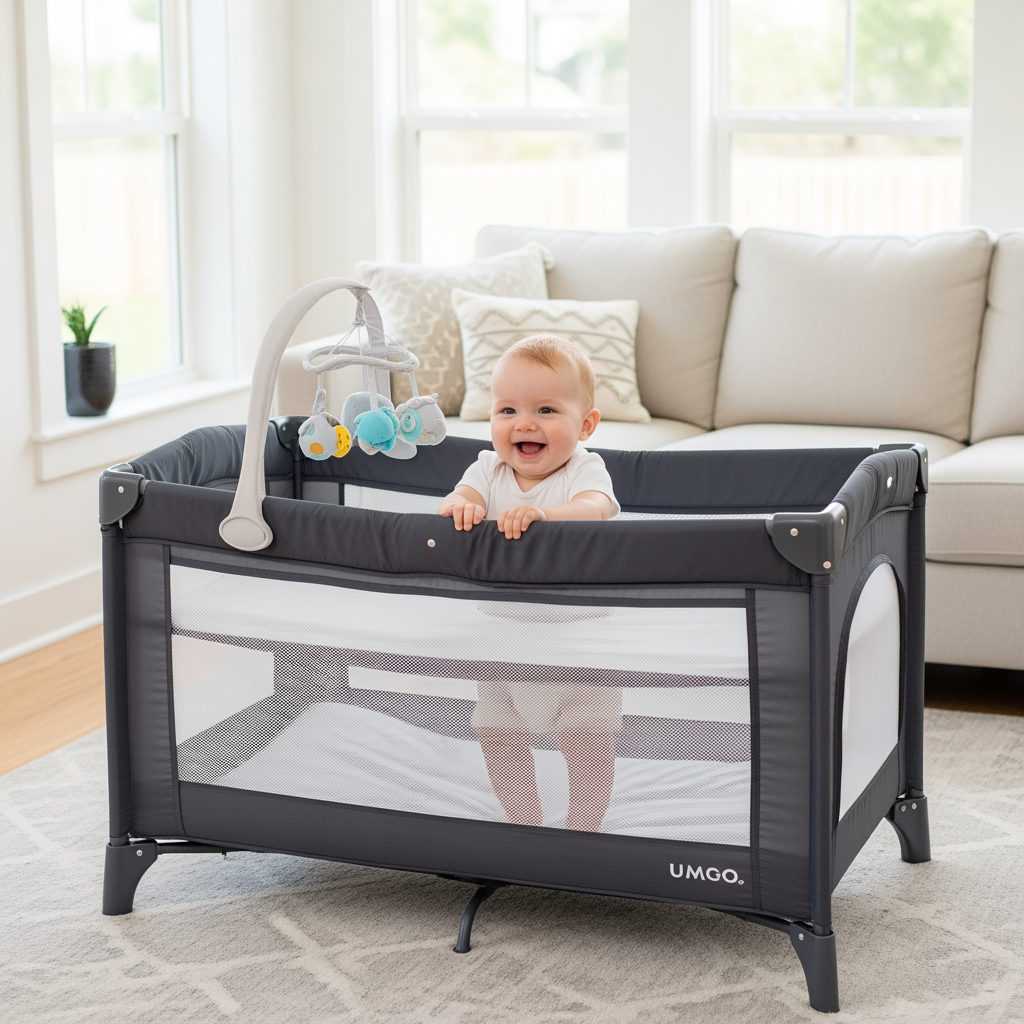
The goal is to gradually introduce the travel crib as a safe and normal part of their environment. Don't just pull it out of the box the night before you leave. By slowly incorporating it into their daily life, you remove the element of surprise. This proactive approach sets your baby up for success. When you arrive at your destination, the travel crib will be one of the few familiar things in a new room. That sense of familiarity can be incredibly reassuring for a little one. It signals to them that even though the room is different, this specific space is theirs and it is safe for sleep. This simple plan can be the difference between a restless night and a peaceful vacation.
Follow this easy five-day schedule to help your baby adjust. This timeline is a guide; feel free to adjust it based on your baby's temperament and your own schedule. The key is consistency.
- Day 1: The Introduction. Set up the travel crib in your main living area. Let your baby see it and explore it. During a happy wake window, place some of their favorite toys inside. Encourage them to play in it for short periods. The goal is to create a positive, fun association. Do not use it for sleep yet. You want them to see it as a safe and enjoyable space first.
- Day 2: Nap Time Trial. Move the travel crib into your baby's room. For the first nap of the day, go through your entire nap routine. This might include a diaper change, putting on a sleep sack, and reading a short story. Then, place your baby in the travel crib instead of their usual one. If they are unsure, stay with them for a few minutes and offer quiet reassurance. The goal is one successful nap in the new space.
- Day 3: More Naps. Today, have your baby take all of their naps in the travel crib. Repetition is how babies learn and build comfort. By using the crib for every nap, you are reinforcing the message that this is a place for sleep. Maintain your consistent nap routines to provide predictability.
- Day 4: The Full Night. It's time to try an overnight sleep. Go through your normal bedtime routine, but use the travel crib for the night. After several successful naps, the space should feel much less foreign to them. This is the final step in building their confidence with the travel crib before you hit the road.
- Day 5: Pack & Go. Your baby now recognizes the travel crib as one of their sleep spaces. When you pack, include the fitted sheet you used during practice. Don't wash it. The familiar smell of home will provide an extra layer of comfort on your first night away.
On-the-Go Setup: A Checklist for the Perfect Hotel Room Sleep Environment
When you arrive at your destination, you can set your family up for sleep success in just a few minutes. The key is to recreate your baby's home sleep environment as closely as possible. This involves managing light, sound, and routine. A tired parent can easily forget a step, so having a clear plan is helpful. Before you even unpack your own suitcase, take ten minutes to prepare your baby's sleep area. This small upfront effort pays off with better naps and more restful nights. Creating a safe and familiar space helps your baby understand that even in this new place, the rules of sleep are the same. This consistency is calming for them and makes the transition much smoother for everyone.
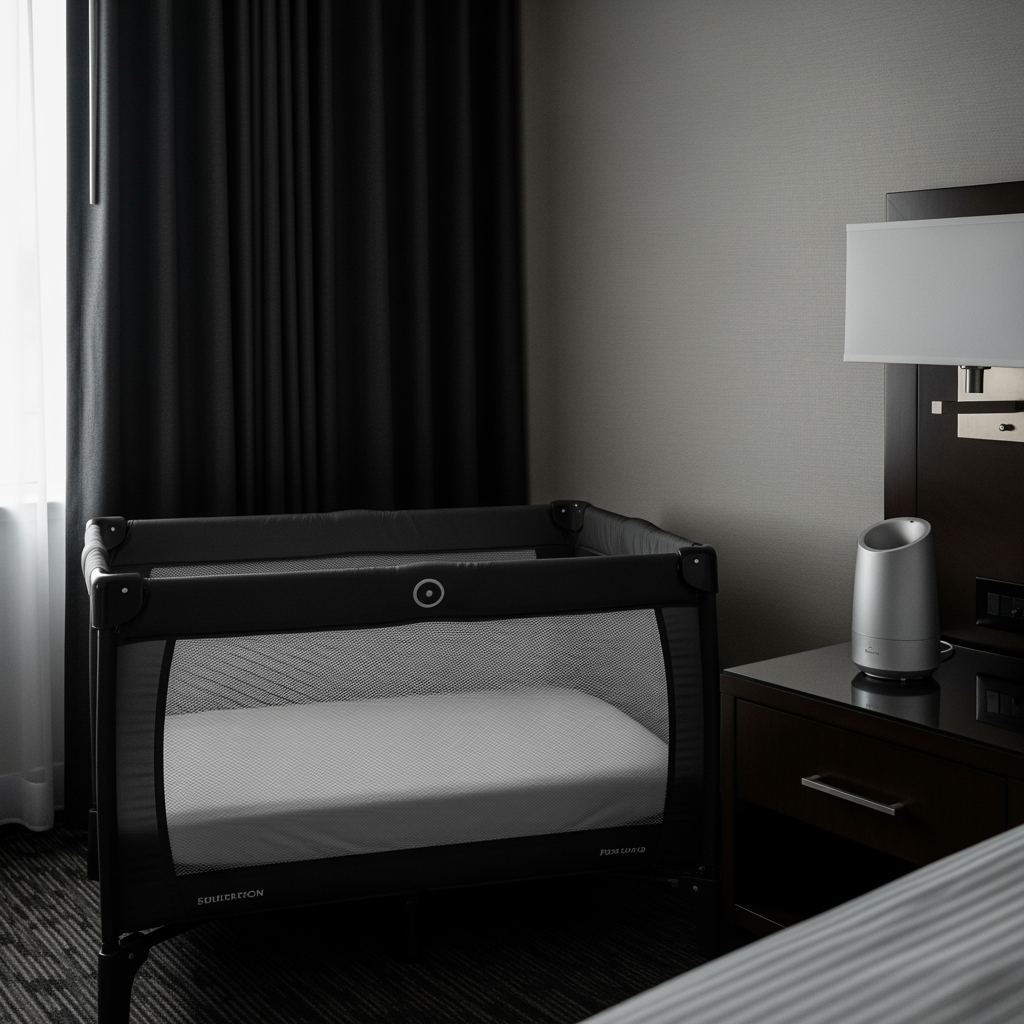
Inspect Your Gear
Whether you bring your own travel crib or use one provided by a hotel, a quick inspection is crucial. Before every single setup, take a moment to check the gear. For your own crib, look for any new wear and tear from travel. Check that all the locking mechanisms on the top rails click securely into place. You should hear a distinct click, and the rail should feel rigid. Push down on the center of the floor to ensure it's locked and stable. Examine the mesh sides for any holes or tears that a small finger could get caught in. If you are using a hotel-provided crib, this inspection is even more important. A good hotel pack and play setup starts with asking questions. Inquire about the age of the crib and confirm it meets current CPSC standards. Red flags include visible damage, a wobbly frame, or a mattress that is not the original manufacturer's. If you have any doubts about its safety, do not use it.
Recreate the Sensory Experience
Babies thrive on sensory cues. Recreating their familiar sleep environment can make a new room feel like home. Sound is one of the most powerful tools. If you use a white noise machine at home, be sure to pack it. The consistent sound helps block out strange hotel noises like hallway chatter or elevators. Light is another major cue. Hotel rooms are often bright, with light leaking from curtains and under the door. Aim to make the sleep space as dark as possible, just like their nursery. You can use blackout blinds or even tape dark trash bags over windows in a pinch. Finally, bring familiar items. Use the same sleep sack your baby wears at home and the fitted sheet you practiced with. These familiar smells and textures provide powerful comfort in an unfamiliar setting.
Stick to the Bedtime Ritual
A consistent bedtime routine is a powerful signal to your baby's brain that it's time to wind down for sleep. Even when you are traveling, do not skip this step. The routine does not have to be long or complicated. A travel version might include a warm bath, changing into pajamas and a sleep sack, reading one book, and singing a familiar song. The specific activities are less important than the consistency of the sequence. This ritual provides predictability and security in a new environment. It helps your baby transition from the excitement of the day to the calm of bedtime. Sticking to your home schedule as much as possible is also vital. A well-timed baby jet lag sleep plan can help you manage time zone changes and keep your baby from becoming overtired, which makes sleep much harder.
Use this checklist upon arrival to create the perfect sleep zone:
- Inspect the Crib: Check that all rails are locked and the frame is stable.
- Position for Success: Place the crib in a quiet corner, away from doors and windows, and ideally out of your line of sight.
- Control Light & Sound: Set up your white noise machine. Use blackout blinds or other methods to make the space dark.
- Use Familiar Items: Put on the fitted sheet from home. Get the baby into their usual sleep sack or swaddle.
- Perform a Safety Sweep: Do a quick 5-minute babyproof of the immediate area. Move cords, cover outlets, and remove any hazards.
Common Travel Crib Mistakes (And How to Avoid Them)
Even with the best intentions, it is easy to make mistakes when you are tired and out of your element. Parents often try to make a travel crib seem more "comfortable" without realizing they are creating a safety risk. Understanding these common pitfalls is the best way to avoid them. The core principle to remember is that safety rules are based on extensive research to prevent accidents and SIDS. They always come before what an adult might perceive as comfort. For example, a firm mattress might not look cozy to us, but it is the safest surface for an infant. Knowing the 'why' behind each rule helps you stay committed to best practices, even when you are on the road.
Another common issue is disrupting the baby's schedule too much. It is tempting to push bedtime later or skip a nap to fit in more vacation activities. However, this often backfires. An overtired baby is much more difficult to get to sleep and is more likely to wake up during the night. Protecting your baby's sleep schedule is one of the best ways to ensure everyone has a good time. Similarly, forgetting to practice with the gear at home is a frequent oversight that leads to sleep refusal on the first night of a trip. By reviewing these common mistakes, you can develop a clear strategy to avoid them and ensure a safe and restful trip for your little one.
| Common Mistake | The Safe Alternative (Best Practice) | Why It Matters |
|---|---|---|
| Adding a soft mattress or blanket for "comfort." | Use only the firm mattress provided by the manufacturer. | Added bedding creates gaps and soft surfaces, which are significant suffocation and SIDS risks. |
| Using a loose blanket for warmth. | Use a wearable blanket, like a sleep sack or swaddle (for non-rolling babies). | Loose blankets can cover a baby's face and obstruct breathing. |
| Forgetting to practice with gear before the trip. | Have your baby sleep in the travel crib for a few nights at home before you leave. | Familiarity reduces anxiety and sleep refusal in a new environment. |
| Skipping naps or pushing bedtime "on vacation." | Stick as closely as possible to your baby's home sleep schedule. | An overtired baby is harder to get to sleep and will wake more frequently. |
Your Next Steps for Stress-Free Family Travel
You now have a complete plan for safe and restful baby sleep on your next trip. By focusing on preparation and consistency, you can travel with confidence. Remember the simple formula for success: follow official safety standards, acclimate your baby to the travel crib before you go, and maintain your familiar sleep routines. This approach removes the guesswork and reduces stress for the whole family.
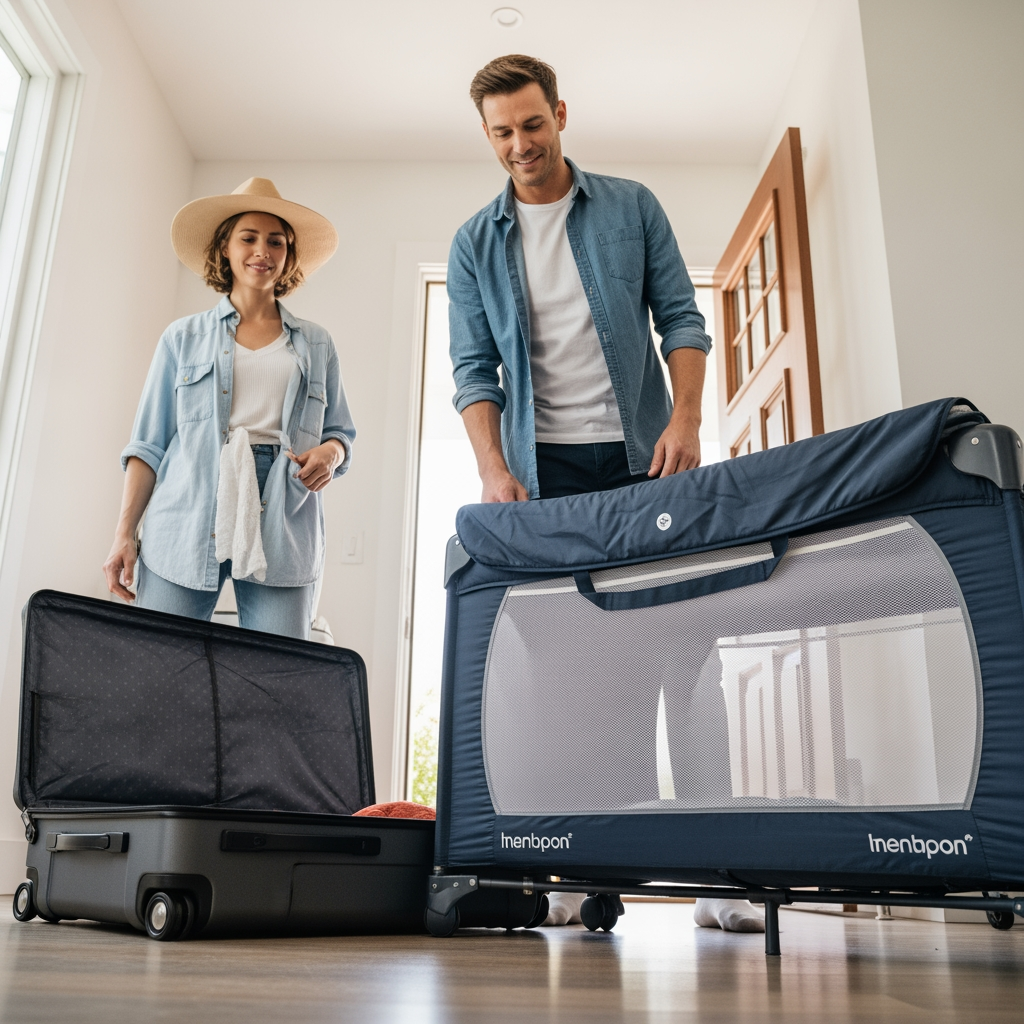
Traveling with a baby is a wonderful opportunity to make new memories. Worrying about sleep should not get in the way of that joy. Your preparation is an investment in a more enjoyable vacation. If sleep gets a little off track, do not panic. A few days of adjustment are normal when you return home. A baby who has strong sleep skills will bounce back quickly. You have the tools to make your next trip a success. Go enjoy your adventure!