
You are tired. You are scrolling online late at night. You are looking for answers. One site says one thing, and another says the opposite. This search for clear baby sleep advice can feel overwhelming. Many new parents feel confused by so much conflicting information. It is hard to know who to trust when you are exhausted.
This guide is different. We have cut through the noise. Here, you will find the consensus from top US pediatric authorities. This includes the American Academy of Pediatrics (AAP). We focus on evidence-based advice that experts agree on. You will learn the non-negotiable safety rules for infant sleep. You will also understand what to expect at each age.
By the end of this article, you will have a confident plan. This plan is rooted in safety and developmental science. You can finally stop worrying and start a safe, effective path to help your baby sleep better. This will help you get more sleep, too.
The Unshakeable Foundation: 2026 Safe Sleep Consensus from the American Academy of Pediatrics
Before you think about sleep schedules or training methods, you must focus on safety. This is the most important part of infant sleep. In the United States, about 3,400 infants die each year from sudden unexpected infant deaths (SUID). This includes Sudden Infant Death Syndrome (SIDS). The good news is that following safe sleep guidelines is the most effective way to reduce this risk. These rules are not suggestions. They are a critical foundation for every single sleep, whether it is a short nap or overnight.
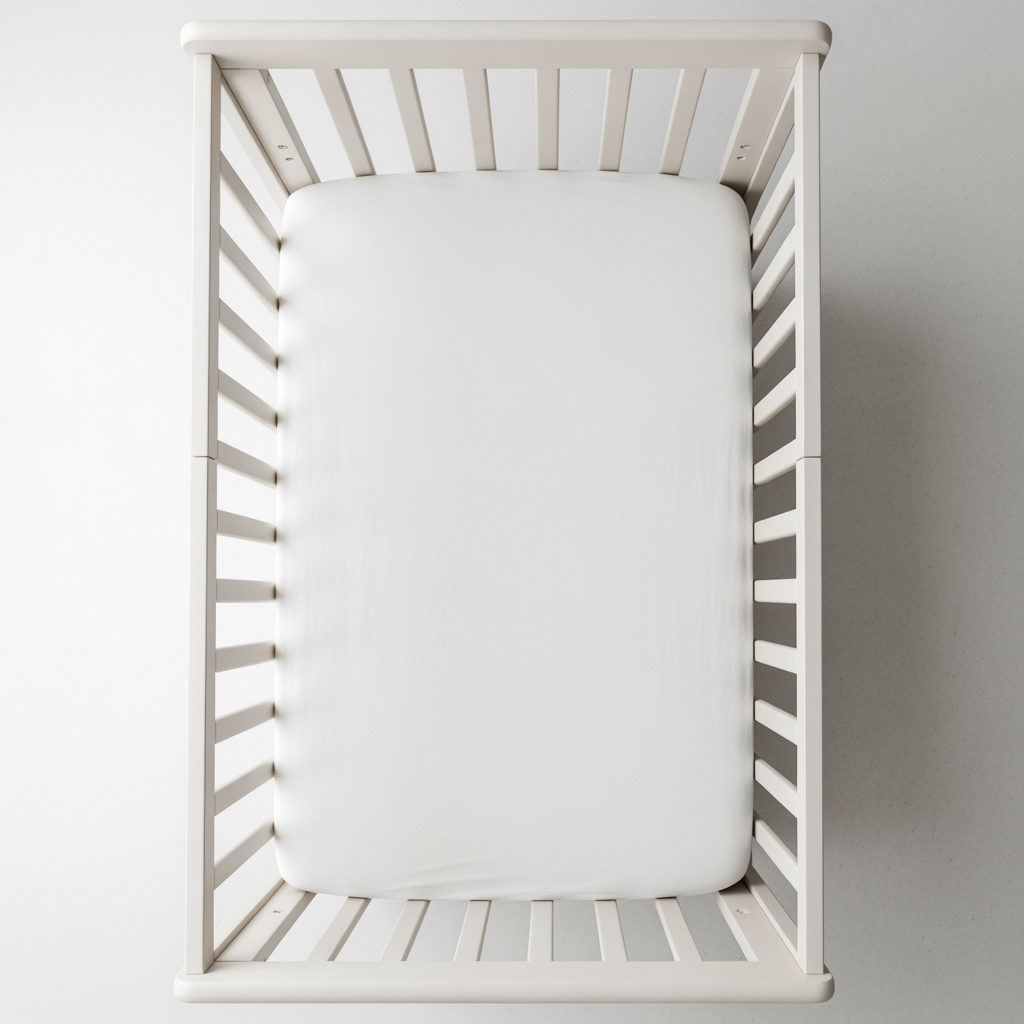
The American Academy of Pediatrics (AAP) regularly updates its policies based on the latest research. The 2022 policy statement provides clear, life-saving rules. These guidelines are the consensus among US pediatric experts. They are designed to protect your baby from sleep-related dangers. Every parent and caregiver must know and follow these rules. They create the safest possible environment for your little one to rest. Think of these as the non-negotiable starting point for all other US pediatric sleep expert advice.
- Back to Sleep, Every Sleep: You must place your baby on their back for every sleep. This applies to naps and nighttime sleep until they are one year old. The back, or supine position, is the safest. It keeps their airway open. Side sleeping and stomach sleeping are not safe. They greatly increase the risk of SIDS. Even if your baby spits up, they are safer on their back. Their body has reflexes to clear fluid. Once a baby can consistently roll from back to stomach and back again on their own, you can let them stay in the sleep position they choose. However, you should always place them on their back to start.
- Firm, Flat Surface: Your baby should sleep on a firm, flat surface. This means a crib, bassinet, or play yard that meets current CPSC safety standards. The mattress should be firm and fit tightly inside the frame. There should be no gaps between the mattress and the sides. Only use a fitted sheet designed for that specific mattress. The surface should not be at an angle or incline of more than 10 degrees. Soft surfaces like adult beds, sofas, or cushions are dangerous. They can lead to suffocation. A thorough nursery safe sleep checklist for newborns can help you prepare the room correctly.
- Alone in the Sleep Space: The baby's sleep area should be empty. Keep it free of pillows, loose blankets, quilts, and crib bumpers. Soft toys and stuffed animals should also be removed. These items can cause suffocation, entrapment, or strangulation. Instead of a loose blanket, use a wearable blanket or a sleep sack. These are safe ways to keep your baby warm without the risk. The phrase "bare is best" is a helpful reminder for your baby's crib.
- Room-Sharing, Not Bed-Sharing: The AAP strongly advises that your baby sleeps in your room. However, they should be on their own separate surface, like a bassinet or crib. This is called room-sharing. It should continue for at least the first six months, and ideally for the first year. Room-sharing can lower the risk of SIDS by as much as 50%. It makes it easier to feed, comfort, and monitor your baby. Bed-sharing is not recommended as it increases risks.
- Avoid Overheating & Head Coverings: Keep your baby from getting too hot. Overheating is a risk factor for SIDS. Dress your baby in light clothing for sleep. A good rule is to dress them in one more layer than you would wear comfortably. Do not cover your baby's head with hats or hoods indoors. Check for signs of overheating like sweating or a chest that feels hot to the touch. The AAP also warns against using weighted swaddles, blankets, or sleepers. It's also vital to stop swaddling completely when your baby shows signs of trying to roll over, which often happens around 3 to 4 months.
- Offer a Pacifier: Studies show that offering a pacifier at nap time and bedtime can reduce the risk of SIDS. The exact reason is not known, but it is a protective factor. If you are breastfeeding, wait until it is well established before introducing a pacifier. This usually takes 2 to 3 weeks. Do not force your baby to take it if they refuse. If the pacifier falls out of their mouth during sleep, you do not need to put it back in. Do not use pacifiers that have straps or clips that could be a strangulation hazard.
Decoding Your Baby's Sleep: Age-by-Age Expert Guidelines
One of the biggest frustrations for new parents is not knowing what is normal. Your newborn's sleep is completely different from a six-month-old's. Understanding these changes can help you set realistic expectations. A baby's sleep needs change very quickly during the first year. This is tied to their rapid brain development and growth. At first, their sleep is disorganized. But clear patterns start to emerge as they get older.

A key concept to understand is your baby's internal body clock, or circadian rhythm. At first, this clock is not set. This is why newborns often mix up day and night. You can help set this clock. Expose your baby to natural daylight in the morning and during the day. Keep the environment dark and quiet at night. This simple act helps their brain learn the 24-hour cycle. Another idea is sleep pressure. Think of it as a 'sleepiness tank' that fills up while your baby is awake. When the tank is full, they fall asleep easily. Naps help to empty this tank a little so they do not get overtired. An overtired baby is fussy and has a harder time sleeping. The goal is a full tank before bedtime for a long, restful night. Knowing how to create a custom infant routine by age is a powerful tool for parents.
The following table summarizes expert guidelines for sleep duration. These numbers come from the American Academy of Sleep Medicine and the AAP. They are averages, so your baby might need slightly more or less sleep.
| Age Group | Total Sleep (per 24 hrs) | Nighttime Sleep | Daytime Naps |
|---|---|---|---|
| Newborn (0-3 Months) | 14–17 hours | 8–9 hours (waking every 2-4 hrs to feed) | 7–9 hours (spread over 3-5+ naps) |
| Infant (4-12 Months) | 12–16 hours | 9-11 hours (with longer stretches emerging) | 3-5 hours (spread over 2-3 naps) |
| Toddler (1-2 Years) | 11–14 hours | ~11 hours | 1-3 hours (transitioning from 2 naps to 1) |
In the newborn phase, sleep is chaotic. Babies need to eat every few hours, day and night. Their sleep comes in short bursts. As they approach 4-12 months, you will see big changes. Their circadian rhythm matures, and they can go for longer stretches at night. This is also when many parents notice "sleep regressions," which are temporary setbacks often tied to developmental milestones like rolling or crawling. For toddlers, the main event is the transition from two daily naps to just one. This shift can take time and may lead to some cranky afternoons until they adjust.
The Expert Consensus on "Sleep Training": When and How
The term "sleep training" can cause a lot of anxiety for parents. It is often misunderstood. At its core, sleep training is simply the process of helping your baby learn to fall asleep without your help. This skill is called self-soothing. It is like learning any new skill. At first, they need support. The goal is for them to eventually be able to calm themselves and fall back asleep on their own when they naturally wake up during the night. All humans wake briefly between sleep cycles. Babies who can self-soothe can connect these cycles without crying out for a parent.
So, when can you start? Most US pediatricians agree that you can begin between 4 and 6 months of age. By this time, a baby's sleep cycles have started to mature. Their circadian rhythm is more established. They are also less dependent on night feedings for nutrition. It is important to remember that sleep training is a personal choice for each family. There are many evidence-based baby sleep programs and methods. The "best" one is the one that you can follow consistently and feel comfortable with. Experts do not endorse one single method over others. Instead, they provide a framework of options.
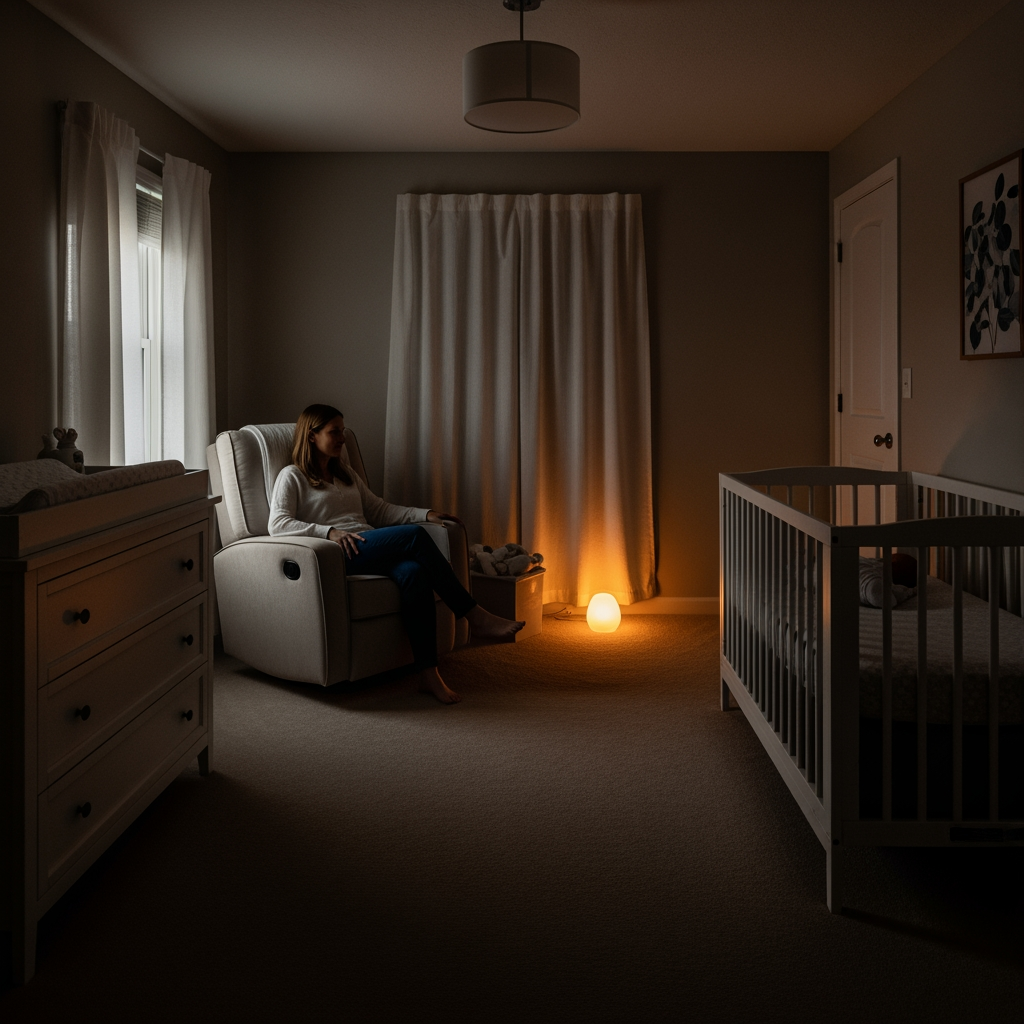
What is "Graduated Extinction"? (The "Cry It Out" Variation)
This is one of the most well-known methods. It is often called the Ferber method. Graduated extinction does not mean leaving your baby to cry alone all night. Instead, it involves letting your baby cry for short, set periods of time. These intervals gradually get longer. After each interval, you go in to briefly reassure your baby with your voice and a gentle touch. You do not pick them up or feed them. You just let them know you are there. Then you leave the room again.
The American Academy of Pediatrics acknowledges this method. Multiple studies have shown it to be effective. It often works quickly, sometimes within a few nights. A major concern for parents is whether crying will harm their baby. Research has found no evidence of long-term harm to a child's emotional health or their bond with their parents. This is true as long as the parents are loving and responsive to the baby's needs during waking hours. This method teaches the baby that they are safe and that their parents are nearby, but that it is time to sleep.
What are "Gentle" or "No-Cry" Methods?
For parents who are not comfortable with crying, there are other options. These are often called "gentle" or "no-cry" approaches. They involve more parental presence and comfort. One popular method is "The Chair Method." You start by sitting in a chair next to your baby's crib until they fall asleep. Every few nights, you move the chair further away from the crib. Eventually, you move the chair out of the room completely. This gives the baby a gradual sense of independence.
Another gentle approach is "Pick Up, Put Down." When your baby cries, you pick them up and comfort them until they are calm. Then you immediately put them back in the crib while they are still awake. You repeat this as many times as needed. These methods are more hands-on. They generally take much longer to work than graduated extinction, often weeks instead of days. However, they can feel less stressful for some parents and babies. The key to success with any gentle method is patience and consistency.
The Non-Negotiable Prerequisite: A Consistent Bedtime Routine
No matter which sleep training method you consider, all experts agree on one thing. A consistent bedtime routine is the most important factor for success. This is true from the newborn stage all the way through childhood. A routine is a sequence of calming activities you do in the same order every single night. This powerful series of cues signals to your baby's brain and body that sleep is coming. It helps them wind down from the stimulation of the day.
A good routine does not need to be long or complex. It should last about 20-30 minutes. It could include activities like a warm bath, putting on pajamas, reading a book, singing a lullaby, and a final feeding. The key is to keep it calm, quiet, and predictable. The final step of the routine should happen in the room where the baby sleeps. This helps them form a positive association with their sleep space. Starting this routine early, even before you plan to sleep train, builds a strong foundation for healthy sleep habits for years to come.
When to Call for Backup: Signs Your Child Needs a Pediatric Sleep Specialist
Most sleep issues in babies and toddlers are behavioral or developmental. They can often be solved with a consistent routine and a sleep coaching approach. However, some sleep problems can be a sign of an underlying medical condition. It is important for parents to know the difference. Your first step should always be to talk to your regular pediatrician. They can rule out common issues and provide guidance. If problems continue, they may refer you to a pediatric sleep specialist.

A pediatric sleep specialist is a doctor with extra training in sleep medicine. They can diagnose and treat a wide range of sleep disorders. Consulting a specialist is necessary when sleep issues do not improve with behavioral changes or if you notice specific red flags. Trust your instincts. If you feel that something is not right with your child's sleep, it is always best to seek a professional opinion. Ignoring a potential medical issue can affect your child's health, growth, and development. Here are some key signs that indicate you should seek expert help.
- Loud, Consistent Snoring or Breathing Pauses: This is the biggest red flag. While some soft snuffling sounds can be normal, loud and regular snoring is not. If you notice your child snores most nights, or if you see them pause their breathing for a few seconds (followed by a gasp or snort), this could be a sign of obstructive sleep apnea. This condition is serious and needs to be evaluated by a doctor.
- Persistent Sleep Difficulties: If you have established a consistent bedtime routine and tried a sleep training approach for several weeks (3 to 4 weeks or more) with no improvement, it may be time to get help. This applies to major problems with falling asleep or frequent, prolonged night wakings that do not seem to be getting better.
- Excessive Daytime Sleepiness: It is normal for babies and toddlers to get tired. But if your child seems extremely sleepy, groggy, or irritable during the day, it's a concern. This is especially true if it happens even after they have had what seems like a full night of sleep. Poor quality sleep at night can lead to a very tired child during the day.
- Difficulty Gaining Weight: Sometimes, poor sleep is connected to other issues. If your baby is struggling to gain weight or has feeding problems, it can disrupt their sleep. Medical conditions like reflux can cause discomfort that makes sleep difficult. Your pediatrician will check your child's growth chart and address any underlying health concerns.
- Extreme Bedtime Resistance or Anxiety: A little bit of protest at bedtime is normal for many children. However, if your child shows intense, prolonged fear or anxiety about going to sleep, it might be more than just typical resistance. A specialist can help you understand the cause of this anxiety and develop strategies to help your child feel safe and secure at bedtime.
Your Next Steps: Building a Confident Sleep Plan
You have learned a lot about what US pediatric experts agree on. Remember the core principles. Safety must always come first. The AAP's safe sleep rules are the non-negotiable foundation. After safety, the next step is to establish a consistent, calming bedtime routine. This simple act is one of the most powerful tools you have.
Finally, when your baby is developmentally ready (usually after 4-6 months), you can choose a sleep-shaping approach that you are comfortable with. Whether it is a graduated method or a gentler one, consistency is what leads to success. This is a journey. There will be good nights and bad nights. It is okay to feel overwhelmed, and it is okay to ask for help when you need it.
The principles in this guide are the foundation for healthy sleep. The next step is applying them to your unique child. For a personalized, age-specific routine and step-by-step guidance that aligns with expert advice, try the BabySleep.coach tool today.