
You are exhausted. You rock your sweet baby to sleep in your arms. They are finally still and peaceful. You tiptoe to the bassinet, holding your breath. As you gently lay them down, their eyes fly open. The crying begins. You are back at square one. This frustrating cycle can feel endless and isolating.
If this sounds familiar, please know you are not alone. This is one of the most common challenges new parents face. Your baby is not trying to be difficult. They are simply adjusting to a world that is very different from the warm, moving womb they knew. It is not a sign that you are doing anything wrong. With patience and a clear plan, you can teach your baby to feel safe and comfortable in their own sleep space.
This guide will help you. We will first explore why your baby resists the bassinet. Then, we will cover the vital safety rules for infant sleep. Finally, we will give you a simple, 7-step plan to gently guide your baby toward peaceful bassinet sleep. You can do this, and you both deserve the rest.
First, Let's Understand: Why Your Baby Protests the Bassinet
Understanding your baby's point of view can change everything. It turns frustration into empathy. For nine months, your baby lived in a perfect environment. It was warm, snug, and full of gentle sounds and motion. Your arms are the closest thing to that familiar home. The bassinet, in contrast, feels like a strange, empty space. It is flat, still, and often cool to the touch. This sudden change can be jarring for a newborn's sensitive system. They are not rejecting the bassinet itself. They are protesting the loss of your comfort and closeness. This is a normal, instinctual response.

Several key factors are at play when your baby wakes up the moment you put them down. Recognizing these triggers is the first step toward solving the problem. It is not one single thing, but a combination of reflexes, sensory changes, and sleep patterns. By addressing each of these, you can make the bassinet a much more welcoming place for your little one. Let's break down the main reasons your baby may protest their bed.
- The Startle (Moro) Reflex: Think of this as your baby's built-in alarm system. It is an involuntary reflex to a sudden loss of support. When you lower your baby into the bassinet, that brief sensation of falling can trigger it. Their arms and legs may shoot out, and they will often cry out, waking themselves up completely. This powerful reflex is a sign of a healthy nervous system, but it is a major enemy of a smooth transfer.
- Loss of Warmth & Scent: Your body is around 98.6°F (37°C). It is a source of constant, comforting warmth. A bassinet mattress, on the other hand, is at room temperature. The change can be shocking. Furthermore, your baby knows your unique scent. It is linked to food, safety, and love. The bassinet smells neutral and unfamiliar. When you put them down, they lose both the warmth and the scent that tells them they are safe.
- From Motion to Stillness: Whether in the womb or in your arms, your baby is used to constant, gentle movement. Your breathing and swaying are soothing rhythms. The moment they are placed on a stationary mattress, that calming input stops. This sudden stillness can feel alarming. It is another signal that they have left their safe space. Many babies need to learn that stillness is also safe for sleep.
- Sleep Cycle Transitions: Newborns have very different sleep cycles than adults. Their cycles are shorter, lasting only 45-60 minutes. They also spend a much larger portion of their sleep in a light, active state (REM sleep). During this phase, they might twitch, make noises, or even open their eyes briefly. This makes them much more prone to waking up from small disturbances, like being put down in a cool, still bed.
The Foundation: The 2026 "ABCs" of Safe Bassinet Sleep
Before you try any new sleep technique, safety must come first. Your baby's well-being is the top priority. The American Academy of Pediatrics (AAP) provides clear, evidence-based guidelines to reduce the risk of Sudden Infant Death Syndrome (SIDS) and other sleep-related dangers. These rules are not suggestions; they are essential for every single sleep, both at night and for naps. As of 2026, these guidelines are stricter and clearer than ever. They are designed to create the safest possible environment for your infant. Following them gives you peace of mind, knowing you are doing everything you can to protect your child.

It can be tempting to add items to the bassinet to make it seem cozier. You might think a soft blanket or a small pillow will help your baby accept it. This is a dangerous myth. The safest sleep surface is a bare one. Remember the simple phrase: "Bare is Best." A clear bassinet is a safe bassinet. The following rules are the non-negotiable foundation of safe sleep.
- A is for ALONE: Your baby should be alone in their sleep space. The bassinet should contain nothing but a firm mattress and a fitted sheet. This means no pillows, no loose blankets, no quilts, no bumpers, and no stuffed animals. These items pose a serious suffocation and entrapment risk. The 2026 guidelines also explicitly advise against using any weighted blankets, swaddles, or sleepers on or near the baby.
- B is for BACK: Always place your baby on their back to sleep. This applies to every nap and every night until they are one year old. Back sleeping keeps their airway clear and is the single most effective action you can take to lower the risk of SIDS. If your baby is old enough to roll over on their own, you do not need to return them to their back. However, you must always start them on their back.
- C is for CRIB (or Bassinet): Your baby should sleep in a crib, bassinet, or portable play yard that meets current safety standards. The sleep surface must be firm and flat, with no incline greater than 10 degrees. Products like swings, car seats, strollers, or infant loungers are not safe for routine sleep. If your baby falls asleep in one, move them to their bassinet as soon as possible. The AAP recommends room-sharing (having the bassinet in your room) for at least the first six months, but never bed-sharing.
- Cool Room Temperature: Overheating is a risk factor for SIDS. Keep the room at a comfortable temperature, typically between 68-72°F (20-22°C). Dress your baby in no more than one extra layer than you would wear. A wearable blanket or sleep sack is a safe alternative to loose blankets. Check for signs of overheating like sweating, a flushed face, or a hot chest.
Building on these rules is easy when you have the right tools. A nursery safe sleep checklist for newborns can help you review your setup and ensure every detail is covered.
The 7-Step Gentle Transition Plan to Bassinet Bliss
Now that you understand the 'why' and the 'what' of safe sleep, it is time for the 'how.' This is not about letting your baby 'cry it out.' This is a gentle, step-by-step process designed to build trust and positive feelings about the bassinet. It turns a scary space into a familiar comfort zone. The key is to be consistent and patient. This plan breaks down the process into manageable steps. You can move at a pace that feels right for you and your baby. Some babies will adapt in a few days, while others might take a couple of weeks. Progress, not perfection, is the goal.
Think of this as a training program. You are your baby's coach, gently guiding them toward a new skill: independent sleep. Each step builds on the last, creating a strong foundation for healthy sleep habits that will last for years. Remember to stay calm and confident. Your baby picks up on your emotions. If you are relaxed, it helps them feel secure. Let's begin the journey to peaceful bassinet sleep.

Step 1: Make the Bassinet a "Happy Place" (Day 1-2)
The first goal is to change your baby's perception of the bassinet. Right now, they may only associate it with being put down and left alone. We need to create positive, happy associations instead. This step has nothing to do with sleep. It is all about awake time. A few times during the day, when your baby is calm, fed, and happy, place them in the bassinet for just a few minutes. Stay right there with them. Lean over, smile, sing a song, or dangle a high-contrast toy above them. The moment they start to fuss, pick them up. The goal is to end the interaction on a positive note. This teaches your baby that the bassinet is a pleasant place where they can see you and feel safe. These short, happy visits start to build a new, positive memory.
Step 2: Master the Soothing Routine (Day 3-4)
Babies thrive on routine. A predictable sequence of events before sleep acts as a powerful cue to their brain and body that it is time to wind down. This routine does not need to be long or complicated. A short, 15-20 minute ritual is perfect. The key is to do the same things in the same order before every sleep. A great example is a final feeding, burping, a diaper change, getting into a swaddle or sleep sack, and then a quiet song or story in a dimly lit room. The consistency is what matters. This routine becomes a signal for sleep. Over time, your baby will start to relax as soon as the routine begins. They know what is coming next: calm, quiet time. Creating the ideal infant sleep environment with low light and calming sounds is a huge part of this step's success.
Step 3: Perfect the "Safe Swaddle" and White Noise
These two tools are your best friends in the fight against the startle reflex and a jarringly quiet room. A snug swaddle provides a feeling of security, similar to the womb. It helps to contain the Moro reflex, preventing your baby from flailing their arms and waking up. Make sure the swaddle is snug around the chest but loose around the hips to allow for healthy hip development. If your baby fights the swaddle, you can try different types, like a zip-up sack with swaddle wings. Some babies even prefer to have one or both arms out. White noise mimics the constant, low-rumble sounds of the womb. It helps to block out sudden household noises. Use a dedicated white noise machine and place it several feet away from the bassinet. The volume should be no louder than a soft shower. This combination creates a cozy, womblike cocoon that promotes deeper, more sustained sleep. You should stop swaddling as soon as your baby shows any signs of trying to roll over, which is usually around 3-4 months.
Step 4: The Art of the Transfer (The "Butt-First" Method)
This is often the moment of truth. The way you lower your baby into the bassinet can make all the difference. A quick, head-first drop almost guarantees a startle. The key is to move slowly and deliberately, countering the sensation of falling. Hold your swaddled baby close to your chest. As you approach the bassinet, bend your knees and get as low as possible. Lower them horizontally, leading with their feet and bottom. Let their butt touch the mattress first, followed by their back, and finally, their head. This sequence prevents the 'falling' feeling that triggers the Moro reflex. Do not pull away immediately. Keep a hand gently but firmly on their chest for a minute. Your touch provides reassurance as they settle. Then, slowly and smoothly, remove your hand.
Step 5: The "One Nap a Day" Practice (Day 5-7)
Trying to switch to 100% bassinet sleep all at once can be overwhelming for both of you. It can lead to an overtired baby and a stressed-out parent. Instead, start small. Dedicate just one nap per day to practicing in the bassinet. The first nap of the day is often the easiest, as your baby is most well-rested. Go through your soothing routine and attempt the transfer. If the nap only lasts 10 or 15 minutes, that is a huge success! The goal is practice and positive association, not a long nap. For the other naps of the day, it is okay to use contact naps or whatever works to ensure your baby gets the sleep they need. An overtired baby will have a much harder time learning a new skill. As they get better, you can gradually add more bassinet naps. This low-pressure approach makes the process feel more manageable and helps you stop contact naps over time without the stress.
Step 6: Introduce "Drowsy But Awake" (Week 2)
Once your baby has had some successful naps in the bassinet, you can introduce this crucial skill. 'Drowsy but awake' is the foundation of self-soothing. It means putting your baby down when they are calm and sleepy, but their eyes are still slightly open. This allows them to do the very last part of falling asleep on their own, in their own space. Think of it like this: if they learn to go from drowsy to asleep in the bassinet, they will know exactly where they are and how to get back to sleep if they stir later. For very young newborns, this can be tricky. You might start by putting them down just as their eyes are closing. If they cry, it is okay to pick them up, soothe them until they are calm again, and then try one more time. This is a skill that takes practice.
Step 7: Be Patient and Consistent (Ongoing)
This is perhaps the most important step of all. Learning to sleep independently is a developmental process, and progress is rarely a straight line. There will be good days and bad days. You might have three great bassinet naps one day, and then a day where none of them work. This is normal. A growth spurt, a teething pang, or just an off day can cause a temporary setback. The key is to remain consistent with your approach. Keep the routine the same. Keep offering the bassinet as the place for sleep. Your calm, patient, and consistent presence is the anchor that helps your baby feel secure enough to learn this new skill. Celebrate the small wins and give yourself and your baby grace.
Troubleshooting Common Bassinet Hurdles
Even with the best plan, you may run into specific challenges. Many parents face the same set of problems when trying to get their baby to sleep in a bassinet. Knowing what to do in these moments can keep you from feeling stuck. The goal is to have a gentle, safe solution ready for each common hurdle. This prevents you from resorting to unsafe practices out of desperation. Remember, every problem has a solution that aligns with safe sleep rules.
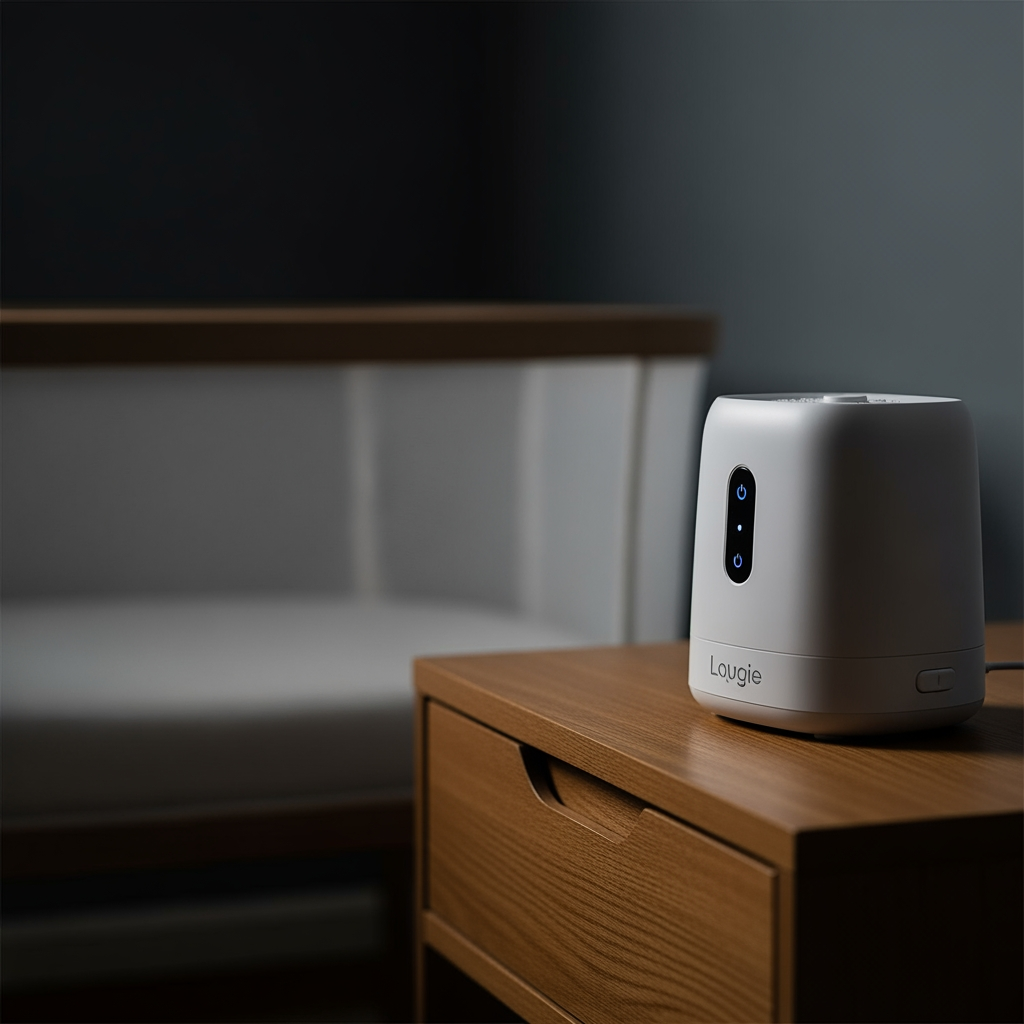
Below is a table that outlines some of the most frequent issues and provides a quick, actionable solution for each. Use this as your go-to guide when you encounter a roadblock in your bassinet transition plan. Being prepared will boost your confidence and help you stay on track.
| Problem | Gentle Solution |
|---|---|
| "The mattress is too cold!" | Use a heating pad to warm the bassinet sheet for 5-10 minutes, but ALWAYS remove the pad before placing the baby down. The sheet should be warm, not hot, to the touch. |
| "My baby has reflux and hates lying flat." | Keep the baby upright for 15-20 minutes after feeding before attempting to put them down. Discuss concerns with your pediatrician, but never use an inclined sleeper or positioner in the bassinet, as this is unsafe. |
| "They fight the swaddle!" | Ensure you're not swaddling too tight around the hips. Try a different type of swaddle, like a zip-up sleep sack with swaddle wings. Some babies prefer one or both arms out. |
| "The pacifier keeps falling out." | This is normal. You can gently re-insert it, but don't get into a cycle of replacing it all night. Pacifier use is associated with a reduced risk of SIDS, but it's not a requirement for sleep. |
Addressing these issues with safe and gentle methods reinforces the message of security you are sending to your baby. It shows them that their needs are being met, even as they learn a new way to sleep. Consistency in your response is just as important as consistency in your routine.
Your Next Steps for Peaceful Nights
You now have a complete toolkit to help your baby learn to love their bassinet. Remember the core principles: safety always comes first, consistency builds trust, and patience is your greatest asset. This journey is about progress, not instant perfection. There will be moments of success and temporary setbacks. Both are part of the process.

By understanding why your baby prefers your arms, you can meet their needs while gently guiding them toward independent sleep. The 7-step plan gives you a clear, actionable path. It empowers you to be a confident coach for your child. Every time you follow the soothing routine or practice a bassinet nap, you are laying the groundwork for healthy, long-term sleep habits.
Trust yourself and trust your baby. You are a team. Learning to sleep in a bassinet is a skill, and with your loving guidance, it is one your baby will master. Celebrate every small victory, from a few happy minutes in the bassinet to that first 20-minute nap. You are giving your baby the gift of safe, independent sleep, and you are giving yourself the gift of much-needed rest. You can do this.