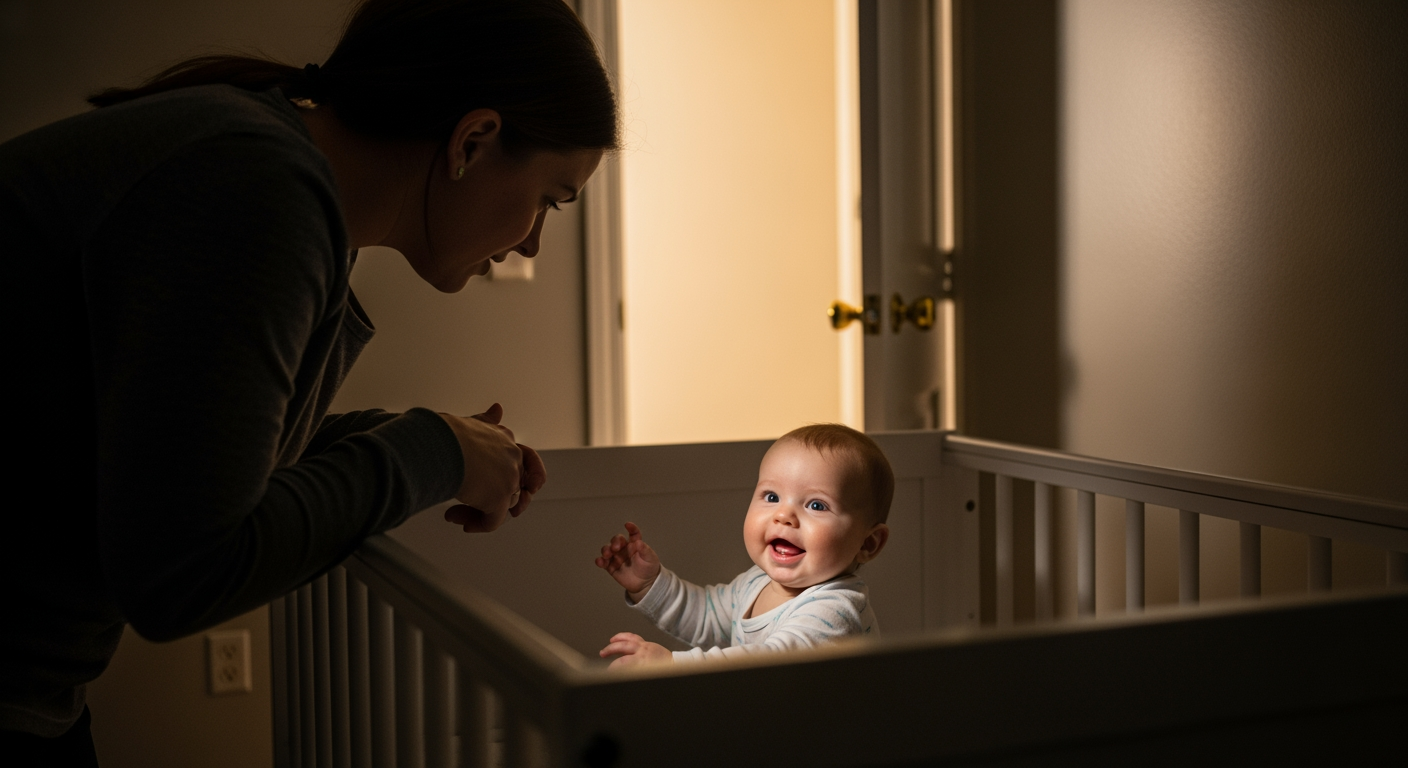
You are doing everything right. You track the wake windows. You follow a calming bedtime routine. You watch for sleepy cues like a hawk. Yet, your baby fights sleep, takes frustratingly short naps, or decides midnight is the perfect time to practice their new babbling skills. It can feel baffling and defeating. You've heard the advice "sleep begets sleep," but pushing for more sleep only seems to make things worse.
What if the problem isn't that your baby is too tired, but that they are not tired enough? This common but confusing issue is called undertiredness. It happens when a baby is put down for a nap or for the night before they have built up enough natural sleepiness. They simply aren't ready for a long, deep rest. This can lead to a cycle of sleep struggles that leaves parents exhausted and confused.
This article will help you solve the mystery. We will break down the science of baby sleep in simple terms. You will get a clear diagnostic checklist to finally tell the difference between an undertired and an overtired baby. Most importantly, you will learn a step-by-step plan to adjust your baby's schedule and fix these sleep issues for good.
The Core of the Issue: Understanding 'Sleep Pressure'
To understand why your baby is fighting sleep, we need to talk about something called sleep pressure. Think of it as your baby's biological drive to sleep. This pressure builds up during every moment they are awake. A chemical in the brain called adenosine is responsible for this process. The longer your baby is awake, the more adenosine accumulates. High levels of adenosine signal to the brain that it's time for restorative sleep.

When sleep pressure is high enough, your baby will fall asleep easily and connect their sleep cycles for a long nap or a full night of rest. However, if you try to put them down when sleep pressure is low, they simply won't be able to sleep well. They haven't been awake long enough to build that strong biological urge to sleep. This is the essence of an undertired baby.
Imagine your baby’s sleep pressure is like a phone battery. When your baby is awake, the battery slowly drains. For them to take a long, restful 'charge'—a good nap—the battery needs to be low enough. If you try to charge the phone when the battery is still at 80%, it will only charge for a short time before it's full again. An undertired baby is trying to sleep on a nearly full battery. They might fall asleep for a few minutes but will wake up quickly because their sleep need has already been met.
This concept is crucial because it challenges the idea that more sleep is always better. While preventing overtiredness is important, well-timed sleep is the real key. An undertired baby doesn't need more opportunities to sleep; they need more time awake to build adequate sleep pressure. Understanding this biological process is the first step toward creating a schedule that works with your baby's natural rhythms, not against them. It helps you shift from simply following a clock to responding to your baby's actual physiological needs, leading to better sleep for everyone.
Undertired vs. Overtired: A 4-Point Diagnostic Checklist
Many parents find it hard to tell the difference between an undertired and an overtired baby. The signs can seem similar at first glance. Both can lead to fighting sleep and short naps. However, the baby's mood and behavior provide critical clues. An overtired baby is exhausted and dysregulated. Their body releases stress hormones like cortisol, which act like a shot of espresso, making it impossible to relax. An undertired baby, on the other hand, is simply not ready for sleep and is often quite content.

To end the confusion, use this four-point checklist. It moves beyond the simple 'happy vs. cranky' advice and gives you a reliable framework to diagnose the real issue. By looking at these four factors together, you can get a clear picture of what your baby is experiencing and why they are struggling with sleep. This will help you choose the right solution instead of guessing.
| Diagnostic Point | ✅ Undertired Baby | ❌ Overtired Baby |
|---|---|---|
| 1. Time to Settle | Takes a long time to fall asleep (>20 mins) but is generally content. | Can fall asleep very quickly (due to exhaustion) OR fight sleep for a long time. |
| 2. Mood During Settling | Calmly resists, playful, babbling, rolling around. Treats it like playtime. | Distressed, frantic, crying inconsolably, arching back. |
| 3. Short Nap Aftermath | Wakes from a short nap (20-45 mins) feeling happy, refreshed, and ready to play. | Wakes from a short nap crying, still fussy, and clearly still tired. |
| 4. Night Wakings | Wakes in the night for long, happy awake periods (1-2 hours) but is playful ('split night'). | Wakes frequently and shortly after bedtime ('false starts'), often crying and hard to resettle. |
The most telling sign is often the 'short nap aftermath.' A baby who wakes up happy after just 30 minutes is a classic sign of undertiredness. They had just enough sleep pressure for one sleep cycle. Once that cycle was complete, they were fully rested and ready to go. An overtired baby, in contrast, wakes from a short nap because their stress hormones interrupted their sleep. They are still deeply tired and will show it by crying and fussing upon waking.
The Top 4 Causes of an Undertired Baby
Once you have identified that your baby is likely undertired, the next step is to figure out why. It's rarely a complex mystery. The cause usually falls into one of a few common categories related to their daily schedule. Pinpointing the exact reason will help you make targeted changes that solve the problem quickly. Let's explore the four most frequent causes of undertiredness.

Cause 1: Wake Windows Are Too Short
This is the most common reason a baby is undertired. A 'wake window' is the period of time a baby can comfortably stay awake between sleeps. As babies grow and develop, their brains mature. They can process more information and handle being awake for longer stretches. This means their sleep needs change constantly, especially in the first year. A wake window that was perfect for your four-month-old will likely be far too short for them at five months.
Parents often get into a good rhythm, only to find it suddenly stops working. This is a sign that your baby is ready for more awake time. If you continue to use an old, shorter wake window, you are trying to put them down before enough sleep pressure has built up. This leads to them fighting the nap, taking a long time to settle, or having a short 'catnap.' It's important to remember that wake window charts found online are just averages. You must watch your baby for signs they are ready to extend their awake time, such as those listed in the checklist above.
Cause 2: Too Much Daytime Sleep
A baby's sleep needs are spread across a 24-hour period. There is a finite amount of sleep they require in total. If they get too much of that sleep during the day, there won't be enough sleep pressure left for a long, consolidated night of sleep. This can result in a baby who fights bedtime for an hour or wakes up in the middle of the night ready to play. While it seems counterintuitive, long, luxurious naps can sometimes be the cause of your nighttime struggles.
For example, a six-month-old may need about 14 hours of total sleep. If they take three long naps totaling 4.5 or 5 hours during the day, they will only have about 9 hours of sleep left for the nighttime. This can lead to very early morning wakings or long night parties. As babies get older, they go through nap transitions, dropping from three naps to two, and then to one. A sign that they are ready to drop a nap is often a sudden resistance to the last nap of the day or bedtime becoming a battle. This is their way of showing you that their daytime sleep needs are decreasing.
Cause 3: Bedtime Is Too Early
An early bedtime is a fantastic tool for an overtired baby. It helps them catch up on lost sleep. However, for a well-rested or undertired baby, an early bedtime can backfire. The final wake window of the day is often the longest and most important for building enough sleep pressure to last the entire night. If this last wake window is too short because bedtime is too early, your baby will not be ready for sleep. They may lie in their crib happily cooing for an hour, or they may protest loudly.
This issue often connects with the previous point about too much daytime sleep. If your baby's last nap of the day ends at 5:00 PM, a 7:00 PM bedtime only gives them a two-hour wake window. For most babies over four months old, this is not nearly enough time to build adequate sleep pressure for the night. They may fall asleep briefly, only to wake up 45 minutes later in what is called a 'false start.' This happens because their sleep pressure was only strong enough for a nap, not a full night of sleep.
Cause 4: Low-Activity Wake Windows
Not all awake time is created equal. The quality of a wake window matters just as much as the quantity. Sleep pressure builds faster when a baby is active and engaged. If your baby spends a large portion of their wake window in a passive state, they won't build sleep pressure as effectively. This can happen if they spend a lot of time in a carrier, stroller, or bouncer without much interaction or movement.
Think about how you feel after a day spent sitting at a desk versus a day spent hiking. You feel much sleepier after the active day. It's the same for your baby. To build robust sleep pressure, they need stimulation. This includes physical activity like tummy time, rolling, and crawling. It also includes mental engagement like looking at books, singing songs, and playing with interactive toys. A baby who is actively learning and moving will be much more ready for sleep than one who was passively entertained. If your wake window lengths seem right but your baby is still undertired, look at the quality of their awake time.
The 3-Step Solution to Fix Undertiredness for Good
Now that you understand what causes undertiredness, you can take action. Fixing the issue involves making small, deliberate adjustments to your baby's daily routine. The goal is to help them build the right amount of sleep pressure before each sleep period without pushing them into overtiredness. This can feel like a delicate balance, but by following a clear, step-by-step process, you can find the sweet spot that works for your baby. This methodical approach takes the guesswork out of the equation and empowers you to make changes confidently.
Step 1: Gradually Stretch Wake Windows
Since short wake windows are the most common culprit, this is the first place to start. The key is to make changes slowly. A sudden, drastic increase in awake time can easily backfire and lead to an overtired baby. Instead, aim for a gradual stretch. Begin by adding just 10 to 15 minutes to one wake window. A good strategy is to target the window before the most problematic sleep. If your baby always takes a short morning nap, extend the first wake window of the day. If bedtime is the biggest battle, extend the last wake window before bed.
Once you make a change, stick with it for two to three days. It can take a little time for your baby's body clock to adjust. Observe them closely during this period. Are they falling asleep faster? Are their naps lengthening? Is bedtime less of a struggle? If you see improvement, you can continue to add time in small increments until you find the perfect length. If they start to show signs of overtiredness, like becoming fussy and difficult to soothe, you have gone too far. Simply pull back by 10 minutes and hold there. This process of careful observation and small tweaks is the most effective way to find your baby's unique sleep needs.
Step 2: Optimize the Quality of Awake Time
While you are adjusting the length of wake windows, also focus on their quality. Make awake time more effective at building sleep pressure. One of the best ways to do this is to get outside. Exposure to natural light, especially in the morning, helps to regulate your baby's circadian rhythm. The circadian rhythm is their internal 24-hour clock that governs sleep-wake cycles. Strong light exposure tells their brain, 'This is daytime, time to be alert!' This makes the transition to sleep later on much clearer for their body.
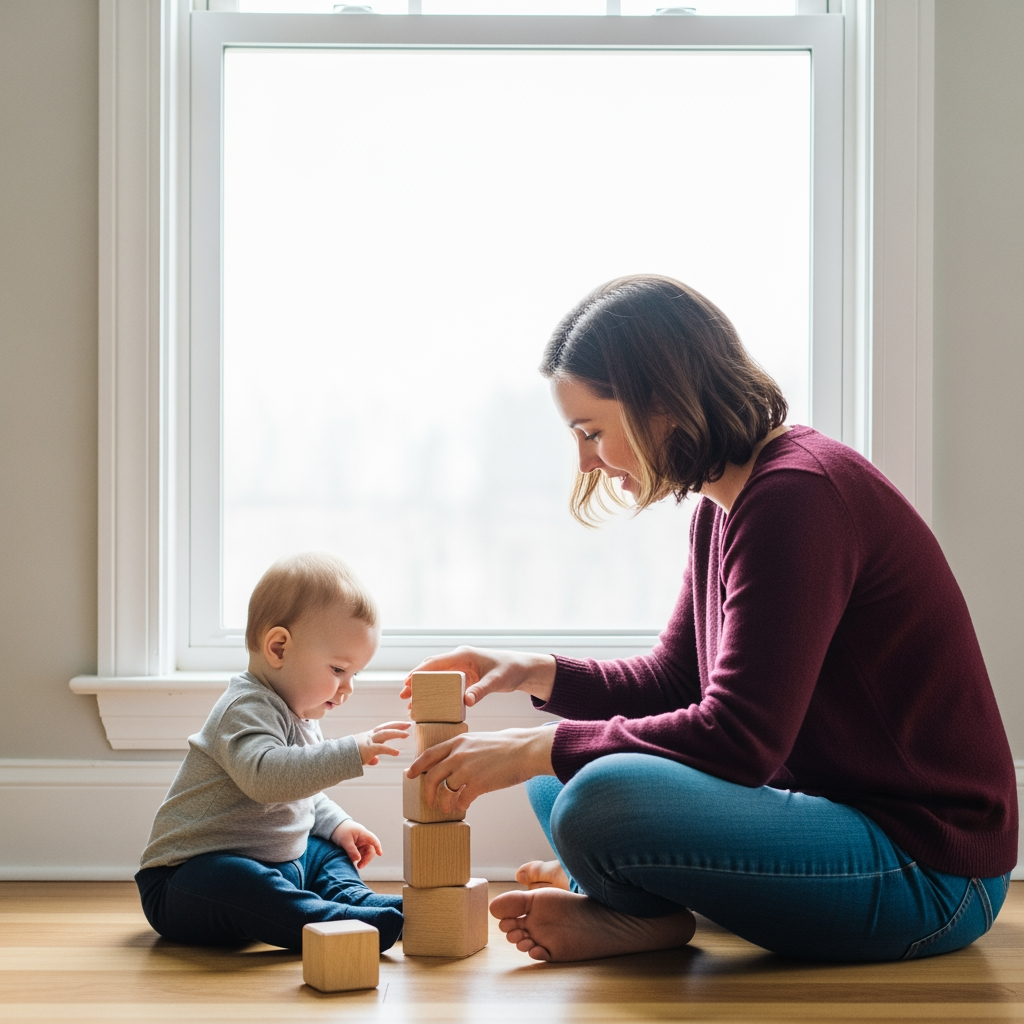
Beyond getting outside, focus on energy-burning activities. For infants, this means plenty of floor time. Let them practice tummy time, rolling, and reaching for toys. For older babies who can sit or crawl, create a safe space for them to explore. Engage them with songs that have hand motions, play peek-a-boo, or build a block tower for them to knock down. This active, interactive play is far more effective at tiring them out than sitting passively in a swing. A wake window filled with movement and stimulation will build strong sleep pressure, making it much easier for your baby to settle into a deep, restorative sleep.
Step 3: Protect Night Sleep by Capping Naps
This can be the hardest step for parents. The idea of waking a sleeping baby feels wrong. But if too much daytime sleep is stealing from night sleep, it's a necessary adjustment. Remember, there's a total amount of sleep your baby needs in 24 hours. To ensure they get a long, consolidated stretch at night, you may need to limit how much they sleep during the day. This is particularly important for the last nap of the day. A late, long nap can destroy any hope of an easy bedtime.
Look at your baby's total daytime sleep. For a baby over 6 months old, this might be around 2.5 to 3.5 hours. If your baby is sleeping 4 or 5 hours during the day and then fighting bedtime, it's time to cap the naps. You might decide to limit each nap to 1.5 hours, or you might wake them from their last nap by a specific time, like 4:30 PM. This ensures there is a long enough wake window before bed to build sufficient sleep pressure. It protects your evening and sets your baby up for a full 11-12 hour night. It's a strategic move that prioritizes the most restorative sleep of the day: nighttime sleep.
Your Next Steps to Predictable Sleep
Navigating your baby's sleep can feel like a full-time job. The constant changes and conflicting advice are enough to make any parent feel lost. However, by understanding the concept of sleep pressure, you now have the master key. You know that the goal isn't just more sleep, but better-timed sleep. You have a reliable checklist to determine if your baby is undertired or overtired, ending the guesswork that leads to so much frustration.

Remember the clearest clue: an undertired baby is unhappy about being put to sleep, not unhappy in general. A happy baby who takes a short nap is giving you a signal. They are telling you they are ready for more awake time. Your job is to become a sleep detective, observing your baby's unique cues and making small, confident adjustments. Start by adding 15 minutes to a wake window. Focus on active, engaging play. And don't be afraid to cap a nap to protect night sleep.
These small, consistent changes are what lead to big improvements. By working with your baby's natural biology, you can move away from sleep battles and toward a predictable routine that allows everyone in your family to get the rest they need. You have the tools and the knowledge. You can solve this.