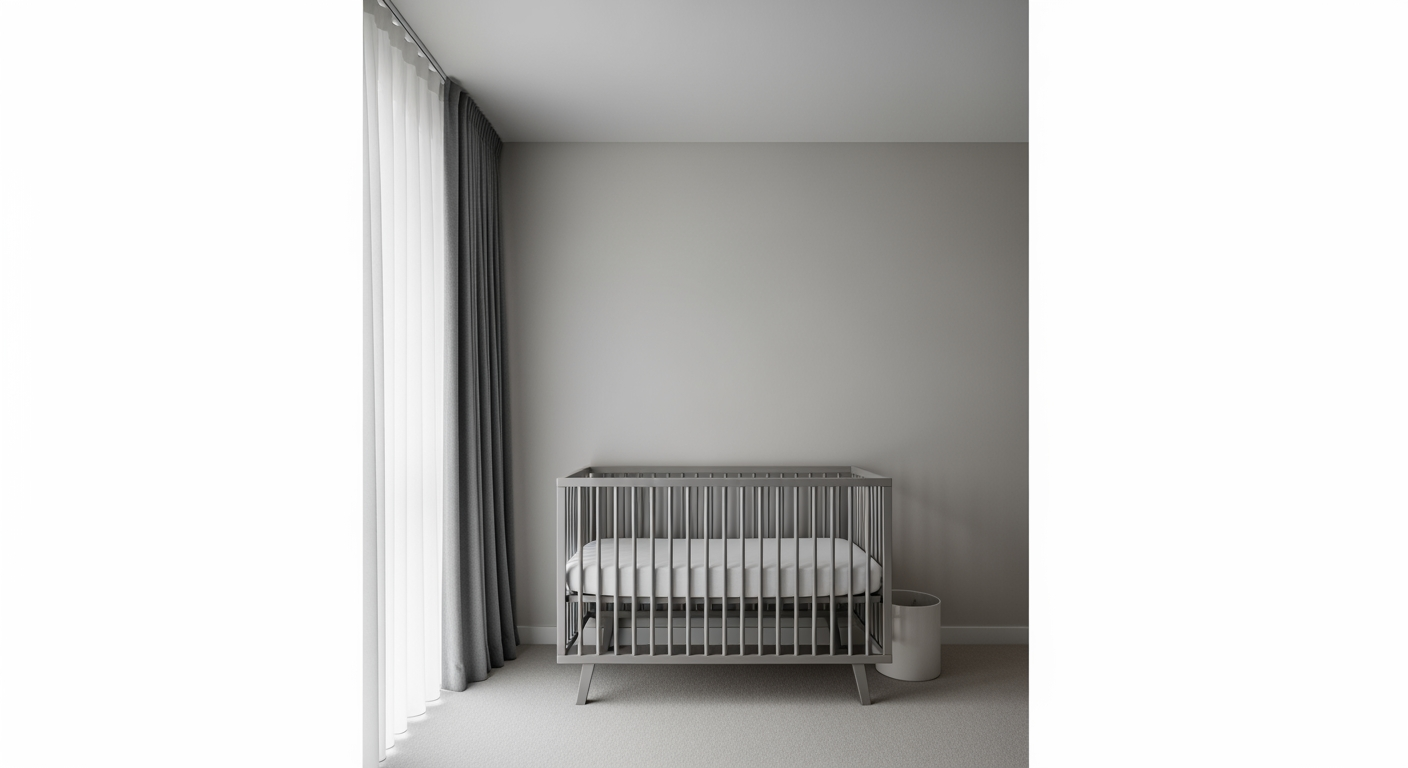
As a new parent, you get a lot of advice about baby sleep. It can feel overwhelming. Friends and family offer tips that often conflict. The internet is full of confusing information. You just want to know what actually works. You want your baby to sleep safely and soundly. And you want to get some much-needed rest yourself.
The good news is that science can help. You do not need to guess. A few key changes to your baby’s sleep environment can make a huge difference. These changes are based on data and research. They can lead to longer naps and better night sleep. This is one area where you have a lot of control as a parent. Creating an optimal sleep space also supports your baby's healthy brain development.
This guide will show you how. We will focus on four proven pillars of a great sleep environment. These are darkness, sound, temperature, and safety. We will explain the science behind each one. You will learn the 'why' behind the rules and see the verified results. This will give you the confidence to create the best sleep space for your infant.
Pillar 1: The Science of Darkness and Melatonin Production
Darkness is not just a suggestion for good sleep. It is a powerful biological command. Your baby's body is designed to respond to light and dark cues. This response is controlled by their internal clock, known as the circadian rhythm. This clock tells them when to be awake and when to sleep. Light is the main signal that sets this clock. When your baby’s eyes detect light, their brain thinks it is time to be alert and active. When it is dark, their brain gets the signal that it is time to rest.
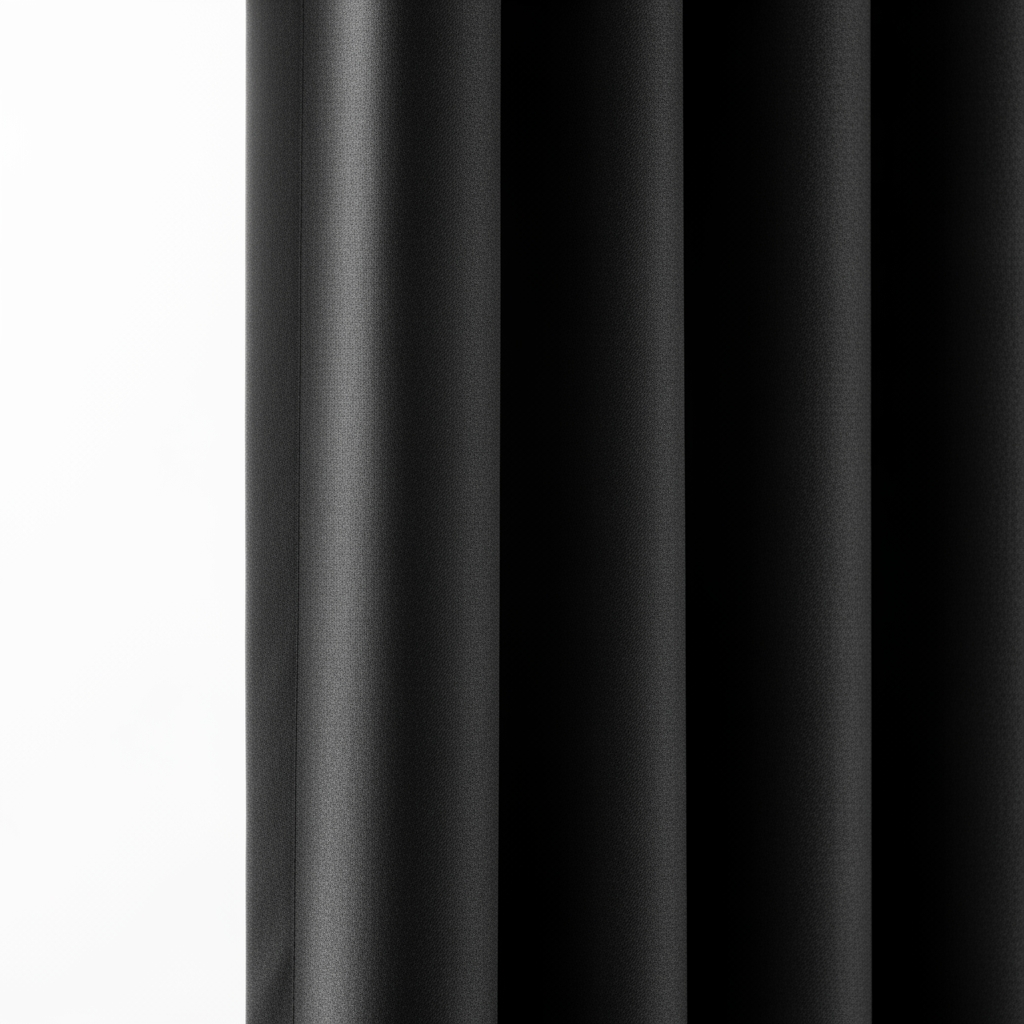
The key player in this process is a hormone called melatonin. Think of melatonin as the natural 'sleepy hormone.' In response to darkness, your baby's brain produces melatonin. This hormone helps them fall asleep and stay asleep. However, light stops this process. Even a small amount of light can suppress melatonin production. This includes light from a hallway, streetlights, or even the glowing light on a baby monitor. This is why a truly dark room is so important for quality sleep. The goal is a pitch-black environment, especially for nighttime sleep and naps. Many parents wonder if napping in a bright room helps babies learn the difference between day and night. The opposite is true. A dark room for all sleep helps regulate their circadian rhythm more effectively.
Achieving this level of darkness can be a challenge. Light can leak from around window frames or under doors. The most effective tool for this is a good set of blackout curtains. Understanding how blackout curtains can improve your baby's sleep is the first step. For total darkness, you may need to layer solutions. You can use blackout window film in addition to curtains. You can also use painter's tape or cardboard to cover any remaining light sources. The difference between a dim room and a pitch-black room is significant. A pitch-black room sends the strongest possible signal to your baby’s brain that it is time for deep, restorative sleep.
The table below shows how different light conditions directly affect your baby's sleep. It highlights the verified results of creating a truly dark sleep space. This data-driven approach shows why aiming for less than 1 lux of light is the gold standard.
| Light Condition | Impact on Baby's Brain | Verified Result |
|---|---|---|
| Bright Room (Daylight/Lamps) | Suppresses melatonin production; signals the brain it's time to be awake and stimulated. | Shorter naps, difficulty falling asleep, more frequent night wakings. |
| Dimly Lit Room (Night Light) | Even low levels of light can interfere with melatonin and disrupt deep sleep cycles. | Can contribute to early morning wakings as the brain detects the light. |
| Pitch-Black Room (<1 Lux) | Allows for maximum melatonin production; sends a powerful biological signal for sleep. | Longer sleep duration, better nap quality, and more consistent sleep-wake cycles. |
By committing to a completely dark sleep space, you are not just creating a cozy room. You are actively supporting your baby's natural sleep biology. This simple but powerful change can lead to longer, more consolidated sleep for your baby. It also helps you, as you will have more predictable and restful periods.
Pillar 2: The Verified Impact of Sound on Infant Sleep
Many parents believe babies need a silent room to sleep. This is a common myth. In reality, a completely quiet environment can be unsettling for a newborn. The womb is not a silent place. It is filled with the constant sound of blood flow, heartbeats, and other bodily noises. These sounds can reach up to 90 decibels, similar to the sound of a lawnmower. Your baby is used to this noisy environment. Sudden silence can feel strange and even alarming.
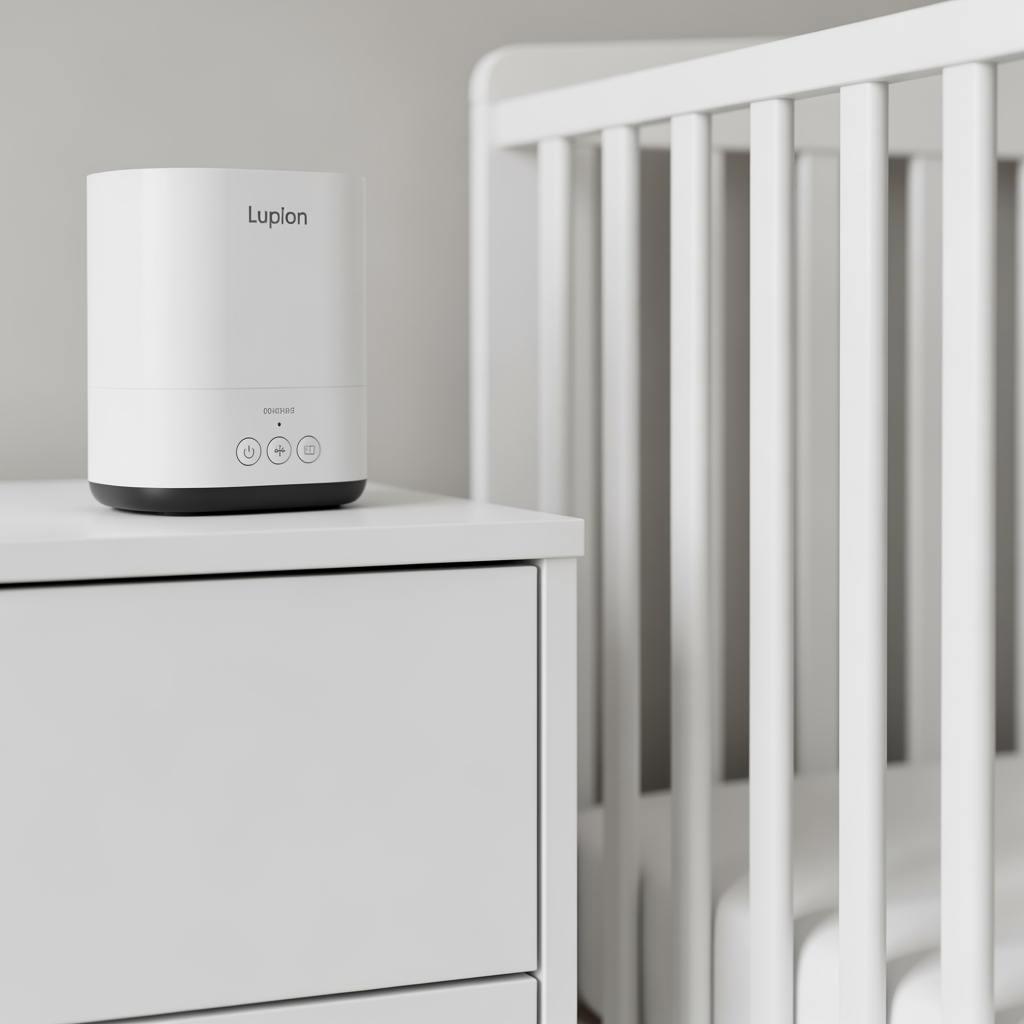
This is where continuous white noise comes in. White noise is a sound that contains all frequencies at equal intensity. It creates a blanket of sound that mimics the womb environment. This has two major benefits. First, it helps calm and relax your baby. Second, it masks other disruptive household noises. A dog barking, a doorbell ringing, or a sibling shouting can easily wake a sleeping baby. White noise helps to drown out these sudden sounds. This allows your baby to connect sleep cycles more easily, leading to longer stretches of sleep.
The results are scientifically verified. A landmark study from 1990 showed the power of white noise. In the study, 80% of newborns fell asleep within five minutes while listening to white noise. In the control group without white noise, only 25% fell asleep in the same amount of time. This shows a clear link between the right kind of sound and faster sleep onset. For parents struggling with a baby who fights sleep, this can be a game-changer. The key is to create the perfect sleep sanctuary by combining darkness with the right sound.
However, using a sound machine requires following safety guidelines. The sound should be consistent, not variable like music or nature sounds, which can be stimulating. The volume and placement are also critical for protecting your baby's developing hearing. Here is a simple, step-by-step process for setting up the sound environment correctly.
- Choose the Right Sound: Select a machine that produces deep, consistent 'white noise' like static or a rushing waterfall. Avoid sounds with variable patterns like music, ocean waves, or birds chirping. These can be stimulating to the brain and may prevent deep sleep.
- Position for Safety: Place the sound machine at least 7 feet away from your baby's crib. This distance is crucial to protect their delicate hearing. Never place the machine on the crib rail, inside the crib, or directly next to your baby's head.
- Set the Volume Correctly: Keep the volume at or below 50 decibels. This is roughly the loudness of a quiet conversation or a running shower. You can use a free decibel meter app on your phone to check the volume at the spot where your baby sleeps.
- Run it Continuously: For the best results, let the white noise run continuously through all naps and nighttime sleep. Many machines have timers, but an abrupt stop in sound can startle your baby awake. A continuous sound helps them transition smoothly between sleep cycles.
By following these steps, you can safely and effectively use white noise to improve your baby's sleep. It is a simple tool with proven benefits. It helps create a consistent and soothing environment that promotes longer, more restorative sleep, which is essential for your baby’s growth and development.
Pillar 3: Temperature Regulation for Safer, Deeper Sleep
The temperature of your baby's room is more than a matter of comfort. It is a critical factor for both safety and sleep quality. Experts, including the American Academy of Pediatrics, agree on an ideal temperature range. For a sleeping baby, the room should be kept between 68°F and 72°F (20-22°C). This cool range is important for several reasons. Most importantly, it helps reduce the risk of Sudden Infant Death Syndrome (SIDS). Overheating is a known risk factor for SIDS. A cool room helps prevent this danger.
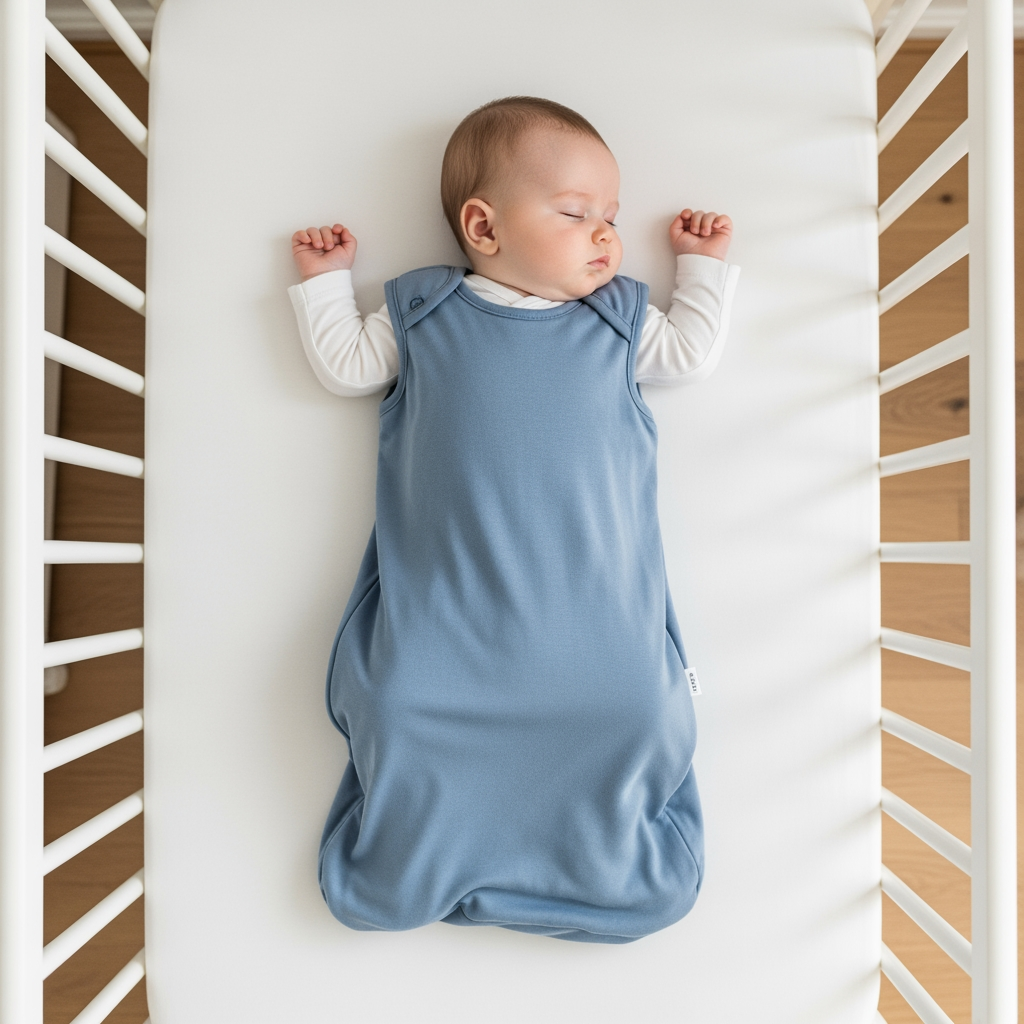
This temperature range also supports better sleep. To fall asleep and stay asleep, our core body temperature needs to drop slightly. This is true for adults and for babies. A cool room helps facilitate this natural drop in body temperature. Studies have shown that high ambient temperatures negatively impact infant sleep. Sleep becomes more fragmented, with more wakings and less total sleep time. A cool, comfortable environment promotes deeper, more consolidated sleep stages. This is because the baby's body does not have to work hard to regulate its temperature, a process known as thermoregulation. Infants are not yet efficient at this, which is why the room's temperature is so vital.
So, how can you ensure the room is at the right temperature and your baby is dressed correctly? It is not about feeling the air yourself, as your comfort level may differ. Using an indoor thermometer is the most reliable way to know the room's exact temperature. Once you know the temperature, you can dress your baby appropriately. A good rule of thumb is to dress your baby in one more layer than you would find comfortable. For safe warmth, always use a sleep sack or wearable blanket instead of loose blankets.
Here is a quick checklist to help you manage your baby's thermal environment safely:
- DO use a room thermometer to get an accurate reading of the temperature.
- DO dress your baby in breathable layers, like cotton or bamboo.
- DO use a sleep sack instead of a loose blanket to keep them warm safely.
- DON'T place the crib next to a radiator, heater, or in direct sunlight.
- DON'T cover the baby's head with a hat indoors, as they release heat through their head.
- DO check for signs of overheating by feeling the baby's neck or back; it should be warm, not sweaty or hot.
Maintaining a cool, stable temperature creates a sleep environment that is both safe and conducive to deep sleep. By monitoring the room and your baby's comfort, you can prevent overheating and help your baby achieve longer, more restful sleep periods.
Pillar 4: The Non-Negotiable Rules of a Safe Sleep Space (AAP Verified)
While darkness, sound, and temperature optimize sleep quality, safety is the absolute foundation of any infant sleep environment. These rules are not suggestions; they are evidence-based guidelines designed to protect your baby from sleep-related dangers, including SIDS. The American Academy of Pediatrics (AAP) has developed clear recommendations based on decades of research. Adhering to these guidelines is the most important thing you can do to ensure your baby sleeps safely.
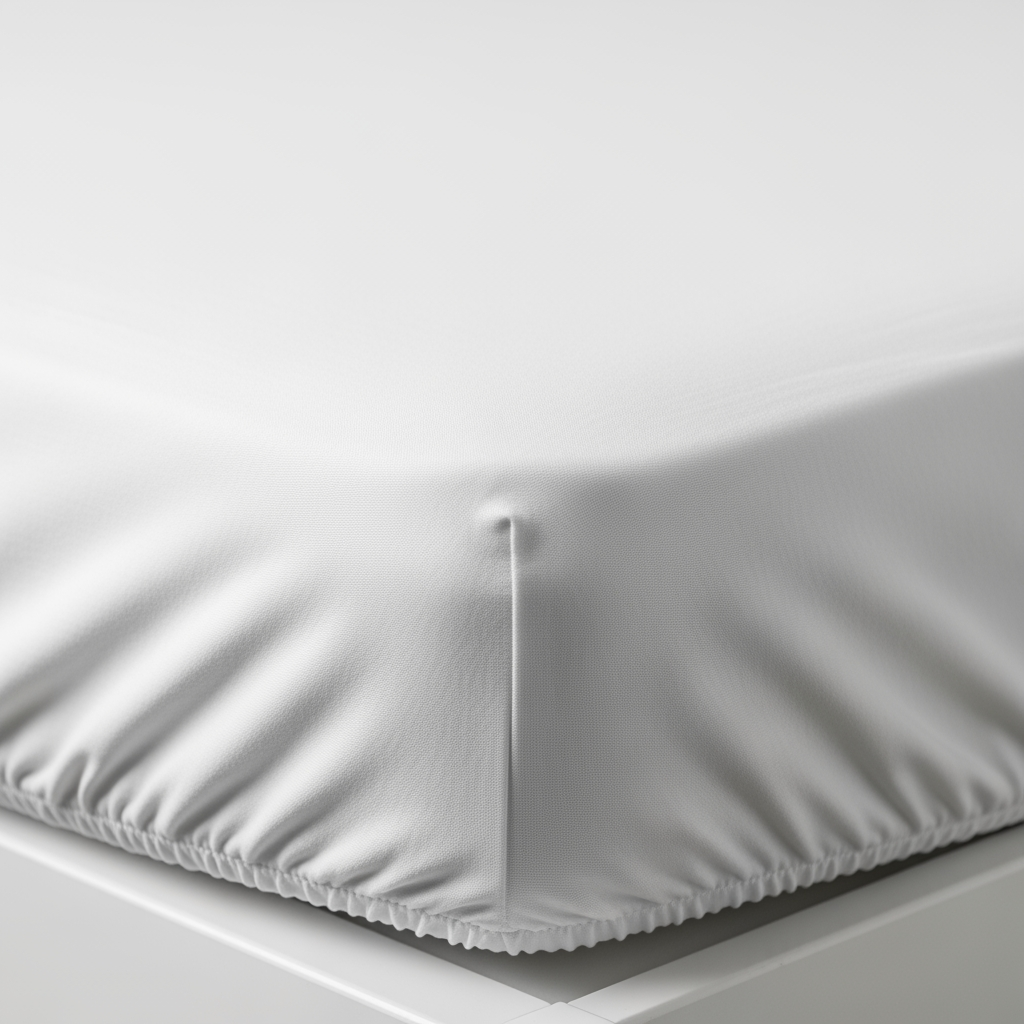
The core of these guidelines is often summarized as the ABCs of Safe Sleep. This simple acronym is easy to remember and covers the most critical aspects of a safe sleep setup. Following these rules for every sleep, including naps, is essential. In addition to the ABCs, the AAP also recommends room-sharing without bed-sharing for at least the first six months. Research shows this practice can reduce the risk of SIDS by as much as 50%. This means your baby sleeps in their own crib or bassinet in your room, close to you but on a separate surface. A comprehensive nursery safe sleep checklist for newborns can help you ensure every detail is covered.
Let's break down the ABCs of Safe Sleep. Understanding the 'why' behind each rule reinforces its importance. The table below explains what each guideline means and the verified result it achieves in keeping your baby safe.
| Guideline | What It Means | Verified Result (The "Why") |
|---|---|---|
| A – ALONE | Baby sleeps in their own space with no pillows, blankets, bumpers, or toys. | Reduces risk of suffocation, strangulation, and entrapment. |
| B – on their BACK | Baby is placed on their back for every sleep, including naps. | Keeps the airway open and clear. Back sleeping has dramatically reduced SIDS rates since the 90s. |
| C – in a CRIB | Baby sleeps on a firm, flat surface in a safety-approved crib, bassinet, or play yard. | A firm surface prevents the baby's head from sinking into a position that could obstruct breathing. |
These rules create a protective bubble for your baby during their most vulnerable time. While it may be tempting to add a soft blanket or a cute stuffed animal, these items pose real risks. A bare crib is a safe crib. By making these safety rules the non-negotiable part of your baby's sleep environment, you can rest easier knowing you have taken the most important steps to protect them.
Your Action Plan: Auditing and Optimizing Your Baby's Sleep Environment
You now have the scientific evidence behind an optimal infant sleep environment. You know that a dark, cool, and quiet space built on a foundation of safety is the key to better sleep. It is time to put this knowledge into action. This does not have to be an overwhelming process. You can start small and make changes one step at a time.
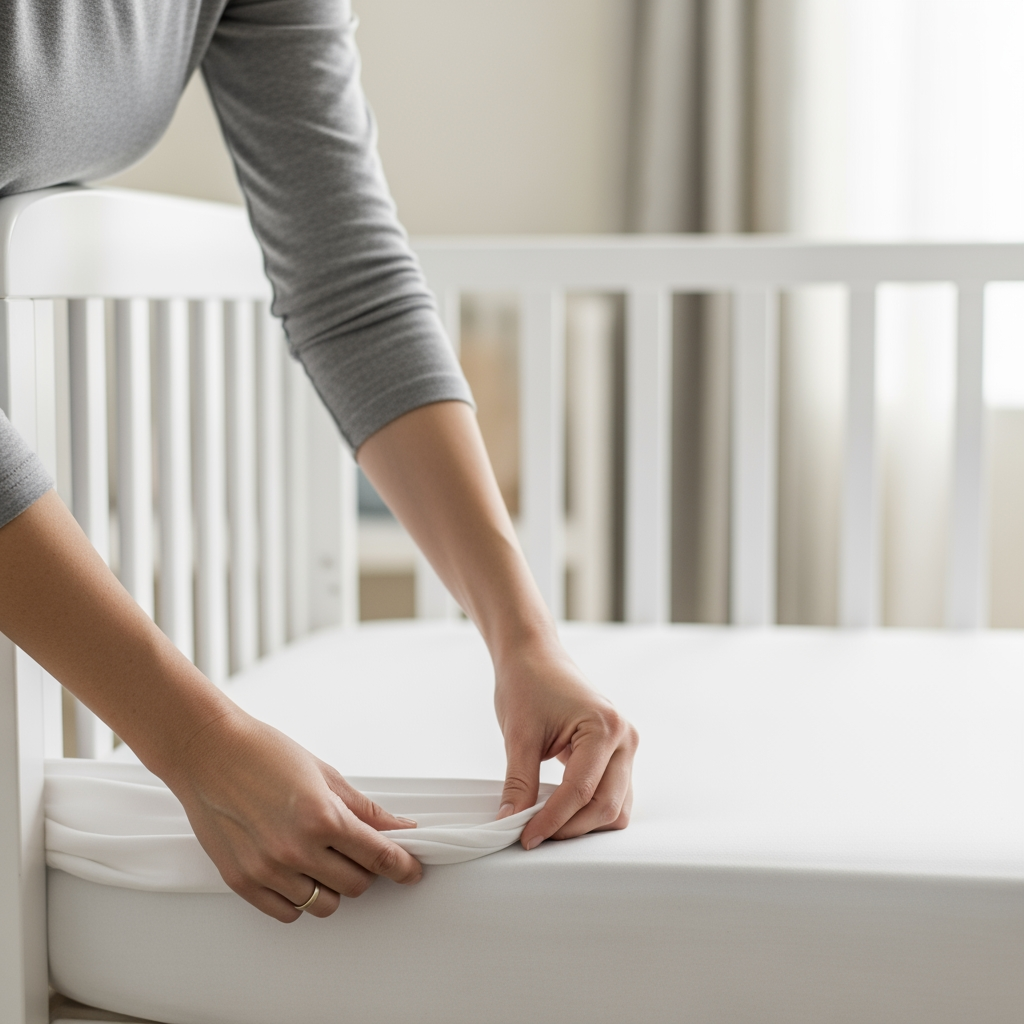
Start by auditing your baby's current sleep space. Tonight, go into their room and look for light leaks. Is it truly pitch-black? Check the thermostat. Is the room consistently between 68-72°F? Listen for sounds. Could a white noise machine help mask household noise? Finally, look at the crib. Is it completely bare? Answering these questions gives you a clear starting point.
If it feels like too much to do at once, focus on one pillar first. For many parents, tackling darkness yields the quickest results. Once you have that in place, you can move on to sound or temperature. Consistency is the most important factor. The positive effects of this optimized environment will build over time as your baby's body learns and adapts to the strong sleep cues you have created. Remember to balance the darkness of sleep time with bright, natural light during wake windows. This contrast is what truly sets their internal clock. By taking these deliberate, evidence-based steps, you are giving your baby an incredible gift: the foundation for a lifetime of healthy sleep habits.