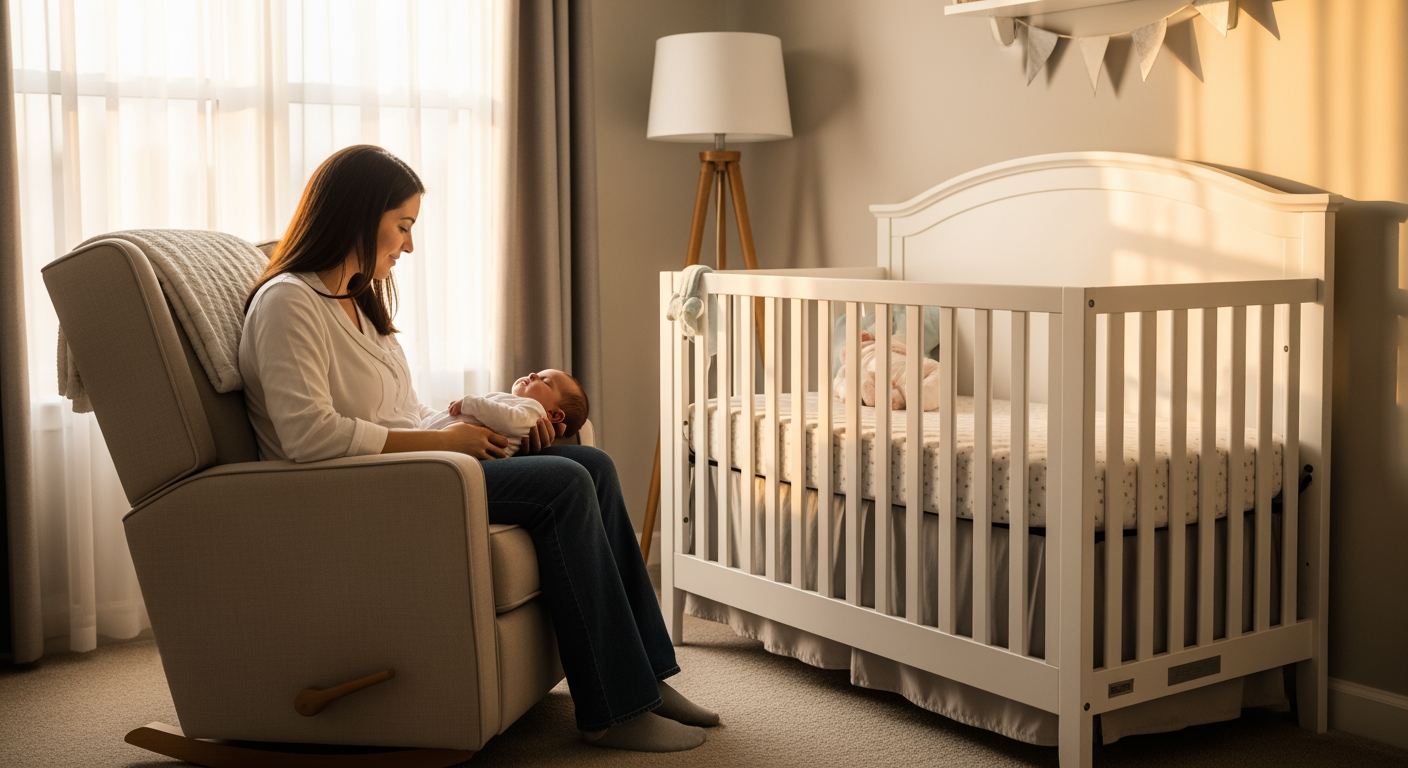
It is 3 AM. The house is quiet, but you are wide awake. You are not alone. Millions of parents share this experience every night. You hold your baby, feeling exhausted and overwhelmed. You have searched online for answers. The advice is confusing and often conflicting. One site says to let your baby cry. Another says you must never let them cry. This leaves you feeling lost and stressed.
You want your baby to sleep well. You also want to be a responsive and loving parent. It feels like you have to choose between your sanity and your parenting values. But what if there was another way? A path that helps your baby learn to sleep independently while you provide comfort and support. This is the promise of a gentle sleep program. It offers a structured plan without asking you to leave your baby alone.
This article will explore the world of gentle sleep program memberships. We will explain what they are and how they work. You will learn about the methods they teach and the support they provide. By the end, you will understand if this modern, supportive approach is the solution you have been searching for during those long, sleepless nights.
What "Gentle Sleep Training" Actually Means in 2026
The term "sleep training" can be scary for many parents. It often brings to mind images of leaving a baby to cry alone. However, gentle sleep training is a very different philosophy. It is a gradual and responsive approach. The main goal is to teach your baby valuable self-soothing skills. This helps them fall asleep on their own, both at bedtime and during night wakings. The key difference is that you, the parent, are always there to provide comfort and reassurance. Your baby is never abandoned to figure things out alone.

A common myth is that "gentle" means "no crying." This is not accurate. Crying is a baby's primary way to communicate. When you change a routine, your baby may protest by crying. It is their way of saying, "This is new, and I'm not sure about it." In a gentle approach, you respond to that cry. You offer physical touch and soothing words. You show them they are safe and loved. The goal is not to prevent all crying, but to support your baby through it.
Think of it like teaching a child to ride a bike. You would not just give them a bike and walk away. You would use training wheels. You would hold the back of the seat. You would run alongside them, offering encouragement. Gentle sleep training works the same way. You provide support as your baby learns a new skill. Over time, as they gain confidence, you slowly reduce your support. You raise the training wheels, but you never leave their side completely until they are ready. This process honors the parent-child connection. It builds trust while also building healthy sleep habits.
The core principle is putting your baby down "drowsy but awake." This small step is a huge leap for your baby. It gives them the chance to practice falling asleep without being rocked, fed, or held to sleep. These are called sleep associations. A gentle program helps you swap these unsustainable associations for a new one: your baby's own ability to self-settle. This is a skill that will last a lifetime. The process is based on responsive parenting. It respects your baby's developmental stage and unique temperament.
Modern programs focus on what works for each family. They do not demand that you stop contact napping or nursing to sleep if you enjoy it. Instead, they help you build a flexible framework. You only change what is no longer working for you or your baby. It is a holistic approach to sleep. It considers the baby's needs, the parents' well-being, and the family's goals. This focus on flexibility and responsiveness is what makes gentle methods so appealing to parents in 2026. Understanding the science behind these approaches is also crucial. Many evidence-based baby sleep programs rely on proven behavioral science to ensure they are effective and safe for infant development. The goal is to improve sleep for everyone without causing distress.
The Methods: A Toolkit for Gentle Sleep, Not a Rigid Rulebook
A gentle sleep program membership does not give you a single, rigid set of rules. Instead, it provides a toolkit of different methods. Every baby has a unique temperament. What works for one may not work for another. Some babies are soothed by parental presence, while others find it stimulating. Having a variety of tools allows you to find the right fit for your child and your family. It empowers you to adapt your approach as your baby's needs change. This flexibility is a key advantage over one-size-fits-all sleep plans.
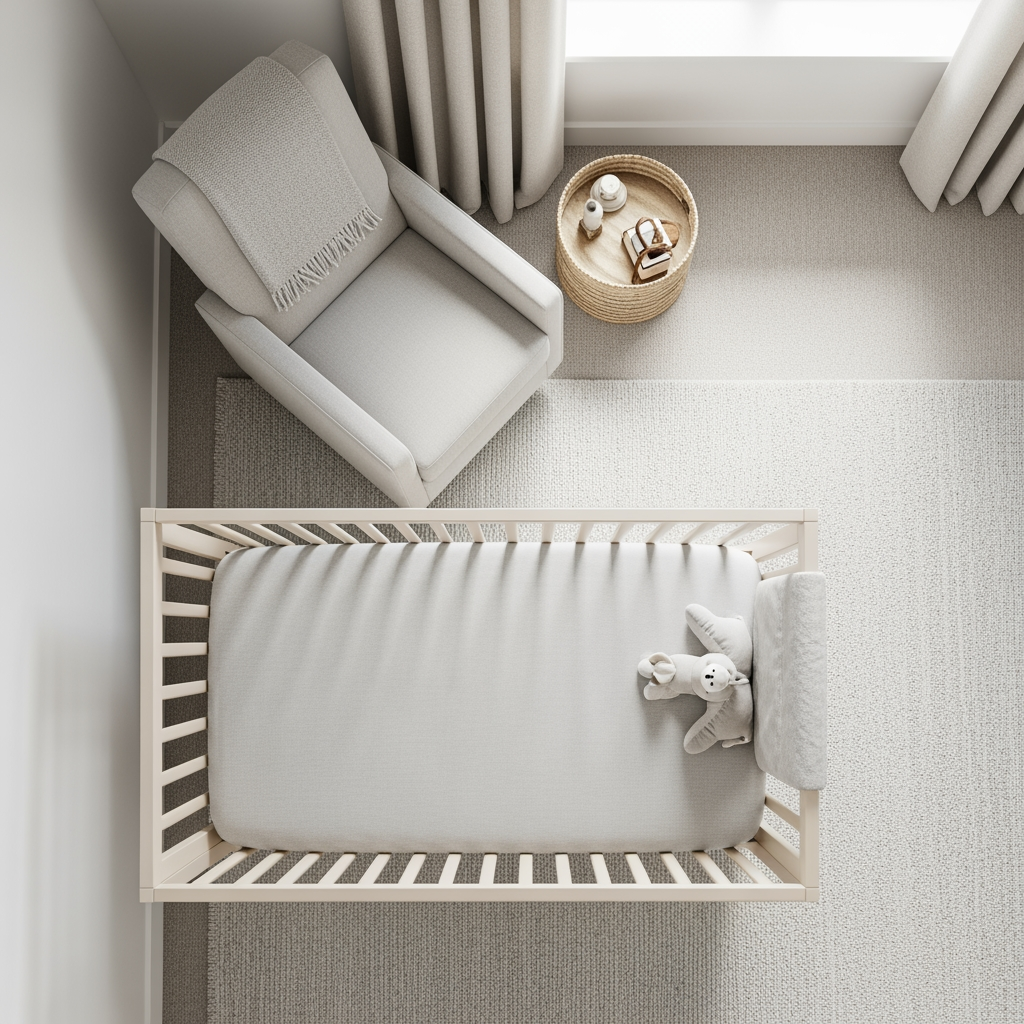
The goal is to choose a method that feels sustainable for you. Consistency is the most important factor in success. If a method feels too exhausting or emotionally draining, you are less likely to stick with it. A good program will teach you several techniques. It will also guide you on how to choose the best one for your situation. Below is a comparison of some of the most common gentle methods you will find in a program. It is helpful to review a no-cry sleep methods comparison to understand the nuances of each approach before you start. This table gives a brief overview of what to expect.
| Method | Core Action | Best For Ages | What to Expect |
|---|---|---|---|
| The Chair Method | Parent sits in a chair next to the crib, moving it further away every few nights until out of the room. | 4+ months | Takes patience (up to 3 weeks). Can be confusing for some babies who see you but can't be picked up. |
| Pick-Up/Put-Down | Pick up and comfort your baby when they cry, then put them back in the crib once calm. Repeat as needed. | 4-8 months | Can be physically exhausting for parents and overstimulating for some babies. Requires extreme patience. |
| Fading / Gradual Retreat | Gradually do less of the "work" to get your baby to sleep each night (e.g., rock for less time, pat more softly). | 6+ months | A very gradual and low-stress approach, but requires careful tracking and consistency from parents. |
| Shush/Pat | Comforting the baby with rhythmic shushing and patting while they remain in their crib, without picking them up. | 0-6 months | Excellent for breaking feed-to-sleep associations and for younger infants who are still easily soothed by sound and touch. |
Seeing these methods laid out can help you start to think about what might work for your family. The Chair Method, for example, offers a lot of parental presence, which can be reassuring. However, it requires a lot of patience. Pick-Up/Put-Down is very interactive but can become overstimulating for some babies and physically demanding for parents. The Fading method is extremely gradual and low-stress but demands high levels of consistency and tracking from parents. Shush/Pat is a wonderful tool for younger babies who still respond well to simple, rhythmic comfort. An expert-led program will help you not only choose a starting point but also know when to switch methods if one is not proving effective for your baby's temperament.
Why a Membership Beats a Book: The 3 Pillars of a Modern Sleep Program
You can find information about gentle sleep methods in books or on blogs. So why should you consider a membership? The answer lies in the delivery system. A membership is not just static information. It is a dynamic, supportive ecosystem designed to help you succeed. It bridges the gap between confusing free advice and very expensive one-on-one consulting. The value of a modern gentle sleep program membership rests on three essential pillars: a step-by-step plan, expert access, and ongoing support. Together, these pillars create a comprehensive solution that adapts with your family.

Pillar 1: The Step-by-Step Plan (The 'What')
The first pillar is the structured curriculum. A book can give you a general idea, but a membership provides a clear, actionable roadmap. It tells you what to do and when to do it. This removes the guesswork and anxiety that come with trying to piece together a plan from multiple sources. Sleep needs change quickly in the first few years of life. A good program will offer age-specific content, ensuring the advice you get is right for your baby's current developmental stage. You are not left wondering if a technique is appropriate for your four-month-old or your toddler. This clarity is a huge relief for tired parents.
This structured plan typically includes a variety of resources designed for easy use. You are not just reading pages of text. You are engaging with content that makes learning simple and direct. These materials are your foundation for building healthy sleep habits.
- Age-specific video courses (e.g., 4-6 months, 7-12 months, etc.) that you can watch on your own time.
- Checklists for creating a sleep-conducive environment, covering light, sound, and temperature.
- Step-by-step guides for methods like the Chair Method or Fading, so you know exactly what to do each night.
This structured approach builds your confidence. You have a clear plan to follow, which helps you stay consistent even when you are tired. It is the blueprint for your journey to better sleep.
Pillar 2: Expert Access & Personalization (The 'How')
This is where a membership truly shines. No matter how good a plan is, you will have questions. Your baby is unique, and your situation will not perfectly match the examples. This pillar gives you access to certified sleep consultants who can provide personalized advice. It is the perfect middle ground. You get expert guidance without the high cost of a dedicated private consultant. A single 1:1 consultation can cost hundreds of dollars. A membership often provides months of access to experts for a similar price.
This access comes in several forms, allowing you to get help in a way that fits your schedule and comfort level. When deciding between a sleep subscription vs. a course, the level of expert access is often the deciding factor. A subscription model is built around this ongoing support.
- Weekly or monthly live Q&A calls with certified sleep consultants where you can ask your specific questions.
- Private online communities (like a Facebook Group) for 24/7 support from both experts and peers.
- Options to add a 1:1 call for a supplemental fee if you get stuck and need more intensive help.
This personalization is critical. If the Chair Method makes your baby more upset, an expert can help you pivot to the Fading method. If you and your partner disagree on the approach, a consultant can provide data and tools to get you aligned. This support ensures you can adapt the plan to fit your baby, not the other way around.
Pillar 3: Ongoing Support & Community (The 'Why')
Baby sleep is not a problem you solve just once. It is a journey with many twists and turns. This is why ongoing support is the third, crucial pillar. Just when you think you have it all figured out, a sleep regression hits. Or your baby starts teething. Or it is time to transition from two naps to one. A static book or a one-time course leaves you on your own to handle these challenges. A membership is designed to support you through them.
The feeling of being alone in your struggles can be one of the hardest parts of parenting. A membership connects you with a community of parents who are in the exact same boat. This peer support is incredibly powerful. It provides validation, encouragement, and practical tips from people who truly get it. This sense of community is vital for your mental health and your ability to stay consistent with your plan.
- A library of resources on specific issues (e.g., "Handling the 8-month regression," "Dropping to one nap").
- A community of parents going through the exact same thing, providing peer support and motivation.
- Emotional support and validation that your well-being matters, too. You cannot pour from an empty cup.
This ongoing support system is the safety net that makes a gentle sleep journey successful in the long term. It acknowledges that sleep is dynamic and provides the tools and community to navigate every new phase with confidence.
Making Your Decision: Is a Gentle Sleep Membership Right for You?
Choosing how to approach your baby's sleep is a big decision. A gentle sleep program membership offers a unique combination of structure, expert guidance, and community support. It is designed for parents who want to teach their baby healthy sleep skills in a responsive, loving way. It is for those who understand that sleep is a journey, not a one-time fix. For a monthly fee, often less than the cost of a single night of takeout, you get a clear plan and a team of experts in your corner.

This approach is not for everyone. It takes time and consistency, often 2-3 weeks or more to see significant progress. But for families committed to a gentle path, it provides the tools and confidence needed to succeed. If the following points resonate with you, a membership could be the perfect fit.
- You believe in a responsive approach but feel lost in the "how-to."
- You feel overwhelmed by conflicting advice and want one trusted source.
- You want expert guidance but can't justify the cost of a full-time private consultant.
- You understand sleep is an ongoing journey and want support through future regressions and transitions.
- You crave a community of parents who "get it."
If you nodded along to this list, it is time to take the next step. You do not have to navigate this journey alone. Explore age-based, personalized sleep plans and membership options to get the step-by-step guidance and support your family deserves tonight.