You are tired. You want to teach your baby healthy sleep habits. But the idea of leaving your child to cry alone feels wrong. This struggle is common for so many parents. You know your baby needs to learn to fall asleep on their own. Yet, you also want to be a responsive and loving parent. This can feel like an impossible choice.
You may have heard about "gentle" sleep training methods. These promise a middle ground. Two of the most popular are the Pick Up Put Down method and the Chair Method. They offer a way to support your child while they learn. But the names can be confusing. The steps can seem unclear. How do you know which one is right for your family?
This guide will clear up the confusion. We will directly compare Pick Up Put Down and the Chair Method. We will look at how each one works. We will explore who they work best for. This guide will help you choose based on your baby's unique personality. It will also help you consider your own needs. By the end, you will have a clear plan to move forward with confidence in 2026.
The Core Conflict: Physical Comfort vs. Reassuring Presence
At the heart of this decision is a simple question. What kind of support does your baby need most? Do they need physical touch to calm down? Or do they just need to know you are nearby? The Pick Up Put Down and Chair methods offer two very different answers to this question. Understanding this core conflict is the first step in making the right choice for your family. One method focuses on active, hands-on soothing. The other focuses on quiet, steady reassurance from a distance.
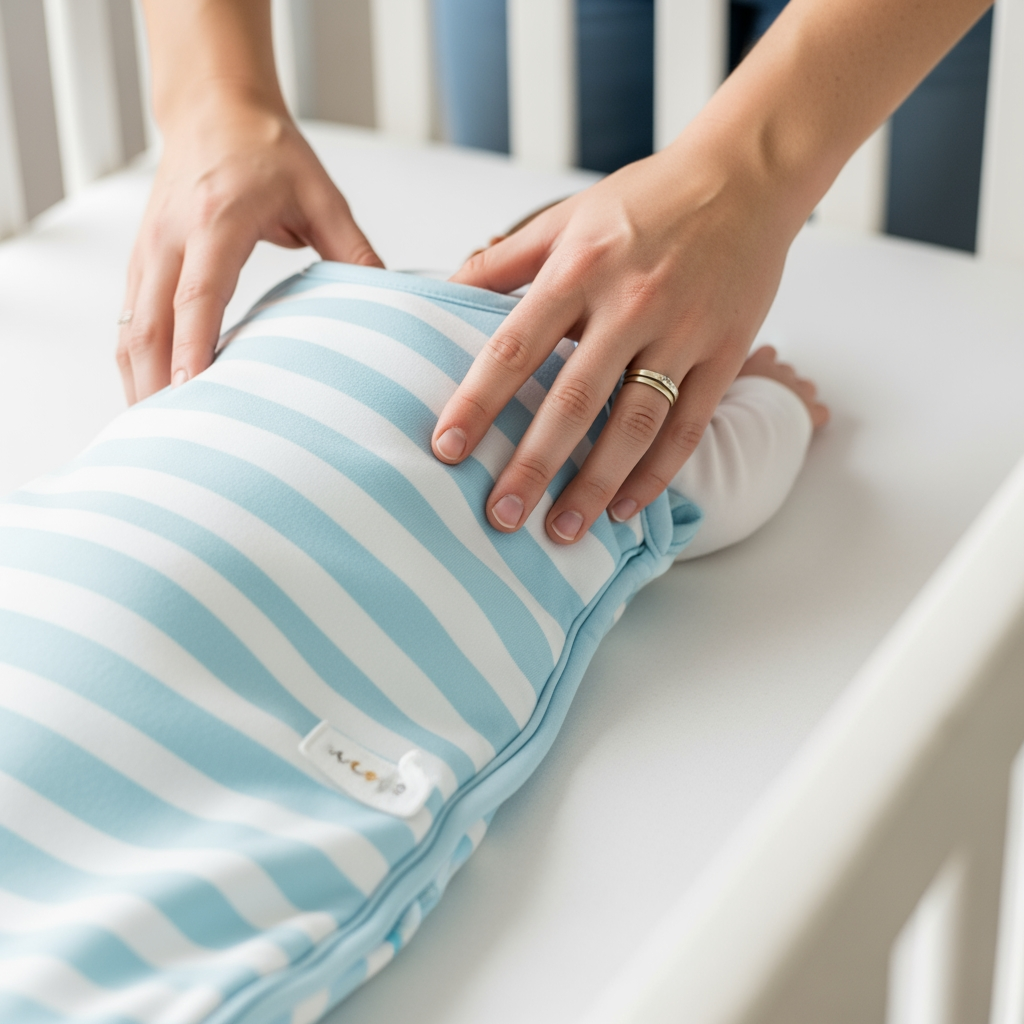
The Pick Up Put Down (PUPD) method is a high-involvement approach. It was made popular by sleep expert Tracy Hogg. The idea is to be highly responsive to your baby's cries. When your baby cries in the crib, you pick them up. You comfort them until they are calm. Then, you place them back in the crib while they are still awake. If they cry again, you repeat the process. This cycle continues until your baby falls asleep in the crib. Think of it like a dance. You lead by putting your baby down to sleep. You quickly step in for a supportive lift when they cry. Then you guide them back to the starting position to try again. The goal is for them to learn the final step on their own.
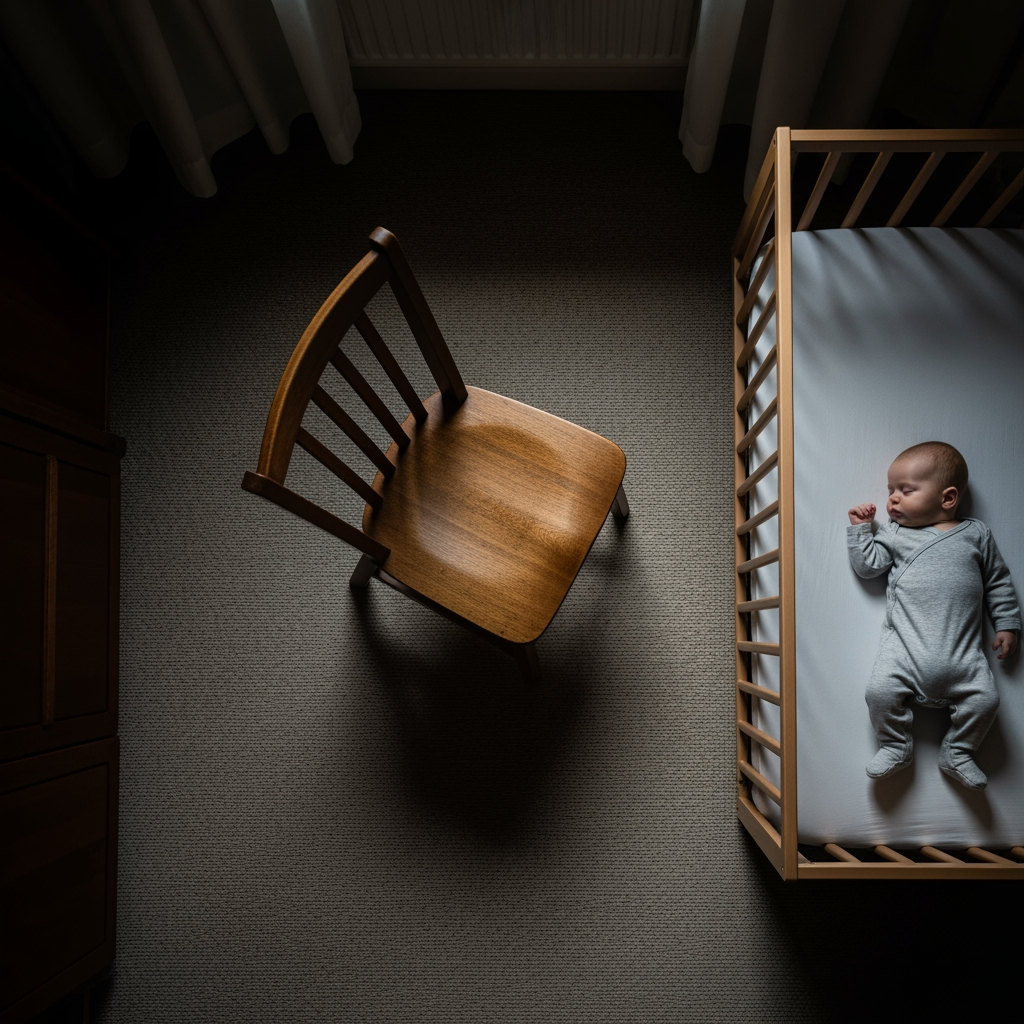
The Chair Method offers a different philosophy. It is also known as the "Sleep Lady Shuffle," created by Kim West. This method is about gradual withdrawal. You start by placing a chair right next to your baby's crib. You sit in the chair as your baby falls asleep. You can offer verbal reassurance and minimal touch. You are not supposed to pick your baby up. Your presence alone is the comfort. Every few nights, you move the chair a little further from the crib. You move it towards the door, and eventually, out of the room. This method is like being a quiet security guard. You are visibly there to show everything is safe. But you are not interacting directly. Each night, you move your post further away until you are out of the room. Your baby learns to feel secure sleeping on their own.
Choosing between these two is about more than just the steps. It is about understanding your baby's temperament. Some babies find the constant lifting of PUPD overstimulating. It is too much activity when they need to wind down. For these babies, the quiet presence of the Chair Method may be more effective. Other babies feel more frustrated seeing a parent who will not pick them up. For them, the physical comfort of PUPD might be necessary to calm their anxiety. Your own personality matters, too. Do you have the physical energy for dozens of pick-ups? Or do you have the mental patience to sit quietly in a dark room for hours? There is no right or wrong answer, only what is right for you.
Method Breakdown: A Side-by-Side Comparison
To make a clear choice, you need to see the details. A side-by-side comparison can help you weigh the pros and cons. Sleep-deprived parents need information that is easy to understand. This table breaks down the key differences between Pick Up Put Down and the Chair Method. Look at each feature and think about how it would fit into your life and with your baby's needs.
| Feature | Pick Up Put Down (PUPD) | The Chair Method |
|---|---|---|
| Primary Action | Pick baby up to calm, put down awake. | Sit in a chair, moving it further away every few nights. |
| Physical Contact | High (constant picking up and holding). | Low (minimal patting, no pick-ups). |
| Best Age Range | 4-8 months. Can be less effective for older, mobile babies. | 6 months+, adaptable for toddlers. |
| Typical Duration | 2-6 weeks; can be very long and repetitive. | 2-4 weeks; follows a more structured timeline. |
| Biggest Pro | Feels highly responsive; you're actively comforting your baby. | Baby is reassured by your presence; good for separation anxiety. |
| Biggest Con | Can be overstimulating for some babies and physically exhausting for parents. | Parent's presence can be agitating; requires high patience. |
The level of physical contact is a major difference. PUPD involves constant holding and lifting. This can be very reassuring for a baby who needs that physical connection. However, it can be physically draining for parents. Some nights may involve over 100 repetitions. The Chair Method, by contrast, is hands-off. This can be harder for parents who want to scoop their baby up. But it avoids the risk of overstimulation and creates a clear boundary.
Age is another critical factor. The PUPD method often works best for younger infants, between 4 and 8 months old. They are less likely to see the process as a game. For older, more mobile babies, PUPD can backfire. They may start crying just to get the fun 'up and down' ride. The Chair Method is more flexible. It can be effective for babies from 6 months of age all the way into the toddler years. For toddlers in a bed, the method can be adapted by sitting on the floor instead of a chair.
Consider the duration and your own patience. The Chair Method has a more predictable timeline. It typically takes two to four weeks. You follow a clear schedule of moving the chair. PUPD can be less predictable. It might take two weeks, or it could stretch to six weeks or more. The progress can feel very slow and repetitive. This can test a parent's resolve. The main benefit of PUPD is that it feels very responsive. You are actively helping your baby in their moment of distress. For the Chair Method, the big pro is its power against separation anxiety. Your baby learns you are there for them, even if you are not holding them. This builds their confidence to sleep alone.
When to Choose Which: Matching the Method to Your Family
There is no single 'best' gentle sleep training method. The best approach is the one that fits your baby's temperament and your parenting style. It must be a method you can follow consistently. Making the right choice means looking honestly at your child and yourself. Let's break down who each method is truly designed for. This will help you move from confusion to a confident decision.

Who Should Use the Pick Up Put Down Method?
The Pick Up Put Down method is a good choice for specific situations. It works well for parents who find it very hard to hear their baby cry without offering physical comfort. If your instinct is to immediately hold your baby, this method aligns with that feeling. It allows you to be responsive with touch. This method is often ideal for younger babies, particularly those in the 4 to 8-month age range. At this age, babies are often genuinely calmed by being held. Their distress is often a pure need for comfort, not a learned behavior. A detailed Pick Up Put Down guide can walk you through the exact steps. This method is also a fit for babies who have a more easy-going temperament. They calm quickly in your arms and do not get too worked up by the transition back to the crib. However, PUPD is a poor fit for babies who are easily stimulated. For these infants, the constant up-and-down motion is like trying to sleep at a disco. It's too much action. They may become more agitated, not less. It is also physically demanding on the parent. You must be prepared for long nights and many repetitions.
Who Should Use the Chair Method?
The Chair Method suits a different type of baby and parent. It is ideal for babies who get agitated by too much interaction. If you notice your baby calms down a bit when you step back, this could be a sign. They may find your quiet, steady presence more soothing than being held. This method is a strong choice for older babies, from six months and up, and even toddlers. They can understand that you are in the room, which helps with separation anxiety. A step-by-step guide to the Chair Method can provide a clear timeline for moving the chair. This method is also great for parents who prefer a structured plan. You know exactly what to do each night. This can reduce anxiety for parents who like clear rules. You need to have the patience to sit still in a dark room for a long time. You must resist the urge to intervene more. This method requires mental fortitude more than physical strength. It is not a good fit for parents who feel they must physically soothe their child, as the core rule is to not pick the baby up.
The 2026 Scientific Consensus You Need to Hear
Parents often worry if sleep training will harm their child. This fear can make choosing a method very stressful. Thankfully, modern science offers some reassurance. A major 2023 systematic review published in the journal *Pediatrics* looked at many studies on sleep training. The researchers found that structured sleep training methods are effective. More importantly, they found no evidence of long-term emotional harm to children. This is a powerful finding. It means that teaching your baby to sleep is a safe and healthy goal.
The review highlighted something even more important. The biggest factors for success were not related to the specific method chosen. Instead, success depended on parental consistency and the parents' own mental well-being. A sleep-deprived, stressed parent struggles to be consistent. This means the 'best' method is the one that you, the parent, can stick with. It is the one that feels sustainable for your family's emotional and physical health. This scientific consensus gives you permission. You can release the guilt and pressure to find one 'perfect' method. Instead, you can focus on choosing the method that works for you and applying it with confidence and consistency.
Troubleshooting: When "Gentle" Methods Fail (And What to Do Next)
Even with the best plan, sleep training can be challenging. Sometimes, a method that seems perfect on paper does not work in reality. This is normal. The key is to recognize when something is not working and know how to adjust. Being prepared for common problems will help you stay calm and consistent. Instead of giving up, you can pivot to a better approach. This section covers the most common failure points for both methods and gives you clear, actionable solutions.

Problem: PUPD Has Become an Overstimulating Game
You have been trying Pick Up Put Down for a week. Your baby, who is 9 months old, now seems to cry harder and faster. The moment you put them down, they scream. They calm instantly in your arms but wail the second their back touches the mattress. The process goes on for hours. If this sounds familiar, PUPD has likely become counterproductive. For an older baby, the constant picking up can turn into a stimulating game. They are no longer crying for comfort. They are crying for the 'reward' of being picked up. They have learned that crying gets them action and attention.
The solution here is to change the game. You need to switch to a method with less physical interaction. This removes the reward. Moving to the Chair Method is a logical next step. Your baby will still have the reassurance of your presence. But they will no longer get the 'prize' of being held. This change will likely lead to some protest crying. Your baby will be confused at first. But by removing the stimulation, you create a calmer environment where they can finally learn to wind down and teach your baby to self-soothe. It is a necessary pivot when PUPD stops working.
Problem: My Presence with the Chair Method Makes Crying Worse
You chose the Chair Method because your baby seems easily stimulated. But now, when you sit in the chair, your baby stands up in the crib. They watch you and cry even harder. Your presence is not calming. It seems to be making them more angry and frustrated. This is a common issue for some babies. For them, seeing a parent who is present but not helping is more frustrating than being alone. It is like showing them a toy they cannot have. The visual reminder of you is a constant source of agitation.
First, try some simple adjustments. Make sure the room is very dark so you are less visible. Avoid all eye contact. Do not talk to the baby. Be as boring as possible. If this does not help after a couple of nights, your presence itself may be the problem. In this case, you may need to pivot to a method that involves leaving the room. This does not mean you have to use a full 'cry-it-out' approach. You could use a method with timed checks, like the Ferber method. Leaving the room and returning for brief checks may be less stimulating for your baby than your constant presence.
The "Hybrid" Approach: A Realistic Compromise
The rules of sleep training can feel very rigid. But parenting in the real world is often about flexibility. You do not have to choose one method and stick to it no matter what. A hybrid approach can be a practical and effective compromise. This strategy allows you to combine the best parts of both methods. It gives you a clear plan but also a safety valve for moments of extreme distress. This can make the entire process feel more manageable for you and your baby.
Here is how it works. You can use the Chair Method as your primary strategy. Your goal is to not pick the baby up. However, you create a specific rule for emergencies. For example, you might decide: 'If the baby cries hysterically for 15 minutes straight, I will pick them up once for an emergency reset.' You pick them up, calm them completely, and then put them back in the crib and return to your chair. The key is to define this rule *before* you start. It should be a rare event, not a regular response. This prevents you from making emotional decisions at 2 a.m. It provides a way to handle intense crying without abandoning your entire sleep training plan.
Making Your Decision: Your 3-Step Action Plan
You now have the information to move forward. The goal is not to find a magic solution, but to make an informed choice you can commit to. Follow these three steps to create your action plan and start your journey toward better sleep for your whole family.

- Assess Your Baby & Yourself. Take a moment for honest reflection. Is your baby generally calmed by touch, or do they get overstimulated easily? What about you? Do you have the physical stamina for many nights of lifting? Or do you have the mental patience to sit quietly for hours? Match the method's demands to your family's reality.
- Commit for Two Weeks. Inconsistency is the number one reason sleep training fails. Whichever method or hybrid approach you choose, commit to it 100% for at least two weeks. Progress is not a straight line. There will be good nights and bad nights. Pushing through the tough moments is crucial for your baby to learn the new skill.
- Define Your "Pivot" Plan. Before the first night, decide what you will do if your chosen method is clearly not working. Write it down. For example: "If after five nights of PUPD, my baby is more stimulated and taking longer to fall asleep, we will switch to the Chair Method." Having a backup plan prevents you from giving up entirely when you are exhausted and emotional.
Choosing a path and preparing for challenges is half the battle. You are equipped to make a great decision for your family. Trust your instincts, be consistent, and remember that you are giving your child the wonderful gift of independent sleep.