It is one of the most stressful times for any parent. Your baby is sick, miserable, and cannot get comfortable enough to sleep. You feel their feverish heat against your skin during a rare quiet moment. You hear their congested breathing from the next room. This situation leaves you feeling exhausted, worried, and full of doubt. Are you doing the right thing? Is their breathing okay? When should you really worry?
Navigating an infant's illness, especially during flu season, is incredibly challenging. The need to provide comfort often feels at odds with strict safety rules. Your own sleep deprivation makes every decision feel monumental. It is hard to know what is normal and what is an emergency. The anxiety can feel overwhelming, but you are not alone in this experience.
This guide provides clear, safe, and actionable advice. We will help you understand the difference between the flu and a cold. We will cover the non-negotiable rules for safe sleep when your baby is sick. You will learn practical ways to soothe them. Most importantly, you will get a clear guide on when to call the doctor versus when to seek emergency care. This will help you care for your baby with confidence.
First, Is It the Flu or Just a Cold?
When your baby starts sniffling and coughing, your first question is likely, "Is this a simple cold or the flu?" Knowing the difference is important. The flu, or influenza, can be more serious in infants and may need closer watch. A cold is typically milder and passes more quickly. The key difference often lies in how quickly the symptoms appear and how sick your baby seems overall.

Think of a common cold like a brief, local rain shower. It mainly affects your baby's nose and throat. Symptoms tend to show up slowly over a day or two. You might first notice a runny nose, then some sneezing, and maybe a mild cough. A fever is rare with a cold, or it might be very low-grade. Your baby may be fussy but will likely still have periods of playfulness. In contrast, the flu is like a sudden, intense thunderstorm that hits the whole body. It comes on fast, often within just a few hours. Your baby can go from happy to very sick in a short time. The flu brings a higher fever, body aches, and a level of exhaustion you do not see with a simple cold.
The table below offers a quick way to compare the typical symptoms. Use it as a general guide to understand what your baby might be experiencing. Remember, only a doctor can give a definite diagnosis. This comparison can help you communicate symptoms more clearly when you speak with your pediatrician.
| Symptom | Influenza (The Flu) | Common Cold |
|---|---|---|
| Onset | Sudden and Fast (within hours) | Gradual (over 1-2 days) |
| Fever | Common, often high (102°F+), lasts 3-4 days | Rare, or low-grade (especially in infants) |
| Aches & Chills | Common and often severe | Mild or absent |
| Fatigue | Extreme, can last for weeks | Mild, usually still able to play |
| Cough/Chest | Often a dry, more severe cough | Mild to moderate cough, stuffy nose |
| Other Signs | Can include vomiting or diarrhea | Primarily runny nose and sneezing |
The extreme fatigue associated with the flu is a major sign. Your baby may seem completely wiped out. They might sleep much more than usual or be too tired to feed properly. Body aches are also a key flu symptom. While your baby cannot tell you they ache, you might notice they cry when picked up or moved. They may also be extremely fussy and hard to console. If you see these more severe, full-body symptoms, especially with a sudden high fever, it is wise to suspect the flu and consult your doctor.
The Golden Rule: Safe Sleep is NON-NEGOTIABLE, Even When Sick
When your baby is congested and miserable, your first instinct is to do anything to help them breathe easier and sleep. You might be tempted to prop them up on a pillow or let them sleep in a car seat or swing. It is vital to resist this urge. The single most important rule is that safe sleep practices are non-negotiable, even when your baby is sick. In fact, a sick baby with breathing issues is at an even higher risk in an unsafe sleep environment.

The American Academy of Pediatrics (AAP) has clear, evidence-based guidelines. Their latest 2022 recommendations stress the ABCs of Safe Sleep for every sleep, every time, until a baby's first birthday. This is the foundation of protecting your infant. Let's break down what this means for your sick child.
A common myth is that elevating a congested baby's head helps them breathe. This is dangerous and incorrect. Imagine your baby's airway is like a flexible straw. When they lie flat on their back, the straw stays straight and open. This allows for the clearest breathing path. But when you place them on an incline, their head can slump forward. This chin-to-chest position can bend or pinch the straw, making it much harder to breathe. This risk of airway compression and suffocation is why no inclined sleep products are considered safe. Any product that inclines more than 10 degrees should not be used for infant sleep.
Following the ABCs of Safe Sleep provides the best protection. This is not just a list of suggestions; it is a set of rules based on decades of research. Sticking to these rules is the best way to show your love and keep your baby safe while they recover.
- A – ALONE: Your baby should have their own separate sleep space. This means no sharing a bed with parents, siblings, or pets. The crib or bassinet should also be empty. Remove all pillows, blankets, bumpers, and soft toys. These items pose a suffocation risk.
- B – BACK: Always place your baby on their back for sleep. This is true for naps and nighttime. Even with congestion, a baby's anatomy naturally protects their airway from choking on spit-up. The back position keeps the airway wide open.
- C – CRIB: The baby must sleep on a firm, flat surface. A certified crib, bassinet, or play yard is the right choice. The surface should only have a fitted sheet. A soft or inclined surface increases the risk of suffocation.
This means you must never let an infant sleep on a couch, an armchair, or in a device like a swing or rocker. While it is tempting to let them doze off wherever they finally get comfortable, you must move them to their crib. A complete nursery safe sleep checklist for newborns can help you ensure their primary sleep space is as safe as possible. These rules are your guideposts, especially on the hardest nights.
Soothing Strategies: 5 Ways to Comfort Your Sick Baby to Sleep
Knowing that safe sleep rules are firm doesn't make it easier to watch your baby struggle. The good news is there are many safe and effective ways to provide comfort. Your goal is to ease their symptoms so they can rest comfortably in their safe sleep space. These strategies focus on relieving congestion, managing discomfort, and providing emotional support. Trying a combination of these methods can make a big difference for your little one.
Remember that sick babies need more sleep to fight infection. It is okay to let them sleep more than usual. However, you must also ensure they stay hydrated. A good rule of thumb is to gently wake them for fluids if they sleep for more than 3-4 hours at a time during the day. At night, you can let them sleep longer stretches if your doctor agrees. Let's explore five safe ways you can help.
Clear Their Nasal Passages (Before Sleep & Feeds)
A stuffy nose is a major source of misery for a sick infant. Babies are "obligate nose breathers," meaning they breathe primarily through their nose. When it is blocked, they struggle to breathe, sleep, and eat. Clearing their nasal passages right before a feeding and before you put them down to sleep can provide immense relief. The best method is a two-step process. First, use a gentle saline spray or drops to loosen the thick, dry mucus inside their nose. This makes it much easier to remove.
After waiting a minute for the saline to work, use a nasal aspirator to gently suction out the mucus. A traditional bulb syringe works well. You can also find more modern aspirators that may be easier to use and clean. Be gentle and do not suction too frequently, as this can irritate the delicate lining of their nose. Performing this simple routine can create a clear airway, allowing your baby to drink their milk without gasping for air and to fall asleep more peacefully.
Create a Steam-Filled Environment
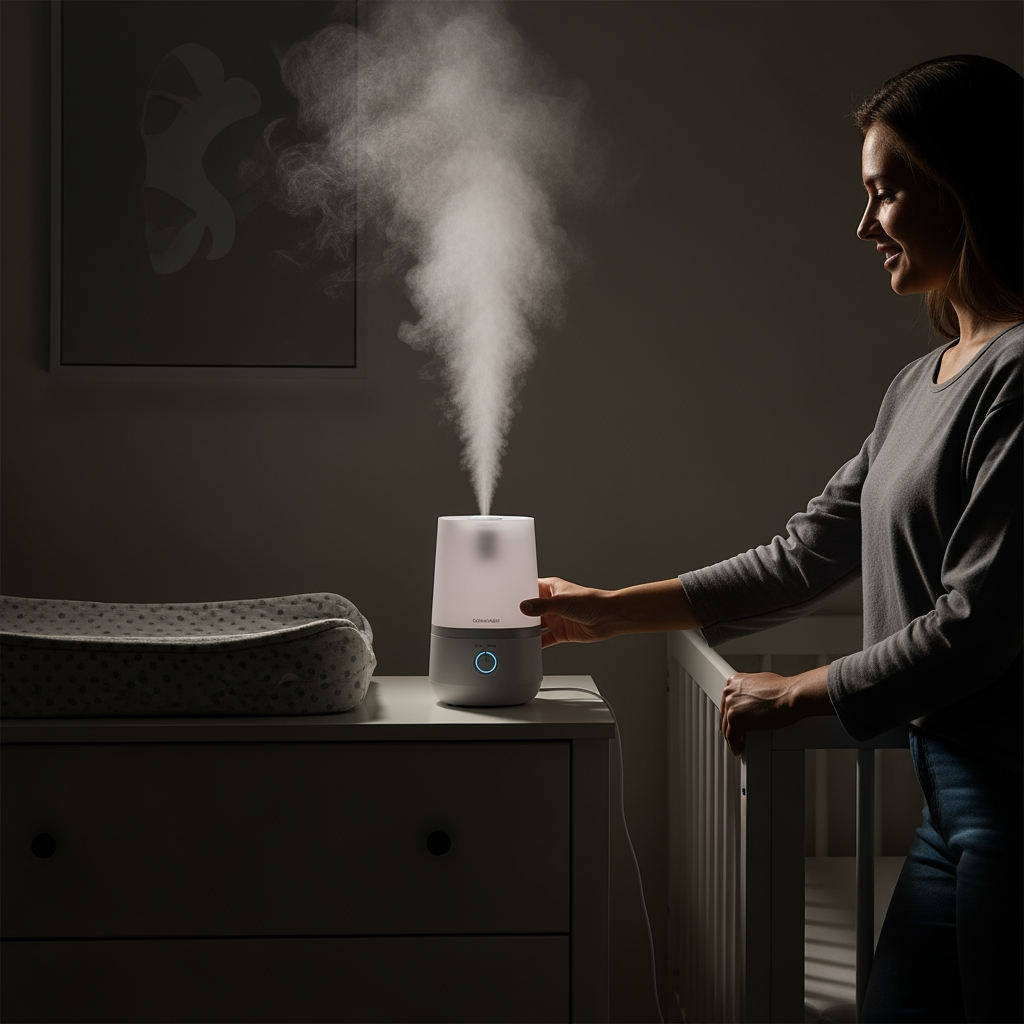
Moist air can work wonders for a cough and congestion. It helps to thin the mucus in the airways, making it easier for your baby to clear. A cool-mist humidifier is an excellent tool for this. Run one in the room where your baby sleeps. The added moisture in the air can soothe their irritated throat and nasal passages. For safety, place the humidifier out of your baby's reach to prevent any accidents. It is also crucial to clean it every day according to the manufacturer's instructions. A dirty humidifier can release mold or bacteria into the air, which would make things worse.
If you do not have a humidifier, you can create a personal steam room. Simply go into your bathroom, close the door, and run a hot shower. Sit in the steamy room with your baby for about 10 to 15 minutes. Do not put the baby in the hot water. Just holding them in the warm, moist air before bedtime can help loosen congestion. A proper baby room setup that is optimized for healing includes managing humidity alongside darkness and quiet.
Keep Them Hydrated
Hydration is essential when fighting any illness, especially the flu. Fluids help the body function properly and are critical for thinning out mucus. A well-hydrated baby will have looser congestion that is easier to clear. For babies under six months, breast milk or formula is all they need. Offer feeds more frequently, even if they are shorter than usual. Your baby may be too tired or congested to take a full feeding, so smaller, more frequent sips are key.
For babies over six months, you can continue to offer breast milk or formula as their primary source of hydration. You can also offer small amounts of water in a sippy cup between feedings. A key way to monitor hydration is by tracking wet diapers. A baby should have close to their normal number of wet diapers. If you notice significantly fewer wet diapers (e.g., fewer than six in 24 hours), it is a sign of dehydration and you should call your pediatrician.
Manage Fever (Under Doctor's Guidance)
A fever is a sign that your baby's immune system is working hard to fight the flu virus. While a fever itself is not harmful, it can make your baby very uncomfortable and fussy. This discomfort can make it impossible for them to sleep. If your baby is over three months old, your pediatrician may recommend a fever-reducing medication. These can include acetaminophen or ibuprofen (for babies over six months). It is critical to follow your doctor's advice on which medication to use and the correct dosage for your baby's weight.
You should never give aspirin to a child due to the risk of Reye's syndrome, a rare but serious condition. Also, avoid over-the-counter cold and cough medicines, as they are not safe for infants. If your baby has a fever but is sleeping peacefully, there is no need to wake them for medication. Let them get the restorative rest they need. You can give the next dose when they wake up naturally, as long as it aligns with the dosing schedule. Also, dress them in a single, lightweight layer of clothing to avoid overheating.
Offer Extra Comfort & Support
Illness is a time to be flexible with your sleep routines. While the rule of a separate, flat sleep space is firm, your approach to getting them there can be softer. Sick babies need extra comfort. Your calm and loving presence is one of the most powerful soothing tools you have. It is perfectly okay to offer more rocking, cuddling, and gentle back rubs to help your baby settle. Singing softly or just holding them close until they are drowsy can help ease their distress.
If you feel the need to be close to them throughout the night to monitor their breathing, do not bring them into your bed. Bed-sharing significantly increases the risk of sleep-related death. A much safer alternative is to room-share. You can move your baby's crib or bassinet into your room. Or, you can place a mattress on the floor of your baby's room to sleep near them. This keeps them in their safe space while allowing you to respond quickly and offer comfort when needed.
Red Alert: When to Call the Doctor vs. Go to the ER
One of the biggest sources of anxiety for parents is trying to decide how serious a symptom is. You might find yourself wondering, "Is this bad enough to call the doctor? Or should I go to the emergency room?" This uncertainty can be paralyzing. Having a clear framework can empower you to act confidently and get your child the right level of care at the right time. Trust your parental instinct. If you feel something is seriously wrong, it is always better to be cautious and seek medical help.

This guide separates symptoms into two categories: those that warrant a call to your pediatrician's office for advice, and those that are true emergencies requiring an immediate trip to the ER or a 911 call. A crucial rule for all parents: any fever of 100.4°F (38°C) or higher in an infant under three months old is a medical emergency. You should call your doctor or go to the ER immediately. For older babies, the height of the fever is less of a concern than their overall behavior and other symptoms.
Use the following table as your guide. It covers the most common areas of concern: fever, breathing, hydration, and behavior. Knowing these red flags will help you stay calm and make logical decisions during a stressful time.
| Symptom/Situation | Action: Call Pediatrician (Same Day) | Action: Go to Emergency Room / Call 911 |
|---|---|---|
| Fever | Any fever (100.4°F+) in baby < 3 months. Fever is repeatedly >104°F at any age. Fever lasts more than 24 hours in baby < 2 years. | Fever with a seizure, unresponsiveness, or stiff neck. |
| Breathing | Breathing seems faster than usual, but baby is comfortable. A cough that prevents sleep. | Difficulty breathing (nostrils flaring, ribs pulling in), pauses in breathing, bluish/gray lips or face. |
| Hydration | Fewer wet diapers than usual (e.g., < 6 in 24 hours). Refusing to feed for more than one or two feedings. | No tears when crying, sunken soft spot on head, no urination for 8+ hours. |
| Behavior | Unusually drowsy or fussy, but can be roused. Symptoms seem to be getting worse, not better, after 3-5 days. | Severe lethargy, difficult to wake up, seems confused or unresponsive. Inconsolable crying. |
| Worsening | A fever that went away returns a day or two later. | Any symptom that seems severe or is rapidly getting worse. Trust your parental instinct. |
Let's look closer at the emergency signs for breathing. "Difficulty breathing" can be subtle. Look for nostrils flaring out with each breath. Watch their chest and belly. If you see the skin sucking in between their ribs or at their neck with each breath (called retractions), they are working too hard to breathe. Any bluish or gray color around their lips, face, or nail beds is a sign they are not getting enough oxygen. These are all signs of respiratory distress that require immediate emergency care.
Getting Sleep Back on Track After the Flu
You survived the worst of it. The fever has broken, the congestion is clearing, and your baby is starting to smile again. But now you face a new challenge: their sleep is a mess. After a week of being held, rocked, and fed to sleep around the clock, they may now refuse to sleep in their crib. This is completely normal. It is a common side effect of illness, and you have not created a "bad habit" that cannot be fixed. Your baby just needed extra support, and you provided it.

The key is to wait until your baby is fully recovered before trying to get back to your old routine. A full recovery means they have been fever-free for at least 24 hours without medication. They should also be eating well and have a much-improved mood. Once you are there, you can start a gentle process to guide them back to independent sleep. This is not about sleep training; it is about re-establishing a familiar and comforting routine. A complete baby sleep reset can feel less daunting when broken down into simple steps. Patience and consistency will be your best friends during this transition.
- Re-establish the Bedtime Routine. On the first night you feel your baby is ready, go back to your consistent, calming bedtime routine. This might include a warm bath, changing into pajamas, reading a short story, and singing a lullaby. This sequence of events is a powerful sleep cue. It signals to your baby's brain and body that it is time to wind down for sleep. It communicates a sense of normalcy and predictability, which can be very reassuring after the chaos of being sick.
- Gradually Reduce Support. If you have been rocking or holding your baby completely to sleep, you will need to slowly reduce that support. On the first night, try putting them into the crib when they are very drowsy but still slightly awake. Stay by the crib and offer physical comfort. You can place a hand firmly on their chest or gently pat their back. The goal is to let them do the final step of falling asleep in their crib, with your reassuring presence nearby. Over the next few nights, you can gradually reduce your intervention. You might go from constant patting to just a hand on their chest, then to just standing beside the crib without touching.
- Be Patient & Consistent. It may take a few nights, or even a week, for your baby to get back to their baseline. There will likely be some protest. This is not because they have forgotten how to sleep, but because they are readjusting. Consistency from you is the most important factor. If you give in and rock them to sleep after 20 minutes of protest one night, they will learn to protest for 20 minutes. Stick with your gentle plan. Lovingly guide them back to their familiar, safe sleep space. Your calm confidence will show them that they are safe and capable of sleeping on their own again.
You have done an incredible job navigating a difficult time. Caring for a sick infant is one of the hardest parts of parenthood. Remember to prioritize safety, provide comfort, and trust your instincts. By following these steps, you can help your baby through the flu and gently guide them back to the restful sleep you both need.