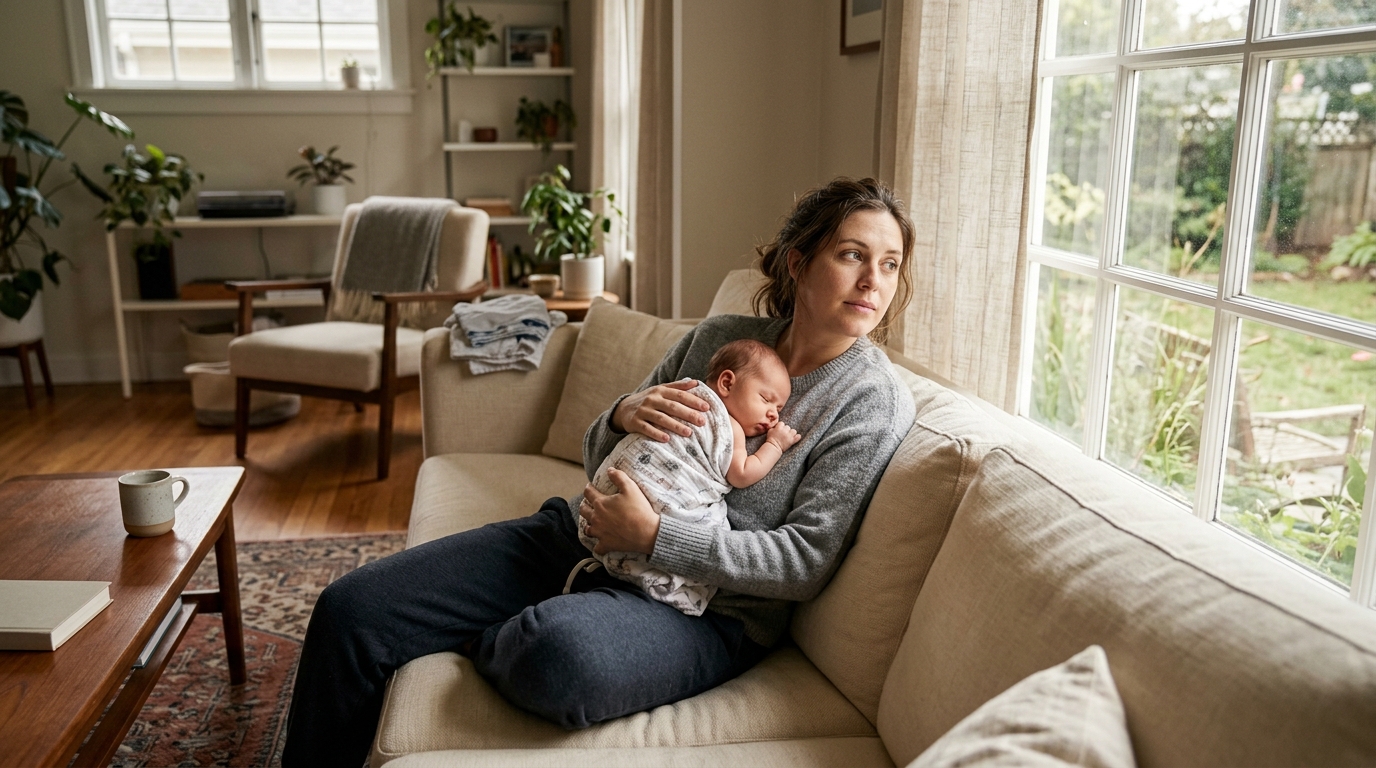
Your baby is sleeping peacefully on your chest. You can feel their tiny breaths and hear their soft sighs. It is a moment of pure bliss. But then you notice the TV remote is just out of reach. Your bladder is full. And you remember the long list of things you need to do. You feel a mix of love, frustration, and maybe even a little guilt. If this sounds familiar, you are not alone. You are experiencing the world of contact naps.
Many parents find themselves "nap-trapped" under a sleeping infant. They worry they have created a bad habit. They feel pressured to get their baby sleeping in a crib. But this situation is not a sign of failure. It is a normal part of your baby's development. This is called a contact nap dependency. It happens when your baby learns that your arms are the safest and most comfortable place to sleep.
This article will help you understand this common phase. We will explain the science behind why your baby only sleeps on you. More importantly, we will give you a clear, gentle plan. This plan will help you transition your baby to independent sleep when you both are ready. It is a non-judgmental guide to reclaiming your arms and your time.
What is Contact Nap Dependency? The Science of a Sleepy Snuggle
A contact nap is simple. It is when your baby sleeps while being held by you or another caregiver. These naps are wonderful for bonding. They meet a deep biological need for closeness. However, this becomes a contact nap dependency when it is the only way your baby can fall asleep or stay asleep. Your baby has formed a very strong sleep association. A sleep association is a cue or object your baby needs to fall asleep.

Think of it like having a favorite pillow. You might find it hard to sleep without it. For your baby, you are their favorite pillow. They have learned that your warmth, scent, and heartbeat are the keys to sleep. When you try to put them down in a crib, those keys are suddenly gone. The environment changes completely. It feels colder, less secure, and unfamiliar. This is often why they wake up the moment you lay them down.
This dependency is rooted in the "fourth trimester." This term describes the first three months of a baby's life outside the womb. During this time, babies crave a womb-like environment. Your arms provide that perfectly. Your body helps regulate their heart rate, breathing, and temperature. This closeness also triggers the release of oxytocin, often called the "love hormone," in both you and your baby. This hormone strengthens your bond and makes the experience feel good, reinforcing the behavior.
Another key factor is a baby's sleep cycle. A baby's sleep is like a short train ride that ends every 30 to 40 minutes. When they are in your arms, you can gently soothe them through the transition to the next sleep cycle. You might rock them slightly or pat their back without even thinking about it. They get on the next "train" without fully waking. In the crib, they wake up at the end of a cycle. They are alone at the station and do not know how to get on the next ride by themselves. This is why contact naps are often longer than crib naps, especially in the early months. Understanding the specifics of breaking baby sleep associations is a crucial step for parents looking to encourage independent sleep. It is not about taking away comfort, but about teaching a new skill.
It is vital to know that you are not spoiling your baby by holding them for naps. In the newborn phase, this closeness is a biological need, not a manipulation. You are providing comfort, security, and love. The dependency is a natural outcome of meeting that need. The challenge arises when this arrangement is no longer sustainable for the parent. Feeling overwhelmed or touched-out is a valid reason to seek a change. The goal is to find a balance that works for the entire family.
The Two Sides of the Coin: A Balanced Look at Contact Naps
Deciding when or if to transition away from contact naps is a personal choice. There is no right or wrong answer. To make an informed decision, it helps to look at both the benefits and the drawbacks. Contact naps offer powerful advantages for a baby's development and the parent-child bond. However, they also present real challenges that can affect a parent's well-being and a baby's ability to develop independent skills. Weighing these pros and cons can help you determine what is best for your family at this moment.
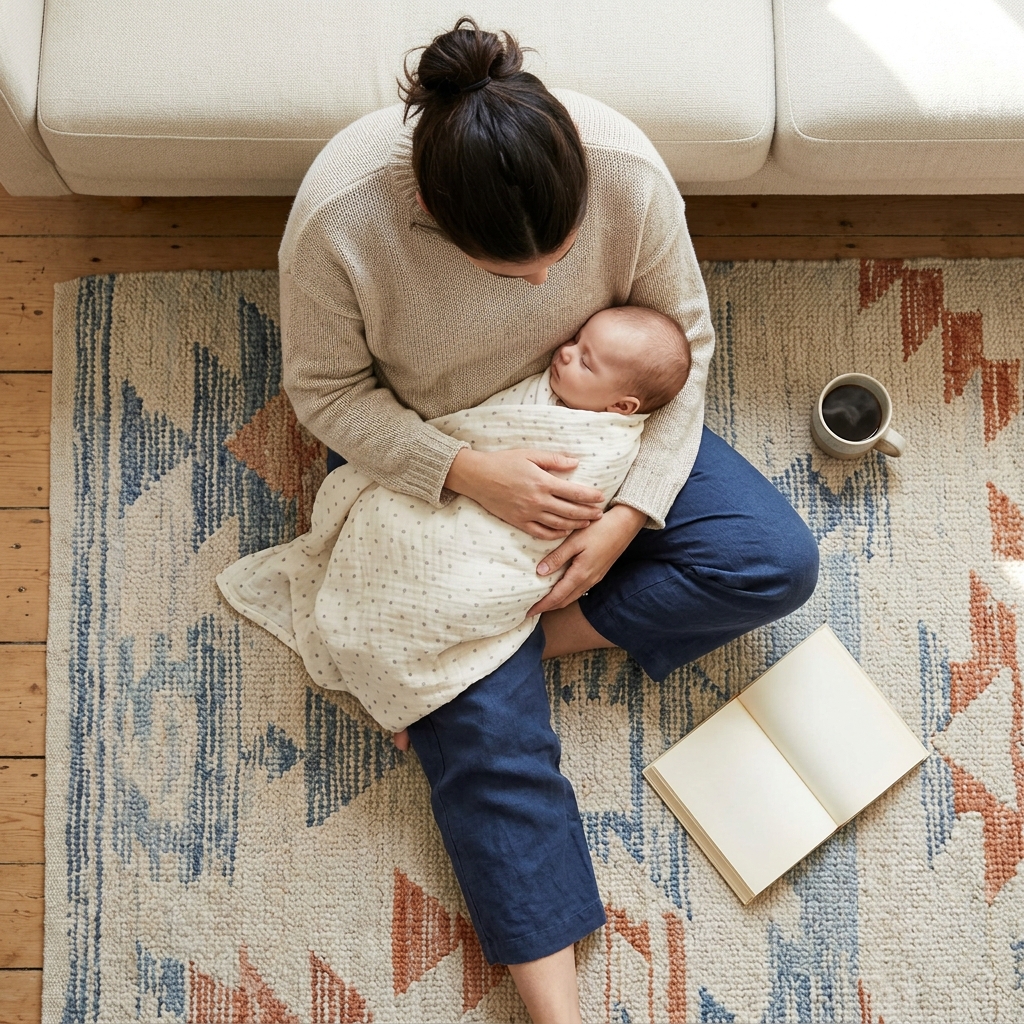
For many parents, the early months are a time of survival. Contact naps can feel like a lifeline, ensuring the baby gets needed rest. As the baby grows, the balance may shift. The need for parental independence and the goal of teaching self-soothing skills can become more important. The table below offers a clear, scannable summary to help you assess your situation.
| Benefits for Baby & Parent | Drawbacks & Challenges |
|---|---|
| Enhanced Bonding: Releases oxytocin, strengthening the parent-child connection. | Creates Dependency: Baby may be unable to fall asleep independently. |
| Physiological Regulation: Helps stabilize baby's heart rate, breathing, and temperature. | Parental Burnout: Can be physically and mentally draining, feeling "nap-trapped." |
| Longer Naps (Initially): Can help extend naps past a single 30-40 min sleep cycle. | Hinders Self-Soothing Skills: Baby has fewer opportunities to learn to settle themselves. |
| Reduces Stress: Lowers cortisol levels in both baby and caregiver. | Safety Risks: High risk of SIDS/suffocation if the caregiver accidentally falls asleep on a sofa or chair. |
The drawbacks deserve careful consideration. Parental burnout is real. Being unable to move for hours each day can be isolating and mentally taxing. It can make it hard to care for other children or manage household tasks. This can lead to resentment, which harms the parent-child relationship in the long run. A well-rested and mentally healthy parent is a more present and responsive parent.
The safety risk is the most critical factor. The American Academy of Pediatrics (AAP) strongly warns against falling asleep with a baby on a sofa, armchair, or recliner. These surfaces increase the risk of suffocation and Sudden Infant Death Syndrome (SIDS). While you may not intend to fall asleep, exhaustion can make it happen unintentionally. A 2024 study noted that over 80% of mothers who fell asleep while feeding did so by accident. If you feel drowsy, the safest place for your baby is on their back in a crib or bassinet.
Finally, it is a myth that babies will simply grow out of this dependency. While some might, many babies need active help to learn independent sleep skills. After 4 months, sleep associations become more ingrained. Gently teaching them how to fall asleep in their crib is a skill that will serve them well for both naps and nighttime sleep. It does not damage your bond. In fact, ensuring everyone in the family gets enough rest can strengthen it.
Your Age-Based Action Plan: How to Gently Transition to the Crib
When you decide it is time for a change, a gentle and consistent approach is key. The right strategy depends heavily on your baby's age and developmental stage. A newborn's needs are very different from those of a six-month-old. This age-based plan helps you meet your baby where they are. It focuses on realistic goals for each phase. Remember, the objective is progress, not perfection. This process is a journey, not a race. You can learn how to stop contact naps in a way that feels supportive for both you and your little one.
Before starting any transition, ensure the foundations for good sleep are in place. This includes managing your baby's wake windows to avoid them becoming overtired. An overtired baby has a much harder time settling down. Also, create a calm and consistent pre-nap routine. This short routine signals to your baby that it is time to wind down for sleep. It can be as simple as changing their diaper, putting them in a sleep sack, and singing a quiet song.
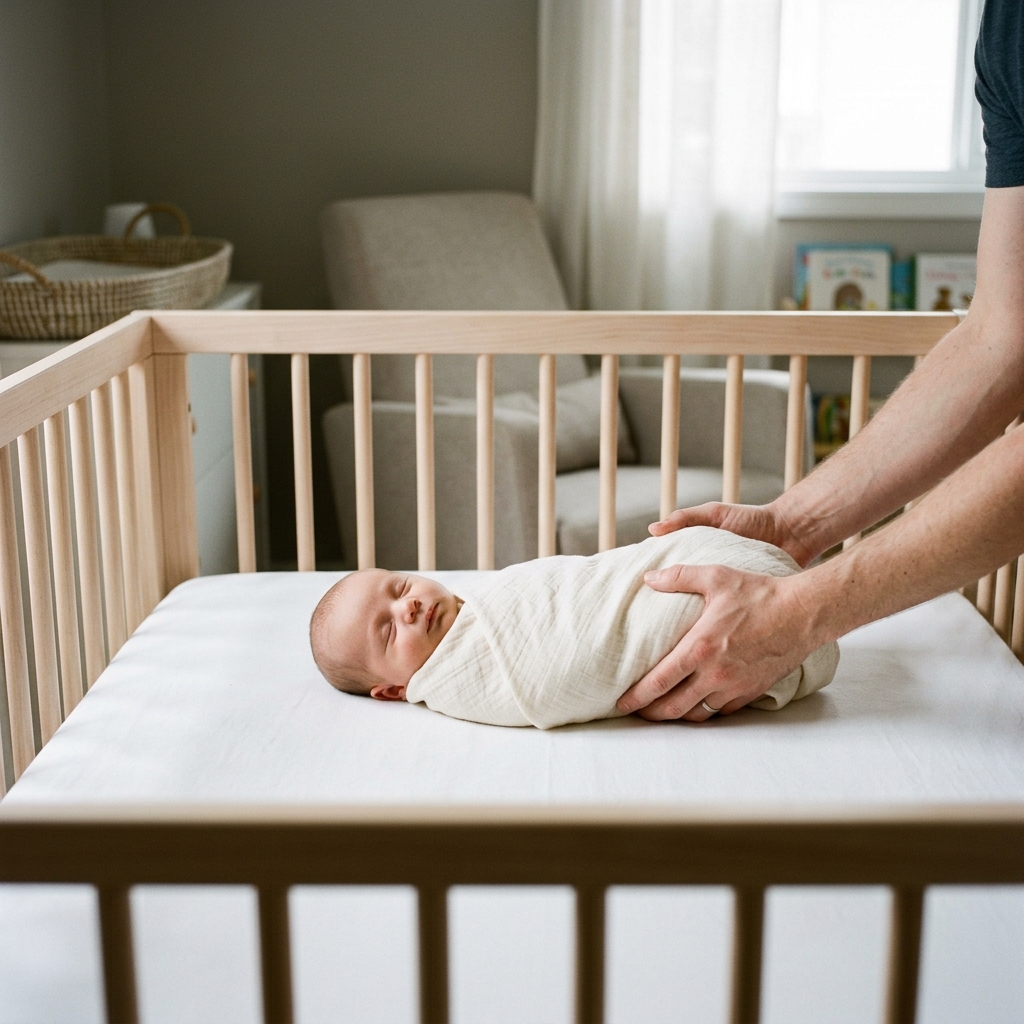
Phase 1: The Fourth Trimester (0-3 Months) – Focus on Safety & Flexibility
During the newborn stage, your focus should be less on "breaking habits" and more on safety and flexibility. You cannot spoil a newborn. Their need for closeness is a powerful, biological drive. The main goal here is to manage contact naps safely and introduce the idea of independent sleep without pressure. It is about creating positive feelings around their sleep space, not forcing a change they are not ready for.
Your primary responsibility during this phase is to stay awake if you are holding your sleeping baby. Set yourself up for success. Have water, snacks, and your phone within reach. Set a gentle alarm to keep you from drifting off. Remember the high risk of falling asleep on a sofa or chair. Your baby's safety is the top priority.
- Prioritize Safe Practices: This is the most important step. If you feel yourself getting drowsy, put the baby in their bassinet or crib immediately. It is always better to have a short nap in a safe place than a long, unsafe one in your arms. Never, ever contact nap on a sofa or armchair.
- Introduce Variety: To prevent an all-or-nothing dependency, let your baby experience napping in other safe places. Use a baby carrier or sling for a hands-free contact nap. Let them nap in their stroller on a walk. This variety helps them learn that sleep can happen in different environments, not just in your arms.
- Practice One "Drowsy But Awake" Placement: Once a day, try this gentle practice. When your baby is calm and drowsy, but not fully asleep, place them in their bassinet. If they fuss, that is okay. You can offer a pacifier or a gentle hand on their chest. If they get upset, pick them up and try again another day. The goal is just to practice. It is not a test they have to pass. Any time spent in the bassinet is a small win.
Phase 2: The Older Infant (4+ Months) – Focus on Consistency & Skill-Building
Around four months of age, a baby's sleep patterns begin to mature. Their sleep cycles become more defined, and sleep associations become more rigid. This makes it an ideal time to actively and consistently teach independent sleep skills. Success at this stage relies heavily on routine, a proper sleep environment, and consistency. It is important to teach your baby to self-soothe in a gentle way. This is the skill of falling back asleep between sleep cycles without help.
At this age, a contact nap dependency can start to affect night sleep. If a baby does not know how to fall asleep without being held for naps, they will likely expect the same help when they wake up at night. Teaching them this skill during the day can lead to longer stretches of sleep at night for the whole family.
- Optimize the Environment: Create a sleep cave. A baby's room should be dark, cool (between 68-72°F or 20-22°C), and quiet. Use blackout curtains to block sunlight. A white noise machine can help muffle household sounds and mimic the shushing of the womb.
- Establish a Clear Pre-Nap Routine: Your routine should be short, about 5-10 minutes. Do the same simple steps in the same order before every nap. For example: diaper change, put on sleep sack, read one short book, give a cuddle, and say a sleepy phrase like "Time for sleep, I love you."
- Commit to the First Nap: Start your transition with the first nap of the day. This is usually the easiest one to achieve. Sleep pressure is high after their morning wake window, making them more ready for sleep. Consistency is key, so commit to trying this one nap in the crib every day.
- Provide In-Crib Comfort: After your routine, place your baby in the crib while they are drowsy but still awake. If they fuss, try soothing them without picking them up. You can use your voice, shush them, or rest a gentle hand on their chest. The goal is to gradually reduce your involvement as they learn to settle themselves.
- Be Consistent, Not Rigid: Try to get the nap in the crib for about 20 minutes. If your baby is still very upset after that time, it is okay to "rescue" the nap. This means getting them to sleep with a contact nap or other method. This prevents them from becoming overtired, which would ruin the next nap. Then, simply try again tomorrow. This is a marathon, not a sprint.
What This Means for Your Family's Sleep
Understanding contact nap dependency is the first step toward finding a sleep solution that works for your family. Remember that this phase is normal and born from your baby's deep need for security. It is not a bad habit you created. It is a sign of the strong bond you share. Moving from contact naps to independent sleep is a process of teaching your baby a valuable new skill. It is not a test of your parenting.
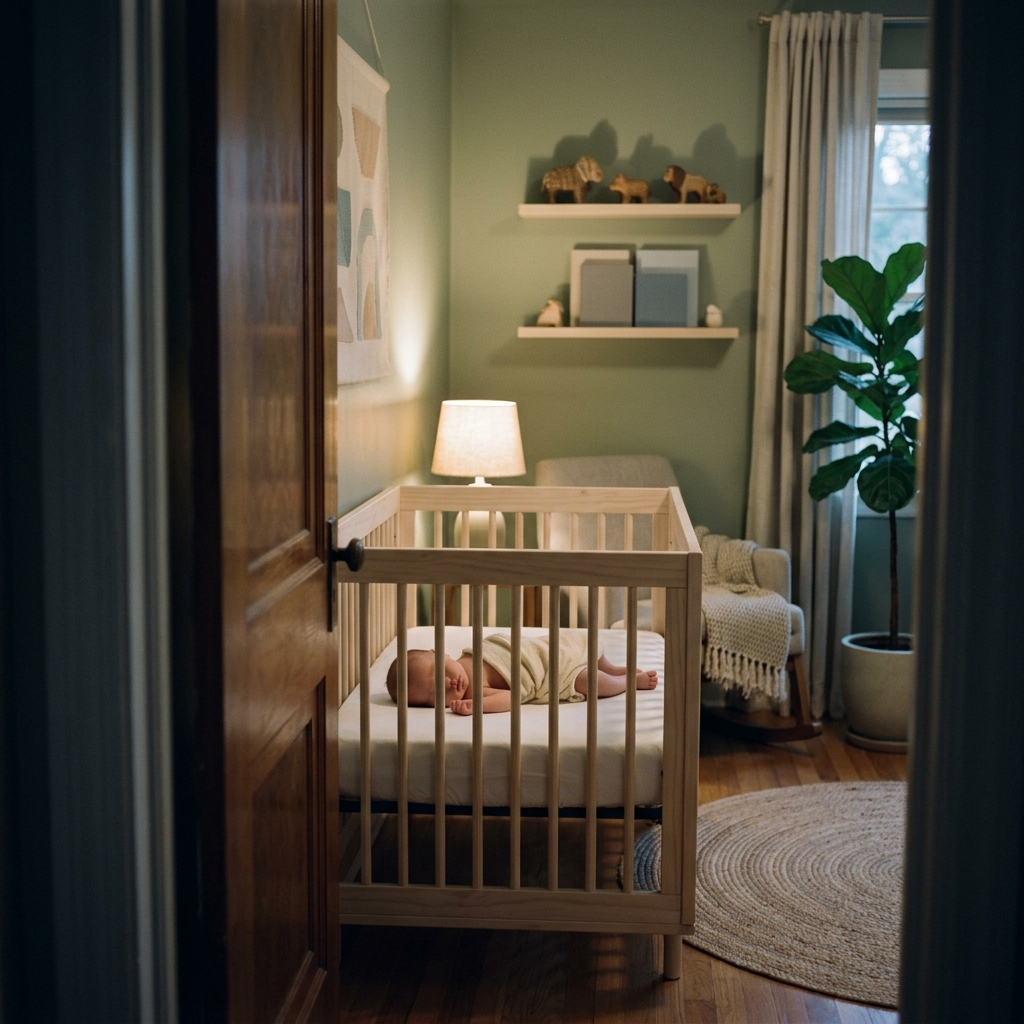
By using an age-based approach, you can gently guide your baby toward napping in their crib. For newborns, the focus is on safety and flexibility. For older infants, the goal shifts to consistency and skill-building. This journey requires patience and grace. There will be good days and tough days. Progress is rarely linear. Celebrate the small victories, like a few minutes of calm in the crib.
Ultimately, teaching your baby to sleep independently benefits everyone. A well-rested baby is often happier and more engaged. And a parent who has time to rest and recharge is more present and responsive. This transition is not about creating distance. It is about building a foundation for healthy sleep that will support your child's growth and your family's well-being for years to come. Take it one nap at a time. You can do this.