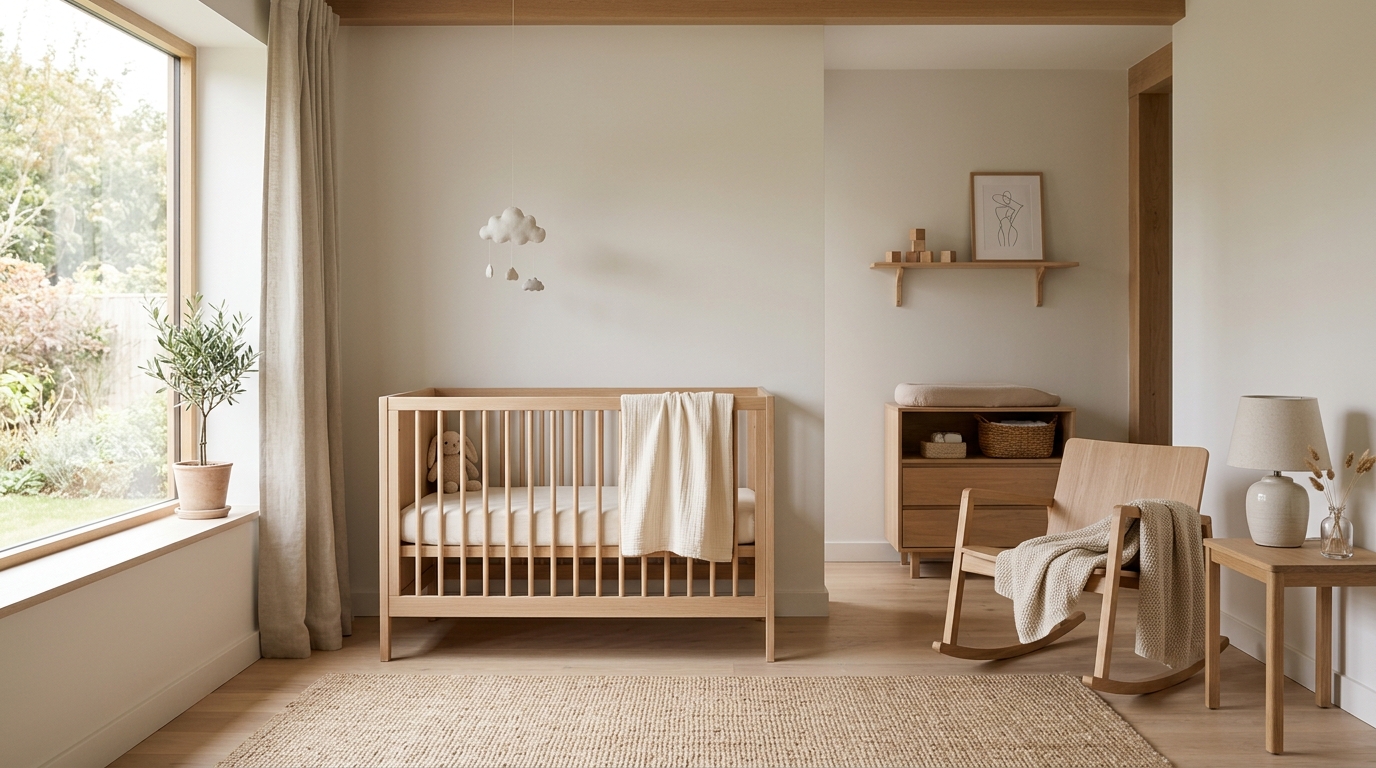
Bringing a baby home means wanting to create the safest, most comfortable space for them. This desire is powerful. It often leads parents to design a nursery that looks cozy and feels full of love. But when it comes to sleep, the safest environment can feel surprisingly empty. Many well-intentioned choices, born from a desire for comfort, can introduce unintended risks.
You are not alone if you feel overwhelmed by conflicting advice from family, friends, and the internet. The goal of this article is to cut through the noise. We will identify the most common mistakes parents make in setting up a baby's sleep space. More importantly, we will provide clear, evidence-based solutions from experts like the American Academy of Pediatrics (AAP). Creating a safe sleep environment is simpler than you think. It starts with one core principle.
Remember the ABCs of Safe Sleep. The baby should be Alone, on their Back, in a Crib. This simple rule is the foundation for protecting your child. It guides every decision you make about where and how your baby sleeps. Understanding this helps you build a nursery that is not just beautiful, but truly safe.
Mistake 1: Decorating the Crib for Coziness Instead of Safety
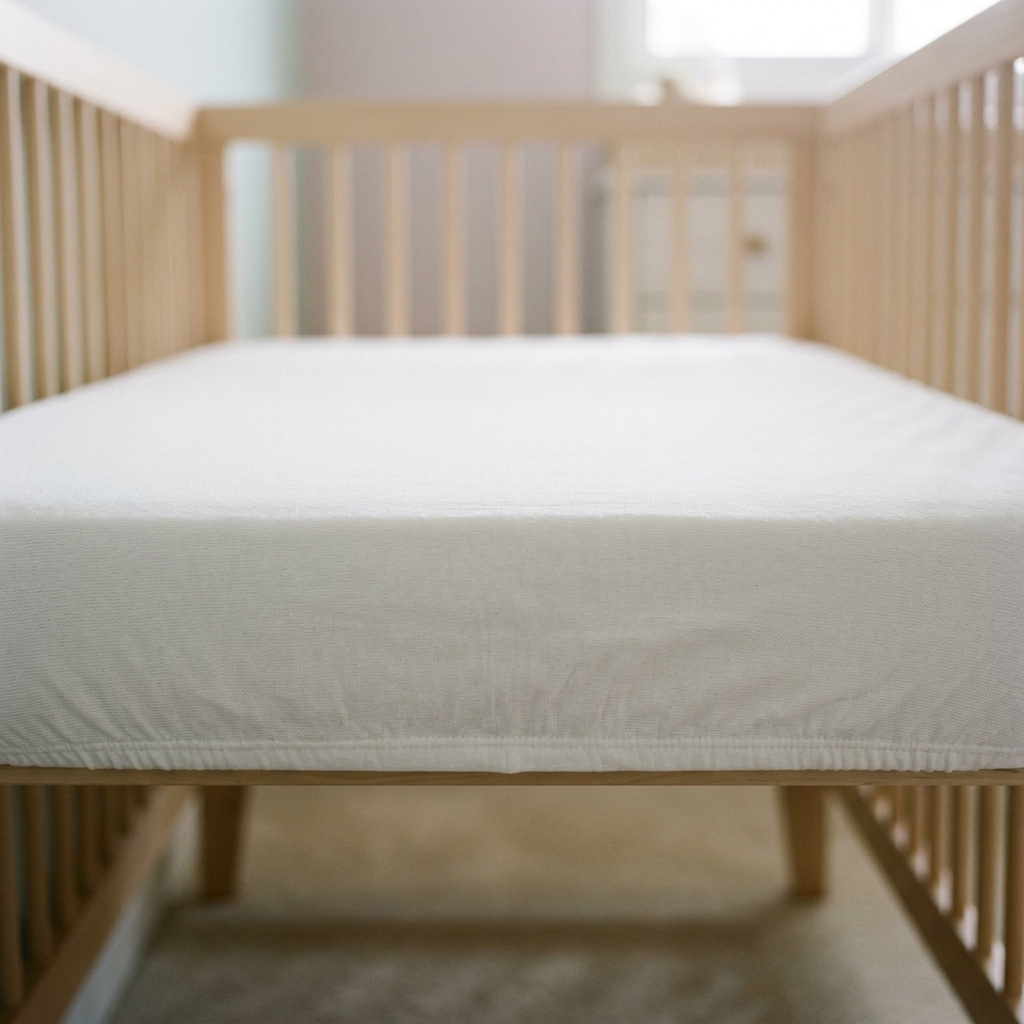
The urge to fill a crib with soft things is understandable. A bare crib can look stark or cold. Parents want their baby to be comfortable and warm, so they add pillows, thick blankets, and soft toys. This is the single most dangerous mistake. The American Academy of Pediatrics is clear: the only items in a crib should be a firm mattress and a fitted sheet. Nothing else.
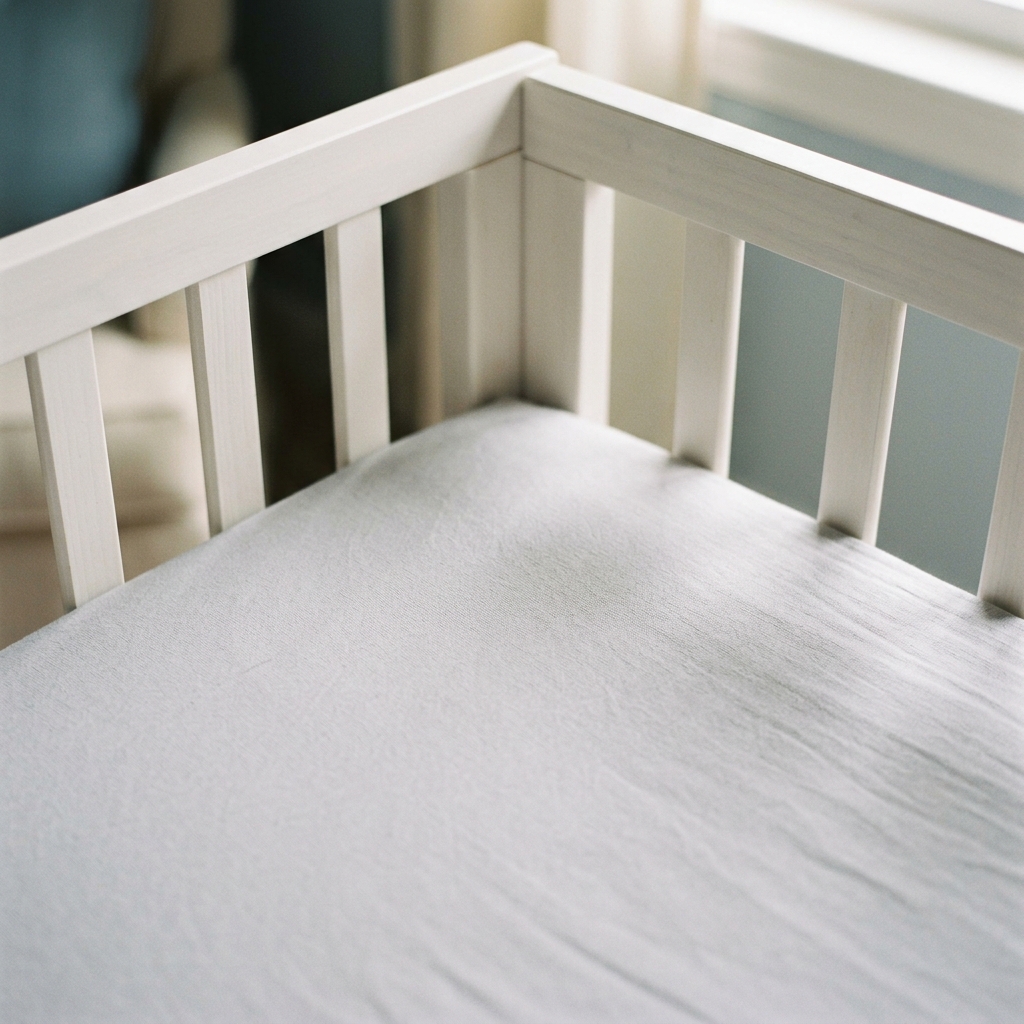
Each year in the United States, about 3,400 infants die suddenly and unexpectedly during sleep. Many of these deaths are due to suffocation or strangulation caused by objects in the sleep area. A soft pillow can block a baby’s nose and mouth. A loose blanket can cover their face. Even stuffed animals pose a risk. The rule is simple: bare is best. A visually empty crib is a sign of a safe crib.
Crib bumpers are a specific and significant hazard. For years, parents used them thinking they protected babies from bumps or getting limbs stuck in slats. However, data shows they do more harm than good. Babies can press their faces against padded bumpers and suffocate. The ties can pose a strangulation risk. In response to these dangers, the U.S. government passed the Safe Sleep for Babies Act. This federal law now bans the manufacture and sale of all crib bumpers, including mesh versions. If you see one for sale, it is either old stock or illegal. Do not use it.
| What You Want | The Safe Reality | Why It's a Risk |
|---|---|---|
| Soft Pillow & Comforter | Firm, flat mattress & fitted sheet | Suffocation, Overheating, Rebreathing CO2 |
| Padded/Mesh Bumper | Bare crib slats | Entrapment, Strangulation, Climbing Hazard |
| Cute Stuffed Animals | An empty crib | Suffocation, Airway Obstruction |
| Loose Blanket for Warmth | A wearable blanket (sleep sack) | Suffocation, Strangulation |
| Sleep Positioner/Wedge | A completely flat surface | Positional Asphyxiation, Entrapment |
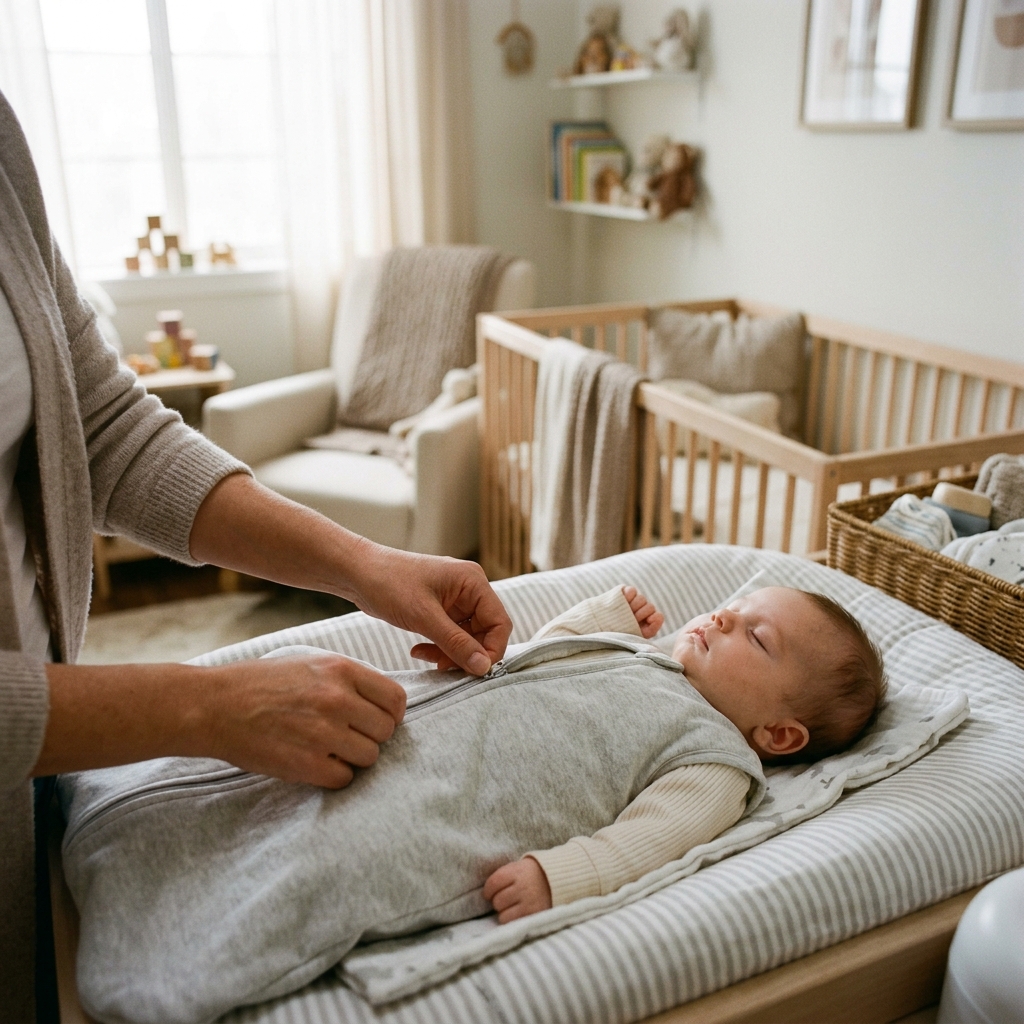
The solution for warmth is simple: dress the baby, not the bed. Use a wearable blanket or sleep sack. This is a cozy sleeping bag your baby wears. It keeps them warm without the risk of a loose blanket covering their face. This single product solves the warmth problem while adhering to safety rules. A proper infant sleep environment setup focuses on these safe alternatives, proving that safety and comfort can coexist when you choose the right products.
Mistake 2: Thinking an Inclined Surface is Okay for Sleep
Many babies seem to fall asleep easily in car seats, swings, or bouncers. For parents of a fussy baby, this can feel like a lifesaver. Some parents even believe an incline helps with reflux. This leads to a dangerous assumption: that it's okay to let a baby sleep on an inclined surface. It is not. The Consumer Product Safety Commission (CPSC) and the AAP state that any surface with an incline greater than 10 degrees is unsafe for infant sleep.
The danger is called positional asphyxiation. A baby's head is large and heavy compared to their body. Their neck muscles are still weak. When a baby is on an incline, their head can easily slump forward, pushing their chin down to their chest. This position can compress their tiny, soft airway. It is like kinking a drinking straw. The baby cannot get enough air, and they may not have the strength or coordination to lift their head and correct their position. They can silently stop breathing.
This is why products like inclined sleepers have been banned. It is also why you must move a baby if they fall asleep in a car seat, swing, or bouncer. These products are safe for their intended use when the baby is awake and supervised. They are not safe for sleep. As soon as you notice your baby is asleep, move them to a firm, flat surface like a crib, bassinet, or play yard. This rule is non-negotiable, even if it means waking them up. Their safety is more important than a few extra minutes of quiet.
This principle also applies to informal sleep spaces. Never let a baby sleep on a couch or armchair. They can slip into crevices or between cushions. The surface is too soft. Similarly, adult beds are not safe for infants. This practice, known as bed-sharing, carries high risks. If you are struggling with this, there are gentle ways to move a co-sleeping baby to a crib. The safest place for a baby to sleep is in their own separate sleep space, close to your bed. This is called room-sharing, and it is recommended by the AAP.
Mistake 3: Getting the Room Temperature and Airflow Wrong
The environment outside the crib is just as important as what is inside it. Overheating is a significant risk factor for Sudden Infant Death Syndrome (SIDS). A baby who is too warm may fall into a deeper sleep, making it harder for them to wake up if their breathing is compromised. Parents, wanting to ensure their baby isn't cold, may over-bundle them or set the thermostat too high.
The ideal room temperature for a sleeping baby is between 68 and 72 degrees Fahrenheit (20 to 22 degrees Celsius). This may feel cool to an adult, but it is appropriate for an infant. It is crucial to monitor for signs of overheating. Do not rely on feeling their hands or feet, as they are often naturally cooler. Instead, feel the back of their neck or their chest. If they feel sweaty or hot to the touch, they are too warm. Remove a layer of clothing.
Air circulation also plays a role in safety. Studies have shown that using a fan in the baby's room can reduce the risk of SIDS. A fan helps circulate air, preventing a buildup of exhaled carbon dioxide around the baby's face. It also helps maintain a consistent, cool temperature. Here are some simple steps to manage the thermal environment:
- Check the Temp: Keep the room between 68-72°F (20-22°C). Use a thermostat or an indoor thermometer to be sure.
- Feel the Neck: Feel the baby's neck or back to see if they are sweaty (too hot) or cold. Hands and feet are not reliable indicators of core body temperature.
- Use a Fan: A fan in the room can circulate air, which has been shown to reduce the risk of SIDS. Ensure it is not blowing directly on the baby.
- Dress in Layers: Use a wearable sleep sack instead of blankets. A general rule is to dress the baby in one more layer than you are comfortably wearing for sleep.
- No Hats Indoors: Babies regulate temperature through their heads. Never put a baby to sleep indoors wearing a hat, as it can quickly lead to overheating.
By managing the room's temperature and airflow, you create another layer of safety. This simple attention to the environment supports your baby's natural ability to regulate their body and stay safe while they sleep.
Mistake 4: Ignoring Hazards Around the Crib
A safe sleep environment extends beyond the four corners of the crib. The area immediately surrounding the crib can contain hidden dangers that a new parent might overlook. As your baby grows, they become more curious and mobile. A once-safe setup can become hazardous. It is vital to think ahead and secure the entire sleep zone.
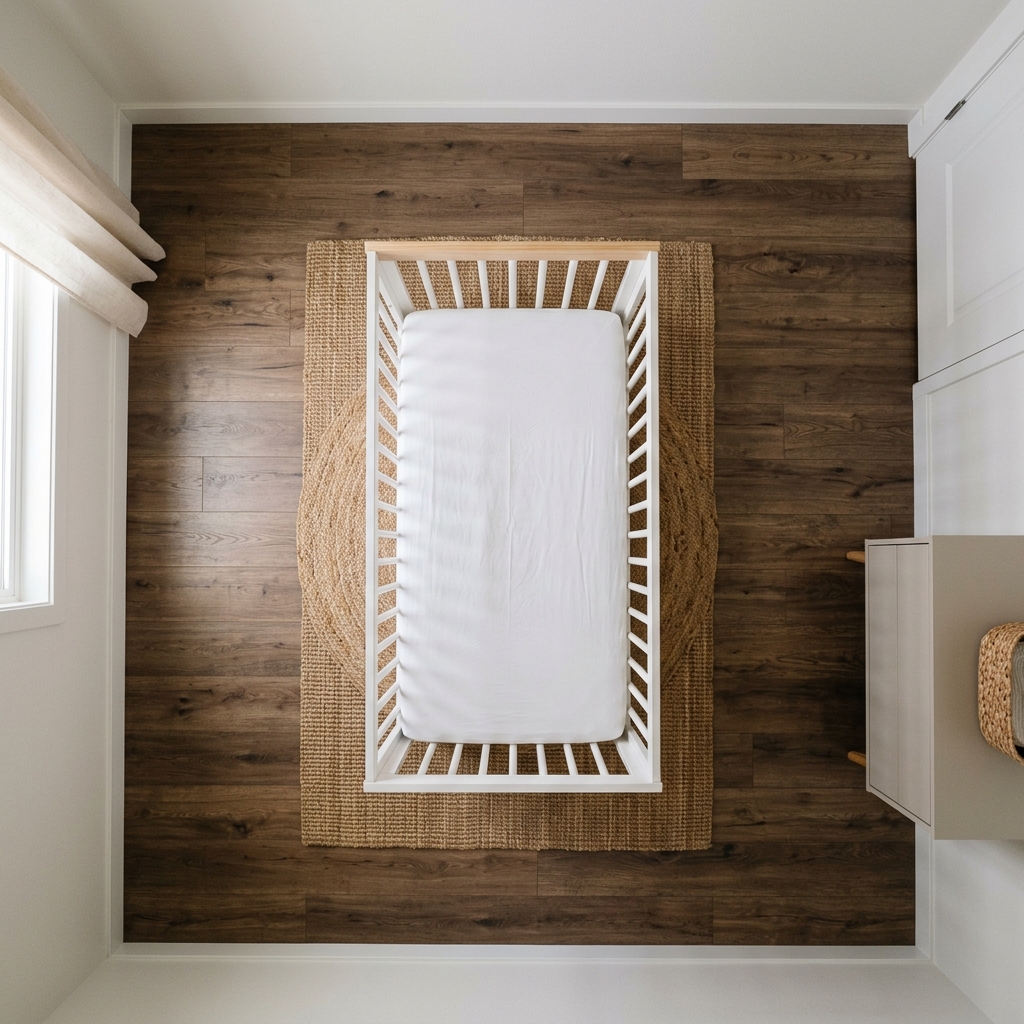
Cords are a primary concern. This includes cords from window blinds, lamps, and baby monitors. A dangling cord is a serious strangulation hazard. A baby can reach through crib slats, grab a cord, and pull it into the crib. The same goes for baby monitor placement. While it's tempting to place the camera on the crib rail for a perfect view, the cord becomes a risk. Follow this checklist to secure the area around the crib.
- Crib Placement: Position the crib away from windows. This eliminates the risk from blind cords and prevents drafts. There should be no furniture that a toddler could use to climb out of the crib.
- Cord Control: Ensure all electrical cords are at least three feet away from the crib. Use cord covers or secure them to the wall so there is no slack for a baby to grab.
- No Hanging Decor: Do not hang heavy pictures, shelves, or decor directly over the crib. An earthquake or a simple mounting failure could cause them to fall. Mobiles are acceptable but should be securely attached and removed once the baby can push up on their hands and knees (around 5 months), as they can become an entanglement hazard.
- Anchor Furniture: As soon as your baby is mobile, they will start to pull up on things. Securely anchor heavy furniture like dressers, changing tables, and bookshelves to the wall. Tip-over accidents are a leading cause of injury and death in young children.
Thinking through these potential hazards is a critical part of baby-proofing. A comprehensive nursery safe sleep checklist for newborns can be an invaluable tool. It helps you systematically review every aspect of the room, ensuring you have created the safest possible space for your child to grow and sleep.
Mistake 5: Misusing Sleep Aids and "Helpful" Products
The market for baby products is vast. Many items are advertised as solutions to common sleep problems. Parents, desperate for a full night's rest, are an eager audience. Unfortunately, many of these products are not supported by safety experts. Some are explicitly recommended against. Using these items can introduce new risks or create a false sense of security, causing parents to neglect the foundational rules of safe sleep.
The Weighted Blanket & Swaddle Trap
Weighted blankets are popular among adults for their calming effect. This has led to the creation of weighted blankets and swaddles for infants. The idea is that the gentle pressure soothes the baby. However, the AAP strongly advises against their use. There is no evidence that they are safe or effective. The weight can restrict a baby's chest movement, making it harder to breathe. If a baby in a weighted product rolls onto their stomach, they may not have the strength to roll back, increasing the risk of suffocation. Stick to standard, non-weighted sleep sacks and swaddles.
The False Security of "Smart" Monitors
A new category of monitors tracks a baby's heart rate and oxygen levels. They often come with an alarm that sounds if readings fall outside a normal range. These are marketed with the implicit promise of preventing SIDS. This is misleading. These products are not medical devices approved by the FDA for SIDS prevention. Studies have not proven that they reduce risk. Relying on them can create a false sense of security. A parent might think it is okay to add a blanket to the crib because the monitor will alert them to a problem. This is flawed logic. Safety comes from the environment, not from a device. Use monitors to see and hear your baby, not to monitor their vitals.
The Dark Side of Light & Sound
Light and sound are powerful environmental cues for sleep. A common mistake is thinking the room needs a nightlight or that any sound machine is helpful. For optimal sleep, the room should be pitch black. Light, even from a small nightlight or a toy projector, can suppress the production of melatonin, the hormone that signals sleep. Use blackout curtains to block all outside light. As for sound, a white noise machine can be very effective at masking household noises. However, it must be used safely. The volume should be kept low, under 50 decibels (dBA), which is about the level of a quiet conversation. Place the machine at least several feet away from the baby's head to protect their developing ears.
What This Means for Your Peace of Mind
Navigating the world of baby sleep can feel like a test. But creating a safe sleep space is not complicated. The rules are simple and clear. A boring nursery is a safe nursery. An empty crib is a sign that you are a well-informed, careful parent.
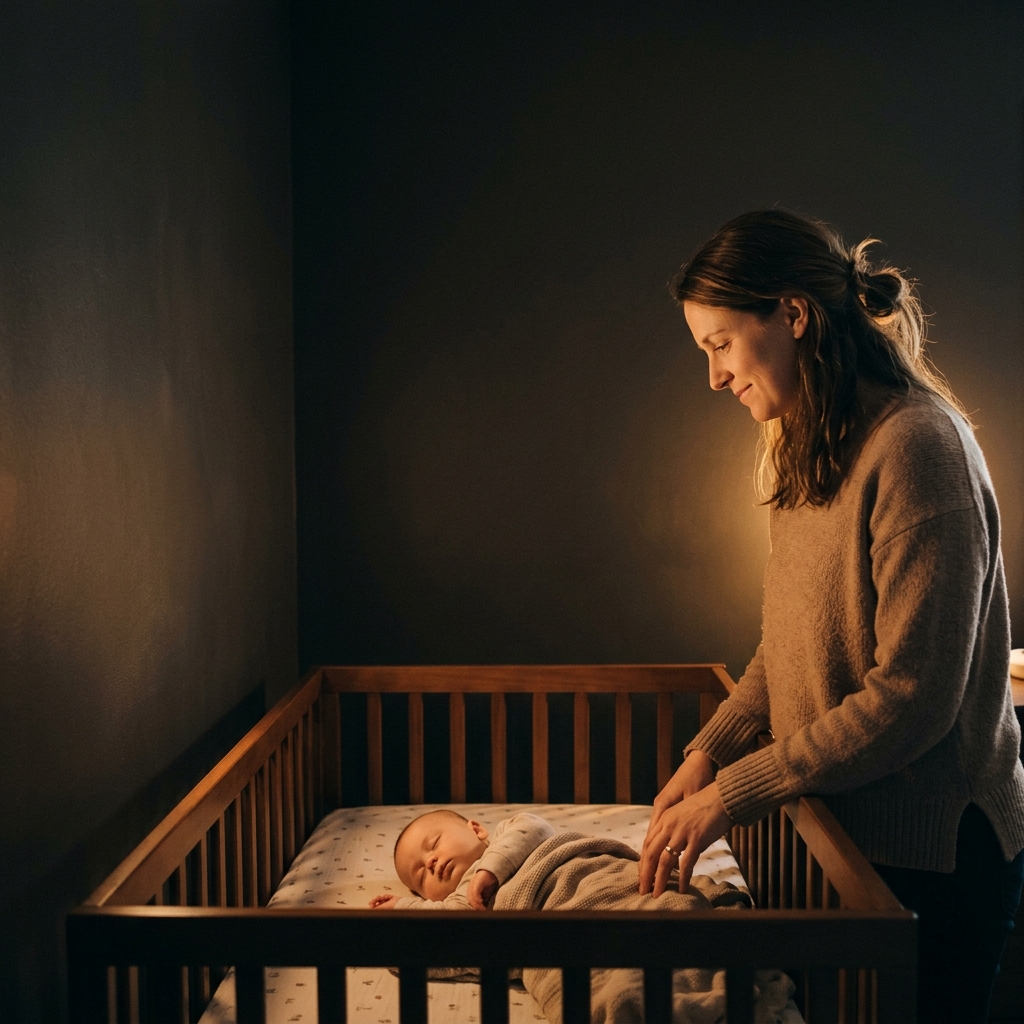
Always remember the core principles. Place your baby Alone, on their Back, in a Crib. Use a firm mattress with only a fitted sheet. Keep the crib bare, with no blankets, pillows, or toys. Dress your baby in a wearable blanket for warmth. Keep the room cool and ensure cords and other hazards are out of reach. Room-share, but do not bed-share. The AAP recommends having the baby's crib in your room for at least the first six months, as this practice can reduce the risk of SIDS by up to 50%.
By avoiding these common mistakes, you are not just following rules. You are creating a circle of safety around your child. This knowledge gives you the power to act confidently, tune out dangerous advice, and finally get some peace of mind. You can rest easier, knowing you have done the most important thing: made their sleep as safe as it can possibly be.