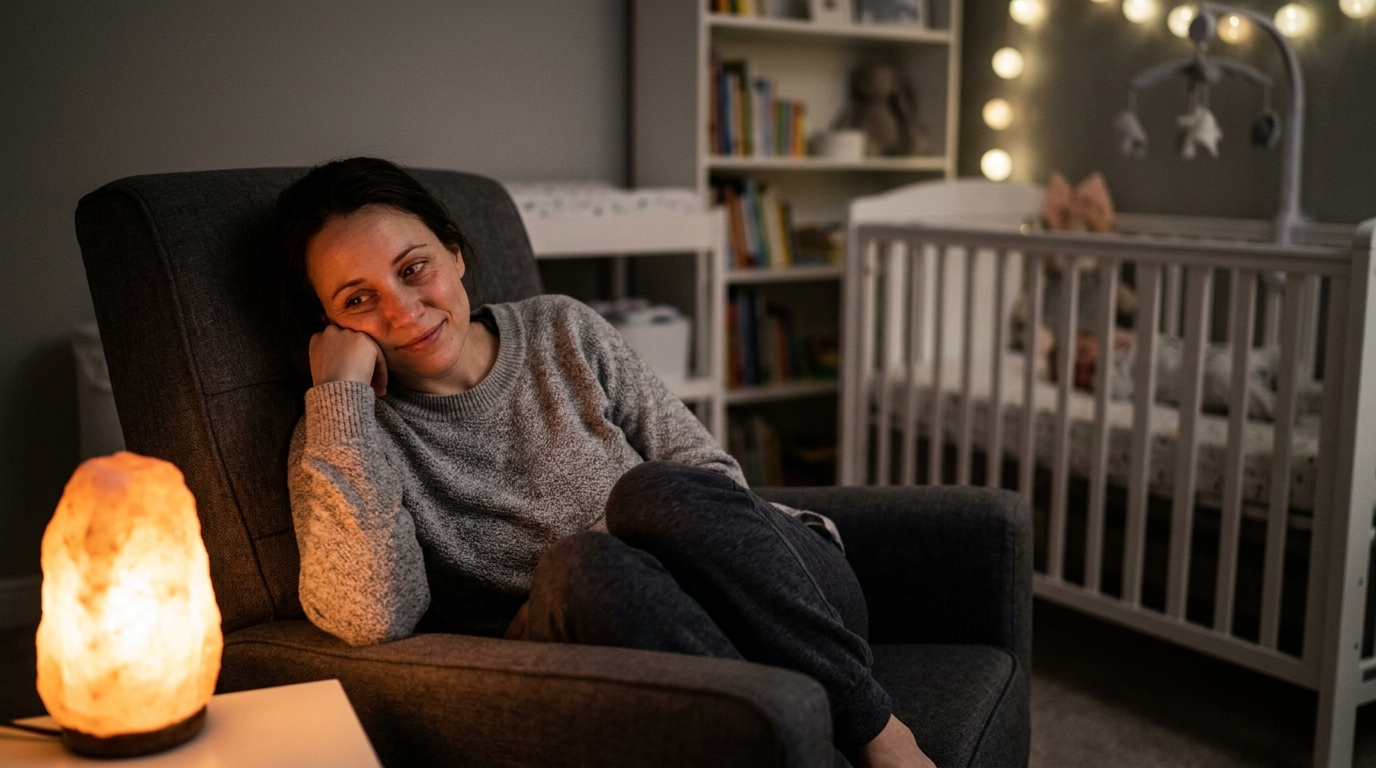
You read all the books. You chose a gentle sleep training method. You were ready for a peaceful path to better sleep. But your baby had other plans. Now, you find yourself in a frustrating loop. Every attempt to soothe them without intense intervention ends in more tears. The gentle promises feel like a distant dream. You feel exhausted, defeated, and maybe even like you are failing.
Let's be clear: you are not failing. Your baby is not "bad" or intentionally difficult. When a baby refuses all gentle methods, it is not a sign of a problem with you or your child. It is a sign of a mismatch. The method you are using does not fit your baby's unique needs, temperament, or current developmental stage. This is more common than you think, and there is a way forward.
This guide is for you. We will move beyond the standard advice you have already tried. Instead, we will help you become a sleep detective. You will learn to identify the root cause of the resistance. Then, we will give you a clear, judgment-free plan to find a solution that finally brings rest to your entire family. It is time to trade frustration for a strategy that truly works for your child.
First, A Reality Check: Why "Gentle" Doesn't Always Mean "Easy"
The term "gentle sleep training" sounds wonderful. It suggests a process filled with cuddles, soft words, and no tears. While the philosophy is rooted in responsiveness, the practical reality can be very different. Understanding the inherent challenges of these methods is the first step. It helps validate your experience and sets realistic expectations for the journey ahead. Gentle methods are not a magic wand; they are a gradual teaching process. This process demands a huge amount of patience and emotional energy from parents.
Think of it this way. Gentle methods are like teaching a skill with whispers and hints. More direct methods are like giving clear, loud instructions. For the whispers and hints to work, the student must be in a very receptive state. If your baby is not in that state, the gentle approach can become confusing or even frustrating for them. It is crucial to know that the challenges you face are built into the very nature of these methods. Many parents find them emotionally draining long before they see success. Let's look at the core reasons why this path can be so tough.
- Requires High Consistency: Even small changes can send mixed signals. This can confuse your baby and undo days of progress.
- Can Be Slow: Success is often measured in weeks, not nights. Progress is rarely a straight line; there will be good nights and bad nights.
- Can Be Overstimulating: For some babies, a parent's constant presence is more agitating than calming. It can fuel their protests instead of soothing them.
- Depends on Temperament: A method that works perfectly for an easy-going baby may completely fail for a more intense or sensitive child.
The demand for consistency is perhaps the biggest hurdle. Imagine you have been using the Chair Method for five nights. On the sixth night, you are exhausted. Your baby cries for an hour. You finally give in and rock them to sleep. To you, it is just one night. To your baby, you have just confirmed that crying for an hour is what it takes to get rocked. This single act can reset the entire learning process. Gentle methods require you to be a steady, predictable presence, which is incredibly hard when you are sleep-deprived.
Furthermore, the slow pace can test anyone's resolve. It is common for parents to expect improvement after a few nights. With gentle methods, it can take a week or more to see even small changes. It might take a full two weeks of perfect consistency to see real, lasting results. This long timeline can feel like an eternity in the middle of the night. It is easy to lose faith and think the method is not working, when in reality, it just needs more time. This is why it is often said that gentle sleep training is more of a test for the parents than for the baby.
The 4-Part Diagnostic: Pinpointing Why It's Not Working for Your Baby
If you have been consistent for over a week and things are not improving, it is time to stop pushing the same rock up the hill. It is time to investigate. No baby is "untrainable," but a method can be the wrong fit. Your job now is to figure out the specific reason for the mismatch. By examining four key areas, you can uncover the roadblock and find a new path forward. Think of this as a checklist to diagnose your unique situation.

1. The Temperament Mismatch
Temperament is your baby's innate personality. It is their factory settings for reacting to the world. Some babies have an easy-going temperament. They adapt to change well. Others are more intense, sensitive, or spirited. These babies feel things deeply. They react strongly to new situations. For these children, many gentle methods can backfire spectacularly. Methods that involve a lot of parental presence, like the Chair Method or Pick Up, Put Down, can be intensely overstimulating. Your presence, meant to be calming, becomes a frustrating tease. They see you right there but cannot have the full comfort of being held, which can make them angrier.
A highly sensitive baby notices every little change. A parent shifting in a chair or sighing can be enough to disrupt their attempt to fall asleep. An intense baby may protest loudly and for a long time, not because they are being difficult, but because that is how they express their feelings. Forcing a method that relies on quiet presence onto a baby who needs clear boundaries and less interaction can lead to failure. It is not a flaw in your baby; it is a flaw in the approach. Recognizing this temperament mismatch is often the biggest breakthrough for parents.
2. The Hidden Schedule Problem: Overtired vs. Undertired
A perfect method will fail with a bad schedule. Sleep is a biological function, and timing is everything. Two main culprits can sabotage your efforts: overtiredness and undertiredness. An overtired baby is a baby who has been awake for too long. Imagine their brain is a cup that fills with 'awake hormones' all day. If they stay awake past their limit, the cup overflows with stress hormones like cortisol. This puts them into a state of 'fight or flight.' They are exhausted but physically cannot calm down enough to sleep. This often looks like frantic crying, arching their back, and fighting sleep with all their might.
On the other hand, an undertired baby does not have enough sleep pressure. They have not been awake long enough to feel sleepy. Putting them to bed too early means they will likely protest, play in the crib, or cry out of boredom and frustration. You might mistake this for resistance to the method itself. The key is to find the sweet spot for your baby's wake windows. These are the periods they can happily stay awake between naps. A poor nap schedule during the day almost always leads to a difficult night. Naps and nighttime sleep are deeply connected. Fixing the daytime schedule is often necessary before any nighttime training can succeed.
3. The Lingering Sleep Prop
A sleep prop, or sleep association, is anything your baby needs to fall asleep. It is the 'key' they use to unlock the door to sleep. Common props include feeding, rocking, patting, or a pacifier you have to replace all night. The goal of sleep training is to teach your baby to find their own key. Many parents accidentally undermine their efforts by holding on to a piece of the old sleep prop. The most common mistake is the misuse of the 'drowsy but awake' advice. This tip is great for newborns, but it often fails for babies over four months old.
Why? Because the 'drowsy' state is already the first stage of sleep. If you rock or feed your baby until they are drowsy, you have done 90% of the work for them. They have not learned how to go from fully awake to asleep on their own. When they wake up in the middle of the night, as all humans do, they are in a different sleep cycle. They are not drowsy. They are awake. And they need you to come back and do that 90% of the work again. To truly succeed, you must put your baby down completely awake, not just a little sleepy. This allows them to practice the full skill of falling asleep independently.
4. The Environmental Saboteur
Your baby's bedroom environment can either support or sabotage sleep. Even with the perfect method and schedule, a poor environment can make falling and staying asleep difficult. The three most important factors are darkness, sound, and temperature. The room should be pitch black. Light is the enemy of sleep. It signals to the brain that it is time to be awake and can inhibit the production of melatonin, the sleepy hormone. Even a sliver of light from under the door or a bright night light can be disruptive. Recent research from 2025 confirms that even small amounts of blue light from electronics can suppress melatonin. Use blackout curtains to make the room as dark as possible.
Continuous white noise is also essential. It should be played loud enough to mask household noises like a dog barking or dishes clanking. A quiet house can be just as disruptive, as every small sound becomes magnified. The noise should be a constant, boring sound like static, not waves or music that can be stimulating. Finally, the room should be cool. The ideal temperature for sleep is between 68–72°F (20–22°C). A baby who is too warm will have a harder time sleeping soundly. Optimizing these three environmental factors creates a sleep cave that signals to your baby's brain that it is time for restorative rest.
Your New Action Plan: A Tiered Approach to Finding What Works
Now that you have diagnosed the likely problem, it is time for a new plan. Instead of randomly trying another method, we will use a tiered approach. This system moves from small adjustments to bigger strategic changes. It empowers you to make an informed choice based on your child's specific needs. Start with Tier 1. If you still see no progress after a consistent week, move to Tier 2, and so on. This structured process of elimination will lead you to a solution.
| Tier | Strategy | Best For… | Key Action |
|---|---|---|---|
| 1: Tweak & Refine | Method Modification | Minor resistance or inconsistency issues. | Double down on consistency. Adjust wake windows. Optimize the sleep environment (blackout curtains, white noise). Shift the last feed to the beginning of the bedtime routine. |
| 2: Blend & Adapt | Hybrid Methods | Temperament mismatches where presence is overstimulating. | Try a "Fading" variation where you gradually reduce intervention. Or, introduce timed checks (like Ferber) but with a shorter, more responsive script. |
| 3: Structured Support | Responsive Extinction | When all gentle and hybrid methods have failed and the baby is highly resistant. | This is an evidence-based approach like graduated extinction. You set the intervals, you decide the script, and you have a plan. Studies show it can reduce crying and night wakings. |

Tier 1: How to Properly Tweak Your Current Gentle Method
Before you abandon your chosen method, give it one last fair shot. This means committing to 1-2 weeks of perfect consistency. No giving in. No changing the rules. During this time, focus on the diagnostic points. First, perfect the schedule. Try adjusting your baby's last wake window by 15 minutes, either shorter or longer, to see if you can hit that sleepy sweet spot. Second, break any lingering sleep props. Move the last feeding to the very beginning of the bedtime routine, before the bath. This separates eating from sleeping. Third, perfect the environment. Get true blackout curtains and turn up the white noise. These small tweaks can sometimes be all that is needed to make a method click. It's also important to stay the course through temporary setbacks like a developmental leap or a minor cold. Exploring other holistic approaches can also provide new ideas without abandoning a gentle philosophy.
If you have done all this for at least a week and the crying is still intense and prolonged, it is a strong sign that the method itself is the problem. This is not a failure. It is valuable data. You have now confirmed that small changes are not enough. You can now confidently move to the next tier, knowing you have exhausted this option.
Tier 2: The "Hybrid" Approach for the Intense Baby
This tier is designed for the baby with a spirited or sensitive temperament. The one who gets angrier with your presence. The goal here is to blend the responsiveness of gentle methods with the clear boundaries of more structured ones. You are not leaving them alone to cry. Instead, you are giving them space to learn while still offering reassurance. One popular hybrid method is a variation of "Fading." You might start by patting them to sleep, then just holding a hand on their back, then just sitting by the crib, then moving your chair further away each night. This is a very gradual removal of your intervention.
Another strategy is to introduce brief, timed checks. This is not the Ferber method, but a gentler version. You might leave the room for just one minute, then return to offer a quick, boring phrase like "I love you, time to sleep." Then you leave again for two minutes. This can be less stimulating than staying in the room. The brief check-in reassures them that you are nearby without creating a distracting presence. For some babies, this is the perfect balance. There are many proven alternatives to 'cry it out' that offer this middle ground. It is about adapting to your baby's feedback. If your presence makes them mad, listen to that. Give them a little space.
Tier 3: Is It Time for a More Structured Method?
If you have tried tweaking and hybrid methods consistently, and your baby is still fighting sleep for an hour or more each night, it may be time to consider a more structured approach. This is a loving, valid choice for families at their breaking point. Methods like graduated extinction (often called the Ferber method) are widely misunderstood. They are not "cry it out." A true cry-it-out method involves leaving the baby and not returning at all. Graduated extinction is a system of timed checks that provides predictable reassurance. You are teaching your baby that you will always come back, but you are also giving them the space to figure out how to fall asleep on their own.
This is an evidence-based approach. Studies show it can be highly effective. One study found it reduced crying at bedtime by 43 minutes and cut night wakings by 50%. Most importantly, multiple studies have confirmed that these methods do not harm the parent-child bond or cause long-term emotional problems. For a baby who is highly resistant to parental presence, the clear boundaries and predictability of this method can be calming. The crying is often shorter and less intense than the crying that happens during a failed gentle method attempt. It is helpful to compare the Ferber method to gentle sleep training techniques to see that the goal is the same: a well-rested child. This is simply a different, more direct path to get there.
What This Means for You and Your Baby's Sleep Future
The journey to better sleep is not about finding a perfect method. It is about finding the perfect method for your child. The fact that you are reading this shows how deeply you care. You have tried to be responsive and gentle. Now, you have new information. You know that true responsiveness means adapting your approach based on your baby's unique cues and temperament. It means recognizing when your help is not actually helpful.

Move forward with confidence. You are the expert on your child. Whether you decide to tweak your current routine, try a hybrid approach, or implement a more structured plan, you are making an informed decision. The goal is not to create a baby who never cries or never wakes up at night. The goal is to give your child the lifelong skill of independent sleep. It is to build a foundation of healthy sleep habits that will benefit their development for years to come. And just as importantly, it is to restore rest and well-being to your entire family.
Trust your observations. Be patient with the process, but also be willing to change course when something is clearly not working. You are not a failure for switching methods. You are a smart, adaptive parent who is listening to your baby. A well-rested family is a happier, healthier family. By finding the right key to unlock sleep for your child, you are giving a gift to everyone.