
It is two in the morning. Your baby is crying again. You are scrolling through your phone, desperate for an answer. One site says to let them cry. Another says never to let them cry. The conflicting advice is overwhelming. You are exhausted, confused, and feel like you are failing. This experience is common for parents of young children. The search for a solution can feel as tiring as the sleepless nights themselves.
There is a clear path through this confusion: virtual infant sleep support. These programs offer a structured, expert-led approach to help your baby learn healthy sleep habits. They cut through the noise of online forums and social media. Instead, they provide a concrete plan and professional guidance tailored to your family. This is not about a single magic trick. It is about a proven process.
This article will demystify the world of online sleep support. We will explain what these programs are and what they include. We will compare different formats, like self-paced courses and one-on-one coaching. Our goal is to give you the confidence to choose the right program for your baby, your budget, and your peace of mind.
What Is a Virtual Sleep Support Program (and What Isn't It)?
A virtual infant sleep support program is a service that helps parents teach their baby to sleep well. It is delivered entirely online or over the phone. These programs are designed by sleep experts. They use proven methods to help babies develop independent sleep skills. This means your baby learns to fall asleep on their own, connect sleep cycles, and sleep for longer stretches at night. The core of any good program is a combination of education, a clear plan, and personalized support.
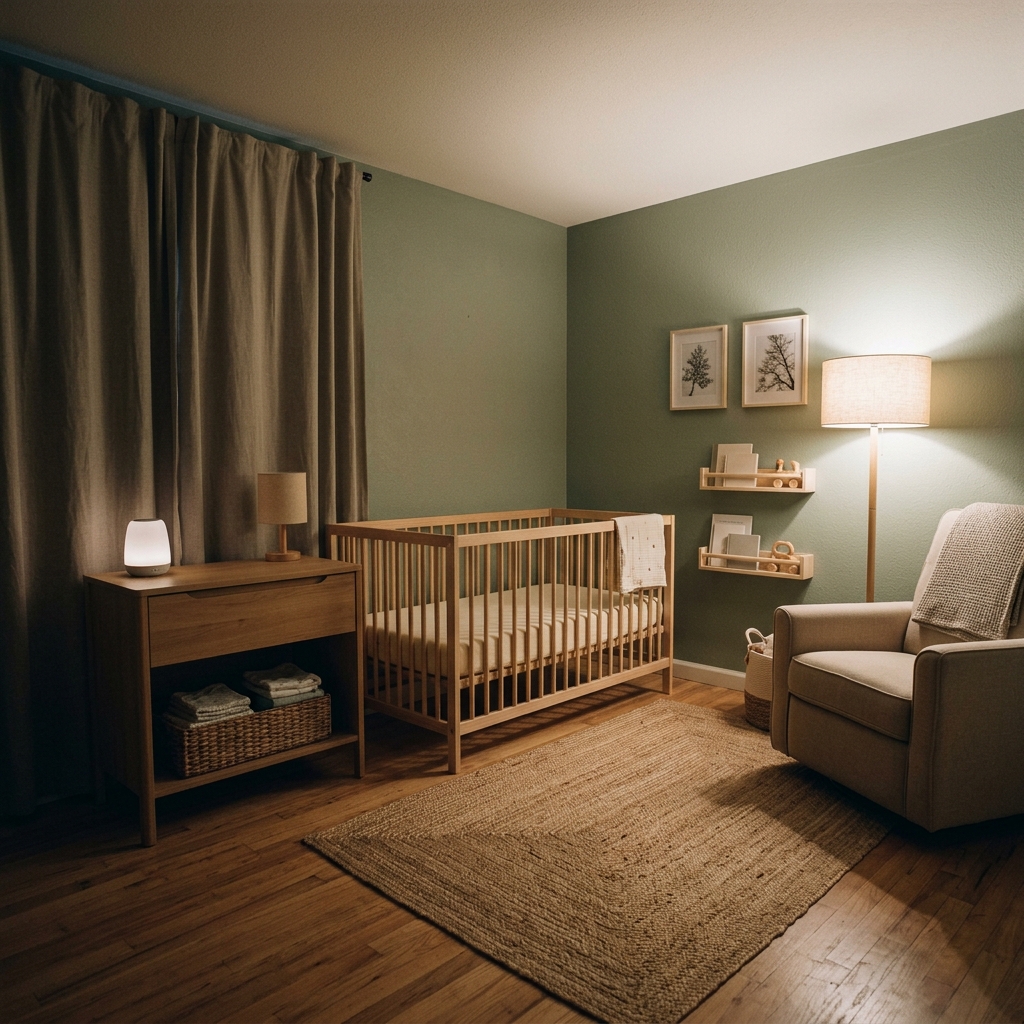
It is helpful to think of a sleep consultant like a personal trainer for your baby's sleep. The consultant assesses the situation. They create a customized workout plan based on your goals. They teach you the correct form and technique. But you, the parent, are the one who does the work. You implement the plan each day and night. The consultant provides the expert program, checks your progress, and keeps you motivated. They are your coach, offering guidance and accountability when things get tough.
These programs are not a magic bullet. They are not a single secret trick you can find on social media. A legitimate program involves a process of changing habits, which takes consistency and commitment. It is also not a one-size-fits-all solution. Every baby is different. A quality program will take your child's age, temperament, and your family's values into account. A virtual consultant assesses your child’s sleep habits and environment. They listen to your goals. Then, they create a step-by-step plan. They support you remotely with emails, texts, or calls as you put that plan into action.
The ultimate goal is to solve the root cause of the sleep problem, not just treat the symptoms. Many parents find themselves rocking, feeding, or pacing for hours each night. These are sleep associations that can become unsustainable. A virtual program teaches you how to replace those associations with new, independent sleep skills. This leads to long-term, restorative sleep for the entire family. It is a structured journey from exhaustion to predictability.
The Core Components: What to Expect from a Quality Program
When you start comparing virtual sleep programs, you will see many different packages and prices. It can be hard to know what is worth the investment. Quality programs share several key components. These are the tangible deliverables that separate a professional service from a simple PDF download. Look for these elements to ensure you are getting a comprehensive, effective service.
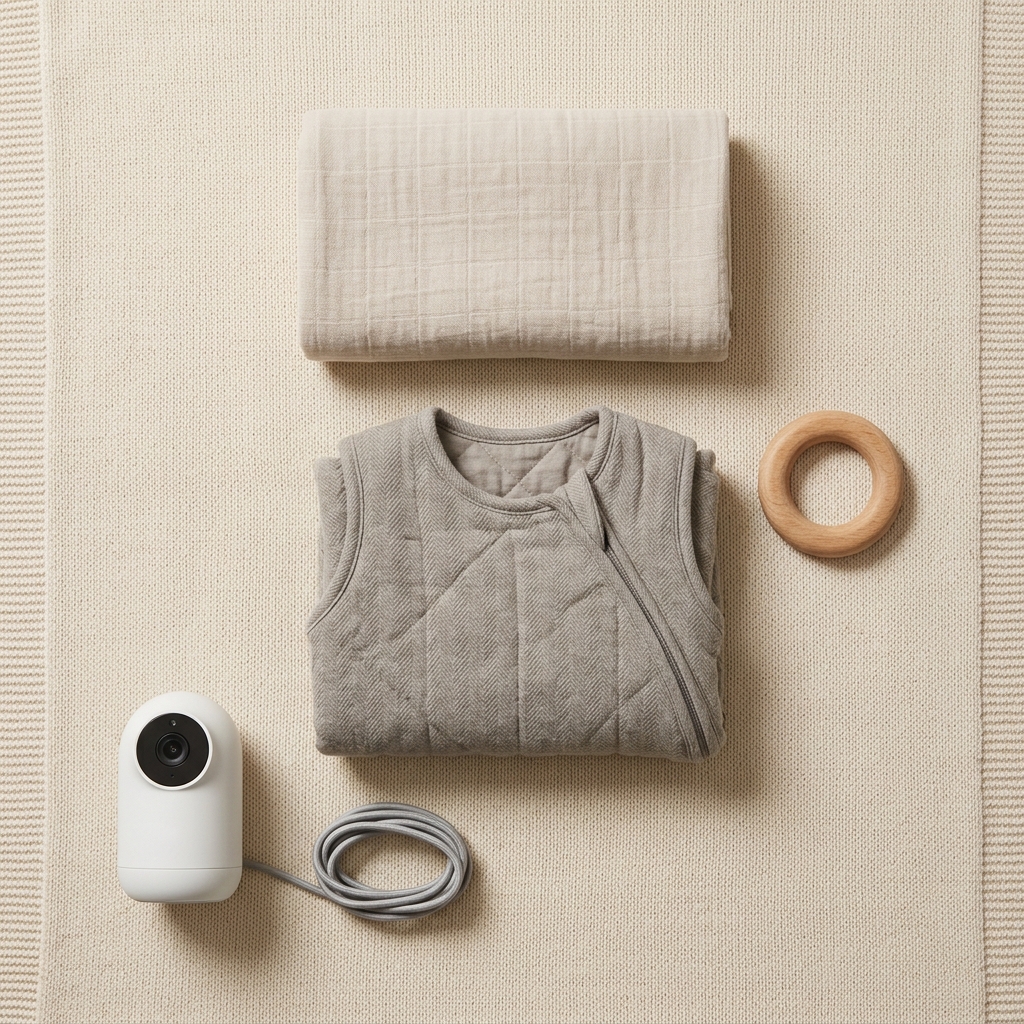
- Comprehensive Intake and Assessment: A great program begins with a deep dive into your specific situation. This should be more than a few basic questions. Expect a detailed questionnaire covering your baby’s sleep history, daily schedule, feeding habits, and sleep environment. It should also ask about your baby's temperament and your parenting philosophy. This information is crucial for creating a plan that will actually work for your family. A thorough assessment shows the consultant is committed to personalization, not just giving you a generic template.
- A Personalized, Written Sleep Plan: Based on the assessment, you should receive a clear, step-by-step written plan. This document is your roadmap. It should detail the strategy for both nights and naps. It will outline bedtime routines, what to do when your baby wakes up, and how to handle schedule changes. The plan should be easy to read and reference, even when you are tired. It is the core of the service and should feel like it was written specifically for you, because it was.
- Defined Support Channels: This is where the coaching happens. A good program clearly defines how and when you can get help. This might include scheduled phone or video calls, daily email check-ins, or even real-time text message support. This support is what provides accountability and helps you troubleshoot. When you are unsure what to do, your consultant is there to provide answers and encouragement. The level and type of support is often the biggest difference between program costs.
- Educational Resources: Besides the plan itself, many programs provide access to a library of educational materials. This can include videos, articles, and guides. These resources explain the science behind infant sleep. They cover topics like sleep regressions, nap transitions, and developmental leaps. Understanding the 'why' behind the method empowers you as a parent. It helps you feel more confident in the process and builds skills you can use for years. Knowing how to choose the best online sleep course often involves evaluating the quality of these resources.
- A Graduation Plan: A program's goal should be to make you a confident, independent sleep expert for your own child. A quality service includes a 'graduation' plan. This provides guidance on how to maintain good sleep habits long after the coaching period ends. It will cover how to handle future challenges like travel, illness, or moving to a new bed. This shows the program is focused on long-term success, not keeping you as a client forever.
DIY Course vs. 1:1 Coaching: Which Level of Support Do You Actually Need?
Virtual sleep support generally falls into two categories: self-paced DIY courses and one-on-one coaching. Choosing the right one depends on your personality, budget, and how much support you feel you need. Think of it like a meal recipe kit. A DIY course gives you the recipe and all the ingredients. You follow the steps on your own. One-on-one coaching is like having the chef on speed dial to guide you and answer questions as you cook. Both can lead to a great meal, but the experience and level of support are very different.

A self-paced course offers a structured plan and educational materials for a lower price. A one-on-one coaching package provides a fully customized plan and direct access to an expert for guidance and accountability. Understanding the distinction between a sleep subscription versus a course can help you decide which investment makes the most sense for your family's needs.
| Feature | Self-Paced DIY Course | 1:1 Virtual Coaching |
|---|---|---|
| Best For | Motivated, self-starting parents on a budget who need a solid plan to follow. | Parents feeling overwhelmed, anxious, or who have tried and failed before and need accountability and personalized troubleshooting. |
| Typical Cost | $49 – $250 | $500 – $1,200+ |
| Support Level | None to very limited (e.g., community forum). | High-touch (e.g., scheduled calls, daily email/text support). |
| Personalization | General plan based on age. | Fully customized plan based on a deep-dive assessment. |
| Accountability | You are on your own. | Consultant provides daily check-ins and encouragement. |
| Troubleshooting | Relies on pre-made guides for common issues. | Real-time adjustments to the plan based on your baby's unique response. |
One-on-one coaching provides the highest level of personalization. This is ideal for parents who feel anxious or have already tried other methods without success. It's also a great option for complex situations, like twins or babies with underlying medical issues. A dedicated consultant adjusts the plan in real time based on your baby’s progress. This support can be invaluable. The higher cost reflects this direct access to an expert's time and knowledge. Finding an affordable 1:1 baby sleep coach can offer this personalized support without the highest-tier price tag, making it more accessible.
Red Flags: How to Spot a Low-Value Program or Unqualified 'Expert'
The infant sleep consulting industry is largely unregulated. This means anyone can create a social media profile and call themselves a sleep expert. This has led to skepticism from many parents, and rightfully so. You are trusting someone with your child's well-being and your own sanity. It is vital to be a discerning consumer. Knowing the red flags can help you avoid low-value programs and find a legitimate, qualified professional who can truly help.

Many low-quality programs are simply repackaged versions of established methods, like the Ferber method, which you could learn from a book. A true expert invests heavily in their education. Reputable certification programs can cost between $3,500 and $5,000. This investment is a sign of a consultant's commitment to quality and evidence-based practices. Be wary of programs that seem too good to be true. Here are specific red flags to watch for:
- Vague Credentials. Be cautious if someone calls themselves an "expert" but lists no formal certification from a recognized institution. Look for credentials from established sleep consultant certification programs. A background in nursing, psychology, or early childhood development is also a strong positive sign.
- Promises of "No Crying." Changing habits is hard, and babies often protest change by crying. While gentle, responsive methods can minimize tears, promising a completely tear-free experience is unrealistic. This is often a bait-and-switch marketing tactic. An honest consultant will prepare you for some level of protest while giving you tools to respond lovingly.
- A One-Size-Fits-All "Secret Method." Legitimate coaching is personalized. Every baby and family is unique. Be wary of anyone selling a single "secret" or "magic" solution that supposedly works for all babies. This ignores the critical factors of temperament, age, and family dynamics.
- High-Pressure Sales Tactics. A professional service should have a clear, professional website with details about packages, pricing, and the consultant's background. Red flags include relying solely on Instagram DMs, using countdown timers for fake urgency, or asking you to "Comment 'SLEEP' for the link."
- No Mention of Safety. This is the most important red flag. Any credible sleep consultant will make safe sleep their top priority. Their intake forms and plans must adhere to guidelines from organizations like the American Academy of Pediatrics. This includes placing the baby on their back, in a clear crib, without loose bedding. If safety isn't mentioned first, walk away.
Making Your Decision: Next Steps to a Full Night's Sleep
Choosing to get help for your baby's sleep is a significant step. It is an act of care for your child and for yourself. The decision between a DIY course and 1:1 coaching comes down to your needs. A DIY plan offers an affordable, effective roadmap if you are a confident self-starter. One-on-one coaching provides a dedicated partnership to guide and support you, ensuring you reach your goal. It is for those who want to leave nothing to chance.

Try not to view this as just another expense. See it as an investment in your family's health and well-being. Consolidated sleep is critical for your baby's development. It is also essential for your own mental and physical health. Getting your sleep back allows you to be a more present, patient, and joyful parent. The right program does not just deliver sleep; it delivers a better quality of life.
Feeling clearer, but still not sure which path is right? Take our free 2-minute Sleep Support Assessment. We will ask a few simple questions about your situation. Based on your answers, we will recommend the best starting point for your family. It is a simple, no-pressure way to find your path to better sleep.