Are you an exhausted new parent? Do you dream of getting just one longer stretch of sleep? You are not alone. Many parents look for ways to help their baby sleep better at night. One popular technique you may have heard of is the dream feed. It sounds like a magical solution for sleep deprivation. While it can be a very helpful tool, it is not a magic wand. It is a specific strategy that works well for some babies but not for others.
The key to success is understanding what a dream feed is and how to use it correctly. The approach needs to change as your baby grows. What works for a two-month-old might not work for a five-month-old. This guide is here to help. We will give you a clear, age-based plan to follow. You will learn the exact steps to take, what to expect at each stage, and how to solve common problems.
We will explore the pros and cons to help you decide if this method is right for your family. You will get a detailed schedule broken down by age. We will also cover what to do when things go wrong and how to know when it is time to stop. This guide provides the information you need to use the dream feed with confidence.
What is a Dream Feed (And What Is It Not)?
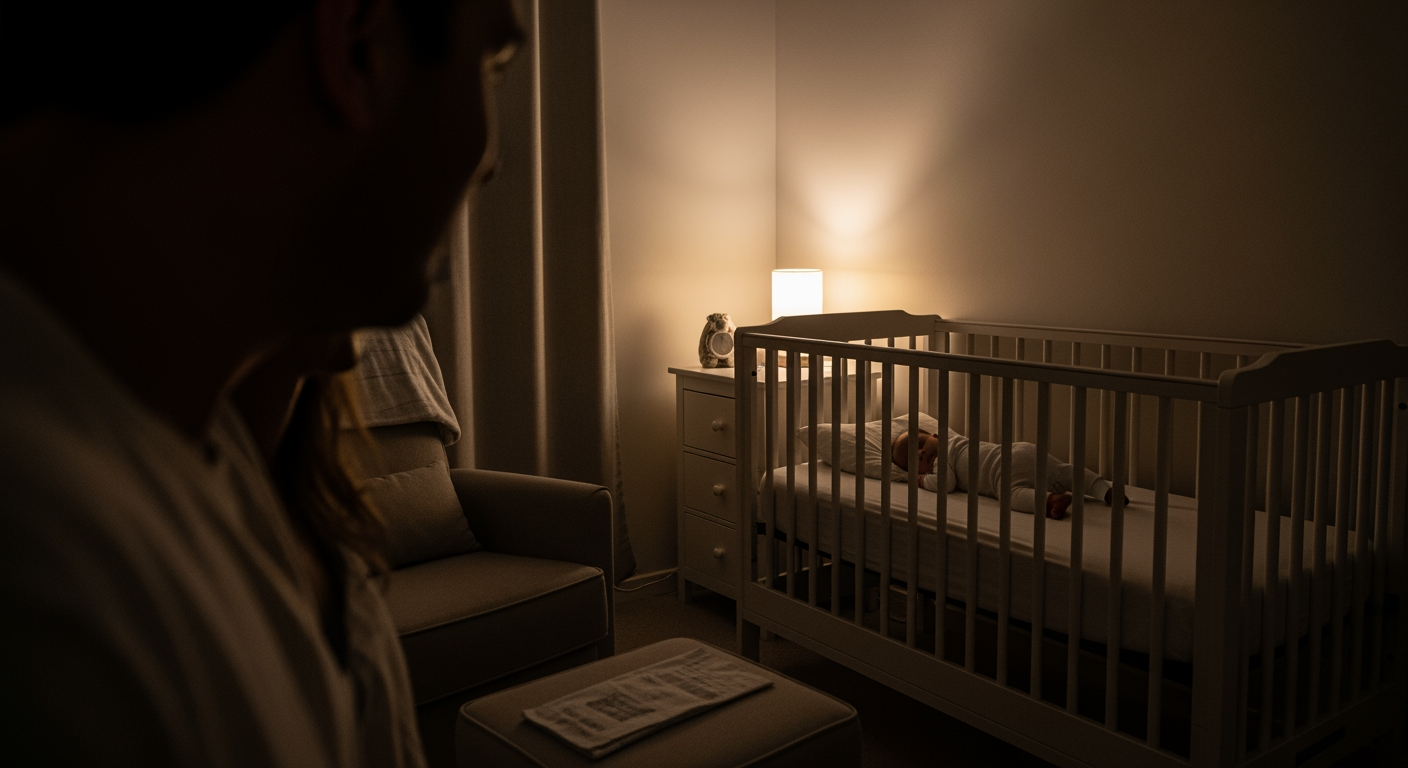
A dream feed is a feeding that you, the parent, initiate late in the evening. You give this feed to your baby while they are still mostly asleep. The typical time for a dream feed is between 10:00 PM and midnight. This is usually right before you go to bed for the night. The main goal is to “top off” your baby’s stomach with calories. This simple act can help them sleep for a longer period before they feel hungry again. It helps sync their longest sleep stretch with your own.

Think of it like topping off your car's gas tank before a long drive. You fill the tank so you do not have to stop for fuel just an hour into your trip. A dream feed does something similar for your baby. It resets their hunger clock to a later time. This means their internal alarm for food might go off hours after you have fallen asleep, not right after. This can give you a solid, uninterrupted block of sleep, which is precious for any new parent.
It is important to understand what a dream feed is not. It is not the same as feeding on demand. Feeding on demand is when your baby wakes up on their own and cries because they are hungry. In that case, you are responding to their cues. A dream feed is different because it is parent-led. You are proactively feeding them before they signal hunger, with the hope of preventing a later waking. It is a strategic tool, not a response to an immediate need.
A common myth is that a dream feed guarantees your baby will sleep through the night. This is not true. It does not necessarily add more sleep to their total for the day. Instead, its purpose is to shift the longest stretch of sleep. For example, instead of sleeping from 7 PM to 1 AM (a six-hour stretch), your baby might sleep from 10:30 PM to 4:30 AM after a dream feed. You get the same six-hour stretch, but it happens while you are also sleeping. It is a temporary technique, most useful for infants under six months old. It should be phased out as your baby matures and starts eating solid foods.
Another point of confusion is how awake the baby should be. You do not need to keep your baby completely asleep. In fact, for safety, they need to be roused enough to swallow properly. This prevents choking. The American Academy of Pediatrics (AAP) emphasizes safe sleep practices. This includes holding your baby in a semi-upright position during any feed. The goal is a sleepy, calm feeding, not one where the baby is fully unconscious. You want them to be just awake enough to participate in the feed safely before drifting back to sleep.
The Pros and Cons: Is a Dream Feed Right for Your Baby?
Deciding to try a dream feed is a personal choice. It can be a game-changer for some families, but it does not work for every baby. Understanding the potential benefits and drawbacks will help you make an informed decision. Weighing these points against your baby’s unique temperament and sleep patterns is the best way to determine if it is a good fit for you. Let's look at both sides of the coin.

Here are some of the potential pros of introducing a dream feed:
- It may give you a longer stretch of sleep. This is the primary benefit. By feeding your baby right before you go to bed, you align their longest sleep period with your own, leading to more restorative rest for you.
- It ensures your baby gets enough calories. For babies who are distractible during the day, a calm dream feed can be a great way to get in some extra ounces. It helps them meet their nightly calorie needs without an extra waking.
- It can help break a suck-to-sleep habit. If your baby needs to nurse or have a bottle to fall asleep at bedtime, a dream feed separates feeding from the act of falling asleep. This can be a gentle first step toward independent sleep.
- A partner can participate. If you are bottle-feeding, the dream feed is a perfect opportunity for a partner to take over. This gives the breastfeeding parent a much-needed break and an earlier bedtime.
However, there are also potential cons to consider:
- It might not work. Some babies simply do not respond well. They might wake up fully, refuse the feed, or continue waking at the same times as before. It is not a universal solution.
- It can disrupt deep sleep. For some babies, especially those over four months old, being roused for a feed can interrupt their most restorative sleep cycle. This can lead to more frequent wakings later in the night.
- There is a risk of overfeeding. Giving extra milk when a baby is not hungry can cause discomfort, gassiness, or increased spit-up. This can make sleep worse, not better.
- It may create a new sleep association. If continued for too long, a baby can become habituated to the 10 PM feed. They may start waking up for it out of habit, not hunger, making it harder to wean later on.
Understanding these potential issues is crucial. If your baby is not sleeping through the night, it could be due to various reasons beyond hunger. Sometimes, a dream feed can complicate things by interfering with natural sleep patterns. Carefully observe your baby’s reaction to decide if the benefits outweigh the risks for your family.
How to Dream Feed: A Step-by-Step Guide
If you have decided to try a dream feed, following a clear process can increase your chances of success. The key is to be gentle, quiet, and consistent. This routine is designed to provide your baby with calories while causing the least amount of disruption to their sleep. Remember to prioritize safety at all times. Here is how to do it, step by step.

- Time it Right. The best time for the feed is about 2-3 hours after your baby's bedtime. This typically falls between 10:00 PM and 11:30 PM, just before you go to sleep. This timing allows your baby to have a solid stretch of early night sleep. Then, the feed resets their hunger clock for the next several hours, which will hopefully overlap with your own sleep time.
- Create a Calm Environment. Keep the room as dark and quiet as possible. Avoid turning on bright overhead lights. A dim nightlight is best, especially one with a red hue, as it is less disruptive to melatonin production. Do not talk to or engage with your baby. The goal is to make the experience calm and boring, signaling that it is still time for sleep.
- Gently Rouse, Don't Fully Wake. Carefully pick your baby up from their crib. You can keep them swaddled if that is part of their routine. You want to rouse them just enough to accept the feed. Look for signs of REM sleep, like fluttering eyelids or slight movements. This is often the easiest state in which to initiate a feed. You are not trying to wake them up completely.
- Initiate the Feed. Once you are holding your baby, gently touch the bottle or nipple to their lips. This should trigger their rooting reflex, and they will likely start sucking instinctively. It is crucial to hold them in a safe, semi-upright feeding position. Never feed a baby while they are lying flat, as this increases the risk of choking and ear infections.
- Offer a Full Feed. Let your baby take a full feeding if they are willing. For breastfed babies, this may be 5-10 minutes on each side. For bottle-fed babies, it could be around 3-6 ounces. Pay attention to their cues. If they are pushing the nipple away or seem uninterested, do not force them to eat. They may not be hungry enough for it.
- Burp Gently. This step is important. Even though your baby is relaxed, they can still swallow air during the feed. A quick, gentle burping session can help release any trapped gas and prevent discomfort that might wake them up later. You can pat their back softly or hold them upright against your shoulder for a few minutes.
- Return to Crib. After the burp, place your baby gently back into their crib. They should still be very drowsy or may have already fallen back asleep. The transition should be smooth and quick. With any luck, they will settle easily and continue their slumber for a new, longer stretch.
Your Dream Feed Guide and Schedule by Age
The effectiveness of a dream feed changes as your baby develops. A strategy that works wonders for a newborn might cause problems for an older infant. It is essential to adapt your approach based on your baby's age and developmental stage. This section breaks down the goals, schedules, and key considerations for different age groups. This will help you tailor the dream feed to be as effective as possible for your little one.
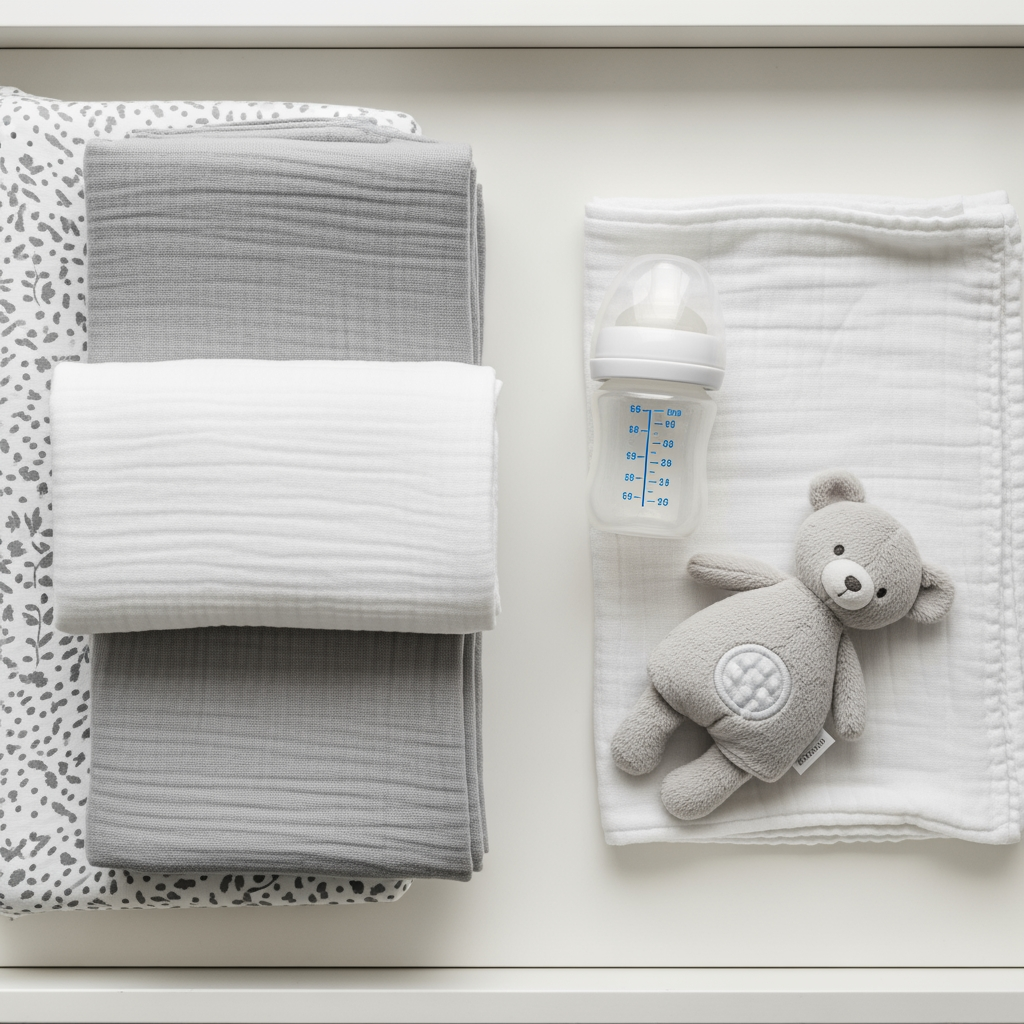
Use the table below as a quick reference. After the table, we will explore each age group in more detail. This will give you a deeper understanding of the nuances at each stage. Remember to always consult with your pediatrician about your baby’s specific nutritional needs and sleep patterns. They can provide personalized advice based on your baby's health and growth.
| Age | Goal & Schedule | Key Considerations |
|---|---|---|
| 2-3 Months | Goal: Shift the longest sleep stretch (4-6 hours) to start after your bedtime.<br>Schedule: Bedtime 7 PM -> Dream Feed 10 PM -> Next feed ~2-4 AM. | – This is the ideal age to start.<br>- Baby's sleep patterns are just starting to regulate.<br>- Give it at least 5-7 nights to see if it's working. |
| 4-5 Months | Goal: Consolidate night sleep and navigate the 4-month sleep regression.<br>Schedule: Bedtime 7 PM -> Dream Feed 10:30 PM -> Aim for sleep until 5 AM or later. | – Can become disruptive as sleep cycles mature. If it causes more waking, it's time to stop.<br>- Hunger is often not the only cause of waking at this age; consider sleep associations. |
| 6-9 Months | Goal: Begin weaning the dream feed as solids are established.<br>Schedule: Reduce feed amount/duration gradually before dropping it. | – Most babies are developmentally ready to sleep 7+ hours without calories.<br>- Continuing can interfere with their ability to self-wean and may disrupt deep sleep. |
At 4-5 months, many babies go through a sleep regression. Their sleep cycles become more adult-like, with more light sleep phases. A dream feed can sometimes disrupt these new cycles, causing more wakings. If you find the feed makes sleep worse, it is a clear sign to stop. At this age, wakings are often due to sleep associations rather than just hunger. The baby may need to learn to connect sleep cycles on their own.
By 6-9 months, most babies are ready to move on from the dream feed. As they start eating solid foods, their nutritional needs change. They can often consume enough calories during the day to sleep for long stretches at night. Continuing a dream feed can sometimes interfere with their appetite for solids. It can also create a habit that is hard to break. The goal at this stage is to transition away from the feed. Understanding the night weaning timeline by age can provide a helpful framework for this process. Focus on gradually reducing the feed to help your baby sleep through the night without it.
Troubleshooting: When the Dream Feed Backfires
Even with the best plan, you might run into problems. It is normal for things not to go perfectly. The key is to know how to respond when the dream feed does not work as expected. This section addresses some of the most common issues parents face. By identifying the problem and trying a different approach, you can often get back on track. Or, you might realize that the dream feed is not the right tool for your baby, which is also a valuable discovery.

Here are some common problems and their solutions:
- Problem: Baby wakes up fully and will not go back to sleep. This is a frustrating outcome. The feed is meant to keep them sleepy. If they become alert and want to play, the disruption is too great. Solution: Check your environment. Is it truly dark and boring? Any stimulation can signal playtime. You might also be attempting the feed at the wrong time. Your baby could be in a lighter sleep stage. Try shifting the feed 15 minutes earlier or later to see if that helps.
- Problem: Baby refuses the feed or will not latch. Your baby might clamp their mouth shut or turn their head away. This is a clear signal they are not interested. Solution: Never force a feed. Your baby may simply not be hungry. You can put them back down and try again in 20-30 minutes. If they still refuse, accept that it is not for them tonight. A consistent refusal over several nights is a sign that the dream feed may not be a good fit.
- Problem: Baby is waking *more* often after starting the dream feed. This is a big red flag. The feed should reduce wakings, not increase them. Solution: This is the clearest sign that the feed is disrupting your baby's natural sleep cycles. This is very common in babies over four months old. The best course of action is to stop the dream feed completely for a few nights. See if their sleep consolidates again. If it does, you have your answer.
- Problem: Baby is gassier or spits up more. Discomfort from gas or reflux can ruin sleep. If you notice an increase after starting the dream feed, the feed itself could be the cause. Solution: Make sure you are doing a thorough but gentle burping session after the feed. You might also be overfeeding. Try offering a slightly smaller amount. For example, reduce the bottle by one ounce or shorten the nursing time by a couple of minutes. If this doesn't help, you may need to stop the feed.
If these troubleshooting tips do not work, it might be time to consider dropping the feed. For breastfeeding mothers concerned about this change, learning how to wean the dream feed and protect milk supply can be very reassuring. It is all about listening to your baby and being willing to adjust your strategy.
Next Steps: How and When to Stop the Dream Feed
The dream feed is a temporary tool, not a permanent part of your routine. Knowing when to stop is just as important as knowing when to start. Continuing for too long can create a habitual waking that is hard to break. Most babies are ready to drop the dream feed between 6 and 9 months of age. By this time, they are often getting substantial nutrition from solid foods and can sleep for longer stretches without needing calories.

Look for these key signs that your baby is ready to stop: they consistently sleep from the dream feed until morning for over two weeks; they are starting solids and eating well during the day; they are taking less and less milk during the feed; or the feed itself has become disruptive to their sleep. If you see one or more of these signs, it is likely time to begin the weaning process. There are two common methods you can use.
- Gradual Weaning: This is a gentle approach that gives your baby time to adjust. If you are bottle-feeding, reduce the amount in the bottle by one ounce every few nights. Continue this until the feed is just one or two ounces, then stop completely. If you are breastfeeding, reduce the nursing time by two minutes every few nights. Once you are down to just a couple of minutes, you can stop. This slow reduction helps your baby's body adapt to going longer without the calories.
- Cold Turkey: This method is faster and can be effective for babies over six months who are well-established on solids. If you believe the feed is purely a habit, you can simply stop offering it. Be prepared to use other soothing methods, like patting or shushing, if your baby wakes up during the first few nights. They may protest for a night or two, but they often adjust quickly when they realize the feed is no longer happening.
Whichever method you choose, be consistent. Moving on from the dream feed is a positive step toward independent sleep. It shows that your baby is maturing and developing healthy sleep habits. Remember that every baby is different, so be patient with the process. You are helping them learn a valuable skill for life.
Is the dream feed not working or do you need a complete sleep plan for your baby's age? Get a personalized, step-by-step sleep routine from BabySleep.coach to solve your baby's sleep challenges tonight.