
You place your baby in their crib. You know they are tired. They are rubbing their eyes and yawning. But the moment their back touches the mattress, they begin to cry. This nap protest can feel frustrating and confusing. You might feel exhausted and desperate for a break. Many parents feel guilty or anxious when their baby fights sleep so hard.
First, know that you are not alone. It is very normal for babies to fight naps. This nap strike is often a phase. It is your baby's way of communicating a need. You can solve this problem without leaving your baby to cry. This guide offers gentle, step-by-step strategies to help. We will explore why your baby resists naps at different ages.
You will learn the difference between an overtired and undertired baby. We will cover the foundations of a great nap environment. You will also find age-specific advice and gentle methods you can start today. These interventions will help bring back peaceful naps for your baby and for you.
The Two Main Culprits: Overtired vs. Undertired
Understanding why your baby fights sleep is the first step. Most nap battles come down to two main issues: overtiredness or undertiredness. These two states can look similar. Both result in a baby who will not nap. However, the reasons behind them are opposite. Learning to spot the difference will make you a sleep detective for your baby. This knowledge helps you respond to their needs correctly.

An overtired baby is one who has missed their ideal window for sleep. Think of it like when you feel so exhausted you get a second wind. You feel wired and tired at the same time. This happens to babies, too. When a baby is awake for too long, their body releases stress hormones. These hormones are cortisol and adrenaline. They act like a shot of caffeine. This makes it very hard for the baby to calm down and fall asleep. This is why a very tired baby often cries frantically instead of drifting off. Learning to recognize the signs of an overtired baby is a key skill. An overtired state can also lead to short, un-restorative naps. This creates a cycle of poor sleep that is hard to break.
On the other hand, an undertired baby is not ready for sleep yet. They simply do not have enough sleep pressure. Sleep pressure builds up during awake time. Think of your baby's need for sleep like a battery. After they wake up, their 'social battery' is full. As they play and learn, the battery drains. When it's low, they need a nap to recharge. If you try to put them down for a nap too early, their battery is still too full. They haven't been awake long enough to feel sleepy. An undertired baby might lie in the crib happily. They might babble or play. Or they may fuss because they are bored and want to get out. They are not tired enough to connect with the need for sleep.
The key is to watch your baby's wake windows. A wake window is the amount of time a baby can comfortably stay awake between sleeps. Following these windows is often more effective than a strict clock schedule, especially for young infants. Below is a table to help you tell the difference between these two states. Use it as a quick guide to figure out what your baby needs in the moment.
| Sign | Overtired Baby | Undertired Baby |
|---|---|---|
| Crying | Intense, frantic, hard to soothe | Mild fussing or complaining; may stop and start |
| Behavior | Hyperactive, "wired," avoids eye contact | Calm, playful, or babbling happily in the crib |
| Latency to Sleep | Cries for a long time before crashing | Lies in the crib awake for 30+ minutes without distress |
| Nap Length | Often leads to short, un-restorative "disaster naps" | May take a short nap because sleep pressure is low |
Remember that these signs are just clues. Your baby might show a mix of signs. The goal is to observe and learn their unique patterns. Over time, you will get better at knowing exactly when they are ready for a nap. This prevents both overtiredness and undertiredness. It sets the stage for peaceful sleep.
Your Gentle Nap Intervention Toolkit: The Foundations
Before trying specific sleep training methods, it is vital to set the right stage for sleep. A perfect sleep environment can solve many nap problems on its own. These foundational elements work for babies of all ages. They signal to your baby's brain that it is time to wind down and rest. Think of these as the first and least intrusive interventions you can make. They are powerful tools in your gentle sleep toolkit.
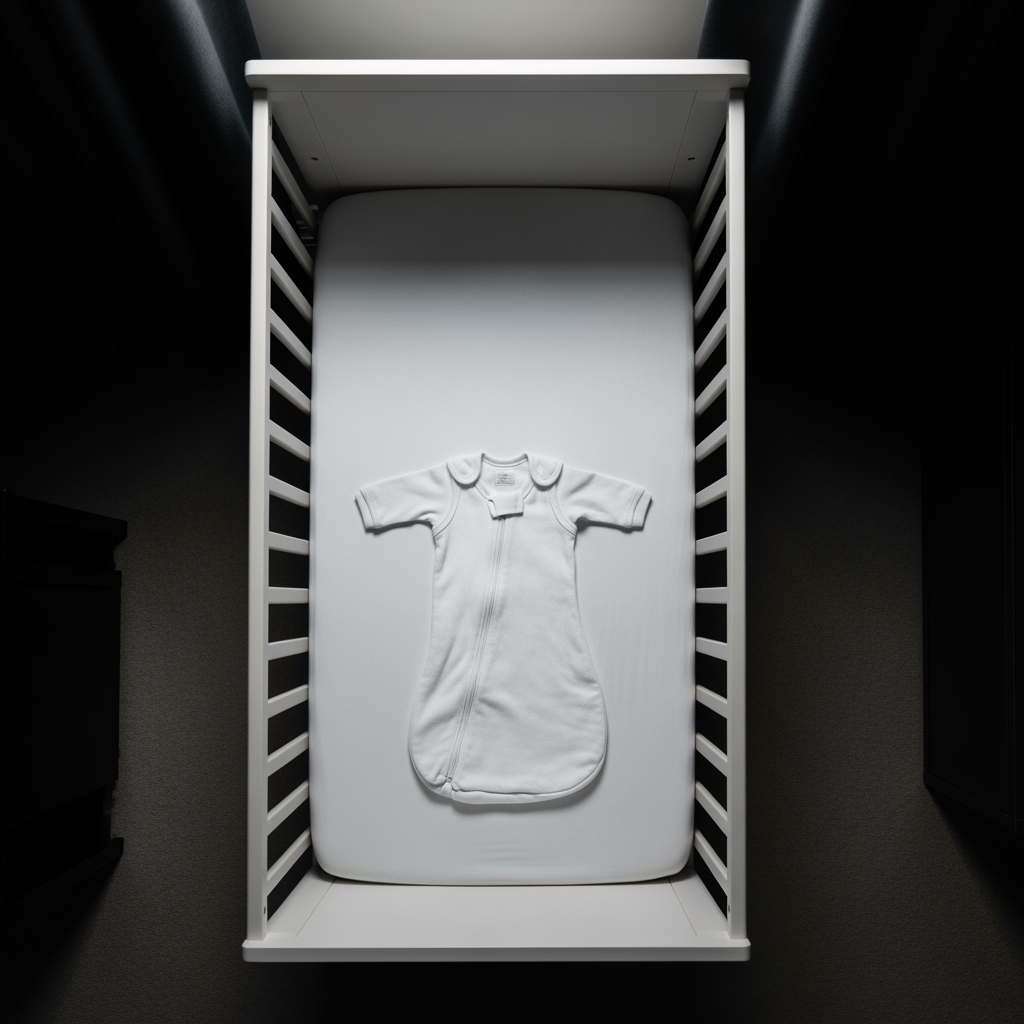
- A Pitch-Black Environment: Darkness is a powerful sleep cue. It tells the brain to produce melatonin, the hormone that makes us sleepy. Even a small amount of light can interfere with this process. Use blackout curtains or temporary paper shades to make your baby's room as dark as a cave. You should not be able to see your hand in front of your face. This darkness helps babies fall asleep faster. It also helps them connect sleep cycles for longer, more restorative naps. Some parents worry this will make their baby unable to sleep anywhere else. However, for a baby who is fighting naps, creating a perfect sleep space at home is the priority. You can always be more flexible once naps are going well.
- Continuous White Noise: The world outside the womb is loud and startling. A white noise machine creates a constant, soothing sound. This sound mimics what your baby heard for months in the womb. It helps to mask sudden household noises, like a doorbell or a dog barking. These noises can easily wake a baby from a light sleep stage. The sound should be continuous and run for the entire duration of the nap. Place the machine across the room from the crib, not right next to it. The volume should be no louder than a soft shower. This consistent sound becomes a strong sleep association that helps calm a fussy baby.
- A Cool Temperature: A baby's room should be cool but comfortable. The American Academy of Pediatrics (AAP) recommends a temperature between 68–72°F (20–22°C) for safe sleep. A cool room helps prevent overheating. Our bodies naturally cool down to initiate and maintain sleep. A cooler room supports this biological process. Dress your baby in appropriate layers, like a onesie and a sleep sack. Avoid loose blankets in the crib to stick with safe sleep guidelines. A room that is too warm can make a baby fussy and unable to settle.
- A Consistent (but brief) Nap Routine: Babies thrive on routine. A simple, predictable nap routine signals that sleep is coming. This is not the time for a long bath or exciting play. The routine should be short, about 5-10 minutes. This helps you implement it easily before every nap. An example routine could be: change the diaper, close the blackout curtains, put on the sleep sack, turn on the white noise, sing one quiet song, and then place the baby in the crib. The exact steps do not matter as much as the consistency. This sequence helps your baby's internal clock get set. They learn to expect sleep, which can reduce resistance over time.
Gentle Interventions by Age: Finding What Works for Your Baby
The reasons a baby fights naps change as they grow. A 4-month-old's protest is very different from a 14-month-old's. Understanding the developmental stage of your baby is crucial. It allows you to tailor your gentle approach to meet their specific needs. This section breaks down nap-fighting by age. It offers targeted insights and strategies for each phase.

4-7 Months: The Regression & Awareness Era
Around four months, many babies experience a major sleep regression. This is not a temporary setback. It is a permanent change in their sleep architecture. They start to cycle through light and deep sleep, just like adults. This means they are more likely to wake up between sleep cycles, especially during naps. They have not yet learned how to connect these cycles on their own. At the same time, their awareness of the world explodes. They are easily distracted by new sights and sounds. This can make it hard for them to switch off and fall asleep. Your gentle goal during this phase is to provide comfort and help them learn to link their sleep cycles together. Focus heavily on wake windows to avoid overtiredness, which makes everything harder. You may need to offer more hands-on help, like rocking or holding, to get a nap to happen. Then, you can work on slowly reducing that support.
8-12 Months: The Separation Anxiety & Motor Skills Phase
This age is marked by huge developmental leaps. Your baby now understands object permanence. They know you still exist even when you leave the room. This can lead to intense separation anxiety. They may cry the moment you try to leave them in their crib. They are also mastering major motor skills, like crawling and pulling to stand. The crib can suddenly seem like a fun practice gym instead of a place for sleep. It is common for a baby to pull up on the bars and cry, unable to get back down. Your gentle goal here is to provide immense reassurance and calm leadership. During awake time, play games like peek-a-boo to reinforce that you always come back. Practice getting down from a standing position. Before the nap, have a clear and loving goodbye ritual. You can gently teach your baby to self-soothe by staying present and offering comfort as they learn to settle without you leaving immediately.
12-24 Months: The Autonomy & Nap Transition Battle
Welcome to the toddler years. Your little one is now asserting their independence. The word "no" becomes a favorite, and they are testing boundaries everywhere, including at naptime. They may have a serious case of FOMO (Fear Of Missing Out). They would rather play than sleep. This often happens right around the tricky transition from two naps to one. Your child might seem ready to drop a nap one day but be an overtired mess the next. Your gentle goal is to offer limited, appropriate choices while holding firm and consistent boundaries. For example, let them choose which of two books to read or which sleep sack to wear. This gives them a sense of control. If they refuse to nap, insist on a mandatory "quiet time" in their crib with some books. This ensures they still get a chance to rest their bodies. Consistency is your best friend during this phase.
The Gentle Intervention Ladder: Choose Your Approach
When you have the right environment and are targeting your baby's developmental stage, you can choose a specific intervention. These methods are considered gentle because they involve parental presence and comfort. They are not "cry-it-out" approaches. The idea is to support your baby as they learn the skill of falling asleep independently. This ladder presents the methods from least to most hands-on. You can choose the one that feels right for your family and your baby's temperament. Remember that there are many effective alternatives to cry it out, and finding the right fit is key.

- Timed Checks (The "Leave and Check" Method): This method balances giving your baby space with providing reassurance. After your nap routine, place your baby in the crib drowsy but awake. Say your goodnight phrase and leave the room. If they start to cry, wait for a short, set interval. For example, you might start with 3 minutes. After 3 minutes, go back in. Offer brief verbal reassurance ("It's sleepy time, I love you") and a gentle pat. Then, leave again. If they continue to cry, you extend the next interval slightly, perhaps to 5 minutes. The goal is not to stop the crying during your check-in. It is to let your baby know you are still there. This method helps many babies learn to find their own comfort in the short spaces between checks.
- The Chair Method: This is a very gradual approach for parents who want to stay in the room. You start by doing your nap routine and placing your baby in the crib. Then, you sit in a chair right next to the crib. You can offer verbal comfort and occasional physical touch if needed. You stay in the chair until your baby falls asleep. Every few nights, you move the chair a little further away from the crib. First to the middle of the room, then to the doorway. Eventually, you will be in the hallway with the door ajar. Finally, you will be able to leave after putting them down. This method is slow and steady. It works well for babies with separation anxiety, as your presence is constant.
- Pick Up, Put Down: This method offers the most physical comfort. After placing your baby in the crib, you stay in the room. If they cry, you immediately pick them up and comfort them. Rock them, shush them, or hold them until they are calm again. The moment they stop crying and are calm, you put them back down into the crib, even if they are still awake. If they start crying again, you repeat the process. On the first few nights, you may have to do this dozens of times. It can be very stimulating for some babies. However, for others, this high level of responsiveness is exactly what they need to feel secure enough to sleep. It reassures them that you will always respond to their needs.
2026 Wake Windows & Nap Schedules: A Practical Chart
One of the most powerful tools against nap fighting is an age-appropriate schedule. However, for babies, a "schedule" is less about the clock and more about their wake windows. A wake window is the maximum amount of time a baby can be happily awake before they need to sleep again. Putting a baby down for a nap at the end of their wake window, before they become overtired, is the secret to an easy nap time. This debunks the myth that you must follow a rigid, by-the-clock schedule from birth. Following sleepy cues and wake windows is far more effective.

The chart below provides a guide to average wake windows and sleep needs by age for 2026. Remember, this is a starting point. Your baby is unique. They may need slightly more or less awake time. Use this chart as a guide, but always watch your baby for their personal sleepy cues, like yawning, eye rubbing, or staring into space. Adjust based on their needs.
| Age | Wake Window | Number of Naps | Total Daytime Sleep |
|---|---|---|---|
| 4-5 Months | 1.5 – 2.5 hours | 3-4 | 3.5 – 5 hours |
| 6-8 Months | 2 – 3 hours | 2-3 | 3 – 4 hours |
| 9-12 Months | 2.5 – 3.5 hours | 2 | 2.5 – 3 hours |
| 13-18 Months | 3 – 5 hours | 1-2 (transition) | 2 – 3 hours |
| 18-24 Months | 5 – 6 hours | 1 | 1.5 – 2.5 hours |
If your baby is fighting a nap, check the chart. Have they been awake long enough? Or have they been awake for too long? Adjusting the wake window by just 15 minutes can often make a huge difference. For nap transitions, you may need to alternate between one-nap and two-nap days for a few weeks to avoid overtiredness.
Your Next Steps to Peaceful Naps
You now have a full toolkit to address your baby's nap battles. Remember that the core reasons are often simple. Your baby is either too tired or not tired enough. Your first step is to become a sleep detective. Optimize the sleep environment with darkness and white noise. Then, use the age-appropriate wake window chart as your guide. This alone will solve many problems.
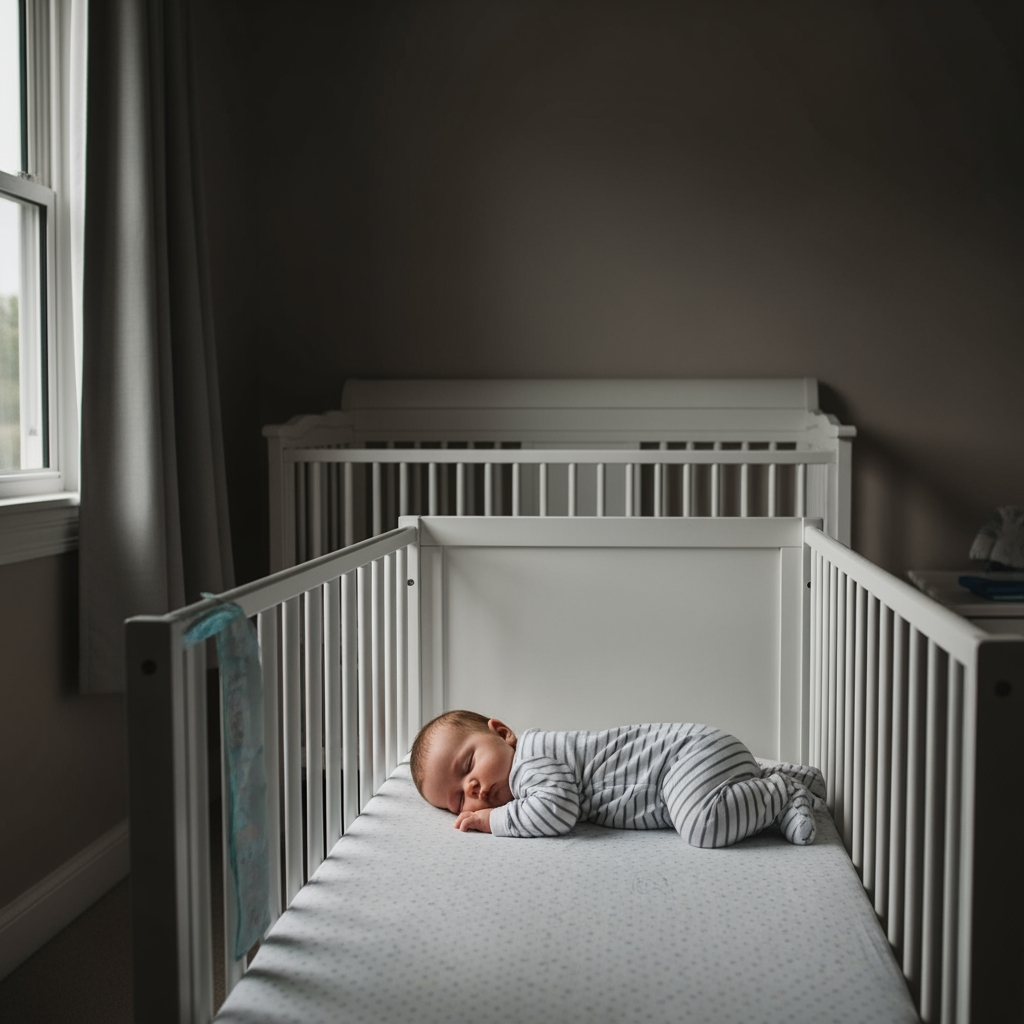
If nap fighting continues, choose one gentle intervention from the ladder. Pick the one that feels best for your parenting style and your baby's temperament. The most important ingredient for success is consistency. Try your chosen method for at least a week to give it a fair chance to work. There may be some protest at first, but with calm and consistent support, your baby will learn.
It is also okay to have a bad day. If you have tried for a nap for 30 minutes and it is not happening, take a break. Engage in some quiet activity for 15-20 minutes and then try again. If the nap is a total loss, it is better to move on and aim for an earlier bedtime. This prevents a spiral of overtiredness. You are the expert on your baby. Trust your instincts. If you are still struggling and need more support, a personalized plan can provide the specific, step-by-step routine to finally achieve peaceful sleep.