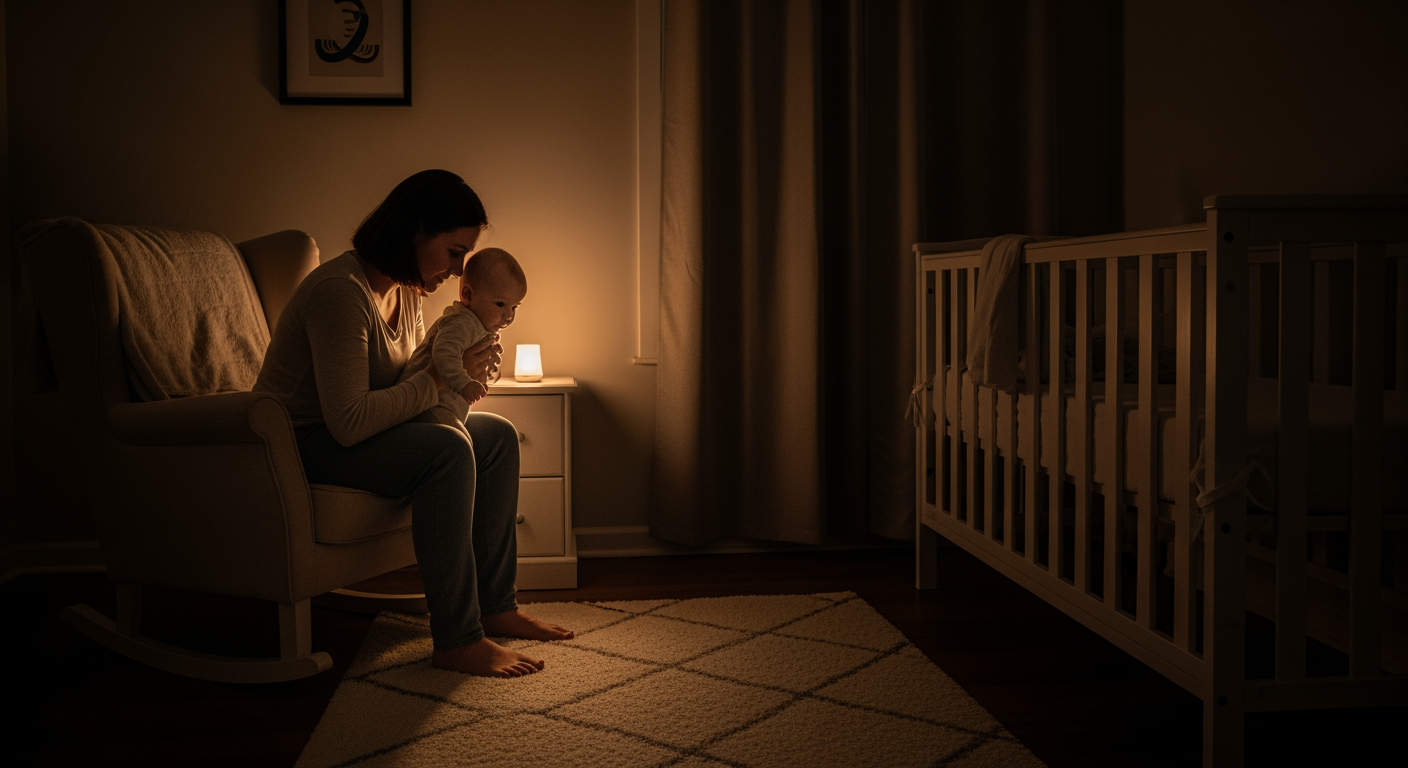
You thought you had it figured out. After months of hard work, your baby was finally sleeping through the night. Then, seemingly overnight, everything fell apart. Your one-year-old is now fighting every nap, waking up multiple times a night, and protesting bedtime with surprising new energy. It can feel frustrating and confusing. You might even feel like you have failed. Please know this: you are not alone, and you have not done anything wrong. You have just met the 12-month sleep regression.
This sudden change in sleep is incredibly common. It is also temporary. The key is to understand what is happening in your baby's brain and body. This is not a true step backward in their skills. In fact, it is a sign of amazing progress. This disruption is caused by major developmental leaps. Your baby is not regressing; they are progressing at an incredible speed, and their sleep is just trying to keep up.
This guide will offer the gentle support you need. We will explain the causes behind this challenging phase. You will find a toolkit of gentle, supportive methods to get sleep back on track. We will not tell you to leave your baby to cry alone. Instead, we will focus on strategies that honor your bond while re-establishing healthy sleep habits. You will also find practical tips to support your own well-being during this exhausting time.
What Is the 12-Month Sleep "Progression" (and Why Does It Feel Like a Regression)?
A sleep regression is a temporary period when a baby who was sleeping well suddenly experiences disruptions. These can include fighting sleep, frequent night wakings, or refusing naps. The 12-month sleep regression typically happens between 11 and 15 months of age. For most families, this phase lasts from one to three weeks. It is important to respond with consistency. Inconsistent responses can create new habits that are hard to break. This can cause the regression to last for up to six weeks.

Calling this phase a "progression" is more accurate. It is directly linked to positive growth and learning. Think of it like a major software update for your baby's brain. While exciting new features like walking and talking are being installed, the whole system can get a little buggy. Their sleep patterns are the temporary glitch during this incredible upgrade. Their brain is so busy processing new skills that it has a hard time shutting down for sleep. This is not a sign of a problem. It is a sign of healthy, normal development.
The common signs are easy to spot. Your baby might start standing, cruising, or bouncing in the crib instead of lying down. They may cry as soon as you leave the room at bedtime. Naps they once took easily are now a daily battle. They might wake up during the night and stay awake for long periods, wanting to play or practice their new skills. Understanding that these behaviors are symptoms of a developmental leap can help you respond with patience instead of frustration. Your baby is not trying to be difficult. They are simply overwhelmed by all the new things they can do and understand.
At 12 months old, your baby needs about 13.25 hours of total sleep. This is usually broken down into 11-12 hours of sleep at night and 2-3 hours of daytime sleep spread over two naps. Their awake windows, the time they can comfortably stay awake between sleep periods, are typically 3.5 to 4 hours long. When this regression hits, these patterns get thrown off. A missed nap can lead to an overtired baby, which makes it even harder for them to fall asleep and stay asleep at night. This creates a difficult cycle for parents to manage. The key is to guide them back to their routine gently.
The 3 Main Causes: Why Your One-Year-Old Suddenly Won't Sleep
Understanding why your baby's sleep has suddenly changed is the first step toward solving it. This regression is not random. It is fueled by a perfect storm of developmental changes happening all at once. Three main triggers are at play: huge physical and cognitive milestones, a peak in separation anxiety, and a tricky phase in their nap schedule. By identifying these causes, you can tailor your response to what your child truly needs during this time.

Developmental Milestones (Walking, Talking)
Around their first birthday, your baby's world is expanding at a dizzying pace. They might be learning to pull up to a stand, cruise along furniture, or even take their first independent steps. At the same time, their language skills are exploding. They are beginning to understand more words and may be saying their first few words like "mama" or "dada." These are incredible achievements, and your baby is just as excited about them as you are. They would much rather practice these new skills than sleep.
This desire to practice does not stop at bedtime. When you put them in their crib, their brain is still buzzing. Instead of winding down, they see it as a perfect opportunity to practice pulling to stand. The best way to combat this is to provide plenty of time for practice during their awake windows. Fill their days with floor time. Encourage them to crawl, climb, and walk in a safe space. Talk to them constantly and read books to support their language development. A baby who has had lots of time to get their wiggles out during the day is more likely to be ready for rest at night.
Separation Anxiety Peaks
Separation anxiety often hits a major peak around 12 months. This is tied to a cognitive leap called "object permanence." Your baby now fully understands that you continue to exist even when you are not in the room. Before, it was a case of "out of sight, out of mind." Now, they know you are somewhere else, and they would much rather be with you. This is why they may start to cry hysterically the moment you walk out of their room at bedtime.
While it is difficult, especially at 2 a.m., this intense protest is actually a positive sign. It shows that your baby has formed a strong, secure attachment to you. They see you as their safe space, and they feel that safety is gone when you leave. To help them through this, offer extra cuddles and reassurance during the bedtime routine. During the day, play games like peek-a-boo or hide-and-seek. These simple games reinforce the idea that you always come back. This theme of managing separation anxiety is also a crucial part of navigating the 8 month sleep regression, showing how important it is at various developmental stages.
Nap Transition Confusion
Many parents mistakenly believe that the 12-month regression is a sign that their baby is ready for one nap. This is a common myth. Most toddlers are not ready to transition from two naps to one until they are between 14 and 18 months old. At 12 months, your baby is likely experiencing nap *resistance*, not nap *readiness*. They fight their second nap of the day, but they still desperately need it. Giving in and dropping the nap too early is a frequent cause of worsening sleep problems.
When a 12-month-old misses their second nap, they become overtired by bedtime. An overtired baby has a harder time falling asleep and staying asleep. This is because their body releases stress hormones like cortisol to keep them going, which fights against sleep. This leads to more night wakings and can even cause early morning wake-ups. It is far better to stick with the two-nap schedule for as long as possible. This kind of nap resistance is a frequent challenge, much like the one parents face when they need to guide their baby to drop the third nap earlier in the first year. If your baby is fighting that second nap, try capping the morning nap to ensure they are tired enough in the afternoon.
A Toolkit of Gentle Methods: How to Respond with Support
When you are exhausted, it is tempting to try anything to get more sleep. However, the 12-month regression is a time to be intentional with your response. The goal is to offer comfort and support without creating new, long-term sleep crutches that you will have to undo later. This means avoiding habits like rocking or feeding your baby to sleep every time they wake up. Instead, you can use a gentle, structured approach. There is no single method that works for every family. The best choice depends on your baby's temperament and your own comfort level. Below are two effective and popular gentle methods you can try.
Method 1: The Chair Method (Gradual Withdrawal)
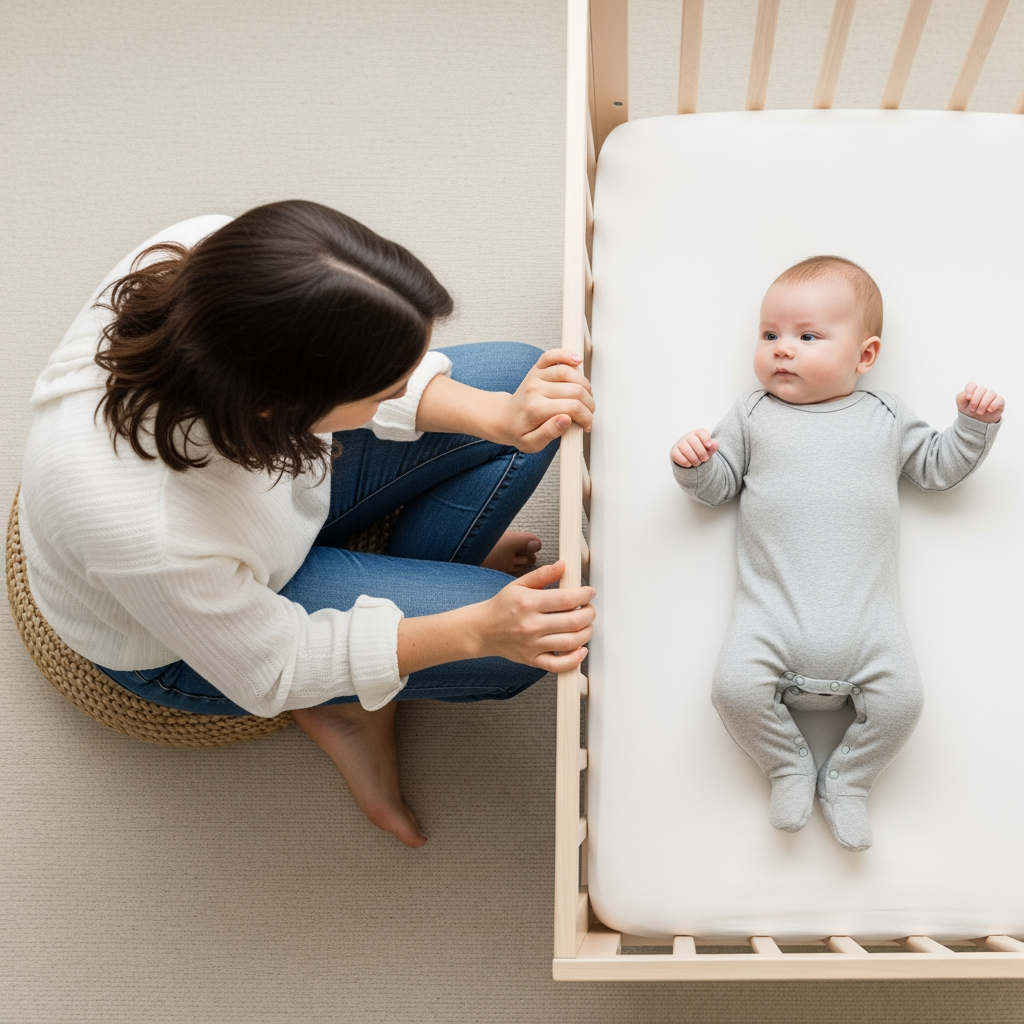
The Chair Method is an excellent choice for babies who are comforted by your presence but may get more stimulated by physical touch. It is a form of gradual withdrawal that reassures your child that you are there for them while still giving them the space to learn to fall asleep on their own. This method requires patience, as it can take a week or more to see results, but it is very effective. The core idea is to be a calm, boring presence in the room until your child falls asleep.
- After your usual bedtime routine, place your baby in their crib drowsy but awake. Say your goodnight phrase and sit down in a chair placed right next to the crib.
- If your baby stands or cries, you can offer brief, soothing verbal reassurance like, "I'm here, it's time to sleep." Try to avoid picking them up unless they are completely hysterical.
- Remain in the chair until your baby is fully asleep, then quietly leave the room. If they wake up later, repeat the process.
- Every two to three nights, move the chair a little closer to the door. Continue this gradual move until the chair is in the hallway with the door open, and eventually, you are no longer in the room at all.
Method 2: Pick Up, Put Down (For Reassurance)
The Pick Up, Put Down method is best for babies who are genuinely distressed and are quickly calmed by physical contact. This approach provides that hands-on reassurance while consistently reinforcing that their crib is the place for sleep. Be prepared: this method can be very physically and emotionally demanding at first. It is not uncommon to repeat the cycle dozens of times in one night when you are starting out. The key is consistency and committing to the process.
- Place your baby in their crib after their routine and leave the room.
- If they begin to cry, wait a brief moment to see if they will resettle, then go in. Pick them up and comfort them with cuddles and soothing words until they are calm.
- This is the most important step: place them back into their crib as soon as they are calm, but while they are still awake. Do not hold them until they are drowsy or asleep.
- Leave the room again. If they cry, repeat the process. The goal is for them to learn that you will always come, but that sleep happens in the crib.
These are just two possible strategies to help you through this phase. Each family and baby is different, so what works for one may not work for another. If you would like to explore more options, it can be helpful to review a no-cry sleep methods comparison to find the perfect fit for your philosophy and your baby's unique personality.
Your Survival Plan: Supporting Yourself and Your Partner
Navigating the 12-month sleep regression is as much a challenge for parents as it is for babies. The prolonged sleep deprivation can lead to parental burnout, a state of deep emotional and physical exhaustion. Taking care of yourself is not a luxury during this time; it is a necessity. You cannot provide the calm, consistent support your baby needs if you are running on empty. Focusing on your own well-being and supporting your partner will give you the strength to get through this phase together.

It's Okay to Feel Overwhelmed
Let's be honest: this is hard. It is perfectly normal to feel frustrated, angry, or even resentful when you are woken up for the fifth time in one night. You might feel like all your previous efforts to teach good sleep habits have been wasted. These feelings are valid. Acknowledge them without judgment. Remind yourself that this is a temporary and normal phase. It is not your fault. You have not messed anything up. In fact, this is happening because your baby is developing in a healthy, wonderful way. Shifting your mindset from "My baby is fighting me" to "My baby is struggling and needs my help" can make a world of difference.
Give yourself permission to feel tired and overwhelmed. Talk about it with your partner, a friend, or other parents who understand. Sharing the burden can make it feel much lighter. The pressure to be a perfect parent is immense, but during a sleep regression, the goal is simply to survive. Let go of the idea that you should be enjoying every moment. Some moments are just about getting through, and that is more than okay.
Practical Coping Strategies
Beyond managing your mindset, there are practical steps you can take to reduce stress and get more rest. Teamwork and self-compassion are your most powerful tools. Here are a few strategies to help you and your partner survive:
- Tap Out: If you have a partner, work in shifts. One person can handle all wake-ups from bedtime until 1 a.m., while the other sleeps in a separate room with earplugs. Then, you switch. This ensures each of you gets a solid, uninterrupted block of sleep.
- Prioritize Your Sleep: Go to bed when your baby does, or as early as possible. Even if you just get a few extra hours before the first night waking, it can make a huge difference in your ability to cope. The dishes and laundry can wait.
- Seek Support: Do not be afraid to ask for help. Ask a family member or friend to watch the baby for an hour or two so you can take a nap, go for a walk, or just sit in silence. Connecting with other parents going through the same thing can also be a lifeline.
- Give Yourself Grace: Lower your expectations for everything else. This is not the time to deep clean the house or start a new project. Use paper plates for dinner. Let the toys stay on the floor. Your only job right now is to care for your baby and yourself.
What This Means for You: Moving Forward
The 12-month sleep regression is a challenging but temporary chapter in your parenting journey. Remember that it is a sign of your baby's healthy and exciting development. Your most powerful tools for getting through it are patience and consistency. Choose a gentle approach that feels right for your family, and stick with it. Your baby craves predictability, and providing a consistent response will help them feel secure and get through this phase faster.

As you move forward, continue to focus on the fundamentals. Ensure your baby gets lots of daytime activity to practice their new skills. Protect their two-nap schedule fiercely to avoid overtiredness. And maintain a calming, consistent bedtime routine to signal that it is time to wind down. The strong, independent sleep skills you build now will not only solve this regression but will also lessen the impact of future bumps in the road.
You have the knowledge and the tools to handle this. Trust your instincts and give yourself and your baby plenty of grace. If you find that this general advice is not enough, or if you feel you need a more personalized plan, we are here to help. You can explore age-specific programs that offer gentle, step-by-step routines to guide you, providing clear support without the cost of a full consultation. Better sleep for your whole family is just around the corner.