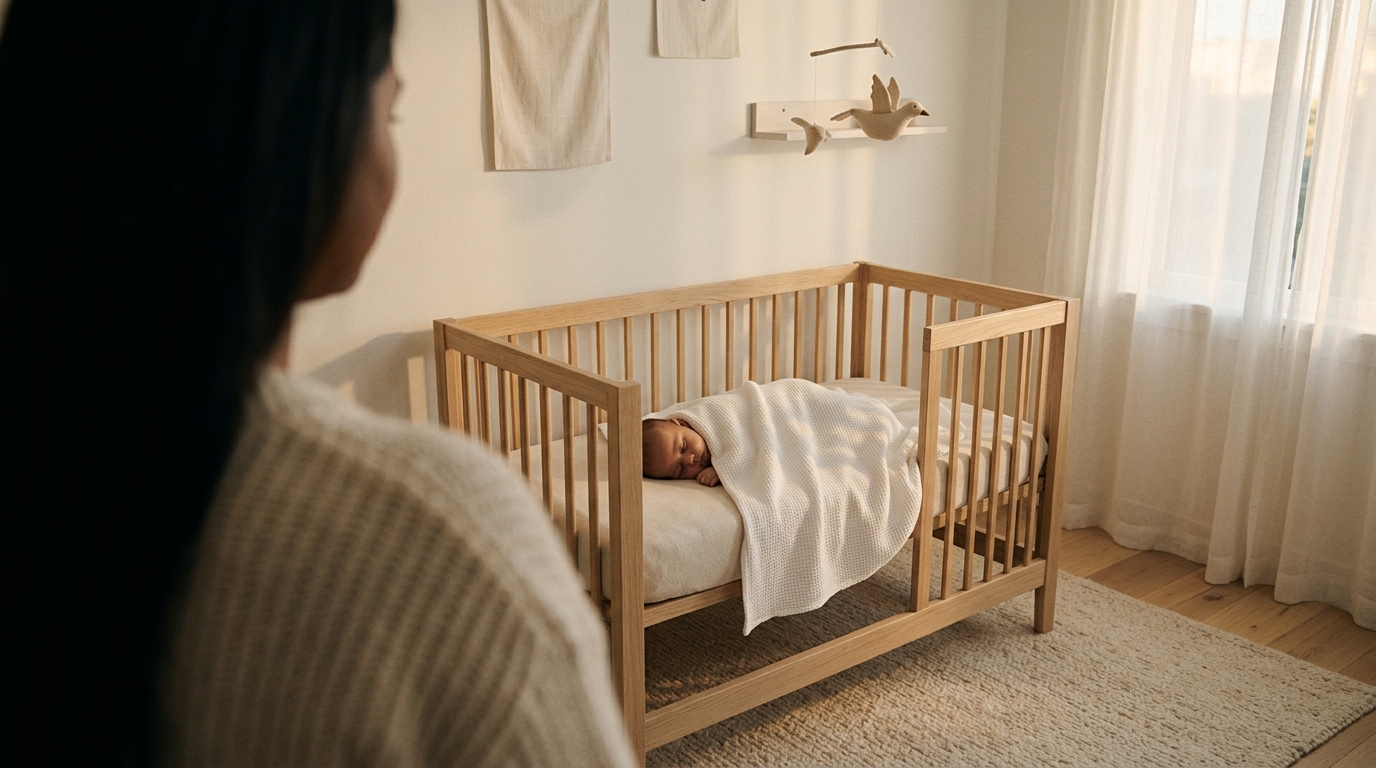
Are you reading this on your phone at 3 AM? You might be rocking or feeding a baby who will not stay asleep. You are likely exhausted. You want a solution, but you also want to be a responsive, loving parent. The idea of leaving your baby to cry alone feels wrong.
You are not alone. Many parents feel this way. They search for a better path and find a world of conflicting advice. This is where gentle sleep guidance comes in. It offers an effective, compassionate alternative. It respects your bond with your child while helping everyone get the rest they need.
This guide will help you understand what gentle sleep guidance really is. We will explain the core methods used in most online programs. Then, we will give you a clear framework for choosing the right approach for your family. This is a judgment-free guide to finding a method that works for your baby and for you.
What "Gentle Sleep Guidance" Actually Means
The term "gentle sleep" is used a lot online. It is important to know what it means. Gentle sleep guidance is a philosophy, not a single strict method. It focuses on a gradual approach. The goal is to teach your child independent sleep skills with your loving support. You remain present and reassuring. This is very different from extinction methods, also known as "cry-it-out," where a child is left alone to fall asleep.
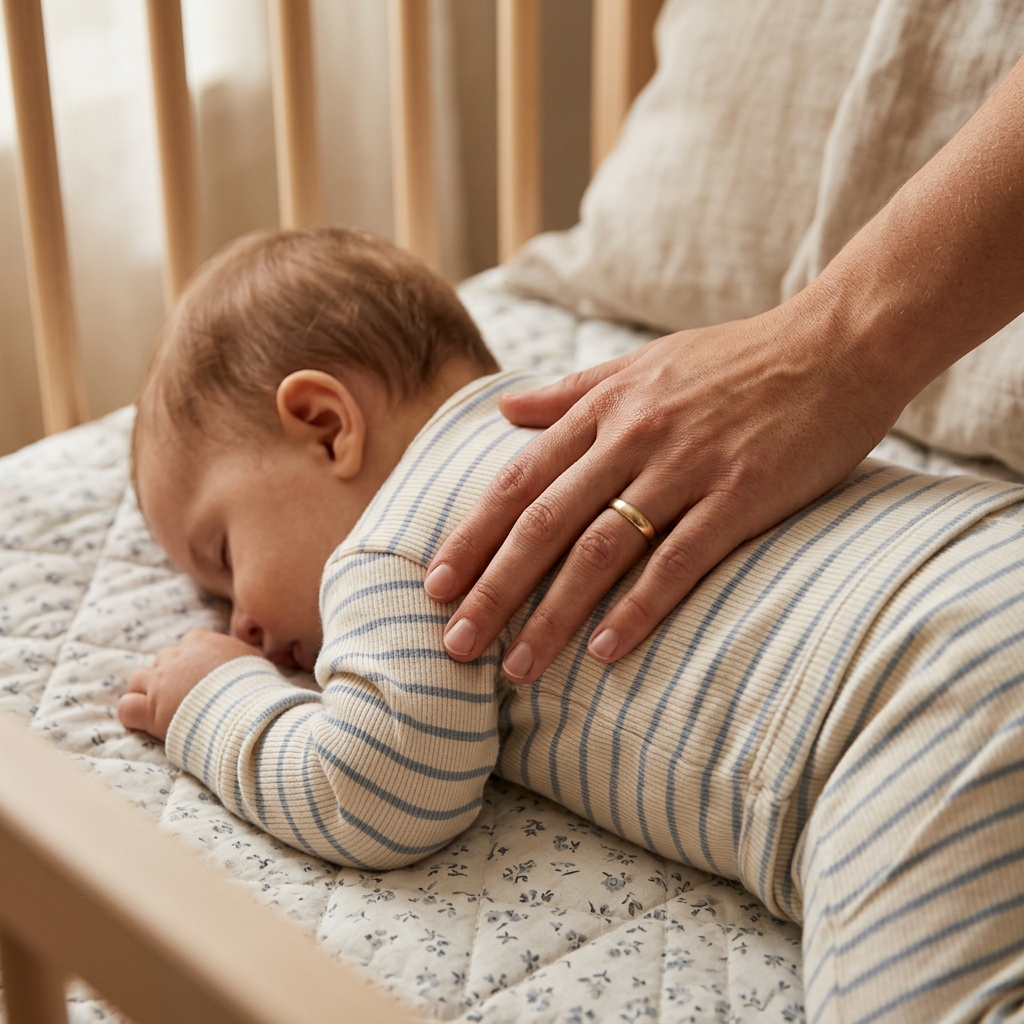
A common myth is that gentle methods mean "no crying." This is not true. Changing a sleep habit is hard for a baby. They may cry to protest the change. Crying is their main way to communicate frustration or confusion. The key difference is your response. With gentle methods, you are there to support your child through their feelings. You offer comfort and reassurance. You do not leave them to handle it alone. This process can build a secure attachment. It shows your child that you are a safe base, even when things are difficult.
Think about teaching a child to ride a bike. A gentle approach is like running alongside them. You hold the back of the seat. You steady them when they wobble. You encourage them until they find their balance. A cry-it-out approach is more like giving them a push and telling them to figure it out. Both might lead to riding the bike. But the experience and the trust built along the way are very different. Gentle sleep guidance is about being the parent who runs alongside.
Teaching your baby to sleep is a skill. It is not a test of your parenting. A well-rested child and well-rested parents lead to a healthier, happier family. It is also vital to follow safe sleep guidelines. The American Academy of Pediatrics (AAP) recommends that babies sleep on their backs, on a firm surface, and in a bare crib. Always follow these rules to keep your baby safe. Gentle methods work within this safe framework.
The Core Gentle Sleep Methods Explained
Most online sleep programs are built on a few core methodologies. When you read online gentle sleep guidance reviews, you will see these names again and again. Understanding them is the first step to making an informed choice. It helps you see past the marketing and understand the actual strategy being proposed. Each method involves a different level of parental presence and has its own pace. Knowing the basics will empower you to find a program that feels right.
Below is a simple comparison of the three most common gentle methods. This overview can help you start thinking about which approach might align with your family's needs. A detailed no-cry sleep methods comparison can further clarify the subtle differences between them.
| Method | Parent Involvement | Typical Duration | Best For Ages | Core Concept |
|---|---|---|---|---|
| The Fading Method | High to Medium | 2–4 weeks | 5+ months | Gradually reduce your role in helping your baby fall asleep (e.g., less rocking each night). |
| The Chair Method | Medium | 2–3 weeks | 6+ months | Sit in a chair next to the crib, moving it further away every few nights until you're out of the room. |
| Pick-Up/Put-Down | Very High | 1–3 weeks+ | 4–8 months | Pick up and comfort your baby when they cry, then put them back down once calm, repeating as needed. |
The Fading Method (Fading Interventions Out)
The Fading method is one of the most gradual approaches. It is ideal for parents who are currently very involved in getting their baby to sleep. This could mean rocking, feeding, or patting your baby until they are fully asleep. These actions are called sleep associations. A sleep association is like a key your baby needs to unlock sleep. If the key is always you, they will need you every time they wake up at night.
With Fading, you do not take the key away suddenly. Instead, you slowly change it. For example, if you rock your baby for 20 minutes, you might reduce it to 15 minutes for a few nights. Then 10 minutes. You continue this process until you can place your baby in the crib drowsy but awake. This method takes patience and can last several weeks. However, it often involves fewer tears because the change is so slow. It is a great fit for babies over five months old who have strong sleep associations.
The Chair Method (The Sleep Lady Shuffle)
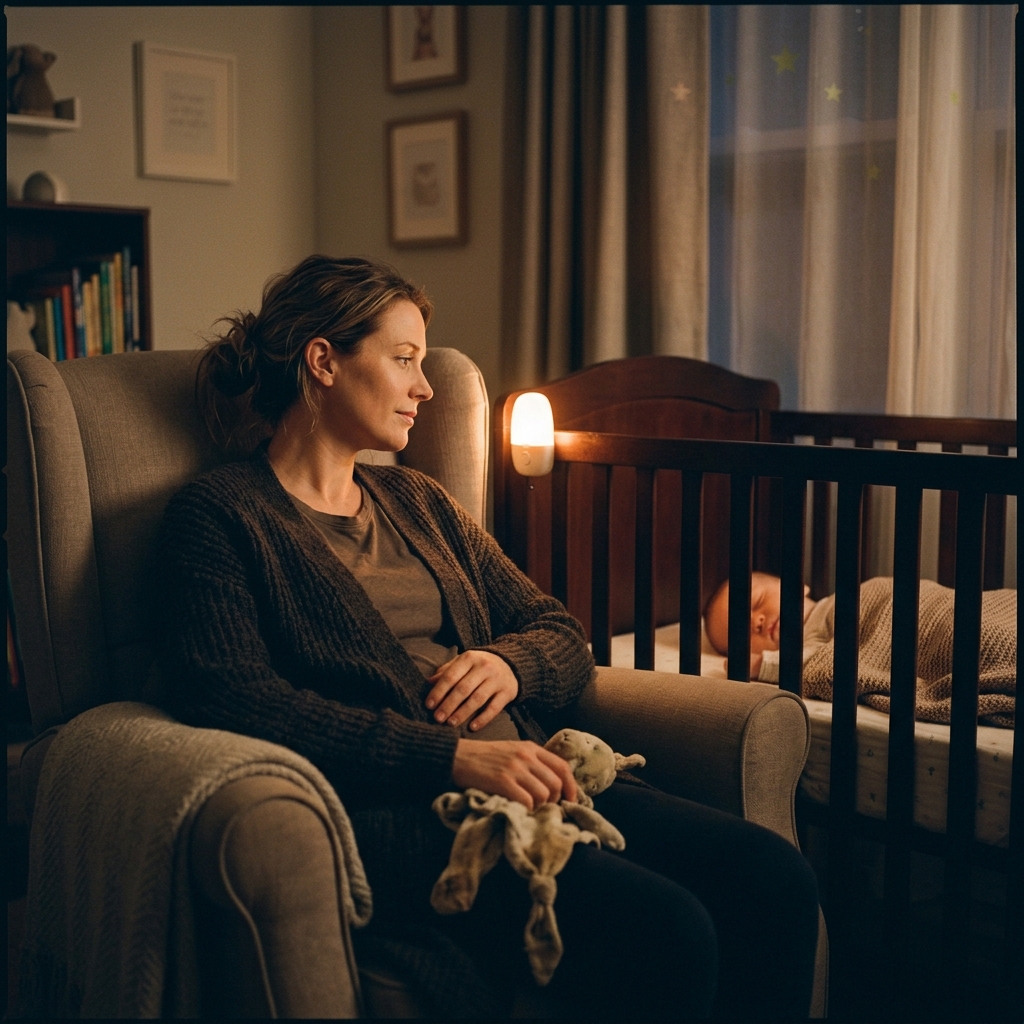
The Chair Method provides a middle ground. It offers parental presence without as much direct intervention as Fading. You start by putting your baby into their crib awake. Then, you sit on a chair right next to the crib. You can offer verbal reassurance and occasional touch for comfort. You do not pick your baby up.
Every few nights, you move the chair further from the crib. You move it towards the door until you are eventually out of the room. This method works well for babies six months and older. They can understand that you are still there, which is comforting. It can also be very effective for toddlers who may be dealing with separation anxiety. The main challenge is for parents. It can be hard to sit there and not intervene more. It can also be frustrating for some babies who get more upset seeing a parent who will not pick them up.
Pick-Up/Put-Down (PUPD)
Pick-Up/Put-Down is for parents who want to offer a high level of physical comfort. The process is simple in theory. You put your baby down in their crib awake. If they cry, you pick them up and comfort them until they are calm. Then you immediately put them back down. You repeat this process as many times as needed until they fall asleep in the crib.
This method requires a great deal of patience and physical stamina. You might repeat the cycle dozens of times in one night. It is generally considered best for younger babies, from about four to eight months old. For older babies and toddlers, the constant picking up can be stimulating instead of calming. It can make them more angry and frustrated. For the right baby and a very patient parent, it can be a way to teach independent sleep while offering almost constant reassurance.
How to Choose: A Framework for Reviewing Online Guidance
Now that you understand the basic methods, how do you choose a program? The best online gentle sleep guidance is not a one-size-fits-all solution. It is one that fits your child, your parenting philosophy, and your family's capacity. Before you spend money or commit to a plan, you need a way to evaluate your options. Many parents wonder how to choose the best online sleep course without feeling overwhelmed. Use these factors as a checklist to review any program or app.

- Your Baby's Age & Temperament
- Your Parenting Style & Emotional Capacity
- Level of Support Needed
- Budget
Considering each of these points will help you filter through the noise. A program that works wonders for your friend's calm baby might not be right for your active and easily frustrated child. Your own personality matters, too. Being honest about these factors is the key to finding a successful path.
A baby's needs change with age. A method that works for a 5-month-old may not work for a toddler. Also, consider your baby's personality. Is your baby generally easygoing, or more sensitive and intense? A sensitive baby may need a slower, more gradual method like Fading. A baby who is comforted by your presence might do well with the Chair Method. A baby who gets frustrated seeing you might need a quicker approach or one where you leave the room.
This is perhaps the most important factor. How much crying can you handle, even when you are providing support? Be honest with yourself. If the thought of any crying causes you intense anxiety, a very slow method like Fading might be best. Also, think about consistency. Gentle methods only work if you are consistent. Can you and your partner commit to the same plan for two to three weeks? A plan that you cannot stick to is not the right plan for you.
Comparing the Types of Online Guidance
Once you have thought about your needs, you can look at the market. Online sleep guidance comes in several different formats. The format you choose determines the cost, level of personalization, and support you will receive. Understanding these categories is essential for making a wise decision. Some parents thrive with a simple set of videos, while others need more direct accountability to succeed. There are many virtual infant sleep support programs available, each with its own pros and cons.
Do you feel confident following a plan on your own? A do-it-yourself (DIY) course might be enough. Do you need daily reminders and a way to track progress? An app could be a good fit. If you know you will have questions or need encouragement, look for a program with a community forum or access to experts. If your situation is complex or you want maximum accountability, a guided plan or one-on-one coaching may be worth the investment. Finally, budget is a real constraint for most families. Online options range from less than fifty dollars to thousands. A higher price often means more personalized support.
| Guidance Type | Typical Cost | Personalization | Support Level | Best For… |
|---|---|---|---|---|
| DIY Video Courses | $50 – $200 | Low (Generic) | None to Low (Forums) | Parents on a tight budget who are confident implementing a plan alone. |
| App-Based Programs | $15-$30/month | Medium (Algorithmic) | Low (Automated) | Parents who want daily reminders and tracking but not direct human contact. |
| Guided Templates (BabySleep.coach) | Moderate | High (Age-Based, Customizable) | Medium (Step-by-step guidance) | Parents who want an evidence-based, proven plan without the high cost of 1:1 coaching. |
| 1:1 Private Coaching | $500 – $6,000+ | Very High (Bespoke) | Very High (Direct Access) | Parents with complex situations or who want maximum accountability and support. |
Making Your Decision & The Next Step to Better Sleep
Choosing a path for your baby's sleep is a personal decision. There is no single "best" program for everyone. The best plan is one that feels right for your family and that you can follow consistently. After reviewing the methods and types of guidance, you should have a clearer picture of what you need. Remember, the goal is progress, not perfection.

To summarize, start by understanding the core gentle methods like Fading and The Chair Method. Then, assess your own family's needs based on your baby's temperament, your parenting style, your budget, and the level of support you require. This will point you toward the right type of program, whether it is a DIY course or a more supported plan. The most important ingredient for success is consistency. A clear, step-by-step plan can make all the difference when you are tired and feeling unsure.
If you feel clearer but still want a proven path to follow, you might be looking for a balance. You want a plan that is more reliable than a generic course, but not as expensive as a private consultant. BabySleep.coach offers this perfect balance. Our evidence-based, guided templates give you the step-by-step plan of a high-end consultant, tailored to your baby's age, without the high-end cost. Explore our age-based routines today and take your first step towards a well-rested family.