
You look at the clock. It has only been 30 minutes since your baby fell asleep. Yet, you hear that familiar cry from the monitor. The short nap, or "catnap," has struck again. This cycle is exhausting for you and leaves your baby cranky. You want a predictable schedule. You need a break. Most importantly, your baby needs restorative sleep.
If this sounds familiar, you are not alone. Many parents face the challenge of short naps. The good news is that there are effective strategies to help. One popular and structured tool is the Crib Hour method. It is designed to teach your baby how to connect sleep cycles for longer, more restful naps.
This guide will explain everything you need to know. We will cover what the Crib Hour method is and why it works. We will help you decide if your baby is ready. You will get a clear, step-by-step plan. We will also explore troubleshooting tips and gentle alternatives for your family.
What Is the Crib Hour (And Why Does It Work?)
The Crib Hour method is a simple nap training strategy. The core rule is to have your baby stay in their crib for one full hour for a nap. This one-hour clock does not start when you put them down. It starts the moment they fall asleep. If your baby sleeps for 35 minutes, you would leave them in their crib for the remaining 25 minutes. The goal is to give them a chance to fall back to sleep on their own.

This method works by addressing the root cause of most short naps: sleep cycles. For babies five months and older, a single sleep cycle is about 45 to 50 minutes long. Many babies wake up after completing just one cycle. They have not yet learned how to transition to the next one. This is why so many naps end around the 30 to 45-minute mark. Waking up after one cycle leads to a pattern of catnapping.
The Crib Hour provides a consistent and boring environment. There are no fun distractions. There is no parent coming to the rescue right away. This quiet space gives your baby the opportunity to practice self-soothing. It helps them learn the valuable skill of connecting sleep cycles independently. Over time, their body and brain learn to expect a longer nap.
Think of your baby's nap like a train ride with two stops. A short nap is like getting off at the first stop after only 30 minutes. The Crib Hour method teaches your baby to stay on the train. It encourages them to ride it all the way to the second stop. This completes a full, restorative journey. By consistently providing this one-hour block, you help set their internal clock for longer sleep. This leads to a more rested baby and a more predictable daily rhythm for everyone.
Is Your Baby Ready? A Pre-Flight Checklist
Before you start any new sleep strategy, it is vital to know if your baby is ready. Starting the Crib Hour method before your baby is developmentally prepared can lead to frustration and failure. It is not a magic bullet for every short nap. Success depends on having the right foundations in place. This checklist will help you decide if this method is a good fit for your family right now. It will also help you manage your expectations and set your baby up for success.
The Age Question: 4, 5, or 6 Months?
Age is a critical factor for the Crib Hour method. While some parents try it earlier, most sleep experts recommend waiting until a baby is at least 5 to 6 months old. At this age, a baby's sleep patterns become more organized and predictable. Their circadian rhythm is more mature, which makes nap training more effective. Trying this method with a 4-month-old can often be a disaster. Their sleep is still biologically disorganized, and they may not be developmentally ready to connect sleep cycles on their own. Forcing the issue too early can lead to excessive crying and stress for both you and your baby. Waiting until at least 5 months, and ideally 6 months, gives your baby a much better chance of success.
Independent Sleep is a Non-Negotiable Prerequisite
This is the most important rule for using the Crib Hour method. Your baby must be able to fall asleep independently at the start of the nap. This means you can put them in their crib while they are awake, and they can fall asleep without you rocking, feeding, or holding them. If your baby relies on you to get to sleep, they will need you again when they wake up between sleep cycles. Without this foundational skill, the Crib Hour will not work. It will simply become a "cry hour." Your baby will not have the tools to fall back asleep on their own, and the method will only cause distress. If your baby does not have this skill yet, you should focus on teaching independent sleep at bedtime first. Once that is established, you can then tackle naps.
Other Readiness Signs
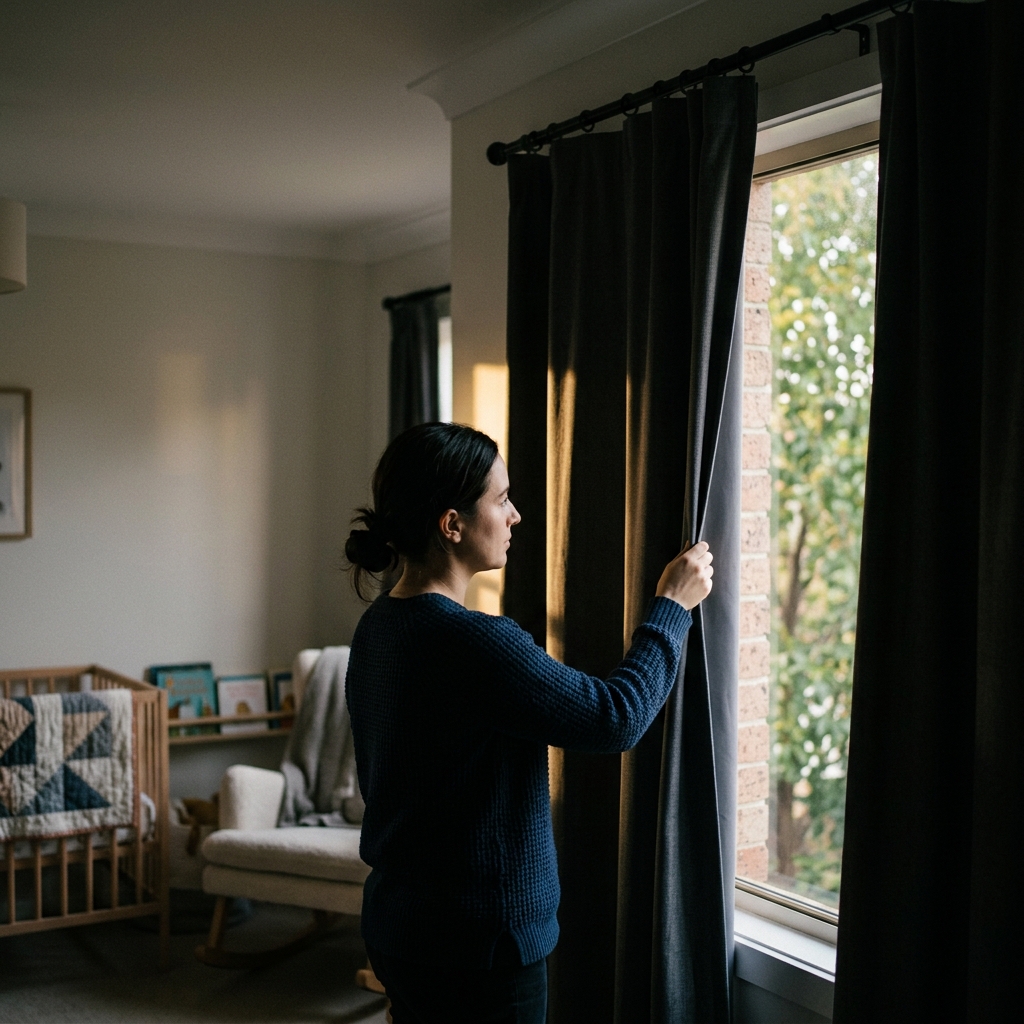
Before starting, make sure other key factors are in place. First, ensure a safe sleep space. The American Academy of Pediatrics (AAP) recommends a bare crib. This means a firm mattress with a fitted sheet, and nothing else. No blankets, pillows, or bumpers. Always place your baby on their back to sleep. Second, optimize the sleep environment. The room should be pitch black. Use blackout curtains to block all light. A continuous white noise machine can help muffle household sounds. Third, follow age-appropriate wake windows. An overtired or undertired baby will struggle to nap well. Finally, rule out other issues. Make sure your baby is not hungry, sick, or teething, as these can all disrupt sleep and make nap training difficult.
How to Implement Crib Hour: The 5-Step Protocol
Once you have determined your baby is ready, you can begin. Following a clear and consistent protocol is the key to success. This method requires patience and commitment. It can take one to two weeks to see consistent results. Below is a simple, five-step process to follow. Sticking to these steps precisely gives your baby the best chance to learn the skill of nap extension. Remember, consistency is more important than perfection. If you have an off day, just get back on track with the next nap.

- Optimize the Pre-Nap Routine: Timing is everything. Follow an age-appropriate wake window to build enough sleep pressure. This ensures your baby is tired enough to sleep, but not overtired. Before the nap, have a consistent and calming wind-down routine. This should be short, about 5 to 10 minutes. It could include changing their diaper, reading a short book, and singing a song. This routine signals to your baby that sleep is coming.
- Place Baby in Crib Awake: After your wind-down routine, place your baby in their crib while they are still awake. This step is crucial. It reinforces their independent sleep skills. It also confirms that they are truly ready for this method. Say your goodbyes and leave the room confidently.
- Start the Clock When Sleep Begins: This is a common point of confusion. The one-hour timer starts when your baby actually falls asleep, not when you put them in the crib. Use a baby monitor to watch for when they drift off. Once they are asleep, note the time and set a timer for 60 minutes.
- The Wake-Up: Wait for the Hour to End: If your baby wakes at the 30-minute mark, this is where the work begins. Do not go in. Leave them in the crib for the remainder of the hour. This gives them the space and time to try to fall back asleep. Some fussing or crying is normal. Unless the crying becomes hysterical, it is important to wait it out.
- End the Hour & Start the Next Wake Window: When the 60-minute timer goes off, the nap is over. Go into the room, greet your baby cheerfully, and get them out of the crib. The next wake window begins from this "Out of Crib" time. It does not start from when they woke up mid-nap. This prevents a cycle of overtiredness and keeps your schedule consistent.
Crib Hour Troubleshooting: Your "What If…?" Guide
Even with a perfect plan, you will likely run into challenges. Babies are not robots, and progress is rarely a straight line. It is normal to have questions and feel uncertain. This section addresses the most common "what if" scenarios parents face. Knowing how to respond to these situations will help you stay consistent and confident. It will also help you identify when you might need to make small adjustments to your approach.

What If… My Baby Cries the Whole Time?
Crying is the biggest concern for most parents. It is very common for a baby to cry or fuss for the entire remaining time after waking up early. This is especially true for the first few days. They are protesting the change in routine. If this continues for more than a week, it is time to do some detective work. The most common culprit is an incorrect wake window. A baby who is undertired will not have enough sleep pressure to fall back asleep. An overtired baby will be too wired and upset to settle. Try adjusting the wake window before the nap by 15 minutes to see if it helps. Also, double-check that your baby is truly falling asleep independently at the start of the nap without any help from you. You can also use a short nap troubleshooting checklist to find other potential issues.
What If… They Get HYSTERICAL?
There is a difference between protesting cries and hysterical, panicked cries. You know your baby best. If their crying escalates to a level that you are not comfortable with, it is okay to end the attempt for that nap. Most sleep experts agree that you should go in, calm your child, and get them out of the crib. This is not a failure. Think of it as progress, not perfection. You can simply try again at the next nap or the next day. Pushing through hysterical crying can create negative associations with the crib and may make future attempts even harder. Your well-being and your baby's emotional security are important. A single nap is not worth sacrificing them.
What If… It Only Works for the First Nap of the Day?
This is extremely common and a great sign of progress! The first nap of the day is biologically the easiest one for a baby to take. It comes after overnight sleep, so sleep pressure builds nicely. As a result, this is often the first nap to lengthen. If your baby starts taking a long morning nap but still has short afternoon naps, celebrate the win. It means the method is working. Continue to be consistent with the Crib Hour for the other naps of the day. It may take another week or two, but they will eventually follow suit. Do not get discouraged. Seeing one nap lengthen is proof that your baby is learning the skill.
What If… It's Not Working After Two Weeks?
If you have been perfectly consistent for two full weeks and have seen zero improvement, it is time to re-evaluate. First, revisit all the readiness signs. Is your baby truly falling asleep independently every single time? Is the room pitch black? Are the wake windows correct? Sometimes a small adjustment is all that is needed. However, it is also possible that this specific method is not the right fit for your baby's temperament. Some babies are more sensitive and may respond better to a gentler approach. If you feel you have hit a wall, it may be time to pause and explore other strategies to lengthen naps. Remember, the goal is a well-rested baby, and there are multiple paths to get there.
A Gentler Approach: Modifications and Alternatives
The standard Crib Hour protocol can feel too intense for some parents and babies. The idea of letting a child cry can be a major barrier. If you are hesitant about potential crying, you are not alone. The good news is that you can modify the method to be gentler. You can also consider alternative strategies that achieve a similar goal. The key is to find an approach that feels right for your family's philosophy and your baby's unique temperament. Below are some options for parents who want a gentler path to longer naps.

- The 'Graduated' Crib Hour: Instead of committing to leaving your baby for up to 30-40 minutes right away, you can start small. Begin by waiting just 10 or 15 minutes after they wake up early. This gives them a small window of opportunity to resettle. As you and your baby get more comfortable with this short wait, you can gradually increase the time by five minutes every few days. This progressive approach can feel less abrupt and may reduce the intensity of the crying.
- Splitting the Difference: This is a helpful modification, especially for younger babies who are sensitive to becoming overtired. If your baby naps for 20 minutes and is then awake for the next 40 minutes of the Crib Hour, starting the next wake window from the end of the hour can be too long. In this case, you can "split the difference." You would treat the time in the crib as if they were awake for only half that time (20 minutes instead of 40). This helps protect against an overtired cycle while still practicing the method.
- Nap Rescue: For babies under 6 months or those who do not have solid independent sleep skills, an alternative is the "nap rescue." When your baby wakes up early, you go in immediately. You then use your preferred method (rocking, holding, feeding) to get them back to sleep to finish the nap. This strategy helps their body get used to the feeling of a longer nap. However, it is important to
Your Next Steps to Longer, More Restful Naps
Tackling short naps is a journey. The Crib Hour method is a powerful tool in that journey, but it is just one tool. As you move forward, remember the keys to success. First, ensure your baby is truly ready by meeting the age and independent sleep requirements. Second, be prepared and follow the steps consistently. Consistency is what teaches your baby this new skill.

Patience is just as important. It can take up to two weeks or more for this method to show consistent results. There will be good days and bad days. Progress is not always linear. Celebrate the small wins, like when the first nap of the day finally lengthens. Most importantly, trust your instincts. This method should not cause extreme stress for you or your baby. If it feels wrong, it is okay to pause, re-evaluate, and try a gentler modification or a different approach altogether.
The ultimate goal is a well-rested baby and a confident, rested parent. By using the Crib Hour method thoughtfully and flexibly, you can help your baby master the art of the long nap. This will lead to a more predictable schedule, a happier baby, and more peaceful days for your entire family.