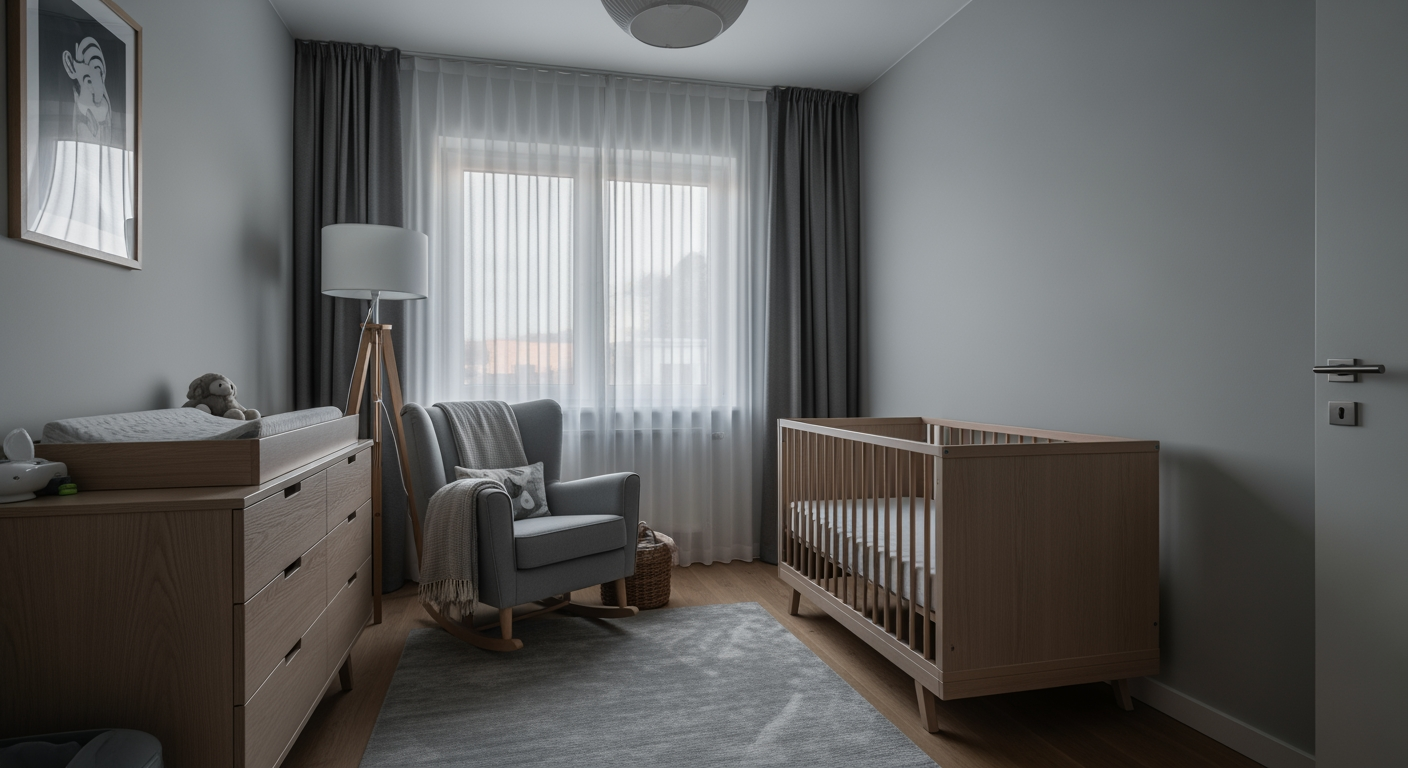
Bringing a new baby home is a time of great joy. It is also a time of great worry. Every parent wants to keep their child safe, especially during sleep. You may find yourself checking on your baby many times during the night. This is a common fear shared by parents everywhere. One of the biggest concerns is Sudden Infant Death Syndrome, or SIDS. While the causes are complex, research shows a clear link between SIDS and overheating.
This can feel overwhelming. But there is good news. You have the power to create a safer sleep space. Controlling the room temperature is one of the most effective steps you can take. It is a simple action with a big impact on your baby's safety and your peace of mind. Getting the temperature right helps your baby sleep comfortably and safely through the night.
This guide will give you a clear, actionable plan. We will teach you a simple system: Set, Dress, Check, and Adjust. This framework turns worry into a confident routine. You will learn the exact temperature range recommended by experts. We will also cover how to dress your baby, monitor their comfort, and adjust for a perfect sleep environment. Let's build a safe sleep space so everyone in the family can rest easier.
The "Goldilocks" Zone: What Is the Official Safe Sleep Temperature?
Finding the perfect temperature for your baby's room can feel like a guessing game. You do not want it too hot or too cold. You want it just right. Luckily, experts have done the research for us. The American Academy of Pediatrics (AAP) provides clear guidelines to help parents. For 2026, the AAP recommends keeping the room where your baby sleeps between 68 and 72 degrees Fahrenheit. This is about 20 to 22 degrees Celsius. This range is considered the "Goldilocks" zone for infant sleep. It is comfortable for a lightly clothed adult and creates a safe thermal environment for a baby.
Why is this specific temperature range so important? It all comes down to preventing overheating. Overheating is a major risk factor for SIDS. Babies are not small adults. Their bodies handle temperature very differently. A baby's internal thermostat is still developing. Think of it like a new house with a heating system that is still learning. A baby cannot shiver well to warm up. They also cannot sweat efficiently to cool down. This means they depend completely on their surroundings to stay at a safe temperature. A room that feels comfortable to you might be too warm for a baby, especially when they are bundled up for sleep.
Scientific studies support these recommendations. For example, a significant case-crossover study in Montreal found a direct link between high room temperatures and SIDS risk. The study showed that the risk increased, especially for babies over three months old, when room temperatures went above 29°C (or 84°F). This research highlights how a hot environment can be dangerous. When a baby overheats, they may fall into a deeper sleep. This makes it harder for them to wake up if they are in trouble, such as if their breathing is blocked. A cooler room helps avoid this deep, unresponsive state.
It is also useful to know about other international guidelines. The UK's National Health Service (NHS) suggests a slightly cooler range of 16-20°C (61-68°F). This difference doesn't mean one is right and one is wrong. It shows that the key principle is to avoid heat. It is always safer for a baby to be slightly cool than too hot. A baby who is too cold will likely wake up and cry, alerting you that they need help. A baby who is too hot may become quiet and lethargic, which is far more dangerous. Sticking to the 68-72°F range is a proven way to reduce risk and support your baby's developing ability to control their own body temperature.
A Parent's Toolkit: How to Set and Monitor Your Nursery's Climate
Creating a safe sleep climate goes beyond simply setting your home's thermostat. The temperature in the hallway can be very different from the temperature inside the nursery. To truly take control, you need a few key tools and strategies. This proactive approach to environmental control will help you maintain a consistent and safe space for your baby. By actively monitoring the nursery's climate, you can make smart adjustments that protect your infant from the risks of overheating. Think of it as building a complete climate control system for the most important room in your house.
These practical steps will empower you to manage your baby's room with confidence. From choosing the right thermometer to understanding the importance of air movement, each element plays a vital role. This is the 'Set' part of our simple framework. By setting up the environment correctly from the start, you make all the other steps, like dressing your baby and checking on them, much easier. A well-managed room provides a stable foundation for safe and restful sleep. Let's explore the essential components of your nursery climate toolkit.
Why Your Thermostat Isn't Enough
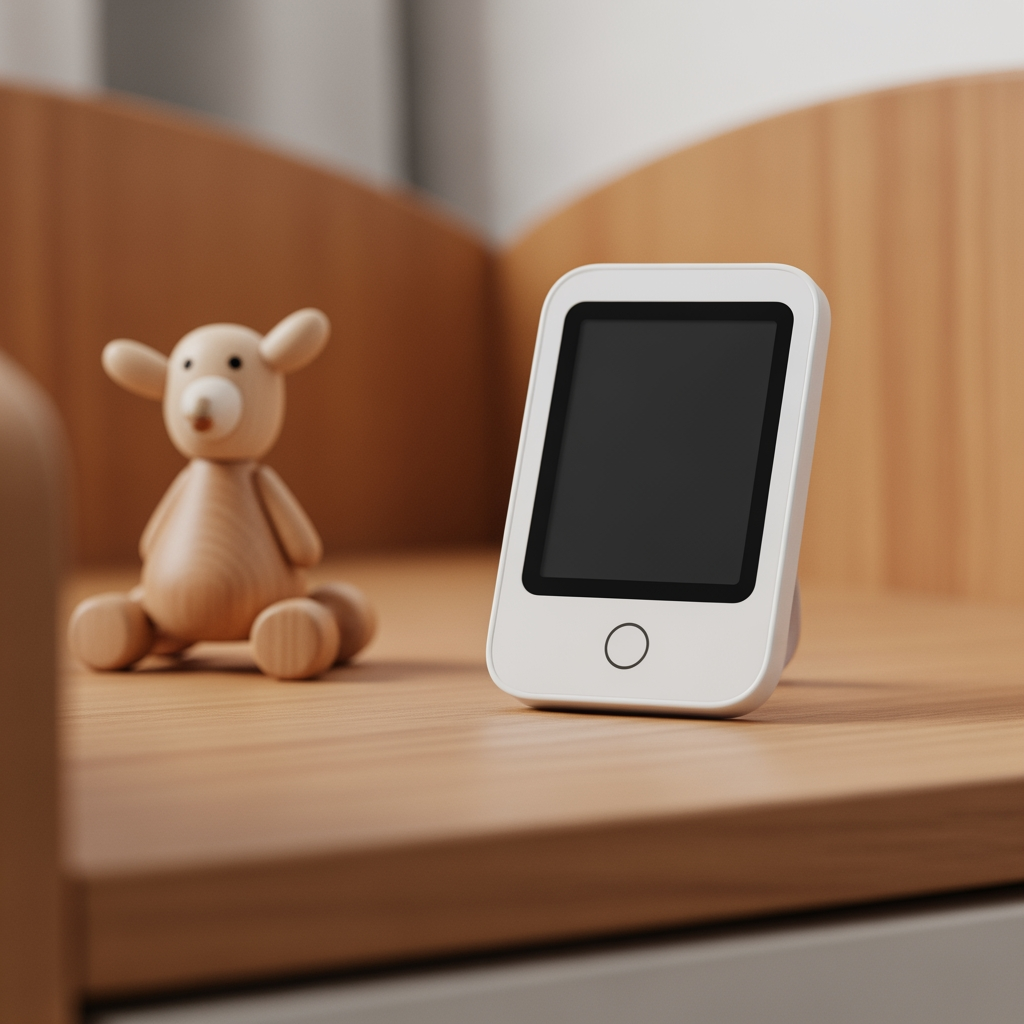
Relying only on your central thermostat is a common mistake. Most homes have one thermostat, usually located in a central living area or hallway. This single reading does not reflect the true temperature in every room. Factors like sunlight, insulation, and the location of vents can cause temperatures to vary by several degrees from one room to another. The nursery could be much warmer or cooler than what your thermostat says. For this reason, you need a more accurate way to measure the temperature right where your baby sleeps.
The solution is simple and affordable. Place a separate, in-room digital thermometer inside the nursery. This gives you a real-time, accurate reading of the conditions your baby is actually experiencing. Position the thermometer near the crib or bassinet, but always keep it well out of your baby's reach for safety. Many modern baby monitors come with a built-in temperature sensor, which is a great feature. Checking this device regularly allows you to make precise adjustments to heating, cooling, or your baby's clothing. It removes the guesswork and ensures the room stays within the safe 68-72°F zone.
The Role of Air Circulation
A comfortable temperature is just one piece of the puzzle. Good air circulation is also critically important for safe infant sleep. Stagnant air can be a problem. When a baby breathes, they exhale carbon dioxide. Without good airflow, this carbon dioxide can get trapped in a small pocket around their face. Rebreathing this air can be dangerous and is linked to an increased risk of SIDS. A gentle breeze in the room helps to disperse this buildup of carbon dioxide, ensuring your baby is always breathing fresh air.
Using a fan is a highly effective way to improve air circulation. In fact, studies have shown that using a fan in the baby's room can reduce the risk of SIDS by as much as 72%. This is a powerful and simple preventive measure. When using a fan, the key is to ensure it is not aimed directly at the baby. You want to create gentle, indirect air movement throughout the room. An oscillating fan or a ceiling fan on a low setting works perfectly. The goal is to circulate the air, not to create a strong draft that could chill your infant. This simple addition makes the sleep environment significantly safer.
Managing Humidity
Humidity is the amount of moisture in the air, and it plays a subtle but important role in your baby's comfort and health. The ideal relative humidity for a nursery is between 40% and 50%. Air that is too dry, which is common in winter when the heat is on, can irritate your baby's delicate nasal passages and skin. This can lead to a stuffy nose, dry cough, or itchy skin, all of which can disrupt sleep. On the other hand, air that is too damp can feel colder than it actually is and may promote the growth of mold.
You can monitor humidity levels with a simple device called a hygrometer, which is often included in digital thermometers. If you find the air in the nursery is too dry, using a cool-mist humidifier can help. A humidifier adds moisture back into the air, making it easier for your baby to breathe. Be sure to clean it regularly according to the manufacturer's instructions to prevent bacteria growth. If the room is too damp, a dehumidifier can help remove excess moisture. Maintaining this balance helps create a more comfortable and healthy sleep space. A proper infant sleep environment setup considers temperature, airflow, and humidity together for the best results.
Dress for Success: Layering and TOG Ratings Explained
Once you have the room's climate under control, the next step is dressing your baby appropriately. This is the 'Dress' part of our system. It is crucial because even in a perfectly temperature-controlled room, the wrong clothing can lead to overheating. A common rule of thumb is to dress your baby in one more light layer than you would need to feel comfortable in the same room. However, this is just a starting point. To make this process more scientific and less of a guessing game, parents can use the TOG rating system.
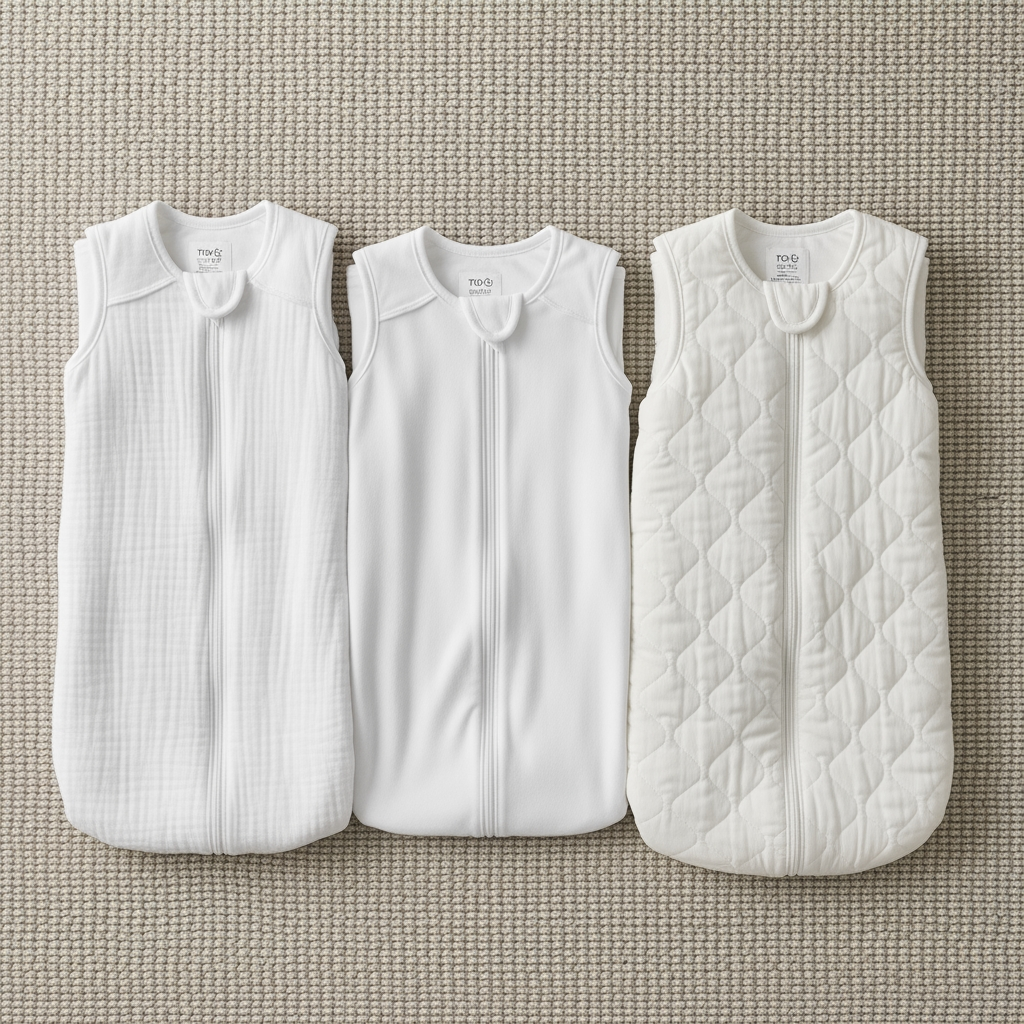
What exactly is a TOG rating? TOG stands for Thermal Overall Grade. It is a standardized unit of measurement used in the textile industry to measure the warmth of a product. Simply put, the higher the TOG rating, the warmer the sleep sack, swaddle, or blanket will be. Think of it like a star rating for warmth. A low TOG of 0.5 is like a thin cotton sheet, perfect for a hot summer night. A high TOG of 3.5 is like a thick winter duvet, designed for a very cold room. By matching the TOG rating of your baby's wearable blanket to the temperature of the nursery, you can dress them for sleep with much greater accuracy and confidence. This system removes the guesswork from layering. You can check the entire sleep environment category to learn more about these elements.
The table below provides a helpful guide for combining room temperature, TOG ratings, and clothing layers. Remember that this is a general guide. Every baby is different, and you should always check your own baby for signs of being too hot or too cold. Use this table as a starting point for your routine.
| Room Temperature | TOG Rating | Suggested Clothing Layers |
|---|---|---|
| 75-78°F (24-25°C) | 0.5 TOG | Short-sleeved onesie or just a diaper |
| 72-74°F (22-23°C) | 1.0 TOG | Short-sleeved or long-sleeved onesie |
| 68-72°F (20-22°C) | 1.0 – 2.0 TOG | Long-sleeved onesie or footed pajamas |
| 64-67°F (18-19°C) | 2.5 TOG | Long-sleeved onesie AND footed pajamas |
| 61-63°F (16-17°C) | 3.5 TOG | Long-sleeved onesie AND footed pajamas |
When dressing your baby, always choose natural, breathable fabrics like cotton. These materials allow air to circulate and help wick moisture away from your baby's skin. Avoid synthetic fabrics like polyester fleece for sleepwear, as they can trap heat and moisture. It is also critical to never cover your baby's head or face for sleep. Hats, beanies, and hoods should be removed before placing your baby in their crib. A covered head can lead to dangerous overheating. Following these dressing guidelines, in combination with the TOG chart, provides a comprehensive approach to keeping your baby comfortable and safe.
The "Nape of the Neck" Test: Your Foolproof System to Check for Overheating
You have set the room's climate and dressed your baby perfectly. The final and most important parts of the system are to 'Check' and 'Adjust'. No matter how well you prepare, you must always check on your baby to see how they are actually feeling. Babies cannot tell us if they are too hot or too cold, so we must learn to read their physical cues. This check is the ultimate confirmation that your setup is working. Fortunately, there is a simple, reliable method that parents have used for generations. It is far more accurate than any other technique.
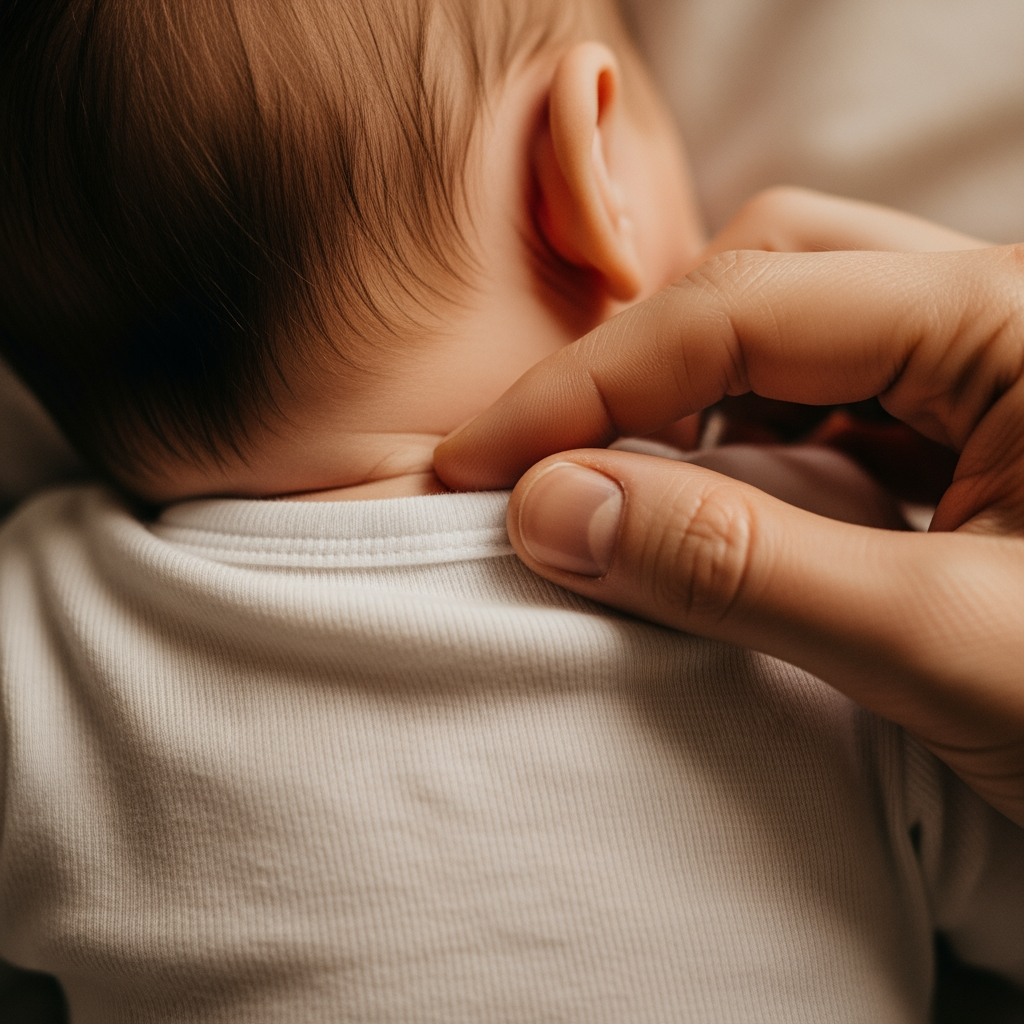
This process involves a quick physical check that tells you everything you need to know about your baby's core temperature. It debunks common myths and gives you concrete signs to look for. By making this check a regular part of your routine before you put your baby down and whenever you check on them, you can respond to their needs instantly. This ensures they remain safe and comfortable all night long. Following this ordered process will give you the confidence that you are doing the right thing. To be even more prepared, you can review a complete nursery safe sleep checklist for newborns to cover all safety aspects.
- Ignore the Hands and Feet: The first step is to debunk a common myth. Many parents feel their baby's hands or feet and worry when they feel cool. This is perfectly normal. A baby's circulatory system is still immature. It prioritizes sending blood to their vital organs in their core. This means less blood flow reaches their extremities, making their hands and feet feel cool to the touch. They are not a reliable indicator of your baby's core body temperature.
- The Core Check: The only reliable place to check your baby's temperature is on their core. Gently slide two fingers down the back of their neck, onto the upper part of their back between the shoulder blades. You can also place your hand on their chest. This area gives you a true reading of their core body temperature, which is what really matters for safety and comfort.
- Feel for Temperature and Moisture: When you touch their neck or back, how should it feel? The skin should feel warm and dry. It should feel similar to your own chest. This indicates that their body temperature is well-regulated and they are comfortable. A neutral, warm, and dry feeling is the goal. This tells you that your combination of room temperature and clothing layers is just right.
- Identify Warning Signs: If their skin feels hot to the touch or is damp and sweaty, your baby is too warm. This is a clear sign of overheating. You need to take action immediately. Remove a layer of clothing, such as the sleep sack or the pajamas underneath. You could also lower the room temperature slightly. Other signs of overheating include flushed or red cheeks, rapid breathing, or unusual lethargy. Pay close attention to these signs.
- Check for Cold: While overheating is the primary danger, you also do not want your baby to be uncomfortably cold. If their neck or back feels cool to the touch, they may need an extra layer. You could add a light onesie under their pajamas or switch to a sleep sack with a slightly higher TOG rating. It is important to never use a loose blanket in the crib to warm a baby, as this is a major suffocation hazard. A wearable blanket or an extra layer of clothing is the only safe way to add warmth.
What This Means for You: Building a Worry-Free Sleep Routine
Understanding the ideal room temperature for safe infant sleep is about more than just numbers on a thermostat. It is about building a system that gives you confidence and peace of mind. By embracing the simple 'Set, Dress, Check, Adjust' framework, you transform anxiety into an actionable, repeatable routine. You now have the knowledge to create a sleep environment that actively reduces the risk of SIDS and helps your baby rest comfortably.
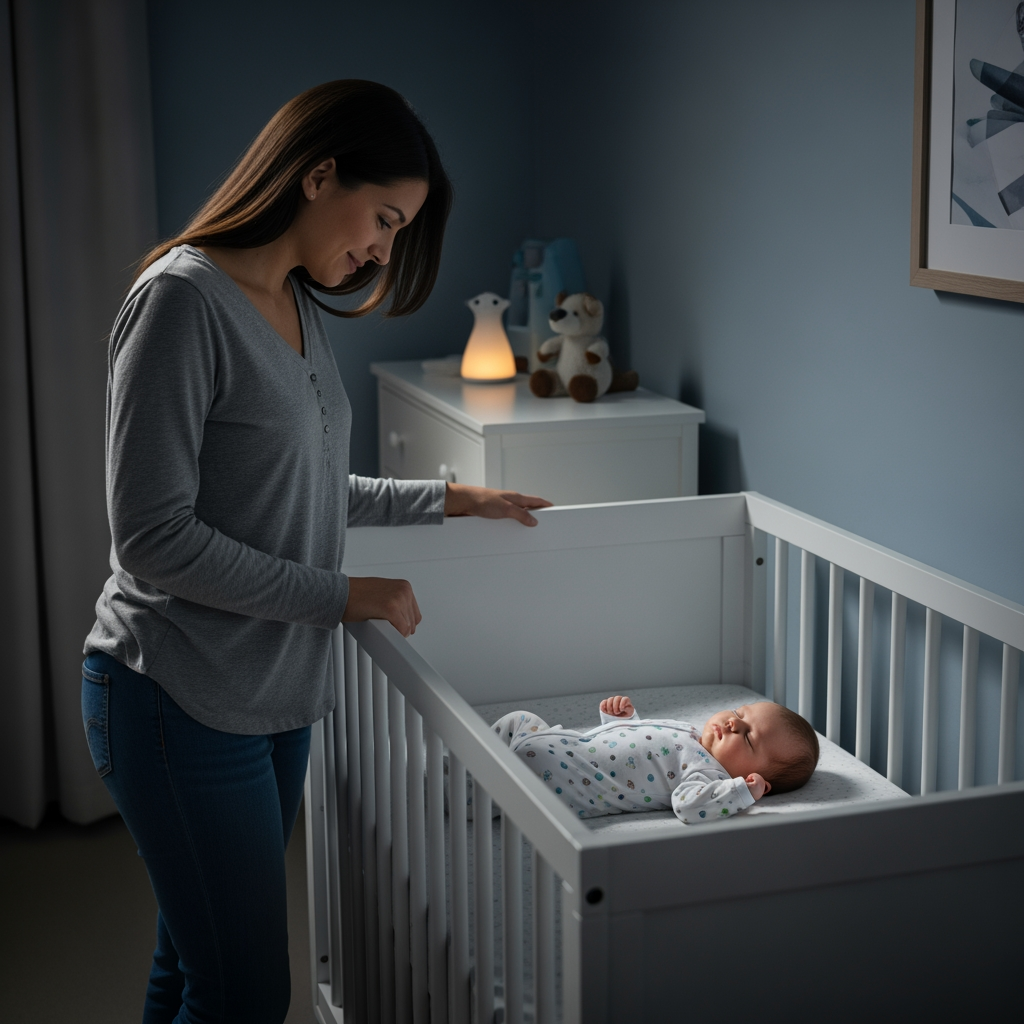
Let's summarize the key takeaways. Your goal is to maintain a nursery climate between 68 and 72 degrees Fahrenheit, with good air circulation and balanced humidity. Dress your baby in breathable layers, using the TOG system as your guide. Most importantly, trust your own senses. The nape-of-the-neck test is your most reliable tool. It tells you exactly how your baby is feeling, allowing you to make instant adjustments.
Remember that consistency is more important than perfection. You do not need to obsess over a single degree. The goal is to create a responsive and safe environment that avoids the danger of overheating. Always remember that a cooler baby is a safer baby. An infant who is slightly too cold will wake up and cry, letting you know they need help. An infant who is overheating may not. By following these guidelines, you are taking one of the most significant steps possible to ensure your baby sleeps safely. This allows both you and your baby to get the restorative sleep you both need.