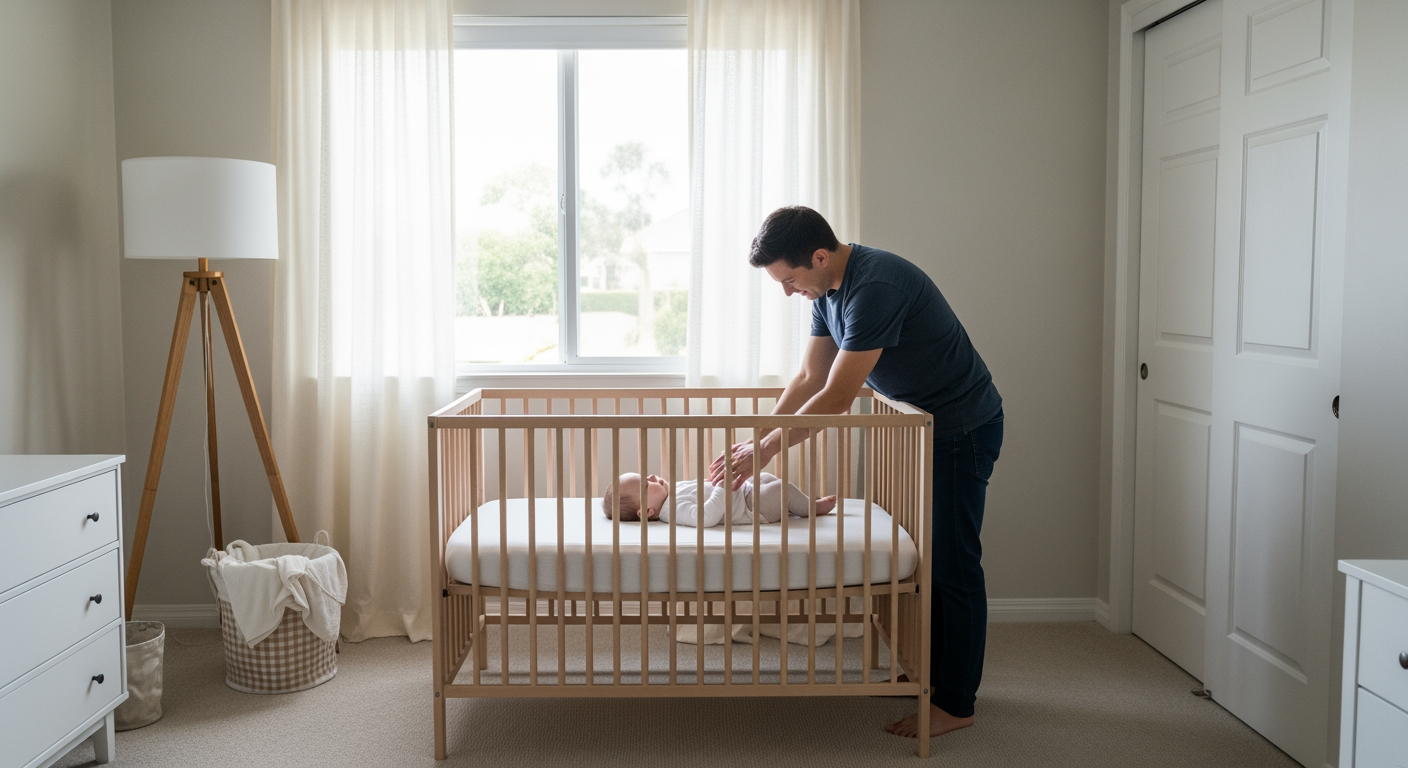
Your 10-month-old falls asleep. You gently place them in the crib. You quietly sneak out of the room, ready for a much-needed break. You check the monitor thirty minutes later. Their eyes are wide open. The nap is over. This scenario is incredibly frustrating. You are not alone, and your exhaustion is valid. Short naps, or 'catnaps,' can disrupt the entire family's day.
When a baby who used to nap well suddenly stops, it can feel confusing. You might wonder what you are doing wrong. The good news is that this is a very common issue at this age. More importantly, it is a fixable one. This is not just a list of random tips. This is a step-by-step troubleshooting guide. We will help you diagnose the exact cause of the short naps. Then we will give you a clear plan to help your baby get the restorative sleep they need.
Let's get your baby napping longer. This will give them the rest they need to grow and play. It will also give you the predictable breaks you need to recharge. You can solve this problem, and we will show you how.
First, Why the Sudden Change? Understanding the 10-Month-Old Brain
To fix the problem, you first need to understand the cause. At 10 months old, your baby's brain is incredibly active. They are going through major developmental leaps. These changes are exciting, but they can also wreck sleep. This period is often called the 8-10 month sleep regression. It's a temporary phase that can last from two to six weeks. During this time, a baby who was sleeping well might suddenly fight naps, wake up at night, or take very short naps.

Your baby is learning amazing new skills. They might be crawling, pulling up to stand in the crib, or babbling new sounds. Their brain is so focused on practicing these skills that it has a hard time shutting off for sleep. They would rather practice standing than connect their sleep cycles. This is a normal part of their development. It shows their brain is growing and learning exactly as it should be.
A baby's sleep cycle is also different from an adult's. Think of their sleep cycle as a rollercoaster. They slide gently into light sleep. Then they dip into a deeper, more restorative sleep. After that, they slowly climb back up toward a very light stage of sleep. This whole ride takes about 45 to 50 minutes. At the end of the cycle, they briefly stir. A baby who can self-soothe will simply start the rollercoaster again for another cycle. But a baby who can't, or one who is distracted by new skills, will 'jump off' the ride. They wake up completely. This is why so many short naps are 30-45 minutes long. The goal is to teach them how to stay on the ride and connect two or more sleep cycles together.
The Short Nap Fix: A 5-Step Diagnostic Guide
Now that you understand the 'why,' let's move to the 'how.' We will walk through a process of elimination. This will help you pinpoint the exact reason for your baby's short naps. Follow these steps in order. Be consistent for at least a week to see real progress. This structured approach is the fastest way to longer, more predictable naps.
Step 1: Audit Your Wake Windows
The most common cause of short naps is timing. A 'wake window' is the amount of time your baby is awake between sleeps. If this window is too short, your baby isn't tired enough to take a long nap. They lack 'sleep pressure.' If the window is too long, they become overtired. An overtired baby has a rush of stress hormones like cortisol. This makes it hard for them to fall asleep and stay asleep. Finding the sweet spot is critical.
For a 10-month-old, the ideal wake window is between 3 and 3.75 hours. Most babies this age are on a two-nap schedule. The first wake window of the day is usually the shortest, around 3 hours. The window between the two naps might be 3.5 hours. The final window before bedtime could be the longest, up to 3.75 hours. Track your baby's current schedule. See how it compares to these guidelines. A small adjustment of just 15 minutes can make a huge difference.
Here is a sample schedule to use as a guide. Remember that your baby's needs may vary slightly. Use this as a starting point and adjust as needed.
Time Activity Wake Window 7:00 AM Wake Up 7:30 AM Breakfast & Play 10:00 AM Nap 1 (Aim for 1-1.5 hours) 3 hours 11:30 AM Wake, Feed & Play 2:30 PM Nap 2 (Aim for 1-1.5 hours) 3.5-3.75 hours 4:00 PM Wake, Snack & Play 7:30 PM Bedtime 3.5-3.75 hours Step 2: Perfect the Sleep Environment
When your baby stirs between sleep cycles, any light or sound can be enough to wake them up fully. The ideal sleep environment is boring. It sends a clear signal to your baby's brain that it is time for sleep, not play. Optimizing the room can make a huge difference in helping them connect sleep cycles. Your goal is to create a cave-like space.
This also includes safety. The 2026 American Academy of Pediatrics (AAP) guidelines are clear. The sleep space must be firm, flat, and free of loose items. A safe crib is a bare crib. This minimizes risks and also reduces distractions that can interrupt sleep. Here is a simple checklist to create the perfect sleep environment.
- Darkness: The room should be pitch black for all naps. Use blackout curtains or even temporary solutions like foil on the windows. A good test is if you can see your hand in front of your face. If you can, it's not dark enough.
- Sound: A continuous white noise machine helps block out sudden household noises like the doorbell or a dog barking. It creates a consistent, soothing sound that mimics the womb.
- Temperature: A cool room promotes better sleep. The ideal temperature is between 68-72°F (20-22°C). Dress your baby in breathable layers, like a onesie and a sleep sack.
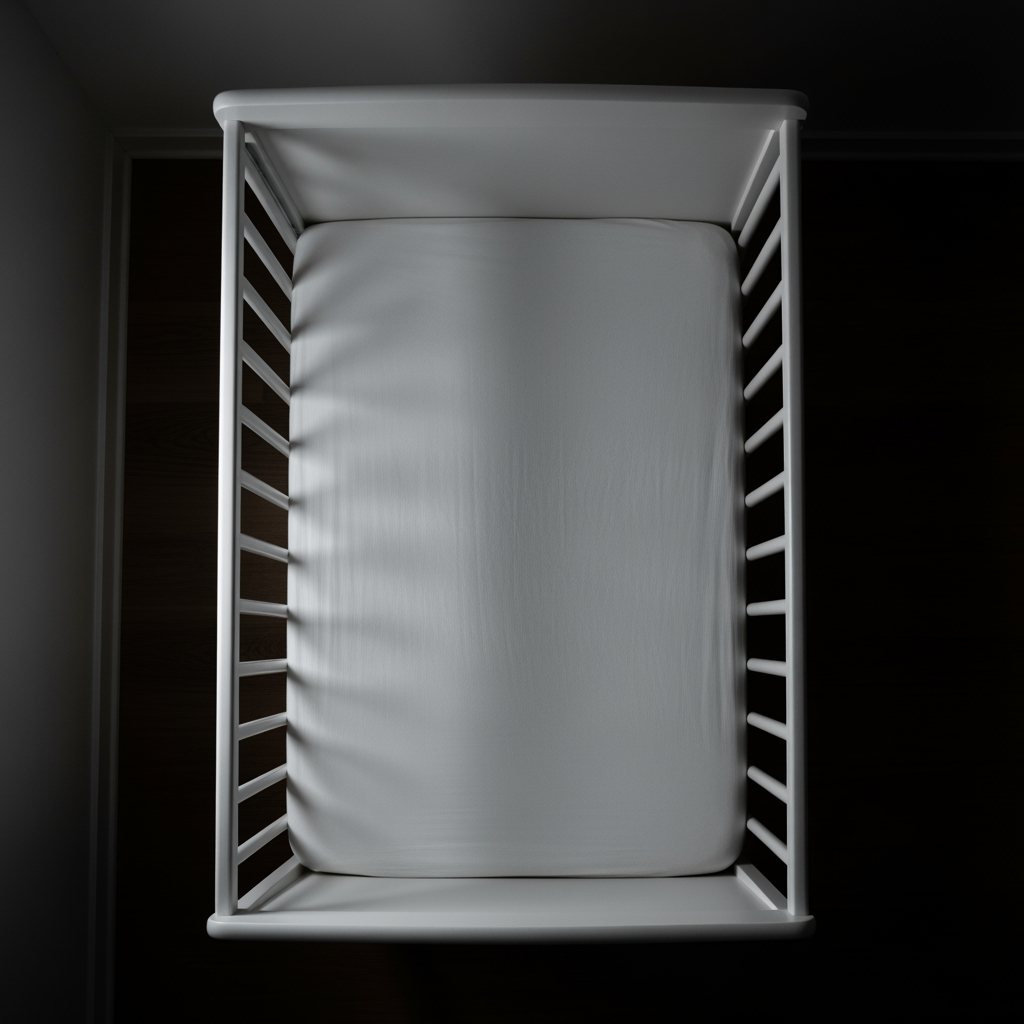
- Safety: The crib should contain only a firm mattress with a fitted sheet. Remove all bumpers, blankets, pillows, and toys.
Step 3: Check for Hidden Hunger
A rumbling tummy can easily end a nap early. As your baby grows, their caloric needs increase. They are also very active at this age, burning lots of energy crawling and pulling up. You want to make sure hunger isn't the reason they are waking after just one sleep cycle. The key is to time their feedings correctly. You want them to have a full tummy for the nap, but you don't want them to associate feeding with the act of falling asleep.
Try to offer a full milk feeding (breast or bottle) about 20 to 30 minutes before you start the nap routine. This separates the feeding from sleeping. It ensures they are well-fed but still go into the crib awake. At 10 months, your baby is also eating solid foods. Make sure their meals are substantial and balanced. Offering a small, healthy snack with some protein or healthy fat an hour before a nap can also help keep them full longer.
Step 4: Rule Out Sleep Associations
This is the number one cause of chronic short naps. A sleep association is a 'sleep button.' It is something your baby needs to fall asleep. Common examples are rocking, feeding, or using a pacifier. If you press this 'button' to get them to sleep, they will need you to press it again when they stir between sleep cycles. If you, the 'button,' are not there, they wake up fully, looking for you.
The goal is 'independent sleep.' This means your baby can fall asleep on their own, in their crib, without your help. When a baby has this skill, they can easily transition between sleep cycles by themselves. If your baby wakes after 45 minutes, they can simply roll over and go back to sleep. Ask yourself honestly: Does my baby fall asleep completely on their own? Or do I help them get drowsy or fully asleep? If you are helping, this is likely the root of your nap issues. Understanding all the reasons why your baby naps too short is the first step toward fixing the problem. Teaching independent sleep skills is a process, but it is the key to unlocking longer naps.
Step 5: Introduce the 'Crib Hour' Technique
If you have completed the first four steps and naps are still short, it's time for a more advanced strategy. This technique is for babies who can fall asleep independently but still wake up early from their nap. It's called 'Crib Hour.' This method teaches your baby that nap time is a full hour, regardless of when they wake up.
Here is how it works: You leave your baby in their crib for a full 60 minutes from the time they fall asleep. For example, if they fall asleep at 10:05 AM and wake up at 10:40 AM (a 35-minute nap), you do not go in. You leave them in their quiet, dark room until at least 11:05 AM. This gives them the time and space to learn how to fall back asleep on their own. It might not happen the first few times, but consistency is key. They may protest, but as long as they are safe, it is okay to give them this opportunity. Crucially, the next wake window starts when you get them out of the crib (11:05 AM), not when they first woke up (10:40 AM). This prevents a cycle of overtiredness. Crib hour is just one method, and there are many safe nap extension techniques you can explore to find what works best for your family.
Is It a Regression, a Schedule Issue, or Both?
Sometimes it's hard to tell if you're dealing with a temporary developmental phase or a persistent schedule problem. The 10-month sleep regression is real, but it's often used as a catch-all excuse. In many cases, the regression highlights an existing issue, like a sleep association or an incorrect wake window. The new developmental urges make it harder for the baby to cope with a schedule that was already not quite right.

Think of it this way: a perfect schedule and strong independent sleep skills are your baby's best defense against sleep regressions. A baby who knows how to fall asleep on their own is more likely to navigate these developmental storms with minimal disruption. Use the table below to help you identify the most likely cause. You might find that you're dealing with a combination of both. Following a clear plan, like our short nap troubleshooting checklist, can help you address all potential issues at once.
| Symptom | Likely a Schedule/Environment Issue | Likely a 10-Month Regression |
|---|---|---|
| Nap Length | Consistently short naps (30-45 mins) for weeks. | Previously long naps suddenly become short. |
| Night Sleep | Night sleep may or may not be affected. | Night sleep is also disrupted (new night wakings, fighting bedtime). |
| In-Crib Behavior | Wakes up and is either calm or cries from frustration/tiredness. | Wakes up and immediately starts practicing new skills (pulling up, babbling). |
| Mood | Generally cranky due to being overtired. | Can be fussy but also excited by new abilities; may show increased separation anxiety. |
Regardless of the primary cause, the solution is the same. Focus on the 5-step plan. A solid schedule, a perfect environment, and independent sleep skills will resolve both regression-based issues and chronic nap problems.
Your Next Steps to Longer Naps
You now have a complete diagnostic toolkit to solve your 10-month-old's short nap problem. Remember the key takeaways. First, check your wake windows. This is often the easiest and quickest fix. Second, create a boring, cave-like sleep environment. Third, ensure they are not waking from hunger. Fourth, be honest about sleep associations and work toward independent sleep. Finally, if all else is in place, try the Crib Hour technique to give your baby the chance to learn.

The most important factor for success is consistency. Choose a plan and stick with it for one to two weeks. There may be some protest at first, which is normal when routines change. But with patience and commitment, you will see progress. Your baby will start connecting sleep cycles. Those 30-minute catnaps will transform into long, restorative naps of an hour or more.
A well-rested baby is a happy baby. And a well-rested parent is a happy parent. A 10-month-old needs about 2-3 hours of daytime sleep across two naps. By following these steps, you can get them that sleep. This will lead to a more predictable schedule, a happier disposition, and the valuable downtime you deserve. You have the power to make this change. Start today, stay consistent, and look forward to longer naps ahead.