
You followed the sleep chart perfectly. You watched the clock down to the minute. Yet, your baby is still fighting their nap, crying and rubbing their eyes. This frustrating cycle is common for new parents. You are given rigid rules but find they do not always work for your unique child. This is the wake window paradox. Trying to fit your baby into a fixed schedule can often lead to more stress and less sleep for everyone.
There is a smarter, more flexible approach. It is called predictive wake window calculation. This method moves beyond generic, static charts. It uses your baby's own sleep patterns to forecast the perfect time for their next nap. It helps you find that 'sweet spot' where they are tired enough to sleep well but not so tired they become fussy and resistant. This method works with your baby's natural biology, not against it.
This guide will teach you how to think like a predictive algorithm. You will learn the simple inputs that create a personalized sleep schedule. We will show you how to adjust for short naps and different times of day. You will gain the confidence to leave rigid charts behind. Get ready to reduce the guesswork and enjoy more predictable, peaceful days with your baby.
What Are Predictive Wake Windows vs. Static Charts?
Understanding the difference between static and predictive wake windows is the first step to better sleep. A static wake window chart is what you often find online. It gives you a fixed amount of awake time based only on age. For example, it might say all six-month-old babies should be awake for 2.5 hours between naps. This approach is simple, but it ignores the huge variation between individual babies. It treats every day and every nap the same, which is rarely the case in real life. Think of it like a fixed bus schedule. It says the bus arrives every two hours, no matter the traffic or delays. While it offers a basic guideline, it lacks the precision needed for a smooth journey.
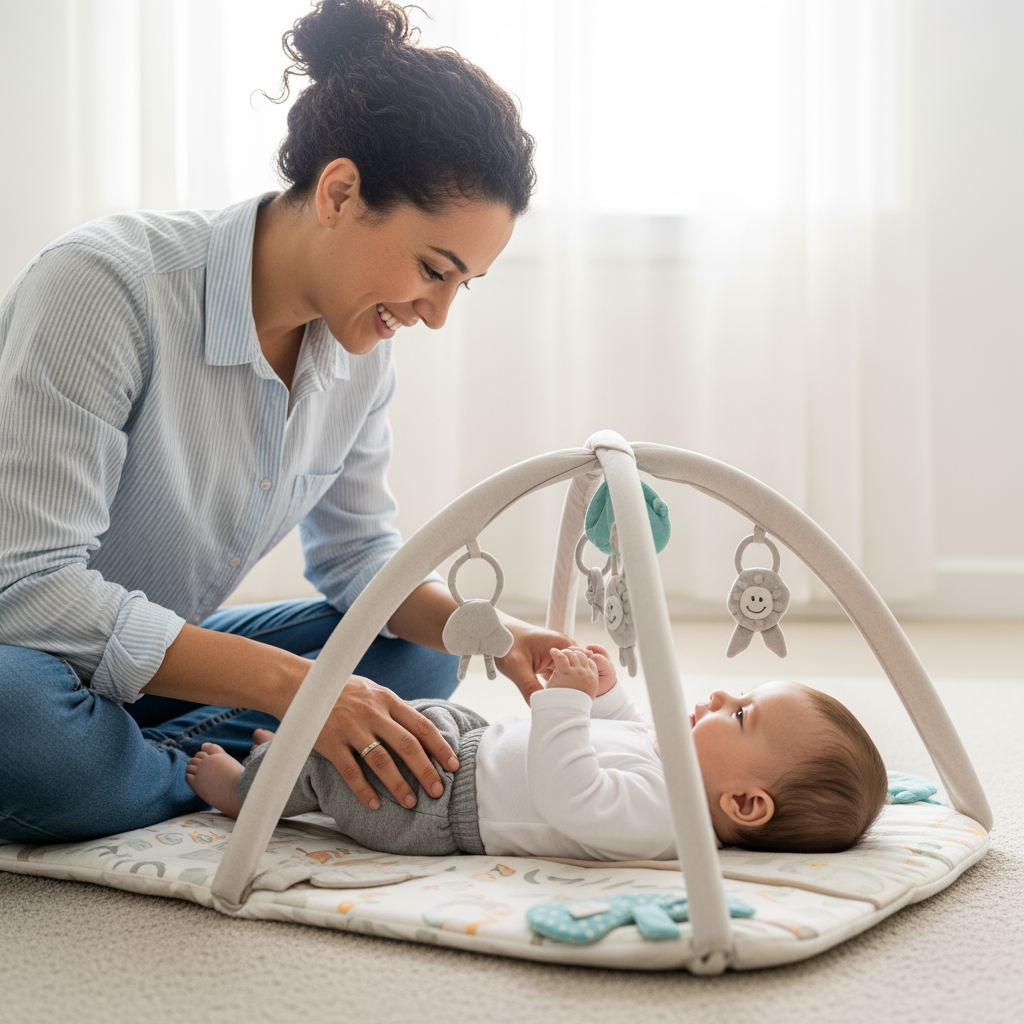
A predictive wake window is completely different. It is a dynamic forecast that changes based on real-time information. This method understands that a baby's sleep needs are not constant. It uses key data points, like the length of the last nap, to predict the next ideal naptime. This is like a modern rideshare app. It uses live traffic data to tell you exactly when your ride will arrive. It adapts to the current situation. This personalized approach is rooted in the science of sleep pressure. When your baby is awake, a chemical called adenosine builds up in their brain. You can think of this as a 'sleepiness cup' that slowly fills. When the cup is full, your baby feels ready for sleep. A nap empties the cup, preparing them for their next period of wakefulness.
The problem with static charts is they do not account for how full this 'sleepiness cup' truly is. If a baby takes a very short nap, their cup is only partially emptied. They will be ready for sleep again much sooner. A static chart would have you keep them awake too long. This leads to an overtired state. When a baby is overtired, their body releases stress hormones like cortisol. Cortisol acts like a shot of adrenaline, making it incredibly hard for them to calm down and fall asleep. This is why an exhausted baby may fight sleep the hardest. You can learn to spot the early overtired baby signs to intervene before this cycle starts. Predictive calculations help you avoid this by suggesting a shorter wake window after a short nap.
Conversely, if your baby takes a long, restorative nap, their sleepiness cup is fully empty. They can handle a longer period of awake time before their next nap. A predictive model accounts for this and suggests extending the wake window. This prevents you from trying to put down a baby who is undertired and not yet ready for sleep. An undertired baby may protest the nap, play in the crib, or take another very short nap because they lacked enough sleep pressure to connect sleep cycles. Modern research shows that sleep needs can vary by up to 40% between babies of the same age. A dynamic, predictive approach respects this individuality. It empowers you to respond to your baby's specific needs each day, leading to less crying and more restful sleep for everyone.
The 3 Core Inputs for a Predictive Calculation
You do not need complex software to start using predictive wake windows. You can learn the mental algorithm yourself. It relies on three core inputs. By considering these factors together, you can make highly accurate predictions about your baby's ideal naptime. This turns you from a rule-follower into a sleep detective. You learn to read the situation and make smart adjustments. Mastering this thought process is the key to unlocking a more predictable and peaceful routine, with or without a high-tech app.

- Input 1: The Age-Based Baseline.
Every calculation needs a starting point. Your baby's age provides this foundation. Age-based wake window charts are not useless; they are simply the first step. They give you a general range to work within. For example, a typical baseline for a 5-month-old might be a 2 to 2.5-hour wake window. This is your initial hypothesis. Think of it as the manufacturer's suggested setting. It is a good place to begin, but you fully expect to adjust it based on performance. Do not treat this baseline as a rigid rule. Instead, see it as a helpful guidepost that gets you into the right ballpark. From here, the next two inputs will help you pinpoint the exact time. Without this baseline, you would be guessing randomly. With it, you have a solid, evidence-based starting range for your predictions.
- Input 2: The Previous Nap's Length.
This is the most critical variable for making accurate predictions. The length of the last nap tells you how much sleep pressure was relieved. This directly impacts how quickly sleep pressure will build again. The rule is simple. A short nap means less sleep pressure was cleared, so the next wake window should be shorter. A long nap means more sleep pressure was cleared, so the next wake window can be longer. A 'short' nap is typically anything less than 45-50 minutes, which is the length of one infant sleep cycle. If your baby wakes up after just 30 minutes, they did not get restorative sleep. Their 'sleepiness cup' is still half full. You should aim for a shorter wake window next, perhaps reducing it by 15-30 minutes from your baseline. Conversely, a 'long' nap of over an hour allows them to handle more awake time. You can confidently extend the next window by 15-30 minutes. This single adjustment is the most powerful tool in preventing both overtiredness and undertiredness.
- Input 3: The Time of Day.
The third key input is the time of day. A baby's sleep is governed by two systems: sleep pressure (adenosine) and their internal body clock (the circadian rhythm). These two systems interact throughout the day. The first wake window of the day, after a long night of sleep, is almost always the shortest. This is because sleep pressure is at its lowest point in the morning. Your baby's 'sleepiness cup' fills up much faster for that first nap. As the day goes on, wake windows tend to gradually lengthen. The wake window right before bedtime is often the longest. The goal here is to build up maximum sleep pressure to help your baby sleep for a long stretch at night. Your baby's circadian rhythm also creates natural sleepy periods, which are strongest in the morning and early evening. By recognizing that wake windows are not static throughout the day, you can work with your baby's natural rhythms for easier naps and a smoother bedtime.
A Practical Guide: Calculating Predictive Wake Windows by Age
Now let's put this theory into practice. The way you apply these principles will change as your baby grows and their sleep patterns mature. What works for a newborn is very different from what works for a 10-month-old. Here is a breakdown of how to use predictive calculations for different age groups. We will provide clear scenarios and examples to show you how to adjust your approach. This will help you feel confident as you navigate each new stage of your baby's development. Remember to always pair these calculations with observing your baby's unique sleepy cues. The data is a guide, but your baby is the expert.

For Newborns & Young Infants (0-4 Months): Cues Over Clock
In the early months, a baby's sleep is still developing. Their circadian rhythm is not fully formed, and sleep can seem chaotic and unpredictable. For newborns and young infants, predictive calculations are less reliable. At this stage, it is far more important to prioritize sleepy cues over the clock. Your primary goal is to respond to their needs quickly to prevent overtiredness. Wake windows are very short, often lasting only 45 to 90 minutes. Trying to stretch them to a specific time on a chart will likely backfire.
Instead of precise calculation, use a 'cue-based' approach within a general timeframe. Watch closely for early signs of tiredness. These include yawning, staring into space, becoming quiet and still, or making small jerky movements. As soon as you see these cues, it is time to start your nap routine. Fussing and crying are late cues, meaning the baby is likely already overtired. The 3 month wake windows guide explains that consistency is key, even with short windows. At this age, the 'prediction' is simple: after 45-60 minutes of awake time, start looking for sleepy signs. This responsive method builds trust and helps your baby learn to sleep when they are tired, setting a strong foundation for the more structured patterns that will emerge later.
For Infants (4-8 Months): The "Sweet Spot" for Prediction
This age range is the true 'sweet spot' for using predictive wake window calculations. Around four months, your baby's circadian rhythm has started to mature. Their sleep becomes more organized, and nap patterns begin to emerge. Babies in this stage are typically on three or four naps per day. This is when the three core inputs—age baseline, last nap length, and time of day—become incredibly powerful tools for creating a predictable day. You can now move from mostly watching cues to using data to forecast nap times with surprising accuracy.
Let's look at a few common scenarios for a six-month-old. Their baseline wake window from a static chart might be 2.5 hours. Here is how you would adjust that using predictive thinking:
| Scenario | Static WW Chart Says | Predictive Calculation Adjusts To | Why? |
|---|---|---|---|
| 6-Month-Old, Morning | 2.5 hours | 2 hours | First window of the day is shortest. |
| 6-Month-Old, Midday | 2.5 hours | 2 hours | Previous nap was only 30 mins (short). |
| 6-Month-Old, Afternoon | 2.5 hours | 2.75 hours | Previous nap was a solid 1.5 hours (long). |
As you can see, the 'correct' wake window changes throughout the day based on circumstances. By making these small adjustments, you are constantly steering your baby toward well-timed naps. This proactive approach helps consolidate naps, leading to longer, more restorative sleep and a happier, well-rested baby.
For Older Infants (8-12+ Months): Moving Toward a Schedule
As your baby gets older, their sleep needs continue to evolve. Between 8 and 12 months, most babies transition from three naps down to two. This is a major milestone that makes their day much more predictable. While you can still use predictive thinking, you will also notice that you are naturally moving toward a more 'by-the-clock' schedule. Naps start to happen at roughly the same times each day. Predictive calculations are still very useful for fine-tuning this schedule, especially on days when things go off-track.
The final wake window of the day becomes especially important at this age. You need to make it long enough to build adequate sleep pressure for the night but not so long that your baby becomes overtired. Here’s how predictive thinking helps manage a 2-nap schedule for a 10-month-old, who might have a baseline morning window of 3 hours and an afternoon window of 3.5 hours.
| Scenario | Static WW Chart Says | Predictive Calculation Adjusts To | Why? |
|---|---|---|---|
| 10-Month-Old, Morning | 3 hours | 3 hours | Naps are now more consistent. |
| 10-Month-Old, Afternoon | 3.5 hours | 3 hours | Morning nap was short/missed. Need to prevent overtiredness before bed. |
In the second scenario, a rigid schedule would have you push for a 3.5-hour window, leading to an extremely overtired baby by bedtime. Predictive thinking allows you to be flexible. You recognize the 'sleep debt' from the short morning nap and adjust. This saves the afternoon and protects nighttime sleep. By 12-15 months, most toddlers do well on a fixed, by-the-clock schedule, but this flexible thinking remains a valuable skill for navigating illness, travel, and other disruptions.
The Role of Technology: AI, Apps, and Monitors in 2026
In 2026, technology plays a huge role in helping parents with baby sleep. The infant sleep monitor market is thriving, valued at over USD 1.1 billion. This growth is driven by advances in artificial intelligence (AI) and data analytics. Many parents now turn to apps and smart devices to automate the process of predictive wake window calculation. These tools can remove the manual effort and provide data-driven insights to guide your decisions. They work by using algorithms that learn your baby's unique patterns over time.
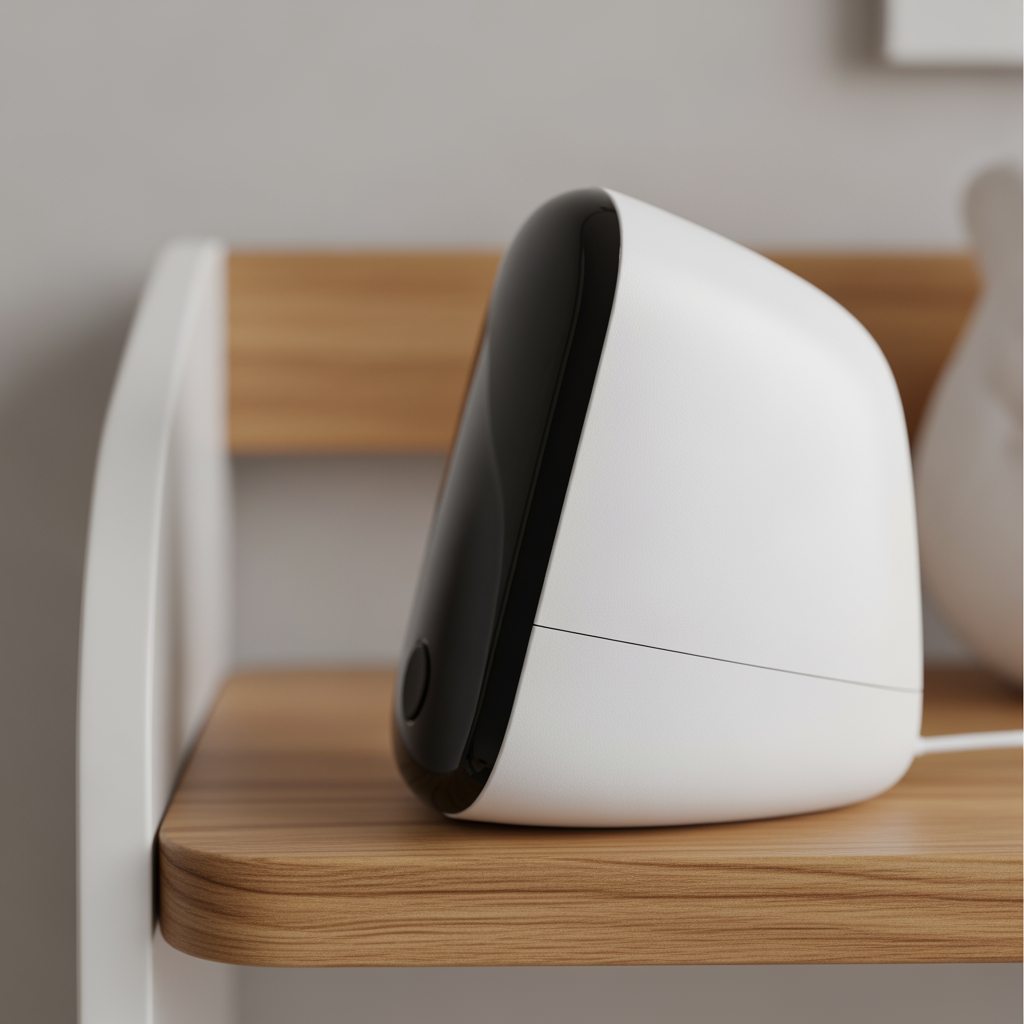
Popular apps like Huckleberry and Owlet use the data you log—nap times, wake-up times—to generate 'sweet spot' predictions for the next nap. The more consistently you log, the more accurate their predictions become. The latest 2026 technology goes even further. New smart monitors include sensors that can track heart rate and movement. This allows them to determine not just when a baby is asleep, but the quality of that sleep, such as how much time was spent in deep sleep versus light sleep. Some AI-powered monitors boast over 92% accuracy in detecting breathing irregularities, providing peace of mind. They also help reduce false alarms by 45% compared to older models. An age-specific sleep solutions app can offer adaptive schedules that automatically adjust based on this rich data. However, it's vital to be a smart consumer of this technology.
While these tools are powerful, they are not perfect. It is important to remember that you are the expert on your own child. Here are a few things to keep in mind when using sleep technology:
- Data is Key: An algorithm is only as good as the data you give it. For an app to provide accurate predictions, you must be diligent about logging naps and wake times accurately. Inconsistent or incorrect data will lead to flawed recommendations that cause more confusion.
- Look for Customization: The best apps and tools understand that no algorithm is perfect. They allow you to provide feedback or make manual adjustments. If the app's prediction seems wrong, you should be able to tweak it. This helps the algorithm learn and adapt to your baby's specific needs, especially during developmental leaps or sleep regressions.
- Balance Tech with Touch: Use technology as a helpful guide, not as a replacement for your own parental intuition. If the app says your baby should be awake for another 30 minutes, but they are clearly showing sleepy cues like rubbing their eyes and yawning, trust your baby. Your direct observation is the most valuable data point of all. The goal is to combine the insights from technology with your own connection to your child.
Your Next Steps to Predictable Naps
You now have a new framework for understanding your baby's sleep. Moving from rigid, static charts to a flexible, predictive mindset is the most important change you can make. It frees you from the stress of following rules that do not fit your child and empowers you to become a responsive, confident parent. Remember that every baby is unique, and their sleep needs can change from one day to the next. The goal is not perfection, but progress and predictability.

To start, focus on the three core inputs we discussed: your baby's age-based baseline, the length of their last nap, and the time of day. You do not need to make drastic changes. Begin by making small adjustments of 10 to 15 minutes to your current wake windows. If your baby had a short nap, try putting them down 15 minutes earlier for the next one. If they had a great nap, try extending the next window by 15 minutes. This gentle fine-tuning can make a world of difference.
Consider keeping a simple log for a few days. Note when your baby wakes up, the length of their naps, and how long they were awake in between. This data will quickly reveal patterns and help you see the effect of your adjustments. Most importantly, continue to watch your baby. Their cues are your most reliable guide. By combining this observational data with the principles of predictive calculation, you will create a rhythm that works for your family. You can stop guessing and start building a foundation for healthy, restful sleep.