
The clock ticks past midnight. You finally fell asleep, only to be jolted awake by a cry from the monitor. You look at the time. It has been almost exactly one hour. If this sounds familiar, you are not alone. You are exhausted, frustrated, and worried. This pattern of a toddler waking hourly is incredibly common. It is also solvable.
Frequent night wakings often feel like a mystery. The good news is that there are clear reasons behind them. Most of the time, these wakings align with the end of your toddler’s natural sleep cycle. They wake up and simply do not know how to fall back asleep on their own. They need your help to start the next cycle.
This guide will help you become a sleep detective. We will explore the science behind these hourly wakings. We will break down the four main types of causes: developmental, environmental, behavioral, and medical. Most importantly, we will give you clear, actionable solutions to help your entire family get the restorative sleep you need.
The Science of the Hourly Wake-Up: Understanding Your Toddler's Sleep Cycle
To solve hourly wakings, we first need to understand how toddlers sleep. Their sleep is not one long, continuous block. Instead, it is made up of repeated cycles. For a toddler between one and three years old, a single sleep cycle lasts about 60 minutes. This is the key to understanding why they wake up so predictably. At the end of each 60-minute cycle, your toddler's brain naturally enters a very light stage of sleep. They might shift position, make a small noise, or even briefly open their eyes. This is a normal and healthy part of sleep.

The problem is not the waking itself. The problem is the inability to get back to sleep independently. Think of your toddler's sleep like a train on a 60-minute circular track. The train runs through different stages of light and deep sleep. At the end of each lap, it pulls into a station for a moment. A toddler who can self-soothe knows how to get the train moving again for the next lap. They might roll over, find their thumb, and drift back into the next sleep cycle without you ever knowing they stirred. However, if your toddler does not have this skill, they will call for you. You are the conductor they need to get the train started again.
This is why the wakings can feel like clockwork. Every 60 minutes, the cycle ends, and your toddler finds themselves awake. If the only way they know how to fall asleep involves you—through rocking, feeding, or holding—they will need you to come and do that exact thing. This creates a pattern of dependency that can repeat all night long. The American Academy of Pediatrics (AAP) notes that developing healthy sleep habits is crucial for a child's development. Understanding this cycle is the first step toward teaching your toddler how to connect these sleep cycles on their own, leading to longer stretches of consolidated sleep for everyone.
These cycles happen all night. In the first half of the night, sleep pressure is very high. This means it is easier for your toddler to transition between cycles. You might notice they sleep for a solid two or three hours after bedtime. But as the night goes on, sleep pressure decreases. Sleep becomes lighter, especially in the early morning hours. This is when it becomes much harder for them to connect cycles without help. This explains why wakings might become more frequent after midnight. The goal is not to prevent these brief arousals. The goal is to give your toddler the tools they need to navigate them independently.
A Parent's Diagnostic Checklist: Pinpointing the Cause of Night Wakings
Now that you understand the sleep cycle, it is time to find your specific cause. Hourly waking is a symptom, not the root problem. By playing detective, you can identify the trigger and choose the right solution. Most causes fall into one of four main categories. Go through this list and see which one sounds most like your situation. Often, it can be a combination of factors, but one is usually the primary driver of the issue.
- Developmental Causes: Is your toddler going through a major growth phase?
- Environmental Causes: Is their bedroom or routine disrupting sleep?
- Behavioral Causes: Have they learned to depend on you to fall asleep?
- Medical Causes: Could an underlying health issue be causing discomfort?
Let's look at each of these areas more closely. This will help you narrow down the reason for your toddler's frequent wakings and find the path to a better night's sleep.
Is it Developmental? (Regressions & Milestones)
Toddlers are constantly learning and growing. These huge developmental leaps can temporarily wreak havoc on sleep. This is often called a sleep regression. A regression is not a step backward in your child's abilities. It is a sign their brain is busy working on new skills. Major regressions are common around 18 months and 2 years old. During these times, your toddler might be mastering walking, talking in sentences, or understanding more about the world around them. This cognitive burst can make it hard for their brain to shut down at night.
Separation anxiety is another major developmental factor. Around 18 months, toddlers realize they are separate individuals from their caregivers. This can make them anxious when you are not there, especially at night. They wake up and feel an urgent need to make sure you are still nearby. The 18-month sleep regression is often a perfect storm of growing independence and intense separation anxiety. They are also testing boundaries, and saying "no" to sleep is a powerful new skill. While these phases are temporary, your response can determine if the waking becomes a long-term habit.
Is it Environmental? (The Room & Routine)
Sometimes the solution is simpler than you think. Your toddler's sleep environment plays a huge role in their ability to stay asleep. Small changes can make a big difference. Is their room too bright? A streetlamp outside or early morning sun can signal to their brain that it is time to wake up. Is it too noisy? A dog barking or a loud TV in the next room can easily disrupt a light sleeper. Even the temperature matters. A room that is too hot or too cold can make it difficult to sleep comfortably.
Beyond the physical room, the bedtime routine is a critical environmental factor. A lack of a consistent, calming routine can leave your toddler wired instead of relaxed. The routine acts as a series of cues that tell your toddler's body and brain that sleep is coming. If the routine is rushed, chaotic, or involves stimulating activities like watching TV, it can prevent them from winding down. A common issue is a toddler resisting bedtime, which often stems from a routine that is not working effectively. A predictable sequence of events helps them feel safe and secure, making it easier to drift off to sleep.
Is it Behavioral? (Sleep Associations & Schedules)
This is the most common cause of long-term hourly waking. A sleep association is anything your toddler needs to fall asleep. Think of it as the "key" they use to unlock sleep. Healthy sleep associations are things they can control themselves, like sucking their thumb or holding a lovey. An unhelpful sleep association is something that requires your presence. This is known as an inappropriate sleep onset association. If the key is always you—rocking, feeding, holding, or patting their back—they will need you to come back and unlock the door to sleep every single time they wake up between cycles.
The other major behavioral cause is their sleep schedule. Overtiredness is a huge enemy of sleep. When a toddler is overtired, their body produces stress hormones like cortisol. This acts like a shot of caffeine, making it much harder to fall asleep and stay asleep. An overtired toddler is like a device on 1% battery that starts glitching instead of powering down. This often happens if their bedtime is too late or if they have recently dropped a nap. Conversely, a toddler who is undertired may also wake frequently. If they have too much daytime sleep or go to bed too early, they may wake up happy and ready to play in the middle of the night. The goal is to teach your baby to self-soothe and find the perfect schedule balance.
Could it be Medical? (Discomfort & Health)
While less common, it is crucial to consider medical reasons for hourly waking. If your toddler is in pain or discomfort, they will not be able to sleep well. Teething is often blamed for every sleep issue. While it can cause a few rough nights, it is rarely the cause of consistent, long-term hourly waking. More serious issues should be considered. For example, sleep apnea can cause a child to stop breathing briefly during sleep, causing them to gasp awake. A key sign of this is loud, consistent snoring or mouth breathing.
Other issues like acid reflux can cause pain when lying flat. Allergies can cause stuffiness and discomfort that disrupts sleep. Food sensitivities can lead to gas and stomach pain. If the hourly wakings started suddenly and are accompanied by other symptoms like rashes, digestive issues, or signs of pain, it is vital to speak with your pediatrician. They can help rule out or diagnose any underlying conditions that need medical treatment. Never try to solve a medical problem with behavioral solutions.
Your Step-by-Step Solutions for Hourly Wakings
Once you have identified the likely cause, you can start implementing solutions. The key to success is consistency. Choose a plan and stick with it for at least a week to see progress. We will focus on the most common environmental and behavioral issues, as these are the ones you can directly influence. Follow these steps in order to build a strong foundation for healthy sleep.

Step 1: Optimize the Sleep Environment
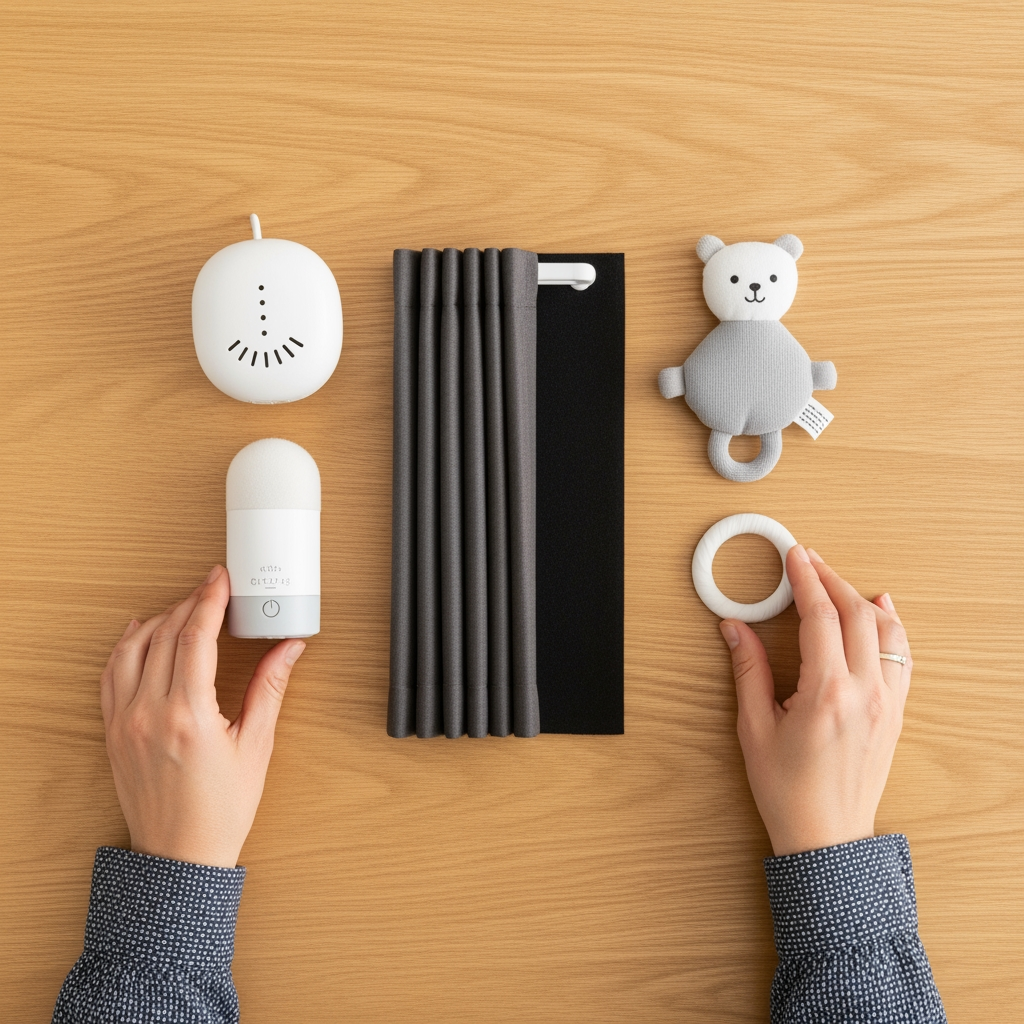
Your first task is to create a sleep cave. The goal is a room that is boring and perfectly set up for sleep. Start with darkness. Use blackout curtains or even temporary paper shades to make the room as dark as possible. Even a tiny sliver of light can disrupt sleep. Next, add continuous white noise. A white noise machine helps muffle household and street sounds. Make sure it runs all night long and does not have an automatic timer. The sudden silence when it turns off can be just as jarring as a loud noise.
Check the temperature. A cool room is best for sleep. The ideal range is around 67°F or 19.5°C. Dress your toddler in appropriate layers, like a sleep sack over pajamas, to keep them comfortable without overheating. Finally, make the crib or bed a sleep-only zone. Remove distracting toys, mobiles, and bright projections. The message should be clear: this space is for sleeping, not for playing. A safe, boring sleep space is the first building block for better nights.
Step 2: Master the Bedtime Routine
A solid bedtime routine is non-negotiable. It is the wind-down period that signals to your toddler's brain that it is time to prepare for sleep. The routine should be about 30 minutes long and follow the same predictable order every single night. Consistency is everything. A great routine might look like this: a warm bath, putting on pajamas, brushing teeth, reading two or three calm stories, and then a final song or cuddle. The activities should get progressively calmer as you get closer to bedtime.
One of the most important rules for the routine is to eliminate screens. The blue light from tablets, phones, and TVs suppresses melatonin, the hormone that helps us feel sleepy. Turn off all screens at least one hour before the bedtime routine even begins. Keep the lights in the house dim during this wind-down period. This simple change can have a massive impact on how easily your toddler falls asleep. The routine ends with you placing your toddler in their crib and saying a consistent goodnight phrase.
Step 3: Break the Sleep Association
This is often the hardest but most important step. The goal is to teach your toddler to fall asleep on their own at the beginning of the night. If they can do it at bedtime, they can do it when they wake between sleep cycles. This means putting them into their crib or bed "drowsy but awake." They should be calm and sleepy, but still aware that you are putting them down. This is how they learn to make the final transition to sleep without you.
There are many gentle ways to do this. One popular method is to stay in the room to offer support. You can place a chair next to the crib for the first few nights. Offer brief, calm verbal reassurance if they get upset. Avoid picking them up unless they are hysterical. Every few nights, move the chair further away from the crib, until you are eventually out of the room. When they wake during the night, you will respond in the same brief, calm, and reassuring way. The goal is to be supportive but boring, so sleep becomes the more appealing option.
Step 4: Rule Out Scheduling Issues
Even with a perfect environment and routine, a bad schedule can ruin sleep. Toddlers aged 1-3 generally need 11-14 hours of total sleep in a 24-hour period. This is usually split between one daytime nap and nighttime sleep. An incorrect schedule can lead to a toddler who is either overtired or undertired, both of which cause night wakings. Overtiredness is more common and leads to a toddler who wakes up crying and distressed. Undertiredness often results in a toddler who wakes up happy and ready to play.
Use this table as a guide to troubleshoot your toddler's schedule. Small adjustments can make a huge impact on their ability to sleep through the night.
| Symptom | Possible Schedule Issue | Solution |
|---|---|---|
| Wakes hourly, crying/distressed | Overtiredness | Move bedtime 15-30 minutes earlier. Ensure nap isn't too short. |
| Wakes hourly, happy/playful | "Too much time in bed syndrome" | Move bedtime 15-30 minutes later or slightly shorten the daytime nap. |
| Fights bedtime for over 30 mins | Bedtime is too early | Push bedtime 15 minutes later. |
When making changes, only adjust one thing at a time. For example, try an earlier bedtime for three to four days before deciding it is not working. Give your toddler's body time to adapt to the new schedule.
When to Call Your Pediatrician
While most cases of hourly waking are behavioral or environmental, it is vital to know when a medical issue might be the cause. Your intuition as a parent is powerful. If you feel that something is wrong or that your child is in pain, do not hesitate to contact your pediatrician. Trying to sleep train a child who has an underlying medical condition is unfair and ineffective. It is always best to rule out health concerns first, especially if the hourly waking is a new and sudden problem or if your child seems to be in distress.

There are several red flags that should prompt an immediate call to your doctor. These symptoms suggest that the sleep disruption is more than just a habit or a phase. Addressing these issues can not only resolve the sleep problem but is also crucial for your child's overall health and well-being. Do not dismiss these signs. Be prepared to describe the symptoms in detail to your pediatrician, including when they started and how frequent they are. Keeping a simple log for a few nights can be very helpful.
Here are specific signs that warrant a medical evaluation:
- Consistent snoring, gasping for air, or mouth breathing. These are hallmark signs of obstructive sleep apnea. Enlarged tonsils and adenoids are often the cause in toddlers. This condition disrupts sleep quality and can have long-term health impacts.
- Signs of pain during wakings. This could include arching their back, pulling their legs to their chest, or being inconsolable. This might point to gastroesophageal reflux (acid reflux), where stomach acid causes a burning sensation when they lie down.
- Skin or digestive issues. If the sleep problems are paired with eczema, rashes, hives, constipation, or diarrhea, it could signal a food allergy or sensitivity. The internal discomfort from these issues can easily cause frequent wakings.
- Sudden onset with other signs of illness. If your toddler was sleeping well and suddenly starts waking hourly along with a fever, cough, or other symptoms, an ear infection or another illness could be the culprit. Pain from ear infections often worsens when lying down.
- Failure to improve with behavioral changes. If you have been consistent with the strategies in this guide for two weeks with zero improvement, it is a good idea to check in with your doctor to make sure nothing else is going on.
Your Action Plan for Better Nights Ahead
You now have the tools to understand and solve your toddler's hourly wakings. It can feel overwhelming, but you do not have to fix everything at once. The most important thing you can do is be consistent. Children thrive on predictability, and your consistent response is what will ultimately reshape their sleep habits. Remember that you are not just solving a short-term problem; you are giving your child the lifelong skill of healthy, independent sleep. This process takes time and patience, so be kind to yourself and your toddler.

Here is a simple action plan to get started. Focus on one area at a time to avoid feeling overwhelmed. For the first week, commit to this plan. On Days 1 and 2, focus entirely on the sleep environment. Make the room dark, cool, and add white noise. On Days 3 through 5, perfect the bedtime routine. Make it predictable, calm, and screen-free. Starting on Day 6, after building a strong foundation, you can begin to address the sleep association. Put your toddler down drowsy but awake and choose a gentle method to support them as they learn to fall asleep on their own. Throughout this time, pay close attention to their schedule and make small adjustments as needed.
Progress is not always linear. You may have a great night followed by a rough one. This is normal. A developmental leap or a minor cold can temporarily set you back. The key is to return to your consistent plan as soon as possible. Celebrate the small victories, like when your toddler connects two sleep cycles for the first time. Each small step is a move toward more restful nights for your entire family. You have the knowledge and the plan. You can do this.