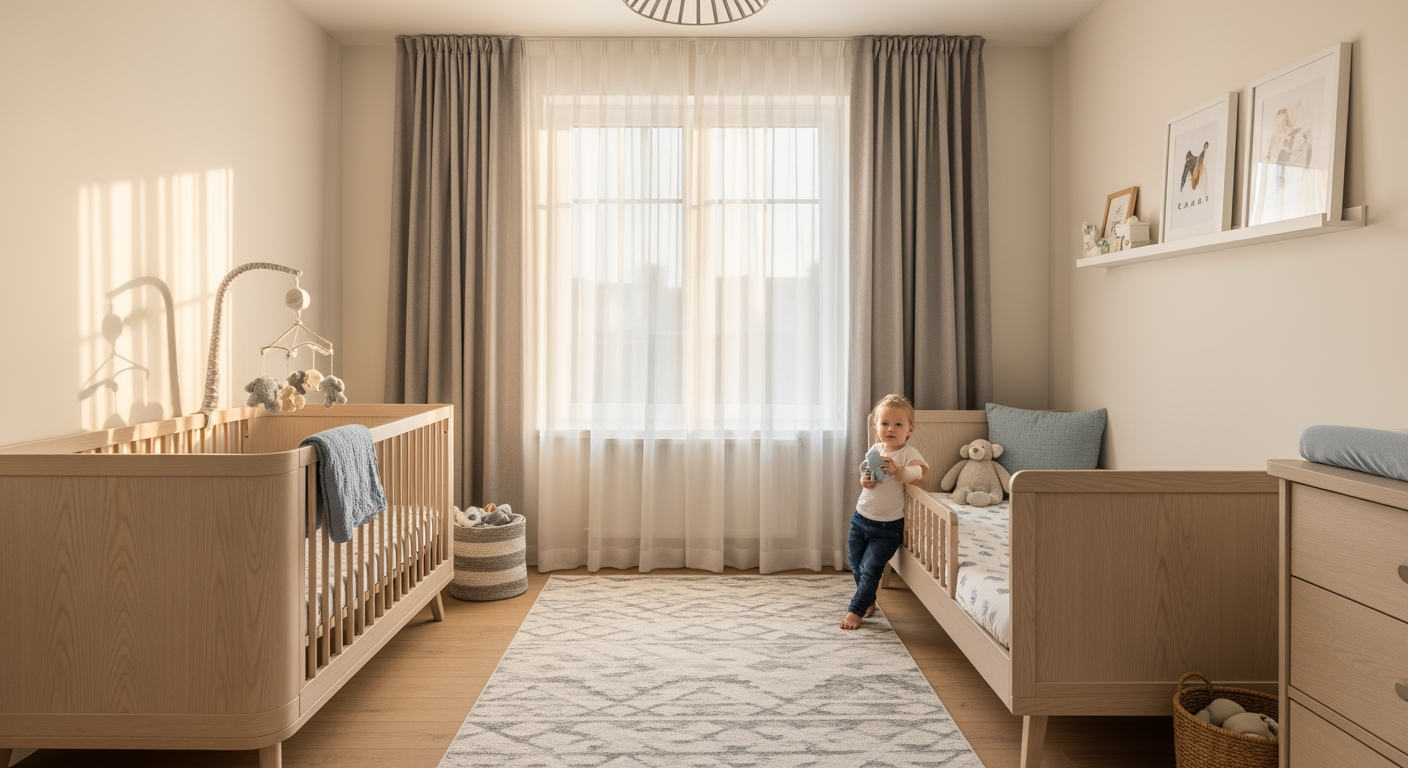
You have a new baby and a wonderful toddler. You also have one less bedroom than you need. This common situation can feel very stressful. You might worry about sleep schedules. You might fear endless nights of one child waking the other. It is a big challenge for many growing families. The thought of managing two different sleep needs in one space can be overwhelming.
But there is good news. Thousands of families make it work every day. Room sharing can even help your children build a strong, lifelong bond. Success is possible with a clear plan. You need the right timing, the right room setup, and the right strategies. This guide will give you that plan. We will walk you through a readiness checklist. We will show you how to set up the room. We will explain how to manage bedtimes. And we will give you solutions for common problems.
Get ready to turn a source of anxiety into a peaceful reality. With patience and consistency, you can create a shared room where everyone gets the rest they need. Your whole family can enjoy quieter nights and happier mornings.
The Readiness Checklist: Is Your Family Ready for Room Sharing?
Timing is everything when it comes to siblings sharing a room. Starting too soon can create sleep problems that are hard to fix. Starting when everyone is ready makes the transition much smoother. Before you move a single piece of furniture, it is vital to assess if the time is right. This is not just about the children's ages. It is about their individual sleep skills and your family's capacity for a short-term adjustment period. A little preparation now prevents a lot of frustration later. This checklist provides clear benchmarks to help you decide if you are truly ready to begin this new chapter. Rushing this process is a common mistake. Taking a moment to honestly evaluate each point will set your family up for success from the very first night.

The most important safety guideline comes from the American Academy of Pediatrics (AAP). The AAP recommends that babies sleep in their parents' room for at least the first six months. This practice helps reduce the risk of Sudden Infant Death Syndrome (SIDS). Therefore, you should not consider moving your baby into a room with a toddler before they reach this six-month milestone. For many families, waiting even longer, until around 8 to 12 months, can be beneficial. By this age, a baby's sleep patterns are often more consolidated. Remember, this is about both safety and practicality. Following this core guideline is the first step in your readiness assessment. This non-negotiable step ensures you are putting your baby's safety first, which is the foundation of any good sleep plan.
A common myth is that your baby must be sleeping completely through the night without any wakings. This can be an impossible standard for many families. Instead, focus on independent sleep skills. Can your baby fall asleep on their own? This is the key question. If you need to rock, feed, or hold your baby to sleep, they are not yet an independent sleeper. When they wake at night, they will need you to recreate those conditions. This can be very disruptive in a shared room. It is more important that the baby can be placed in the crib awake and drift off to sleep without help. Working on this skill is a crucial prerequisite. A baby who knows how to gently self-soothe is far more prepared for room sharing than one who sleeps a long stretch but only with assistance.
Once you have honestly assessed these factors, you can use a simple checklist to make your final decision. Do not move forward until you can confidently say yes to most of these points. This isn't about perfection; it's about being prepared.
- Baby's Age: Is your baby at least 6 months old? This aligns with AAP recommendations for reducing SIDS risk before moving them from your room.
- Baby's Sleep Skills: Can your baby fall asleep independently without being rocked, held, or fed to sleep? This is critical for managing night wakings.
- Baby's Night Wakings: Has your baby's night schedule consolidated to one predictable feeding or less? Fewer planned disruptions make the process easier for your toddler.
- Toddler's Sleep Skills: Does your toddler sleep through the night in their own bed consistently? A well-rested toddler is more resilient to the change.
- Toddler's Transition: Has your toddler been in their current bed (crib or toddler bed) for over a month with no major issues? Avoid combining the room-sharing transition with a move to a big-kid bed.
- Parental Readiness: Are you prepared for a 1-2 week adjustment period with potential disruptions? Having the right mindset is half the battle.
If you have checked off these items, your family is likely in a great position to start. If not, it is wise to wait. Work on the specific area that needs improvement, whether it is the baby’s self-soothing skills or the toddler’s consistency. Waiting another month or two can make a world of difference. It transforms the transition from a stressful gamble into a confident step forward for your family.
The 5-Step Setup for a Peaceful Shared Room
Once you have decided the time is right, your next task is to prepare the physical space. How you arrange the room has a huge impact on how well your children will sleep. The goal is to create an environment that promotes rest and ensures safety for both children. This is not just about fitting two beds into one room. It is about thoughtful design that minimizes disruptions and gives each child a sense of their own space, even in a shared setting. A well-planned room acts as a silent partner in your sleep efforts. It can prevent problems before they even start. From furniture placement to childproofing, every detail matters. Following a clear, step-by-step process will help you create a true sleep sanctuary for your toddler and baby.

This setup plan addresses the most critical aspects of a shared room. It covers safety, environment, and the emotional needs of your toddler. By involving your older child in a positive way, you can make them feel like an important part of the process rather than a resident being displaced. This helps foster cooperation from the start. Remember, the ultimate goal is a room that is boring at bedtime. Exciting toys and bright lights can signal playtime, not sleep time. A simplified, sleep-focused room is your best tool. The following steps provide a clear roadmap to achieving this, touching on everything from layout to decor.
- Create Separate Zones. Give each child a distinct space. If possible, place the crib and the toddler bed on opposite walls. This physical separation creates a psychological boundary. It helps prevent your toddler from reaching into the crib. For night feedings or comforting the baby, position the crib closest to the door. This allows you to slip in and out with minimal disturbance to your toddler. In a very small room, even placing the beds on the same wall with a small dresser in between can help. Some parents use a lightweight room divider, but ensure it is stable and cannot be pulled down.
- Optimize the Environment. Two tools are non-negotiable: blackout curtains and a white noise machine. Blackout curtains make the room dark, which signals to the brain that it is time for sleep. This is especially helpful for staggered bedtimes when your toddler enters a room that is already dark. A white noise machine is like a privacy shield for their ears. It creates a constant, gentle sound that masks sudden noises. A baby's cry is less likely to wake the toddler, and a toddler's cough is less likely to startle the baby. Place the machine between the two beds for maximum effect.
- Childproof Everything. Safety is your top priority. With a mobile toddler, the room must be completely secure. Anchor all heavy furniture, like dressers and bookshelves, to the walls. Cover all electrical outlets. Make sure there are no dangling cords from blinds or monitors. Most importantly, ensure your toddler cannot climb into the crib or place items inside it. This means no toys, pillows, or blankets should be accessible to them. A baby's sleep space must remain empty to be safe.
- Involve Your Toddler. Frame this change as a promotion for your toddler. They are now the big sibling who gets to share a room and help the baby learn. Let them participate in small, empowering ways. They could help choose their own new bedding or pick a new piece of art for their side of the room. Use positive language. Say things like, "You are such a great sleeper. You can show the baby how it's done!" This helps them feel ownership and pride instead of resentment. Exploring more resources on
- Minimize Toys. The bedroom should be for sleeping, not playing. A room filled with exciting toys can make it hard for children to wind down. This is especially true for naps, when the natural drive to sleep is lower. Keep the majority of toys in a separate living area or playroom. A small basket of quiet books or a few favorite stuffed animals is fine. The goal is to create a calm, even boring, environment that clearly signals that this space is for rest.
By following these five steps, you create a foundation for success. You will have a room that is safe, dark, quiet, and calming. You will also have a toddler who feels included and important. This proactive approach is far more effective than simply putting two beds in a room and hoping for the best. It gives you control over the environment, which in turn helps you guide your children toward peaceful, shared sleep.
Orchestrating Bedtime: How to Manage Two Schedules
The daily bedtime routine is where your room-sharing plan is put into action. Managing two children with different sleep needs and timings can feel like directing traffic at rush hour. However, with the right strategy, it can become a smooth and predictable process. The key is consistency. Children thrive on routine. When they know what to expect, they feel secure and are more likely to cooperate. There are two main approaches to bedtime in a shared room: the staggered bedtime and the single bedtime. For most families with a baby and a toddler, one method is clearly more effective, especially at the beginning. Understanding the pros and cons of each will help you choose the best fit for your children's temperaments and sleep needs. This section will break down both strategies and provide guidance on the trickiest part of all: naps.
Strategy 1: The Staggered Bedtime (Most Recommended)
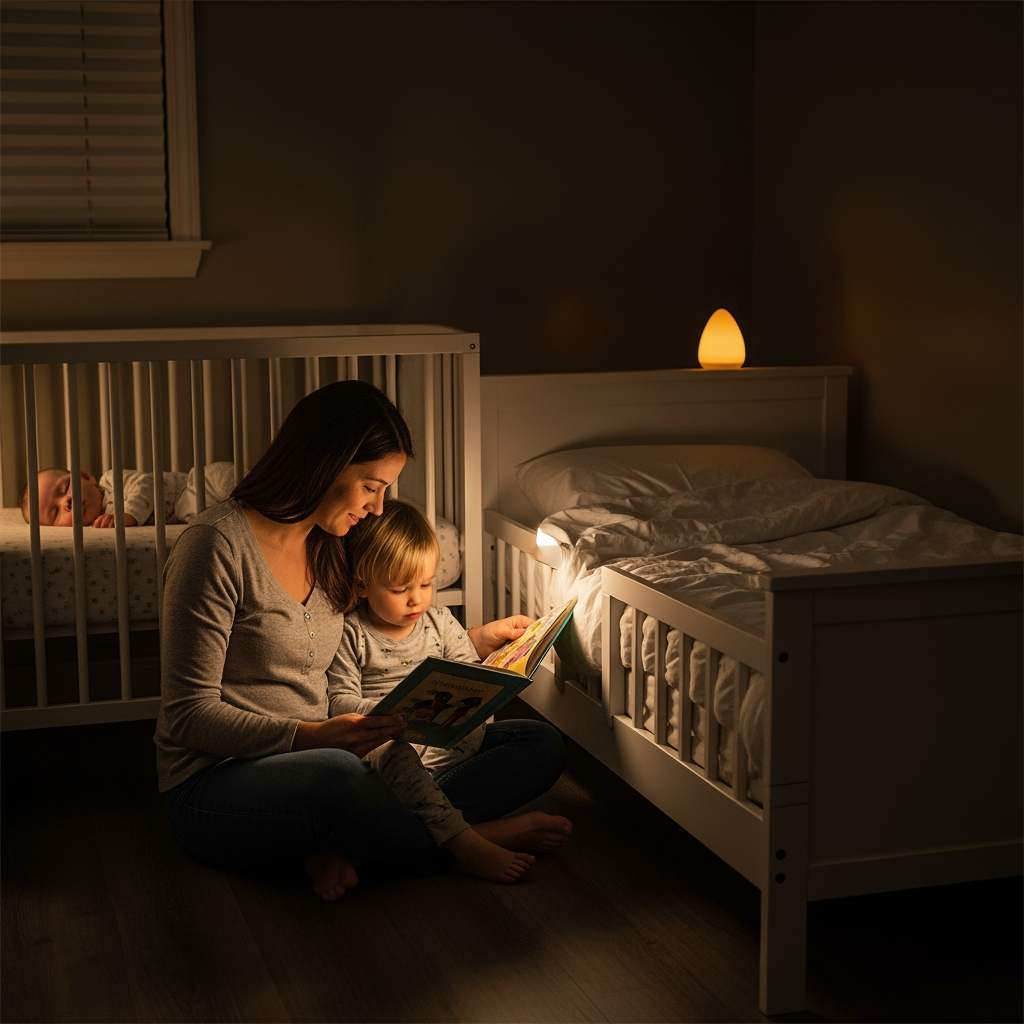
The staggered bedtime is the gold standard for families starting this transition. Think of it like landing two airplanes on the same runway. You let the first one, the baby, land and get to the gate before the second one, the toddler, comes in. This avoids a traffic jam at bedtime. In practice, this means putting your baby to bed first. For example, the baby's bedtime might be 7:00 PM, while the toddler's is 7:45 PM. This gives the baby a chance to fall asleep in a completely quiet and dark room, free from distractions.
This approach has a major emotional benefit for your toddler. The 30-60 minutes after the baby is asleep becomes special, one-on-one time for you and your older child. You can use this time for a quiet bath, reading extra books, or just cuddling and talking. This undivided attention helps your toddler feel loved and important. It refills their emotional cup before they go to bed. When it is their turn, you can quietly lead them into the dark room. With the white noise machine running, they are less likely to disturb the sleeping baby. This method requires more coordination but drastically increases the odds of a peaceful night.
Strategy 2: The Single Bedtime
A single, shared bedtime routine can seem simpler. The whole family goes through the bedtime process together. You might read books with both children on your lap, sing songs, and then put them in their respective beds at the same time. This can work, but it is often better suited for children who are closer in age, like twins, or for older siblings who are both good sleepers. For a baby and a toddler, the risk of distraction is very high. The toddler might try to engage the baby, or the baby's presence might energize the toddler.
This can lead to what parents call a "crib party," where neither child settles down. If you want to try this method, it is best to do so after the room-sharing arrangement is well-established with a staggered routine first. For some families, a single bedtime becomes a long-term goal. For those with children on very similar schedules, like in a sleep plan for twins, syncing them up is the primary objective. However, for a toddler and a baby, respecting their different biological clocks with a staggered approach is usually the wisest path to start.
What About Naps?
Naps are often the final frontier of room-sharing challenges. The reason is simple: sleep pressure is much lower during the day than at night. "Sleep pressure" is like a sleepiness battery that charges throughout the day. At night, it is fully charged, making it easier to fall and stay asleep. During the day, it is only partially charged. This means children are more sensitive to distractions and noises during naptime. A toddler talking or a baby fussing can easily derail a nap for both of them.
For this reason, most sleep experts recommend having children nap in separate spaces if at all possible. This may seem counterintuitive, but it is a key strategy for preserving daytime sleep. Good naps lead to better nights. You can have the baby nap in a safe travel crib in your bedroom or a quiet corner of the living room. The toddler can then nap in their own room without disruption. If separating for naps is not possible, you must be extra vigilant about a staggered nap routine and a very dark, quiet environment. But do not be discouraged if naps in the shared room do not work out. Prioritize separate naps to ensure everyone gets the daytime rest they need.
Troubleshooting: Your Guide to Common Room-Sharing Problems
Even with the best preparation, you will likely face some challenges. The first one to two weeks are an adjustment period for everyone. Your children are learning a new way of sleeping, and you are learning a new routine. Expect some bumps in the road. The key to getting through this phase is to have a plan for the most common problems. When a problem arises, responding calmly and consistently is crucial. Panicking or changing your approach every night will only confuse your children and prolong the issues. Think of yourself as a patient coach, guiding your children toward a new skill.

Most issues fall into a few predictable categories: one child waking the other, or bedtime becoming a game. The solutions often involve a combination of environmental tweaks, clear communication with your toddler, and unwavering consistency from you. Remember that children can learn to sleep through a surprising amount of noise. Your goal is not to create total silence but to manage the major disruptions. The following table outlines the most frequent problems and provides clear, actionable solutions. Keep this handy during the first few weeks. Knowing what to do ahead of time will help you stay calm and confident when a 3 AM wakeup call happens.
| Problem | Solution(s) |
|---|---|
| The baby's crying wakes the toddler. | 1. Coach Your Toddler: Explain beforehand that the baby might cry and that your job is to come help. Reassure them they can just roll over and go back to sleep. 2. Wait a Moment: Don't rush in at the first whimper. Both children can learn to sleep through minor noises. 3. Optimize White Noise: Ensure the sound machine is loud enough (like a running shower) to mask the sharpest cries. |
| The toddler wakes the baby (on purpose or by accident). | 1. Set Clear Rules: "We are quiet when we go into the room because the baby is sleeping." "We never put toys in the crib." 2. Use an 'OK to Wake' Clock: Set the clock for a reasonable time (e.g., 6:30 AM). Teach your toddler the rule: "You must stay quietly in your bed until the light turns green." |
| Bedtime has become a 'crib party'. | 1. Re-evaluate Bedtime: Are they overtired or undertired? An overtired toddler has less impulse control. 2. Be Consistent: Calmly and boringly return the toddler to their bed with a simple phrase like, "It's time to sleep." Do not engage in conversation. Consistency is key. 3. Separate for Naps: If this happens at naptime, it's a strong sign they need to nap in separate rooms. |
If you find that after two or three weeks of consistent effort, things are not improving, it is okay to take a break. It might be a sign that one or both children are not quite ready. You can move the baby back into your room in a travel crib for a few weeks and then re-attempt the transition. This is not a failure. It is a strategic pause. Sometimes, just a few more weeks of maturity can make all the difference. The key is to trust your instincts and prioritize sleep for the whole family, even if it means adjusting the plan.
The Path Forward: Fostering a Bond and Getting Your Sleep Back
Successfully transitioning your toddler and baby into a shared room is a major milestone. It marks a new chapter for your family. As you move forward, remember that consistency is your most powerful tool. Sticking to your routines, especially the staggered bedtime, will reinforce the good habits you have worked hard to build. The adjustment period might have been challenging, but the sleep will eventually win. Your children will adapt, and the peaceful nights will become your new normal.
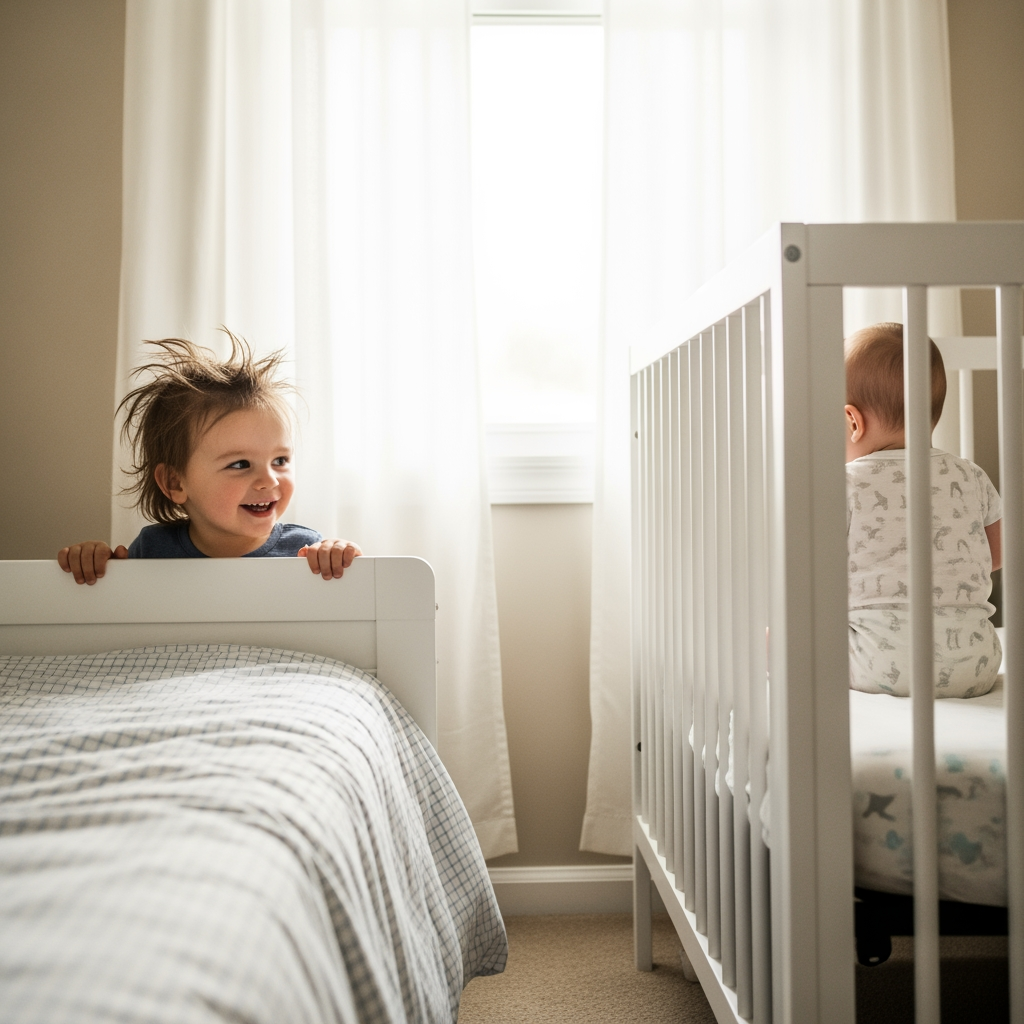
Look beyond the immediate goal of consolidated sleep. You are giving your children a unique gift. They are learning to share space, to be aware of others' needs, and to find comfort in each other's presence. Many parents find that after the initial phase, their children become a source of security for one another. They may whisper to each other in the morning or feel less afraid of the dark knowing their sibling is nearby. This is the foundation of a strong, supportive sibling bond that can last a lifetime.
You have navigated a complex challenge with patience and a solid plan. You checked for readiness, carefully set up the room, and managed a tricky bedtime orchestra. You are equipped to handle the small bumps that will still come up. Celebrate this success and enjoy the benefits: more space in your own room and a family that is well-rested. The effort you invested will pay off in countless quiet nights and happy mornings.