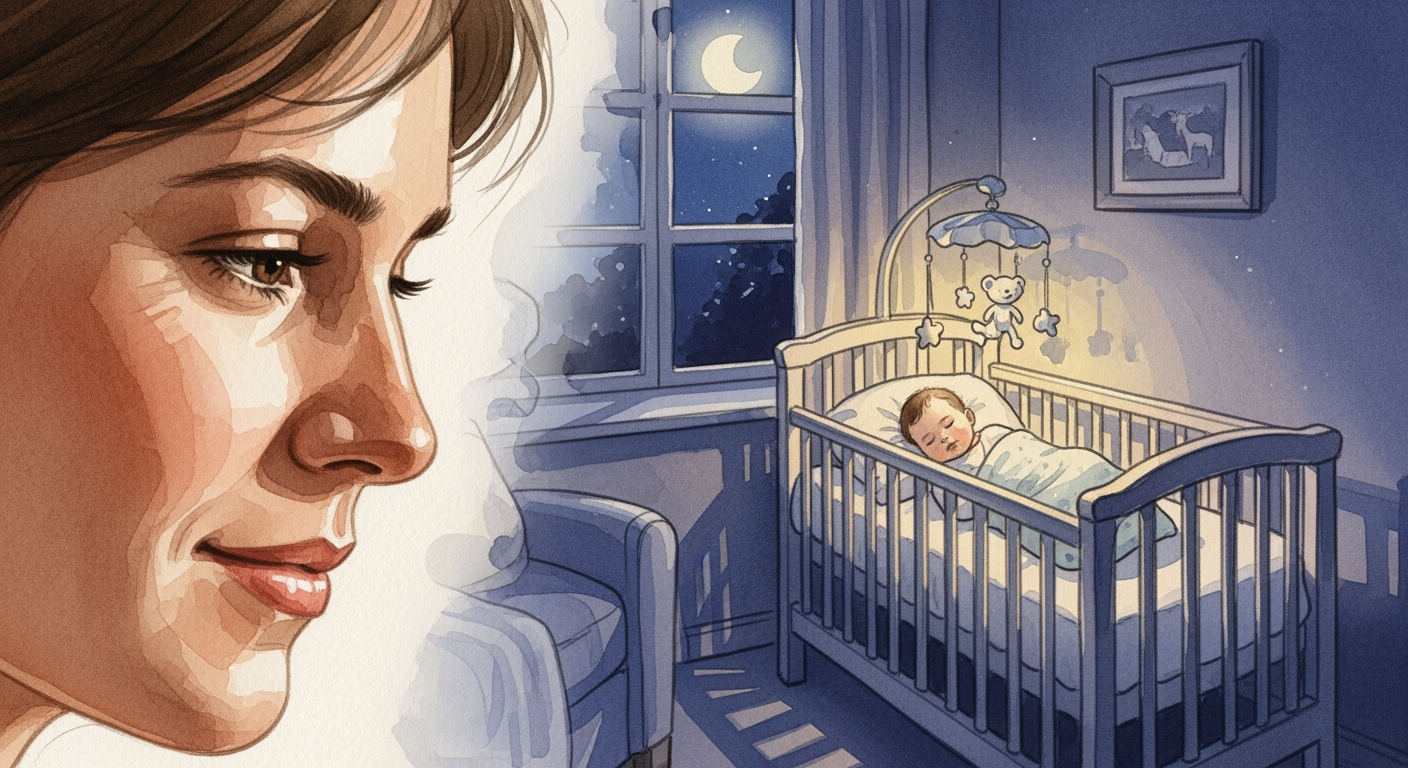
It is 2 AM. The house is quiet, but you are wide awake. You are sitting in a rocking chair with your baby asleep in your arms. You feel trapped. If you move even an inch, your baby’s eyes might fly open. This scene is familiar to so many parents. Rocking your baby to sleep is a sweet and natural act of love. But it can become a habit that you both depend on, leaving you tired and touched-out.
You might feel guilty for wanting to change this routine. Please know that you are not alone, and it is okay to want your time and rest back. Teaching your baby how to fall asleep on their own is a valuable life skill. It helps them get the restorative sleep they need for healthy development. It also helps you get the rest you need to be the best parent you can be. The good news is that you can make this change gently. You do not have to leave your baby to cry alone.
This guide will show you how to move away from rocking. We will explore five gentle rock-to-sleep alternative methods. You will learn the science behind why your baby loves to be rocked. We will also give you a clear, step-by-step plan to create new, positive sleep habits. You can reclaim your nights and help your whole family sleep better.
The Science of the "Rocking Trap": Why It Works (and Why It Stops Working)
Have you ever wondered why rocking works like magic? The answer lies in your baby's earliest experiences. Before birth, your baby lived in the womb. This environment provided constant, gentle motion. Every time you walked, moved, or even breathed, your baby was gently rocked. This motion is one of their first sensory inputs. It is deeply connected to feelings of safety and calm. When you rock your baby after birth, you are recreating this familiar, soothing sensation. This is called vestibular input, and it is a powerful tool for calming a fussy infant.
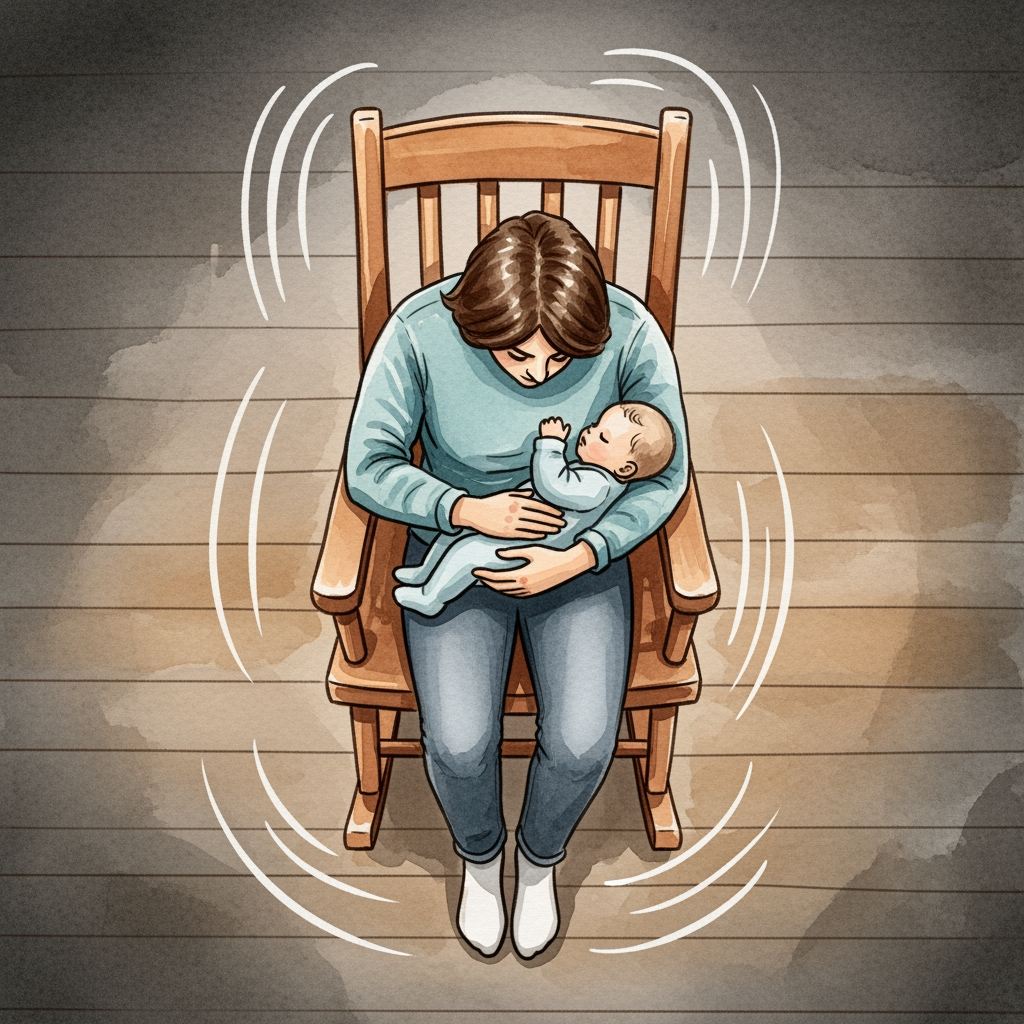
This leads to something called a sleep association. Think of it like your own sleep habits. Maybe you need a specific pillow or complete darkness to fall asleep. Your baby has learned that the feeling of being rocked means it is time for sleep. Rocking has become their primary sleep cue. This is not a bad thing on its own. It is a loving way to help your baby relax. The problem starts when it is the only way your baby can fall asleep. This is what we call a 'sleep crutch' or an unsustainable sleep association.
All babies, like adults, wake up briefly between sleep cycles during the night. These wakings are completely normal and happen multiple times. An adult might simply roll over and fall back asleep without even remembering it. A baby who knows how to self-settle can do the same. However, a baby who depends on rocking cannot. When they wake up alone in their quiet, still crib, they notice the sleep cue is missing. They think, 'Wait, I'm not rocking anymore! Something is wrong.' They then cry out for you to come back and recreate the rocking motion to get them back to sleep. This cycle can repeat all night long, leading to broken sleep for everyone.
The goal is not to say that rocking is bad. The goal is to expand your baby's skills. We want to teach them that they can fall asleep in other ways. By creating new, positive sleep associations that do not depend on you, you give them the gift of independent sleep. This means they can connect their sleep cycles on their own. The result is longer stretches of sleep for them and for you.
The Foundation: Your 5-Step Pre-Sleep Routine
Before you try any new method to stop rocking, you must have a solid foundation in place. This foundation is a consistent bedtime routine. A good routine acts as a powerful signal to your baby’s brain. It tells them that the world is winding down and sleep is coming soon. This predictability helps them feel secure and makes them more open to falling asleep. The routine should be calm, quiet, and last about 20-30 minutes. You should do the same steps in the same order every single night.

Consistency is the most important part. Every caregiver should follow the exact same steps. This helps your baby understand the cues no matter who is putting them to bed. The routine should move from more active to more calm activities. It should end in the room where your baby sleeps. This helps them associate their sleep space with relaxation and rest. Here is a simple, effective 5-step routine you can start using tonight.
- The Wind-Down Bath: A warm, calming bath can help relax your baby’s muscles. The slight drop in body temperature after the bath also naturally encourages sleepiness. Keep the lights low and the mood peaceful.
- Get Dressed for Sleep: Move to your baby's dimly lit bedroom. Change them into a fresh diaper and their pajamas or a safe wearable blanket. A swaddle is great for newborns, while a sleep sack is perfect for older babies.
- Quiet Connection: Read one or two short board books or sing a soft lullaby. This is a moment for connection. Keep your voice low and calm to maintain the sleepy atmosphere.
- The Final Feed: If feeding is part of your routine, try to finish it about 15-20 minutes before you plan to put your baby in the crib. This helps break a feed-to-sleep association, which is another common sleep crutch.
- Goodnight Phrase & White Noise: Say a consistent, loving phrase like, "Goodnight, I love you." Then, turn on a white noise machine to a continuous, low rumble, similar to the sound inside the womb. This sound can help block out household noises.
Once this routine is firmly established over several nights, your baby will know what to expect. This sense of security is the perfect launching pad for introducing a new way of falling asleep. Remember to always place your baby on their back on a firm, flat sleep surface with no soft bedding, as recommended by the American Academy of Pediatrics (AAP) 2026 safe sleep guidelines.
Choosing Your Gentle Path: Which Alternative Is Right for Your Family?
There is no single 'best' way to stop rocking a baby to sleep. The right method for your family depends on several factors. These include your baby's age, their unique temperament, and your own comfort level with change and potential crying. Some parents prefer a very slow and gradual approach. Others are ready for a more structured plan that might bring faster results. Feeling empowered to choose the right fit is the first step toward success.
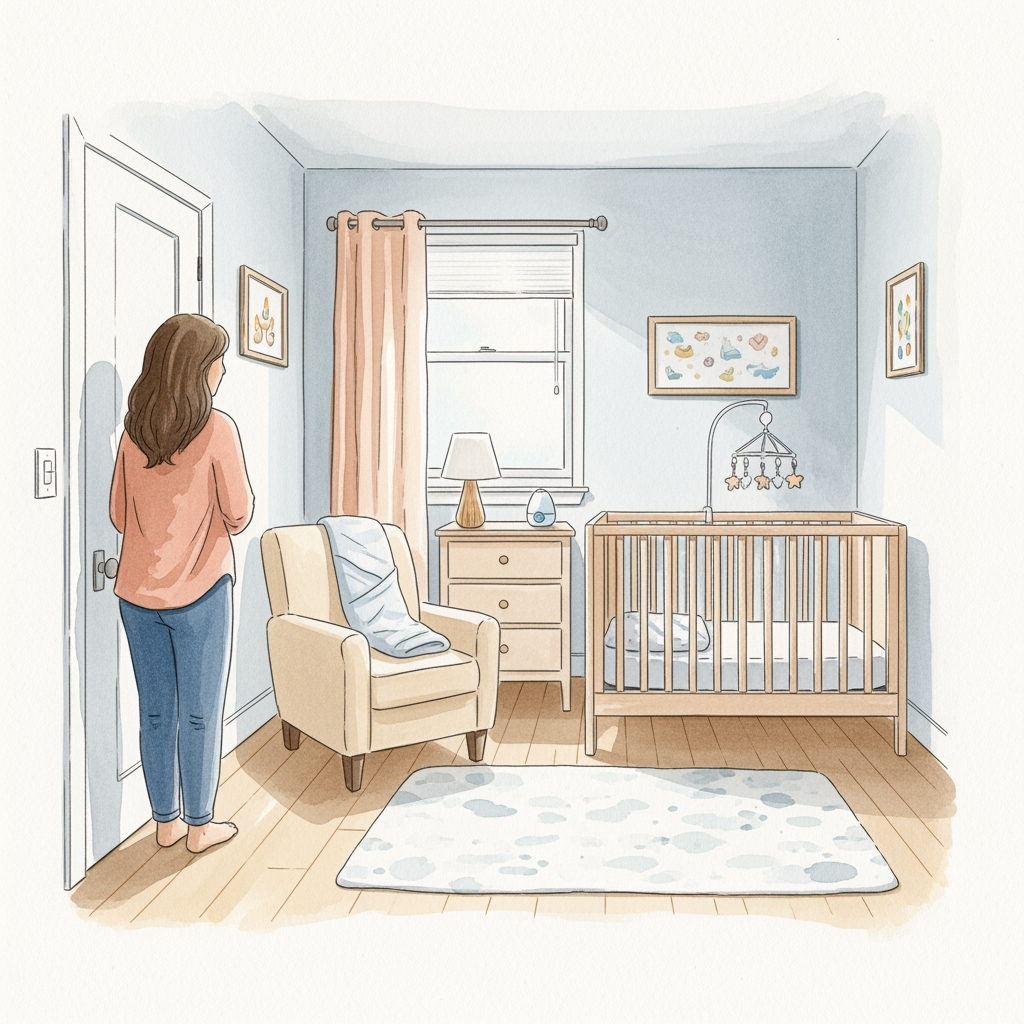
Think about your baby. Are they generally easygoing, or do they resist change? Are they calmed by your touch, or does handling them sometimes make them more stimulated? Now think about yourself. How much time and emotional energy can you commit to this process? Answering these questions will help you select a path that feels sustainable. The table below compares our five gentle methods to help you make an informed decision.
| Method Name | Best For (Age / Temperament) | Parental Involvement | Typical Crying Level |
| 1. The Fading Method | 3+ months / Parents wanting a very gradual change | High to Medium | Low |
| 2. The Shush-Pat Method | 3-6 months / Babies calmed by touch and sound | High | Low to Medium |
| 3. Pick Up, Put Down | 4-8 months / Babies who aren't overstimulated by handling | Very High | Medium to High |
| 4. The Chair Method | 6+ months / Babies who understand object permanence | Medium to Low | Medium |
| 5. Sensory Swapping | All ages / A good starting point for any baby | High to Low | Low |
Use this table as a guide. Remember that you can also adapt these methods. If one approach does not seem to be working after a week of consistent effort, it is okay to reassess and try another. The goal is to find a loving, supportive, and effective strategy that leads to better sleep for your entire family.
5 Rock-to-Sleep Alternatives: A Step-by-Step Guide
Once you have your bedtime routine in place and have chosen a path, it is time to begin. The key concept for all these methods is putting your baby down 'drowsy but awake.' This means they are calm and sleepy, but their eyes are still open. They are aware they are being placed in their crib. This awareness is crucial for learning to fall asleep independently. Let's explore each method in detail.
Method 1: The Fading Method (Gradual Retreat)
The Fading method is the most gradual approach on our list. It is perfect for parents who want to make a change with the least amount of protest from their baby. This method requires patience, as you will slowly reduce the amount of rocking over many nights. You are 'fading out' the sleep association instead of removing it all at once.
Start by rocking your baby just until they are drowsy, not fully asleep. Place them in the crib. If they protest, you can rock them a little more, but try to reduce the time each night. For example, for nights 1-3, you might rock for 10 minutes. For nights 4-6, reduce it to 8 minutes. Continue this pattern. The next step is to rock until drowsy, then just hold your baby still in your arms until they are calm before placing them in the crib. Eventually, you will just hold them for a moment before putting them down wide awake. This slow retreat helps your baby adjust at a comfortable pace.
Method 2: The Shush-Pat Method
This method works well for younger babies, typically between 3 and 6 months old. It replaces the motion of rocking with other calming sensory inputs: sound and touch. It allows you to offer significant comfort while your baby is in their crib, not in your arms. This helps them build a positive association with their own sleep space.
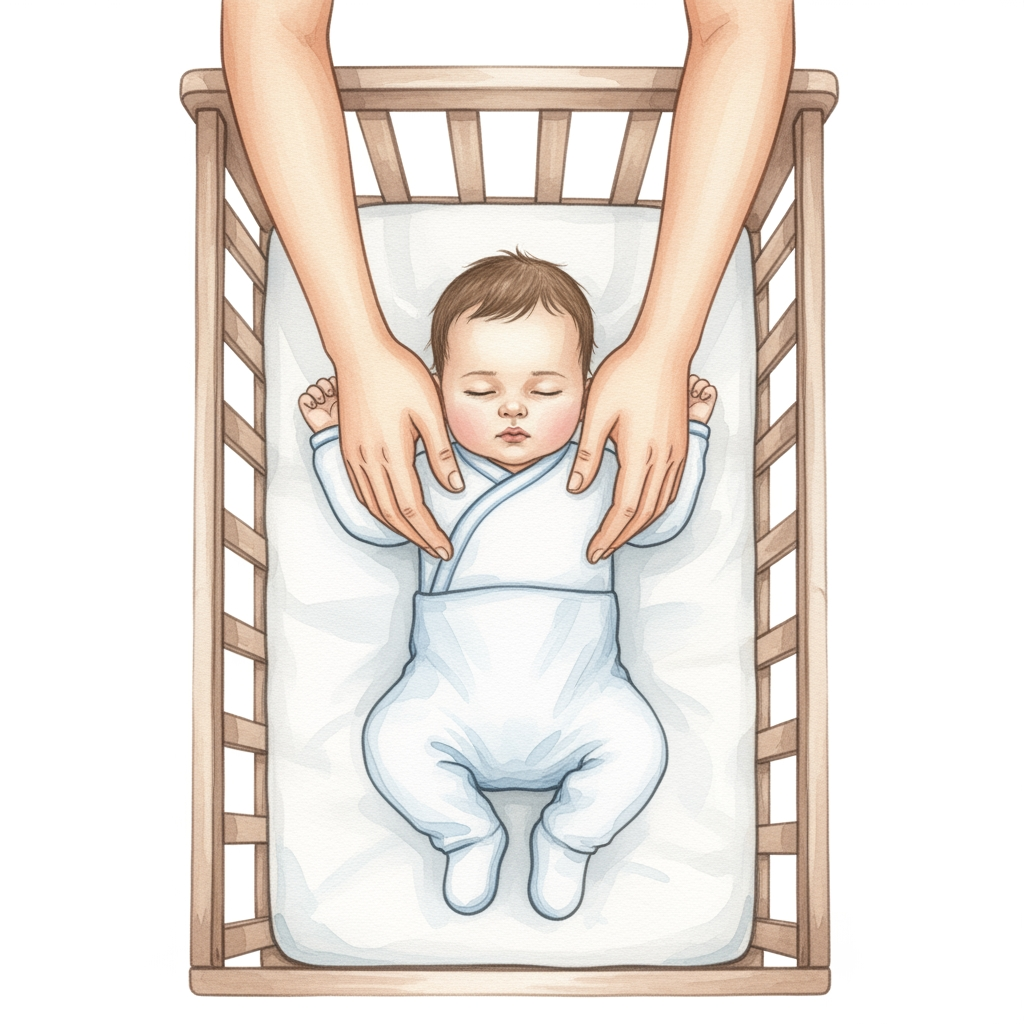
After your bedtime routine, place your baby in their crib drowsy but awake. If they begin to fuss, gently roll them onto their side (you will roll them back onto their back once asleep). Place one hand firmly on their chest or back. Begin patting their bottom or back in a steady, rhythmic way, like a ticking clock. At the same time, make a loud, continuous 'shushing' sound close to their ear. The shushing should be loud enough to get their attention over their own cries. As they begin to calm down, you can decrease the intensity of the patting and the volume of the shushing. Once they are asleep, stop and gently roll them onto their back.
Method 3: The Pick Up, Put Down Method
This is a highly responsive method that involves a lot of parental involvement. It can be very effective for babies from 4 to 8 months old. However, be mindful of your baby's temperament. For some, being picked up and put down repeatedly can be overstimulating rather than calming. You are the expert on your child.
The steps are simple but require persistence. You place your baby in the crib awake. If they start to cry, you immediately pick them up. You soothe them until they are calm, but not asleep. The very moment they are calm, you put them back down in the crib. If they cry again, you repeat the process. On the first few nights, you might do this dozens of times. The goal is for the baby to eventually fall asleep in their crib. The Pick Up, Put Down method shows your baby that you will always respond to their needs, but that their crib is the designated place for sleep.
Method 4: The Chair Method
This method is best for slightly older babies, around 6 months and up. At this age, babies understand object permanence. This means they know you still exist even when you are not in sight. The Chair Method uses this developmental stage to your advantage. It provides the reassurance of your presence while creating physical distance.
On night one, after your routine, you place your baby in the crib and sit in a chair right beside it. You can offer verbal reassurance but should avoid picking them up or extensive touching. Every few nights, you move the chair further away from the crib. First to the middle of the room, then to the doorway, and finally, out of the room completely. The Chair Method offers a structured plan for parents who want a clear, step-by-step retreat. This gradual removal of your presence teaches your baby that they are safe and can fall asleep without you right next to them.
Method 5: Sensory Swapping (The Layering Technique)
This is a creative and very gentle approach that can be a great starting point for any family. Instead of taking away the rocking right away, you first add new, sustainable sleep cues. You are 'layering' new associations on top of the old one. This makes the transition much smoother when you finally remove the rocking motion.
For the first week, continue to rock your baby as you normally would. But as you rock, introduce one or two new sensory cues. This could be turning on a specific white noise sound every single time. It could also be placing a firm, steady hand on your baby's chest or back. After several nights of doing this consistently, your baby's brain will start to connect the white noise and your touch with sleep, not just the rocking. In the second week, you can stop the rocking motion. Continue to hold your baby with your hand on their chest and the white noise playing. They now have other cues to signal sleep. Over time, you can fade out the holding as well.
Staying the Course: What to Do When It Gets Tough
Teaching your baby a new skill takes time and consistency. It is important to manage your expectations. Progress is rarely a straight line. There will be good nights and tough nights. Some protest crying is a normal and healthy expression of frustration when a baby is learning something new. Gentle methods aim to minimize distress and support your baby through the process, not to promise a completely tear-free experience. Knowing what to expect can help you stay confident and committed to your plan.
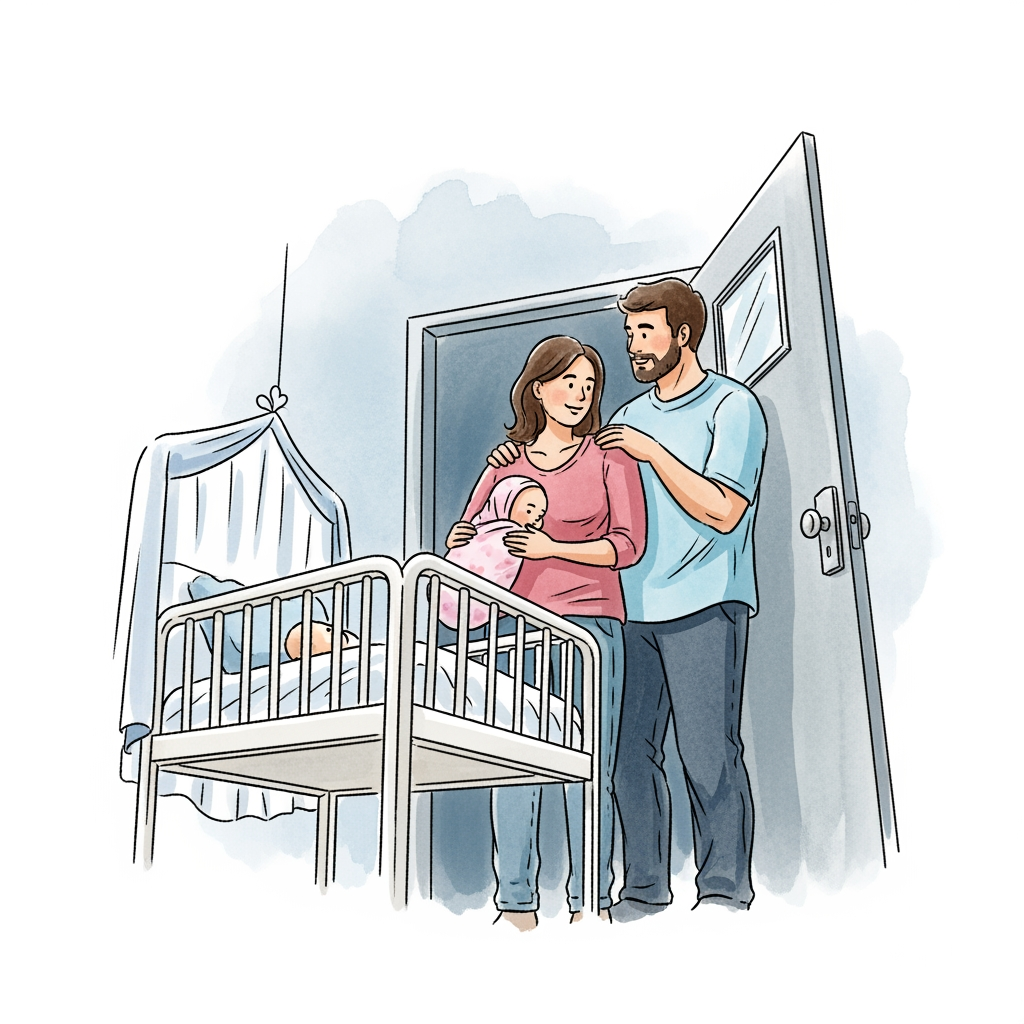
You might experience what is known as an 'extinction burst.' This is when your baby's sleep gets a little worse for a night or two just before it gets much better. It is their final attempt to go back to the old way of doing things. This is actually a sign that the process is working! The key is to not give in and reintroduce rocking. Stay consistent, and you will get through it. Here are some tips to help you stay the course.
- Trust the Process: Gentle methods are not a quick fix. It can take two to four weeks to see significant, lasting change. Consistency is much more important than perfection. If you have a tough night, just get back on track the next day.
- Partner Up: Make sure all caregivers are on the same page. Both parents, grandparents, or nannies should use the exact same method and routine. Inconsistency will confuse your baby and slow down progress.
- Watch the Clock: An overtired baby will have a much harder time settling. Follow age-appropriate wake windows to ensure you are putting your baby down when they are tired, but not exhausted. This sets them up for success.
- Practice the Pause: When you hear your baby stir or fuss at night, wait a few moments before you rush in. They might just be transitioning between sleep cycles. Giving them this brief chance can help your baby learn to self-soothe. You may be surprised to see them resettle on their own.
Life happens. Things like illness, teething, or travel can temporarily derail your progress. During these times, it is okay to offer extra comfort and support. The key is to get back to your consistent plan as soon as things are back to normal. You have not failed; you are just navigating the realities of parenthood.
Your Next Step Toward Restful Nights
You now have a toolbox full of gentle, effective strategies to move beyond rocking. Breaking the rock-to-sleep habit is not about withholding love or comfort. It is about empowering your child with the lifelong skill of independent sleep. It is a gift that will serve them, and your entire family, for years to come. Remember that you are in control of this process. You can choose a path that feels right for your baby and for you.
The most important takeaways are to build a strong foundation with a consistent bedtime routine, choose a method that aligns with your parenting philosophy, and commit to it. Be patient with your baby and with yourself. You are guiding them through a significant change. Celebrate the small wins along the way, whether it is a shorter rocking session or the first time they fall asleep on their own in the crib.
If you are feeling overwhelmed by the options and want a personalized plan, we can help. A clear, step-by-step guide tailored to your baby's unique needs can make all the difference. Take our free sleep assessment today. Let us be your guide to more restful nights and happier mornings.