
The early months with a new baby can feel like a blur. You are navigating constant feedings and diaper changes. Sleep feels like a distant memory. Many new parents crave predictability and a sense of order. You want to understand your baby's needs before they become fussy. This desire for structure often leads parents to search for the perfect baby schedule.
But what if the secret isn't a strict, clock-based schedule? The key to a calmer day is a flexible, predictable routine. A routine follows your baby's natural rhythms and developmental needs. It empowers you to become the architect of your baby's day. It reduces stress instead of adding to it. This guide will teach you how to build a custom, age-based infant routine that truly works for your family.
You will learn the difference between a routine and a schedule. We will explore the essential building blocks of your baby's day. You will master the concepts of wake windows and sleepy cues. By the end, you will have a clear, step-by-step framework to create a responsive routine that grows with your child.
The Foundation: Routine vs. Schedule
Understanding the difference between a routine and a schedule is the first step. This distinction is crucial for your baby's well-being and your own peace of mind. A schedule is rigid and tied to the clock. It dictates that a nap must happen at 9:00 AM, no matter what. A routine, on the other hand, is a flexible sequence of events. It creates a predictable pattern, like always eating after waking up. The focus is on the order of activities, not the specific time on the clock.

Forcing a baby onto a strict schedule can be stressful for everyone. A baby's needs can change daily. They might be hungrier one day or more tired the next. A rigid schedule does not account for these natural variations. It can lead to an overtired baby, which makes it even harder for them to fall asleep. Research shows that this stress can increase cortisol levels in infants. A flexible routine honors your baby's unique needs. It helps them feel safe and secure because they learn what to expect next.
Think of it this way. A routine is like a familiar recipe. You always follow the same steps in the same order to bake a cake. You mix the dry ingredients, then the wet, and then combine them. The result is predictable and comforting. A strict schedule is like demanding that dinner is on the table at exactly 6:00 PM every night. This is stressful if you hit traffic or a meeting runs late. The first approach provides gentle structure. The second creates pressure and anxiety.
So, when can you start a routine with a baby? Most experts agree that you can introduce a gentle routine between 2 and 4 months of age. Before this, especially in the newborn phase (0-8 weeks), babies need to eat and sleep on demand. Their internal clocks, or circadian rhythms, are not yet developed. As they get a little older, you will notice their feeding and sleep habits become more predictable. This is the perfect time to start building a flexible, responsive pattern for your days.
The 3 Building Blocks of a Thriving Baby's Day
A baby's day, no matter their age, revolves around three core activities. These are the fundamental building blocks for any custom routine. By understanding and balancing these three elements, you can meet your baby's needs effectively. This simple framework helps you structure your day in a way that promotes healthy growth, development, and sleep. The three pillars are eating, playing, and sleeping. Each one plays a vital role in your baby's well-being and happiness.
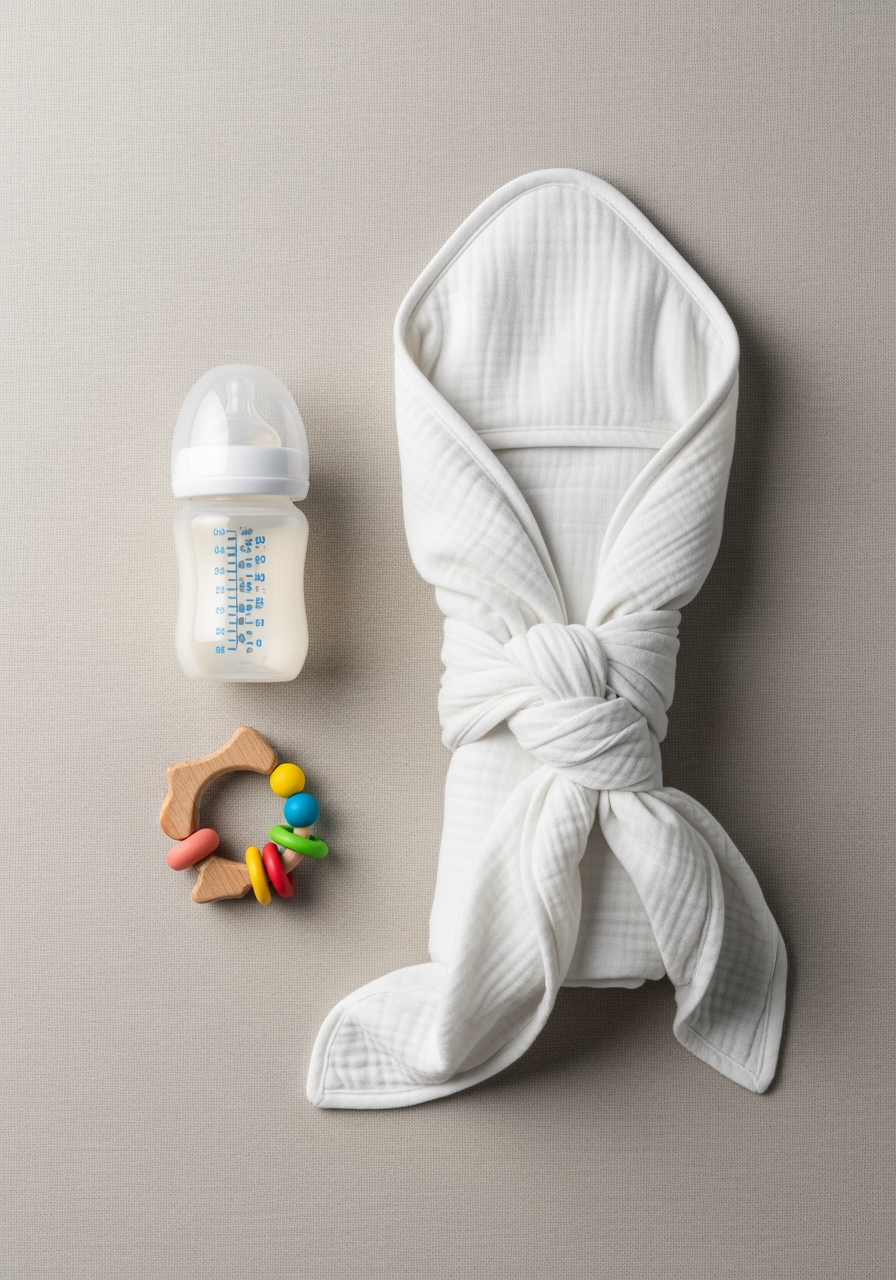
Focusing on these components allows you to create a rhythm that is easy to follow. You will learn to see the day not as a series of random events, but as a cycle. This cycle repeats several times throughout the day. Your job as the routine architect is to guide your baby through this cycle smoothly. Let's explore each of these essential building blocks in more detail.
- Eat: This block is about providing nourishment for growth and energy. The goal is to offer full, effective feedings of breastmilk or formula. When a baby gets a full feeding, they are less likely to snack throughout the day. This helps them stay content for longer and sleep for more consolidated stretches. A popular strategy is to feed your baby as soon as they wake up from a nap or for the day. This ensures they are alert and ready to eat well. It also helps to separate eating from sleeping, preventing a feed-to-sleep association that can cause sleep issues later.
- Play: This is your baby's awake time. It is their 'work' and is essential for their development. Play includes any activity where your baby is awake and engaged. This could be tummy time, looking at high-contrast cards, listening to music, or simply interacting with you. This active period helps your baby practice new skills. It also builds up 'sleep pressure,' which is the natural drive to sleep. A good period of play makes it easier for your baby to settle down for their next nap. The length of this play period is determined by their age-appropriate wake window.
- Sleep: Sleep is not a luxury; it is a biological necessity for infants. It is when their brains process information and their bodies grow and repair. According to the American Academy of Pediatrics, newborns need 14-17 hours of sleep per day. This amount gradually decreases as they get older. Good sleep is guided by two main things: age-appropriate wake windows and your baby's unique sleepy cues. By paying attention to these, you can put your baby down for a nap or bedtime before they become overtired. This leads to better quality sleep and a happier baby. You can find sleep information tailored to your baby's age to help you understand their specific needs as they grow.
By structuring the day around this Eat-Play-Sleep pattern, you create a rhythm that is both predictable for your baby and manageable for you. It simplifies your decision-making. When the baby wakes up, you know it's time to eat. After eating, it's time to play. When they start showing tired signs, it's time to sleep. This simple flow is the heart of a successful custom routine.
The Golden Rule: Master Your Baby's Wake Windows
If there is one concept that will transform your approach to your baby's routine, it is the wake window. A wake window is simply the amount of time a baby can comfortably stay awake between sleep periods. It starts the moment they wake up and ends the moment they go back to sleep. Understanding and using wake windows is the golden rule for preventing an overtired baby. An overtired baby is fussy, hard to settle, and often takes short naps or wakes frequently at night.

Think of your baby's awake time like a smartphone battery. A newborn has a very small battery. It drains quickly, needing a recharge (a nap) after only 45 to 60 minutes. As your baby grows, their battery gets bigger. A 6-month-old can stay awake and play for much longer, perhaps 2 to 3 hours. Your job is to put them down to sleep just as their battery is getting low, but before it dies completely. This is the sweet spot for easy, restorative sleep.
Wake windows are based on age, but they are not set in stone. The chart below provides average ranges. Use these as a starting point. You will need to observe your baby to find their personal sweet spot. Here is a guide to typical wake windows and sleep needs by age:
| Age | Average Wake Window | Goal Total Daily Sleep | Number of Naps |
|---|---|---|---|
| Newborn (0-8 wks) | 35-60 minutes | 14-17 hours | 5+ (variable) |
| 2-3 Months | 60-110 minutes | 14-17 hours | 4-5 naps |
| 4-5 Months | 1.5 – 2.5 hours | 12-15 hours | 3-4 naps |
| 6-8 Months | 2 – 3.5 hours | 12-15 hours | 2-3 naps |
| 9-12 Months | 2.5 – 4 hours | 11-14 hours | 2 naps |
Remember, every baby is different. One baby might be on the lower end of the wake window range, while another is on the higher end. For example, the typical wake window for a 3-month-old baby is between 75 and 120 minutes. Your specific baby might do best with a 90-minute window. Use this chart as your guide, but let your baby's cues be the final authority.
A 5-Step Guide to Building Your Custom Routine
Now that you understand the building blocks, it's time to put them all together. This five-step process will guide you as you create a custom routine that fits your baby and your family. This is not about perfection. It is about creating a predictable rhythm. Be patient with yourself and your baby as you learn this new dance together. Remember to be flexible and responsive.

- Step 1: Choose Your Anchor. Start your day at roughly the same time each morning. This is your anchor point. It could be 6:30 AM, 7:00 AM, or whatever works for your family. A consistent start time helps regulate your baby's internal clock. This single point of consistency makes it easier for the rest of the day's rhythm to fall into place. It doesn't have to be exact to the minute, but aim for a 30-minute range.
- Step 2: Follow the Wake Window. Use the wake window chart from the previous section. Once your baby wakes up, the clock for their wake window starts. For example, if your 4-month-old wakes at 7:00 AM, their wake window is about 1.5 to 2.5 hours. This means their first nap should happen sometime between 8:30 AM and 9:30 AM. This gives you a target time to aim for.
- Step 3: Become a Sleepy Cue Detective. A wake window tells you *when* to start looking for tired signs. Your baby's sleepy cues tell you they are ready for sleep *now*. Common cues include yawning, rubbing their eyes or ears, staring into space, or becoming fussy. The goal is to catch these cues early. You want to put your baby down when they are drowsy but still awake. This practice is recommended by pediatricians and helps them learn to self-soothe.
- Step 4: Layer in the "Eat-Play-Sleep" Cycle. This is where it all comes together. When your baby wakes up, the cycle begins. First, **Eat** to get a full feeding. Then, **Play** during their wake window. This is their active time. Finally, as the wake window ends and you see sleepy cues, it's time for **Sleep**. This pattern repeats throughout the day, creating a predictable flow from one nap to the next.
- Step 5: Adjust and Adapt. Your baby is a person, not a robot. Some naps will be short. Some days will be off. That is completely normal. The key is to be flexible. If your baby takes a short 30-minute nap, their next wake window starts as soon as they wake up. This means the next nap will need to happen sooner than you planned. Roll with it. A routine is a guide, not a prison. You can use a planning tool to help you create a custom schedule and track these changes.
Building a custom routine is an ongoing process of observation and adjustment. You are learning your baby's unique language. Trust your instincts. You know your baby best. This framework gives you the tools to respond to their needs confidently.
Troubleshooting Your Routine: Common Scenarios & Solutions
Even with the best routine, you will face challenges. Babies are constantly growing and changing. Sleep regressions, teething, and growth spurts can all disrupt your carefully planned day. This is normal. The goal is not to avoid these disruptions but to know how to handle them. Here are solutions to some of the most common routine problems parents face.

The Short Nap Problem
The 30 or 45-minute nap can be incredibly frustrating. If your baby consistently wakes up after one sleep cycle, there are a few likely causes. Often, the issue is being slightly over-tired or under-tired. A baby's sleep cycle is about 45 minutes long. If they wake at that point, they are having trouble connecting to the next cycle. Try adjusting the wake window. Put them down for their nap 10-15 minutes earlier than usual. If that doesn't work, try putting them down 10-15 minutes later. It can take a few days of experimenting to find the perfect timing.
It is also important to know that short naps are developmentally normal for babies under 6 months old. Their sleep patterns are still maturing. Sometimes, the only solution is patience and consistency. Continue to offer the nap at the right time. As they get older, they will naturally start to connect sleep cycles and take longer naps.
When "Eat-Play-Sleep" Stops Working
The Eat-Play-Sleep cycle is a fantastic tool, especially for younger infants. However, you may find it stops working as well around the 5-month mark. As your baby's wake windows lengthen, they may get hungry before their next nap is due. They might wake up from a short nap because of hunger, not because they are done sleeping. This is a common and solvable problem. You do not have to abandon your routine.
It is perfectly okay to adapt the model. You can transition to an "Eat-Play-Eat-Sleep" routine. This means you still offer a full feeding upon waking. Then, about 30-45 minutes before their nap, you offer a smaller top-up feed. This small snack can be just enough to tide them over. It helps them settle easily and sleep for a longer stretch. This adjustment shows how a routine should be responsive to your baby's changing needs.
Handling an "Off Day"
Some days, everything will feel off. Your baby might be teething, fighting a cold, or going through a developmental leap. A missed nap can throw the whole day's rhythm into chaos. On these days, the most important thing is to let go of perfection. Rigidity is your enemy on an off day. Instead of forcing a schedule, focus on your baby's cues. They may need shorter wake windows or extra comfort.
The goal is to get through the day with as little stress as possible. If a nap is missed, you might need to aim for an earlier bedtime to avoid overtiredness. If you have other children with their own schedules, flexibility becomes even more vital. Do your best to meet your baby's needs and get back to your normal routine on the next nap or the next day. One off day will not ruin all your progress.
Your Next Steps to a Predictable, Peaceful Day
Creating a custom infant routine is a journey, not a destination. You are now equipped with the tools and knowledge to be the architect of your baby's day. Remember the core principles. Focus on a predictable pattern, not a rigid, clock-based schedule. Use age-appropriate wake windows as your primary guide. Become an expert at spotting your baby's unique sleepy cues. This will help you find that perfect moment to put them down for sleep.

Most importantly, trust yourself. You are the expert on your baby. These guidelines are here to support you, but your observations and instincts are your most powerful tools. Be prepared to adapt as your baby grows and their needs change. The routine you create for your 3-month-old will look different from the one you use for your 9-month-old. This is a sign of success. It shows you are responding to your child's development.
By embracing flexibility and focusing on your baby's cues, you can build a routine that fosters security, reduces fussiness, and promotes better sleep for the whole family. You have the power to bring a sense of calm and predictability to your days. Enjoy this process of learning and growing with your little one.