
You see the clock ticking toward late afternoon. Your baby is tired, but the daily battle is about to begin. This is the struggle over the third nap. If they take it, bedtime becomes a late-night affair. If they skip it, you face a fussy, overtired baby until bedtime. This frustrating cycle can leave you feeling exhausted and confused. You might wonder if you are doing something wrong.
Rest assured, this is a normal and expected part of your baby's development. Dropping the third nap is a major milestone known as the 3-to-2 nap transition. It signals that your baby's sleep needs are changing as they grow. While this phase can be tricky, it does not last forever. With the right approach, you can navigate this change smoothly.
This guide provides a clear, step-by-step roadmap. We will help you identify if your baby is truly ready to drop their nap. You will learn a proven plan to manage the transition. We will also cover common problems and how to solve them. Soon, you and your baby will settle into a new, predictable two-nap schedule.
The Science of Dropping a Nap: Why It Happens
Understanding why your baby is suddenly resisting sleep can make the process less stressful. The 3-to-2 nap transition is not a random event. It is a biological shift driven by your baby's maturing brain and changing sleep needs. Two key concepts are at play: wake windows and sleep pressure. Mastering these ideas will empower you to respond to your baby's cues with confidence. This change is a positive sign of healthy development. It means your baby can stay awake comfortably for longer periods.

Think of your baby's wake window as their "sleepiness battery." When they wake up, their battery is fully charged. As they play, learn, and interact with the world, this battery slowly drains. For a good nap, you want the battery to be low, but not completely empty. As babies get older, their battery gets bigger. It takes more time to drain. This is why their wake windows naturally lengthen. A six-month-old might only be able to handle two hours of awake time. However, an eight-month-old can often stay awake for three hours or more. The old three-nap schedule, with its shorter wake windows, simply stops fitting into a 24-hour day.
Sleep pressure is the other side of the coin. Imagine holding a beach ball under water. The longer you hold it down, the more force builds up. When you let go, it shoots to the surface. Sleep pressure works in a similar way. The longer your baby is awake, the more a substance called adenosine builds up in their brain. This creates a powerful drive to sleep. As your baby's wake windows get longer, they build much more sleep pressure between sleeps. This means they no longer need three small naps to make it through the day. Instead, they are ready for two longer, more restorative naps. The increased sleep pressure helps them connect sleep cycles for these longer naps.
This transition is a process of schedule consolidation. Your baby's body is preparing to take two solid naps and have one long stretch of night sleep. To successfully move to a two-nap schedule, a baby needs to handle wake windows of about three to three and a half hours. Trying to force this change before their body is ready can lead to overtiredness. This is why it is so important to look for clear signs of readiness. It is not just about one day of nap resistance. It is about a consistent pattern showing that their sleep needs have fundamentally changed for good.
The "Is It Time?" Checklist: 5 Telltale Signs Your Baby Is Ready
Deciding to drop a nap can feel like a big decision. How can you be sure it is the right time? The key is to look for consistent patterns. A single day of nap refusal or a rough night does not mean you should change the entire schedule. These signs should appear consistently for one to two weeks before you make a change. This ensures you are responding to a true developmental shift, not a temporary disruption from teething, illness, or a minor sleep regression. Here are the five most reliable signs that your baby is ready to move from three naps to two.

Sign 1: Consistent Nap Refusal
The most obvious sign is also the most common. Your baby simply starts refusing their third nap of the day. This is not a one-time event. It is a consistent pattern where they fight the nap every single day. You might put them down at their usual naptime, but instead of sleeping, they play, babble, or cry in their crib for 30 minutes or more. Sometimes they might skip the nap entirely. Other times, they may eventually fall asleep, but the struggle to get them there is significant.
This happens because there is not enough sleep pressure built up by the late afternoon. Their wake windows have expanded, so they are not tired enough to sleep at the old nap time. While nap resistance can also be a symptom of a temporary sleep regression, you can usually tell the difference. A regression is often tied to a new developmental skill and passes within a week or two. True readiness to drop the nap is a persistent refusal that does not go away. If this nap battle has become a daily occurrence for more than a week, it is a strong indicator that the third nap is on its way out.
Sign 2: Bedtime Keeps Creeping Later
A well-structured three-nap schedule usually allows for a bedtime between 7:00 PM and 8:00 PM. When your baby is getting ready to drop a nap, this schedule falls apart. Let's say the third nap does happen, but only after a long fight. It might start at 4:45 PM and end at 5:15 PM. Since your baby needs to be awake for a certain amount of time before bed, this late nap directly impacts bedtime. If their final wake window is about 2.75 hours, bedtime now gets pushed to 8:00 PM or later.
A bedtime that consistently creeps past 8:00 PM can become a problem. It can reduce the total amount of restorative overnight sleep your baby gets. This can create a cycle of overtiredness, even though they are still taking three naps. If you find that the only way to fit in three naps is by sacrificing a reasonable bedtime, it is a clear sign that the schedule is no longer working. The day is simply not long enough to accommodate three naps and the appropriate wake windows without compromising night sleep.
Sign 3: New Night Wakings or Early Mornings
It seems counterintuitive, but too much daytime sleep can ruin night sleep. If your baby suddenly starts waking up in the middle of the night for long periods, it could be a sign they are ready for two naps. This is often called a "split night." Your baby might wake up at 2 AM feeling happy and ready to play for an hour or more. This happens because their overall sleep needs are decreasing, and the three naps are providing too much day sleep. Their body has met its total 24-hour sleep quota before the morning arrives.
Another classic sign is the dreaded 5 AM wake-up. If your baby was previously sleeping until 6:30 AM or 7:00 AM and now consistently wakes for the day at 5:00 AM, it is often due to the nap schedule. Too much daytime sleep reduces the sleep pressure needed to stay asleep through those early morning hours. When their sleep drive runs out too early, they wake up. Before assuming your baby is just an early riser, examine their nap schedule. Eliminating that third nap and redistributing sleep can often solve these early morning woes. You can use a detailed guide to help with this problem.detailed guide to help with this problem.
Sign 4: Naps Are Getting Shorter
As the 3-to-2 nap transition approaches, you may notice a change in the quality of all naps. The third nap is often the first to be affected. It might shrink from a 30-45 minute nap to a 10-15 minute "disaster nap." This short nap is often not restorative enough to bridge the gap to bedtime effectively. It can leave your baby in a state of being not-quite-rested but also not-tired-enough for bed at a reasonable time. This micro-nap can sometimes do more harm than good for the schedule.
Sometimes, the first two naps of the day also become shorter. This happens when the wake windows are no longer correct. If the awake time before a nap is too short, your baby will not have enough sleep pressure to take a long, restorative nap. They might wake up after just one sleep cycle, which is about 30-45 minutes. If you are suddenly dealing with a day full of short naps, it is a strong signal that the entire sleep schedule needs an overhaul. Learning some simple techniques for lengthening these naps can be helpful as you make this transition.
Sign 5: Your Baby's Age
Age provides crucial context for all the other signs. The vast majority of babies are ready to drop the third nap between 6.5 and 9 months old. The sweet spot is often right around 7 or 8 months. If your baby is in this age range and showing several of the other signs on this list, you can feel confident that it is time. Age alone is not enough to make the decision, but it is a very important piece of the puzzle. It helps you confirm that the behaviors you are seeing align with typical developmental timelines.
What if your baby is younger than 6.5 months? If you are seeing nap resistance or other sleep issues, it is much more likely to be something else. A baby younger than this typically cannot handle the long wake windows required for a two-nap schedule. The issue is more likely a temporary sleep regression, a growth spurt, or a sign that you need to slightly adjust the current wake windows on their three-nap schedule. For instance, asix-month-old's schedule might just need wake windows stretched by 15 minutes. Conversely, some babies may hold onto their third nap until 10 months. Every baby is different, so use age as a guide, not a strict rule.
Your 4-Week Transition Plan: A Week-by-Week Guide
Once you have confirmed your baby is ready, it is time to make the change. A gradual approach is almost always smoother than dropping the nap cold turkey. A sudden change can leave your baby extremely overtired, leading to more night wakings and fussiness. This four-week plan is designed to gently guide your baby toward their new two-nap schedule. It allows their body time to adjust to longer wake windows and consolidates their sleep. Remember that this is a flexible guide. The entire process can take anywhere from two to four weeks. Patience is your most valuable tool during this time.

- Week 1: Stretch the First Two Wake Windows.
The first step is to start creating more space in your day. You do this by slowly stretching the wake windows before the first and second naps. Start by adding just 15 minutes to each of these awake periods. For example, if your first wake window was 2 hours and 15 minutes, push it to 2 hours and 30 minutes. Do this every few days until you have gradually added about 30-45 minutes to each of those first two wake windows. This will naturally push the first two naps later in the day. As a result, the third nap will also get pushed later. You should still offer this third nap. Some days your baby might take it, and other days they might refuse. When it is refused, your fallback plan is an early bedtime.
- Week 2: Introduce the "Flip-Flop."
This is often the messiest part of the transition, so be prepared for some inconsistency. During this week, your baby will likely alternate between two-nap days and three-nap days. This is completely normal. We call this the "flip-flop" period. The goal is to aim for a two-nap day, but use the third nap as a backup when needed. A good rule of thumb is to look at when the second nap ends. If the second nap ends before 2:30 PM, the gap to a reasonable bedtime is too long. On these days, offer a short, 15-30 minute catnap in the late afternoon. If the second nap ends after 2:30 PM or 3:00 PM, skip the third nap and move bedtime much earlier.
- Week 3: Commit to the 2-Nap Schedule.
By now, your baby has had some practice with longer wake windows. It is time to fully commit to the two-nap day. Stop offering the third nap altogether. This is where your secret weapon comes into play: the early bedtime. An early bedtime is crucial for preventing overtiredness as your baby adjusts to that final, long wake window before bed. Do not be afraid to put your baby to bed at 6:00 PM or 6:30 PM. Many parents worry that an early bedtime will cause an early wake-up. During this transition, the opposite is true. An early bedtime helps your baby catch up on sleep and prevents the overtiredness that actually causes night wakings and early mornings. Stick with this strategy for the full week.
- Week 4: Solidify the Schedule.
After a week of consistent two-nap days and early bedtimes, your baby's body should be adapting well. You will likely see naps becoming more predictable and restorative. The early bedtime may not be needed as frequently. Now you can focus on fine-tuning the schedule. The goal is to land on a consistent set of wake windows that works for your baby. A common two-nap schedule structure is 2.5-3 hours of awake time before the first nap, 3 hours before the second nap, and 3-3.5 hours before bedtime. Bedtime should start to stabilize in the 7:00 PM to 7:30 PM range. Remember to be patient. It can take up to a full month for the new routine to feel completely solid.
Sample Schedules: What a 2-Nap Day Looks Like
Seeing a schedule on paper can make the transition feel more manageable. Below are two examples. The first shows a common three-nap schedule right before it starts to fall apart. The second shows the ideal two-nap schedule that you are working toward. Use these as a template, but remember to adjust the times based on your baby's own wake-up time and unique sleep needs. The wake windows are more important than the exact times on the clock.

This first table shows a three-nap schedule for an older infant. You can see the wake windows are getting longer, but the third nap is still required. This schedule often becomes unsustainable because a slightly longer nap or a bit of nap resistance can easily push bedtime too late.
| Time | Activity | Wake Window |
|---|---|---|
| 7:00 AM | Wake Up | |
| 9:15 AM | Nap 1 (ends 10:15) | 2.25 hours |
| 12:45 PM | Nap 2 (ends 1:45) | 2.5 hours |
| 4:15 PM | Nap 3 (ends 4:45) | 2.5 hours |
| 7:30 PM | Bedtime | 2.75 hours |
Now, let's look at the goal. This second table shows a stable two-nap schedule. Notice how the wake windows are longer, particularly the one before bed. This structure allows for two substantial naps that provide enough daytime rest to keep your baby happy. It also preserves a nice long night of sleep with a consistent bedtime.
| Time | Activity | Wake Window |
|---|---|---|
| 7:00 AM | Wake Up | |
| 9:30 AM | Nap 1 (ends 11:00) | 2.5 hours |
| 2:00 PM | Nap 2 (ends 3:30) | 3 hours |
| 7:00 PM | Bedtime | 3.5 hours |
This ideal schedule is the light at the end of the transition tunnel. It provides more predictability for your day and longer stretches of awake time for play and activities. Getting here takes time and consistency, but it is well worth the effort.
Navigating the Bumps: Your Transition Troubleshooting Guide
Sleep transitions are rarely perfect. You will likely encounter some challenges along the way. Knowing how to handle these common issues can prevent you from getting derailed. The key is to stay consistent and not panic. Most problems that arise during the 3-to-2 nap transition are temporary and can be solved with a few simple strategies. Here is how to troubleshoot the most frequent bumps in the road.

- Problem: The second nap is suddenly short.
This is a very common issue. You commit to two naps, but your baby wakes up from their second nap after only 30 minutes. Now you are facing a massive wake window before bed. The solution is simple but powerful: use a very early bedtime. If the nap was short, bring bedtime forward significantly. Do not hesitate to put your baby to bed at 6:15 PM or even 6:00 PM to compensate for the lost daytime sleep. This helps them repay their "sleep debt" and prevents them from becoming severely overtired. An overtired baby will not sleep better; they will sleep worse. Resisting the urge to add back a third nap and instead using an early bedtime is the fastest way to get through this phase. Over time, as your baby adjusts, that second nap will lengthen.
- Problem: My baby is extremely fussy in the late afternoon.
That final stretch before bedtime can be tough. Your baby is tired, and their fussiness can escalate quickly. The best strategy here is distraction and a change of scenery. This is not the time for quiet indoor play. Take your baby outside to look at trees. Give them a warm bath. Put on some music and dance around the living room. The novelty can often help them push through that last hour. If they are truly melting down, you can use an "emergency catnap." This should be a last resort. Keep it very short, just 10-15 minutes, and make sure it happens before 5:00 PM. A quick nap in the stroller or car can provide just enough rest to make it to bedtime without a full-blown meltdown. Just know it might push bedtime a little later.
- Problem: We're stuck in a cycle of early morning (5 AM) wakings.
Early morning wakings are a telltale sign of overtiredness. This often happens when you drop the nap too quickly or when the last wake window before bed is too long for your baby to handle. When a baby is overtired, their body produces more cortisol, a stress hormone. This can interfere with sleep and cause them to wake early when sleep pressure is at its lowest. The solution is to be aggressive with an early bedtime for several days in a row. This helps your baby catch up on lost sleep and breaks the cortisol cycle. Double-check your wake windows. You may need to temporarily shorten the last wake window of the day until your baby fully adjusts to their new schedule. Ensure their room is pitch black to avoid any morning light from signaling that it is time to wake up.
Your Next Chapter: Embracing the 2-Nap Schedule
Navigating the 3-to-2 nap transition is a significant milestone for you and your baby. While the process can feel challenging, reaching the other side brings a new level of predictability to your days. Remember that this change is a positive sign of your baby's healthy growth and development. The key takeaways are to watch for consistent signs of readiness, stretch wake windows gradually, and use an early bedtime as your most effective tool. Patience and consistency are your allies during this period.
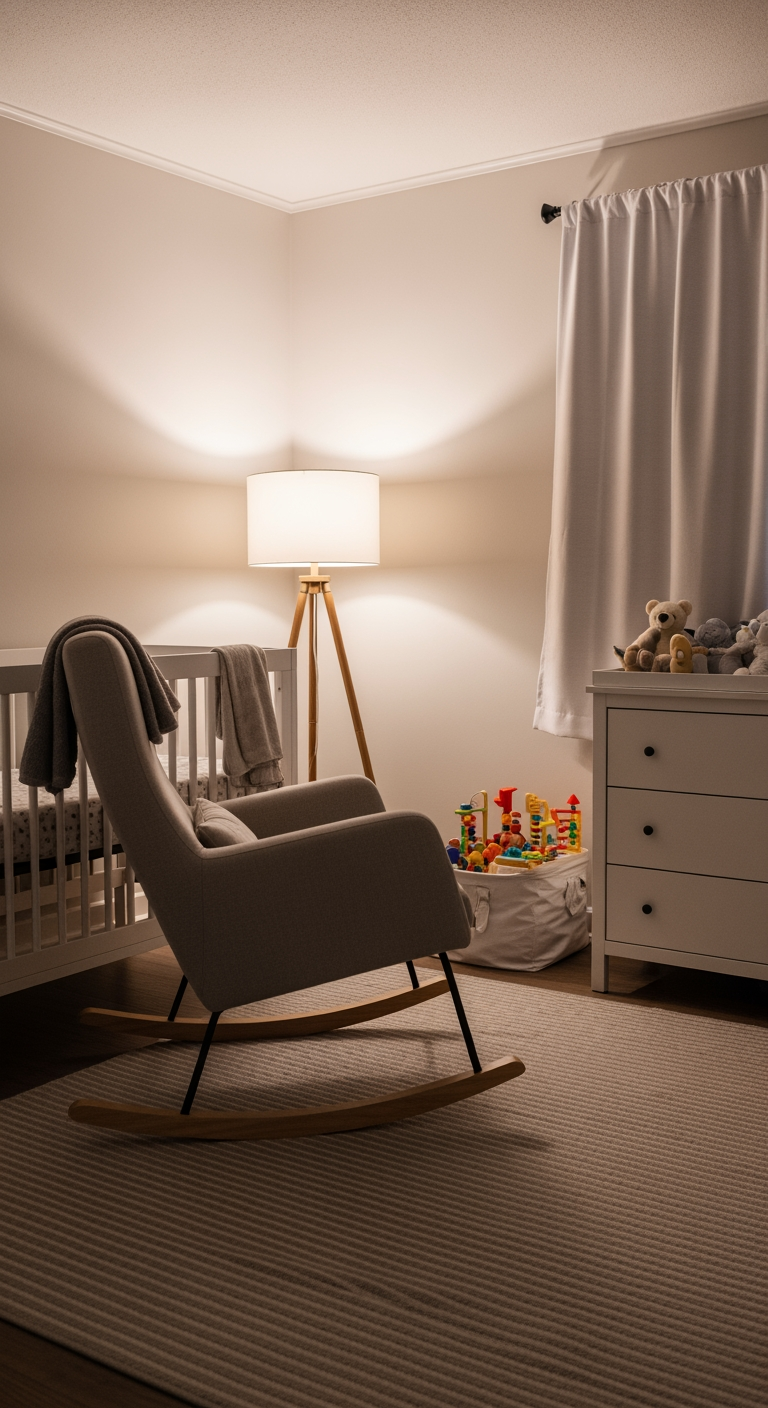
As you settle into your new two-nap routine, you will discover new freedoms. Longer wake windows mean more time for outings, playdates, and activities. The longer, more predictable naps give you more substantial breaks during the day. Your baby will be well-rested, and your daily schedule will feel much more stable. This transition typically takes two to four weeks. Trust the process and trust your baby's ability to adapt. You have successfully guided them through this important change, and you are both ready for the next chapter of happy, predictable sleep.