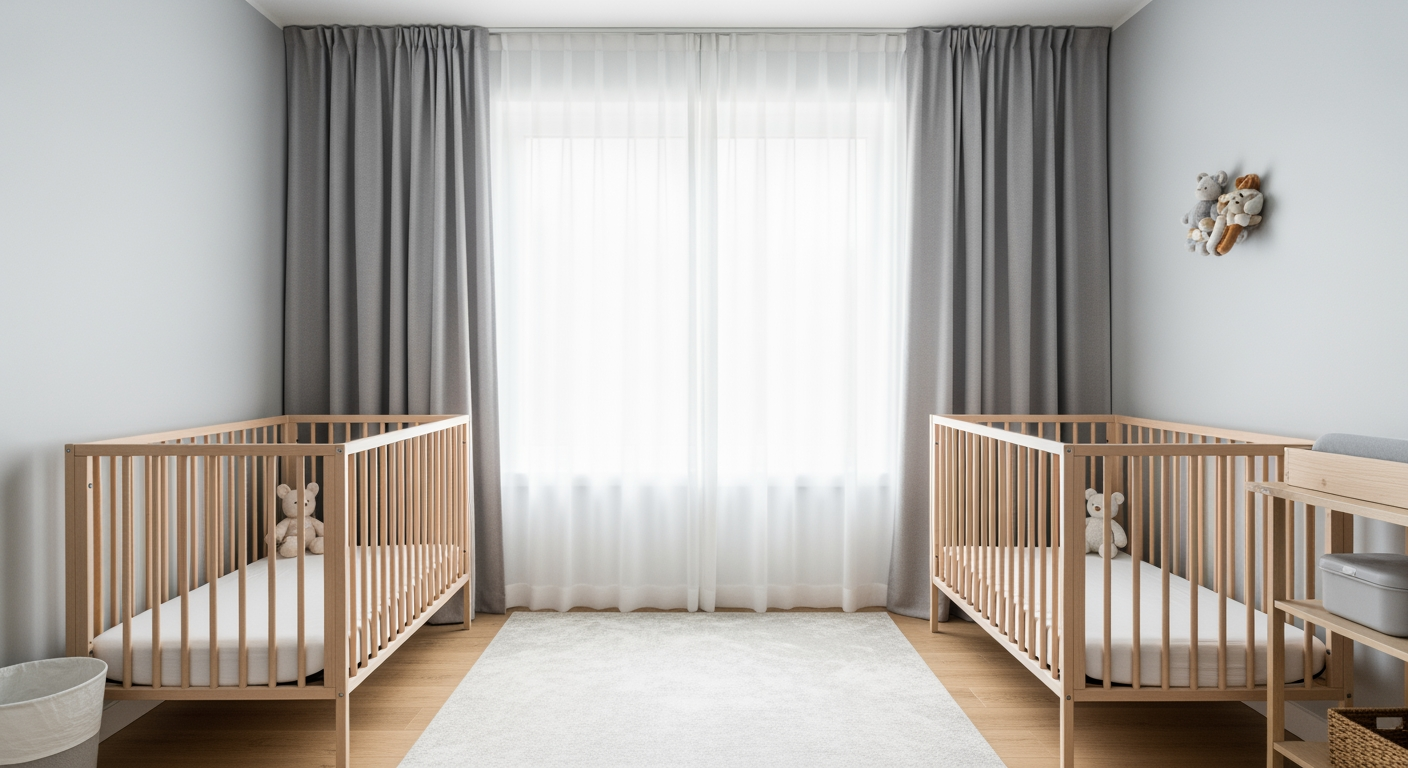
You have double the love. You might also have half the sleep. Raising twins brings unique joys and challenges. Getting them to sleep well is often the biggest hurdle. You might feel like you are playing a game of whack-a-mole. As soon as one baby settles, the other wakes up. This cycle can leave you feeling exhausted and overwhelmed. You need a plan that works for two babies at once.
This guide is here to help. It is not a set of rigid rules. It is a flexible plan to build your confidence. You can restore order to your nights. This article gives you a clear, step-by-step process. It directly addresses the biggest fear of twin parents: one baby waking the other. You will learn how to create a perfect sleep environment. You will discover how to sync your twins' schedules. We will also show you how to handle common problems that come up.
Getting your twins to sleep in the same room is possible. It requires consistency, patience, and a solid strategy. With the right approach, you can teach your babies to sleep through the night. This means more rest for them and for you. Let's begin building your family's plan for better sleep.
The Foundation: Safe Sleep and Synchronized Schedules
Before you start any sleep plan, you must focus on two key pillars. These are safety and synchronization. These are the non-negotiable parts of helping your twins sleep well together. Safety always comes first. Then, getting your twins on the same schedule makes everything else manageable. Without these foundations, any sleep plan will struggle to succeed. Think of this as building the strong base of a house before putting up the walls.
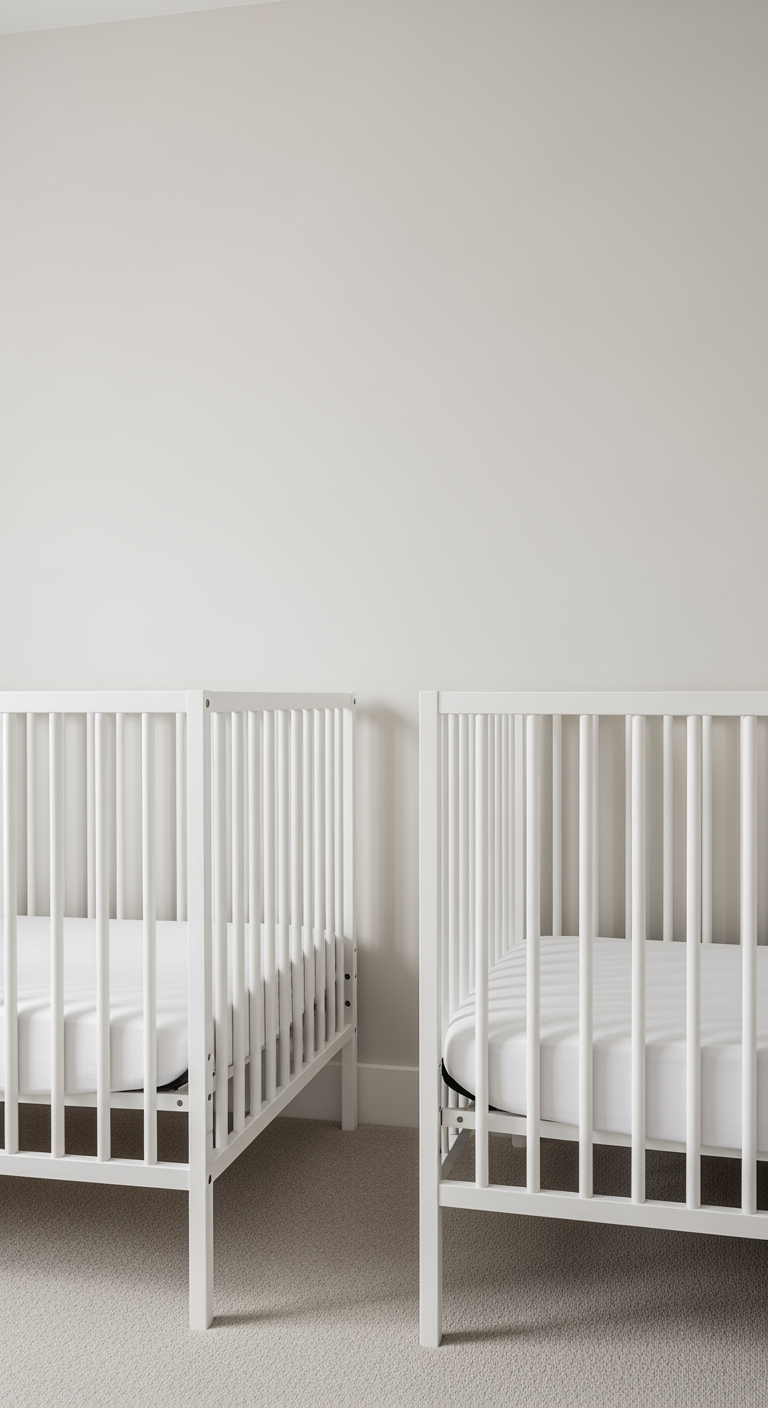
The American Academy of Pediatrics (AAP) provides clear safe sleep guidelines. Their 2022 recommendations are vital for protecting your babies. The AAP advises that babies share a room with parents for at least the first six months. This is called room-sharing. However, they must not share the same sleep surface. This is called co-bedding. Each twin needs their own separate crib, bassinet, or play yard. This rule drastically reduces the risk of Sudden Infant Death Syndrome (SIDS) and accidental suffocation. A safe sleep surface is firm and flat. It should have only a fitted sheet. There should be no soft bedding, bumpers, pillows, or toys in the crib.
The second pillar is synchronization. This is the secret to managing two babies. The golden rule of twin sleep is simple: when one baby wakes to eat, you wake the other to eat. This might feel hard at first. Waking a sleeping baby can seem wrong. But this single action is what aligns their internal clocks. Their bodies start to learn the same patterns of hunger and sleep. This prevents you from being in a constant cycle of feeding one baby, then the other, with no break in between. It puts you in control of the schedule.
You can start building a consistent schedule when your twins are between three and six months old. At this age, their bodies are more ready for a routine. Their circadian rhythms, or internal body clocks, are developing. A synchronized schedule helps their clocks tick in sync. Think of it like teaching two musicians to play the same song. At first, it might sound messy and out of time. But with a consistent rhythm from the routine, they learn to play in harmony. This harmony means longer stretches of sleep for everyone. It creates predictability in a life that can feel very chaotic. Your twins will learn what to expect, and so will you.
Aligning their schedules applies to both naps and nighttime sleep. If you put one twin down for a nap, the other should go down at the same time. This consistency reinforces the routine. It helps build sleep pressure for both babies at the same time. Sleep pressure is what makes them feel tired. It builds up the longer they are awake. By syncing their wake times and nap times, you ensure they are both ready for sleep together. This synchronization is the most powerful tool you have. It turns the chaos of two separate schedules into one manageable family routine.
Step 1: Architecting the Perfect Twin Sleep Environment
Creating the right environment is a critical step in your twins' sleep plan. The goal of the nursery is to send a powerful message: this room is for sleeping. A well-designed space can minimize disruptions. It helps your babies' developing brains understand when it is time to rest. This is not about fancy decorations. It is about creating a sleep-inducing atmosphere that is safe, dark, and boring. Every item in the room should have a purpose that supports sleep. This setup will be your best ally in teaching your twins to self-soothe and sleep through each other's noises.
You are setting the stage for success. A dark room helps produce melatonin, the sleep hormone. A constant sound buffers startling noises. And separate, safe spaces are non-negotiable for their well-being. By controlling the environment, you remove many of the variables that can derail a good night's sleep. Consider this your tactical checklist for building the ultimate twin nursery. Each element works together to create a peaceful haven for your little ones.
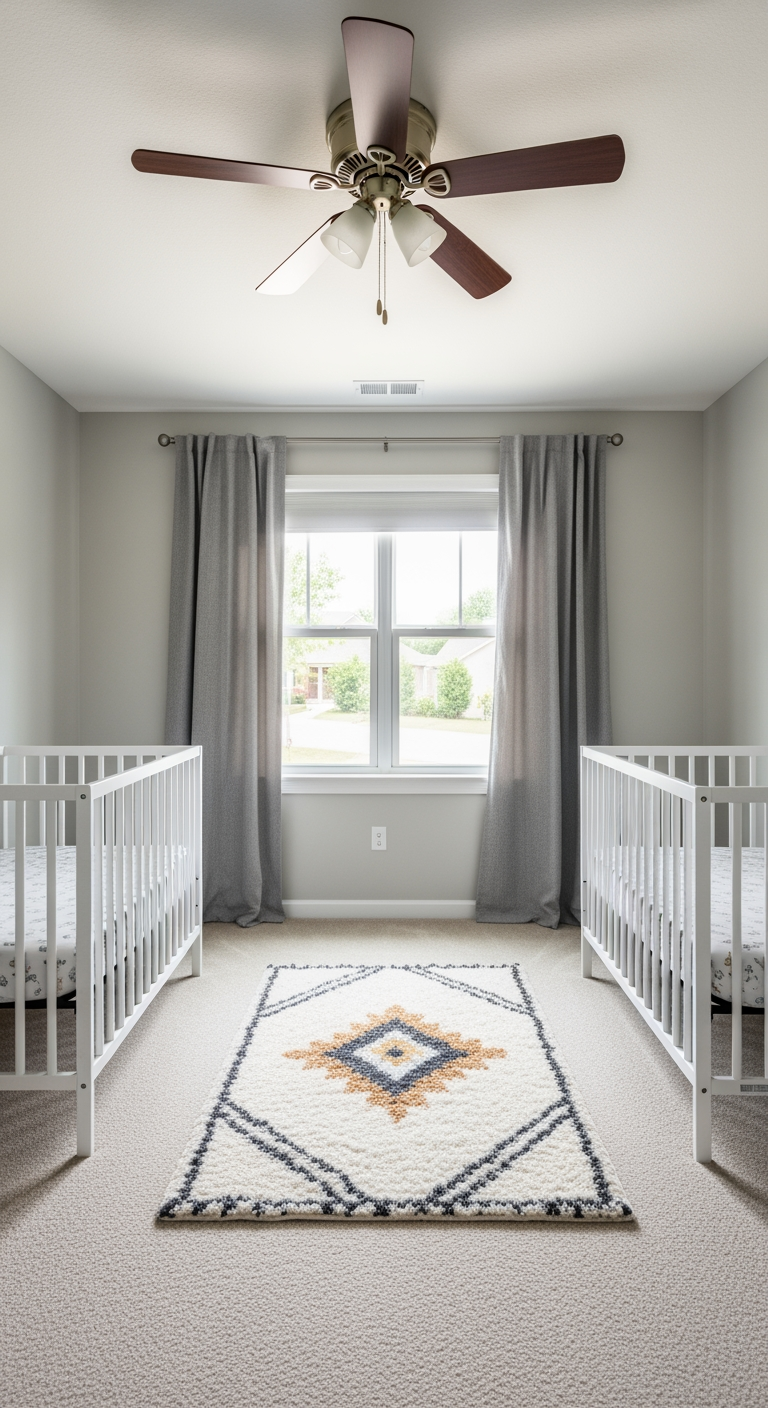
- Two Separate Cribs: This is the safest way for twins to sleep, as stated by the AAP. Place the cribs as far apart as your room allows. This could be on opposite walls. Or, it could be on the same wall with space between them. This separation gives each baby their own space. It also reduces the chance of them touching or disturbing one another.
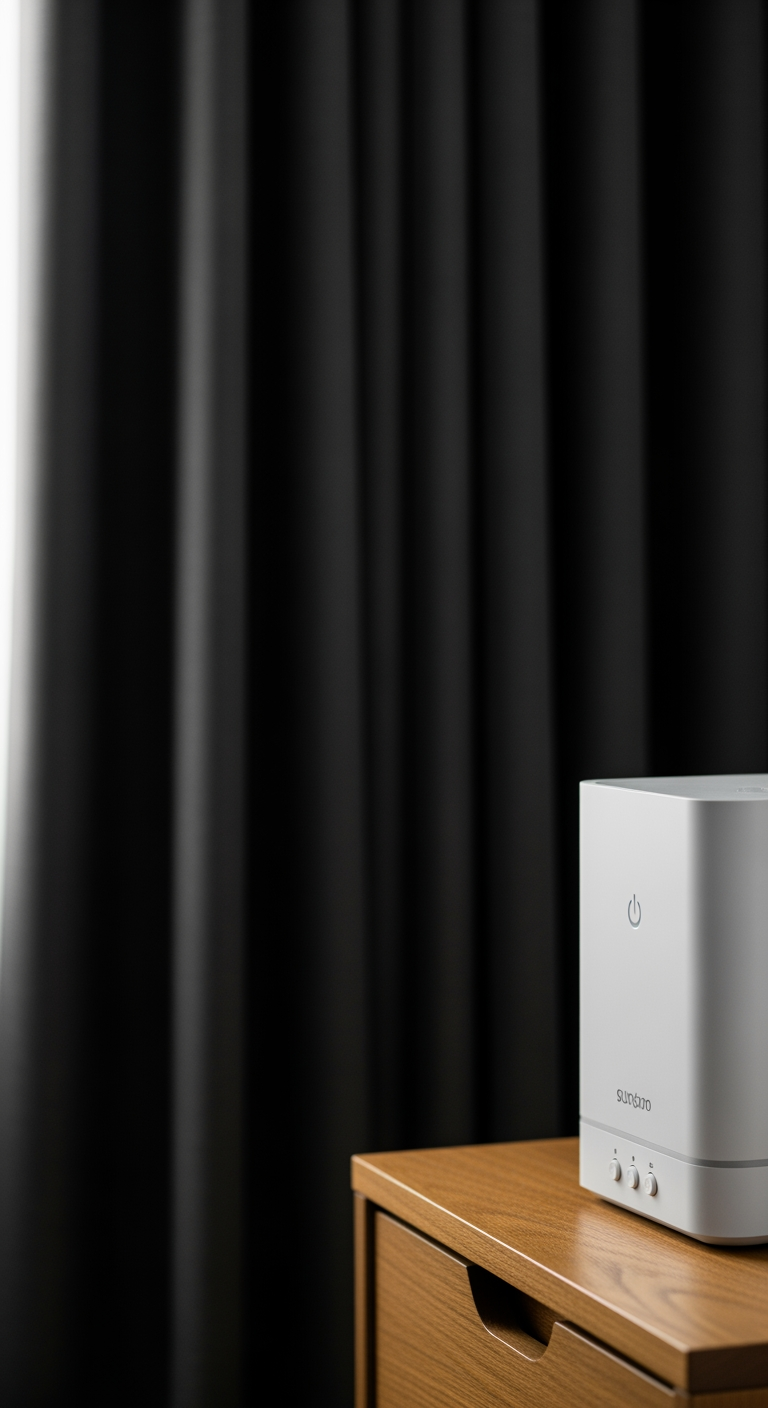
- A High-Quality Sound Machine: This is your most valuable tool. A white noise machine creates a constant, soothing sound. This sound masks sudden noises, like a cough, a cry, or a door closing. It prevents one twin from startling the other awake. Place it between the two cribs. Some parents even use two machines for extra sound buffering. Ensure it can play continuously all night.
- Blackout Curtains: A pitch-black room is a powerful sleep signal. It tells your babies' internal clocks that it is time for sleep. This is true for naps during the day and for nighttime. Light can interfere with melatonin production. Total darkness helps them connect longer sleep cycles and fall back asleep more easily if they wake.
- Minimalist Cribs: The safest crib is a bare crib. Each baby's sleep space should only contain a firm mattress with a fitted sheet. Remove everything else. This means no bumpers, loose blankets, pillows, or stuffed animals. These items pose a suffocation risk. A simple, empty crib is the gold standard for safety.
- A Dual-Camera Baby Monitor: A split-screen monitor is a practical tool for twin parents. It allows you to see both babies at once on a single screen. This helps you check on them without needing to enter the room. You can assess their movements and sounds from afar. It saves you from managing two different parent units.
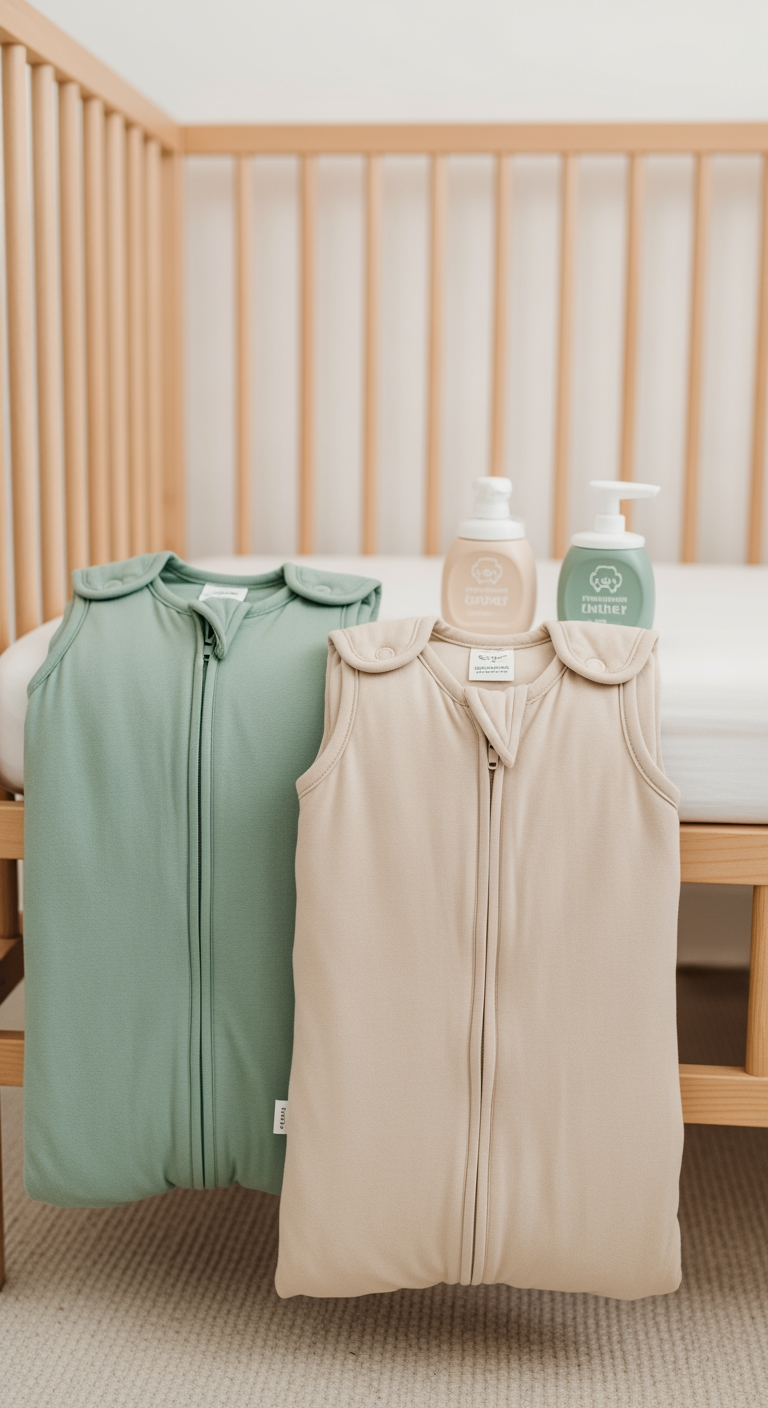
After setting up these essentials, pay attention to room temperature. A cool room is better for sleep. Experts suggest a temperature between 68 and 72 degrees Fahrenheit. Dress your babies in appropriate sleepwear, like a sleep sack, to keep them comfortable without using loose blankets. The placement of your white noise machine is also key. Putting it between the cribs helps create an even distribution of sound. If the room is large or one baby is particularly noisy, a second machine near the door can block out household sounds. By fine-tuning these environmental factors, you create a consistent and predictable space. This consistency is what helps your twins learn to expect sleep when they enter their room.
Step 2: The 7-Day Kickstart Sleep Plan
Now that your foundation is set, it is time for action. This 7-day kickstart plan provides a clear, daily process. It helps you put the principles of synchronization and self-soothing into practice. Success requires commitment and consistency. If you have a partner, make sure you are both on the same page. Teamwork makes the process much smoother. The goal of this first week is to establish a strong routine. Your twins will begin to understand the new expectations around sleep.

Before you begin, understand two simple concepts: wake windows and sleep pressure. A wake window is the amount of time your baby can stay awake between sleeps. Think of it like a battery. The battery drains while they are awake. You want to put them down for sleep just before the battery is empty. This avoids them becoming overtired. Sleep pressure builds up the longer they are awake. It is like a balloon slowly inflating. A good routine helps them release the air from the balloon and drift off to sleep. Knowing their ideal wake windows is key to getting them down drowsy but awake.
This plan is a guide. You can adjust it based on your babies' cues. The key is to be consistent with the steps each day. The first few nights may be challenging. Stay patient. You are teaching your twins a valuable new skill. Here is your step-by-step guide for the first week.
- Establish a Joint Bedtime Routine. Create a simple, calming routine that you do with both babies together. It should last 20-30 minutes. Examples include a warm bath, changing into pajamas, a final feeding, reading a short book, and singing a lullaby. Do the same things in the same order every night. This signals that sleep is coming.
- Synchronize the Last Feed. Make sure both babies have a full feeding right before they go into their cribs. A full tummy helps them sleep for longer stretches. This feed should be the final step of the bedtime routine before you say goodnight.
- Put Down Drowsy but Awake. This is the most important step for teaching self-soothing. Place both twins in their separate cribs while they are calm and sleepy, but not fully asleep. Their eyes should be open. This allows them to practice falling asleep on their own, without you rocking or feeding them to sleep.
- Implement Your Chosen Sleep Training Method. When your babies cry, it is time to use your chosen method. This could be timed check-ins (like the Ferber method) or a gentler, parent-present approach. The specific method is less important than your consistency. Apply the same rules to both babies every time.
- Follow the "Wake the Other" Rule. For the first week, if one twin wakes for a necessary night feeding, feed them. Then, gently wake the other twin for a feeding as well. Give the sleeping twin about 15-20 minutes first. This keeps their hunger cycles aligned and prevents a second wake-up an hour later.
- Manage Night Wakings. For any wakings that are not for a scheduled feed, use your sleep training method. Give the sleeping twin a chance to stay asleep. You might be surprised. Studies show that twins can learn to sleep through each other's noises. Your white noise machine is a huge help here.
- Hold the Morning Wake-Up Time. Choose a desired wake-up time and stick to it. Start the day at this time every morning, even if the night was difficult. Get both babies up, open the curtains, and signal that the day has begun. This helps set their internal clocks for the entire 24-hour cycle.
Choosing a sleep training method in step four is a personal decision. Consider your family's philosophy and your twins' temperaments. Some babies respond well to timed check-ins, which provide quick reassurance. Others may need a more gradual approach. The most critical factor for success is not the method itself, but your commitment to applying it consistently. Inconsistency sends mixed signals and confuses your babies, which prolongs the process. Stick with your chosen plan for at least a week to see progress.
Troubleshooting: Your Guide to Common Twin Sleep Hurdles
Even the best sleep plan can face challenges. Twins add a unique layer of complexity. What works one night might not work the next. This section is your guide for the real-world problems that twin parents face. Knowing how to handle these common hurdles will keep you from abandoning your plan. It addresses the "what-if" scenarios that cause the most anxiety. Think of this as your playbook for when things do not go exactly as planned. With these strategies, you can navigate setbacks with confidence and keep moving toward your goal of better sleep for everyone.
What If One Twin is a "Bad" Sleeper and the Other is an "Angel"?
This situation is extremely common. Many twins have different sleep personalities. One may learn to self-soothe quickly, while the other needs more help. Your first instinct might be to separate them. But if your long-term goal is room-sharing, it is often best to keep them together. The key is unwavering consistency with your routine. Do not create different rules for each twin.
The "angel" sleeper will gradually learn to sleep through the noise. This is a skill that will serve them well. The "bad" sleeper will benefit from the consistent structure and routine. They will learn from the predictable schedule. Use your white noise machine aggressively to buffer the sounds. Turn it up louder than you think you need to. Stick to your sleep training plan for the twin who is struggling. It may take them longer, but they will get there. Resisting the urge to separate them helps them adapt to each other from the start.
What If One Twin Wakes Up Crying Every Time?
When one twin cries, it is tempting to rush in immediately. You want to soothe them before they wake their sibling. However, this can create a habit you do not want. The crying baby learns that crying equals immediate attention. The sleeping baby never gets a chance to practice sleeping through noise. Instead, you need to "practice the pause." When a baby starts crying, wait for a few minutes before you respond. Listen and watch on the monitor.
Often, babies will fuss or cry briefly and then fall back asleep on their own. This is part of learning to connect sleep cycles. If you must intervene, try the least intrusive method first. Go to their crib and offer comfort with your voice or a gentle hand on their chest. Try to soothe them without picking them up. Picking them up should be your last resort. This approach gives both babies the chance to develop important sleep skills.
What If One Twin Gets Sick?
Illness will happen, and it can disrupt sleep. When a baby is sick, the rules change. Your priority is to comfort your sick child. Pause any formal sleep training for the baby who is unwell. Provide extra cuddles, feedings, or whatever they need to feel better. Do not worry about creating bad habits. You can get back on track once they are healthy.
However, try to maintain the schedule for your healthy twin as much as possible. Stick to their normal nap times and bedtime. Continue the established bedtime routine for both babies together, even if you need to provide extra comfort to one afterward. Keep the consistent morning wake-up time for both. Maintaining these key parts of the routine makes it much easier to return to your normal plan once everyone is well. It provides a familiar structure for both you and your babies during a disruptive time.
What If They Have Different Nap Schedules?
As your twins grow, their sleep needs will change. One common challenge is when one twin is ready to drop a nap before the other. For example, Twin A is ready for two naps, but Twin B still needs three. This can make a synchronized schedule feel impossible. The key is to be flexible while still aiming for consistency. In this scenario, you should base the schedule on the twin who is the less flexible sleeper. This is usually the one who needs more sleep.
For the naps that they take together, keep the routine the same. For the extra nap that only one twin needs, find a temporary solution. You can have the tired twin nap in a separate, quiet space. A travel crib in a dark room can work perfectly for this one nap. This allows both babies to get the rest they need without one becoming overtired or the other being kept awake. Once the second twin is ready to drop the nap, you can bring them back to the same schedule for all sleeps.
Taking Action: Adapting Your Plan as Your Twins Grow
The sleep plan you start with is a foundation, not a final destination. Your twins are constantly growing and developing. Their sleep needs will evolve. The key to long-term success is to adapt your plan while holding onto the core principles you have established. Your goals remain the same: synchronization and promoting independent sleep. However, the specific timings will change. The solid foundation you have built will help you navigate future challenges like sleep regressions, teething, and new milestones with much more confidence. Think of your plan as a living document that you adjust based on your babies' changing needs.
One of the first changes you will notice is lengthening wake windows. As your twins get older, they can stay awake happily for longer periods. A 6-month-old might have a wake window of 2-3 hours. A 12-month-old might be closer to 3-4 hours. Pay attention to their cues. Are they fighting naps? Are they taking a long time to fall asleep? These are signs they are ready for more awake time. You can gradually extend their wake windows by 15 minutes at a time. Continue to keep their schedules within about 30 minutes of each other to maintain synchronization.
Dropping naps is another major transition. Most babies transition from three naps to two around 6-9 months. They move from two naps to one between 15-18 months. As we discussed, twins may not be ready for this change at the same time. Use the strategy of a temporary separate nap space as needed. The most important thing is to watch each child's individual cues for tiredness. A consistent bedtime and morning wake-up time will help anchor their days during these nap transitions.
You will also encounter sleep regressions. These are temporary setbacks in sleep that are tied to major developmental leaps. Common regressions happen around 4, 8, 12, and 18 months. Your twins might be learning to roll, crawl, stand, or talk. These new skills are exciting, and they may want to practice them in the crib at night. Teething can also cause discomfort that disrupts sleep. During these phases, it is tempting to revert to old habits like rocking or feeding to sleep. Try to avoid this. Offer extra comfort, but stick to your routine as much as possible. Remind yourself that these periods are temporary. Your consistent response will help them get back on track quickly.
By following this guide, you are not just getting your twins to sleep. You are teaching them a lifelong skill. The ability to self-soothe and fall asleep independently is invaluable. The routine and predictability you create make them feel safe and secure. You have learned how to build a safe sleep space, synchronize their clocks, and troubleshoot problems. You are equipped to handle the changes that come with each new stage. You can feel confident that you have a plan to give your entire family the rest it needs.