
Nursing your baby to sleep can be a beautiful bonding experience. Those quiet moments are precious. You feel their warm body relax against yours as they drift off. It is a natural and loving way to help your child feel secure. For many mothers, this is a cherished part of their day. It feels right and works perfectly for a time.
But a time may come when this routine no longer works for you or your family. You might feel exhausted from being the only person who can put the baby to sleep. You may feel "touched out" and need some personal space back. Frequent night wakings can leave you sleep-deprived and overwhelmed. If you are reading this, you are likely looking for a change. You are not alone in feeling this way.
The good news is you can make a change gently. You can teach your baby to fall asleep in new ways without feeling abandoned. This guide provides a clear, step-by-step plan. It will help you stop nursing to sleep without resorting to harsh methods. You will learn how to support your baby while they develop new sleep skills, ensuring they feel loved every step of the way.
Is Nursing to Sleep a "Problem"? Understanding the Sleep Association
First, let's be clear: nursing to sleep is not a "bad habit." It is a completely natural and common behavior. However, it can become a challenge when it is the only way your baby can fall asleep. This is known as a sleep association. A sleep association is any object, action, or setting your baby depends on to drift off. This could be rocking, a pacifier, or in this case, breastfeeding.

Think of it like having a favorite pillow. You might find it very hard to sleep without it. For your baby, nursing is their favorite pillow. When they briefly wake up between sleep cycles, they look for that same pillow to get back to sleep. Babies have shorter sleep cycles than adults, often around 45 to 60 minutes long. So, if they need you to nurse them to sleep at bedtime, they will likely need you again every time they stir during the night. This is why the habit can lead to multiple night wakings.
The goal is not to take away their comfort. The goal is to add more "pillows" to their collection. We want to teach your baby that other things can be just as comforting as nursing. This process is about building new skills. It helps them learn to connect their sleep cycles independently. This is a skill that will serve them for years to come. Many parents worry that they must stop breastfeeding altogether. This is a common myth. You can absolutely continue your breastfeeding journey. This process is simply about separating the act of feeding from the act of falling asleep. You can still nurse at other times of the day and night if you choose. The decision to change this sleep association is deeply personal. It is not about a specific age. It is about when the current situation is no longer sustainable for you.
Another myth is that all babies will simply grow out of this on their own. While some might, for many children, the association becomes stronger over time. As they get older and their sleep patterns mature, their reliance on nursing to sleep can increase. This can lead to more frequent wakings, not fewer. By gently guiding them toward new sleep skills, you are proactively setting them up for more restful nights. You are not being selfish; you are being a responsive parent who recognizes a need for change for the entire family's well-being. This is an opportunity to empower your child with the gift of independent sleep, a foundation for healthy habits.
The 4 Foundational Steps to Gently Wean from Nursing to Sleep
Changing a sleep association feels like a huge task. However, you can break it down into simple, manageable steps. These four foundational actions create the perfect conditions for success. They build on each other to gently guide your baby toward a new way of falling asleep. Think of this as laying the groundwork before you build the house. Getting these elements right makes the entire process smoother and less stressful for everyone involved. Consistency with these steps is the most important factor in helping your baby understand and adapt to the new routine.
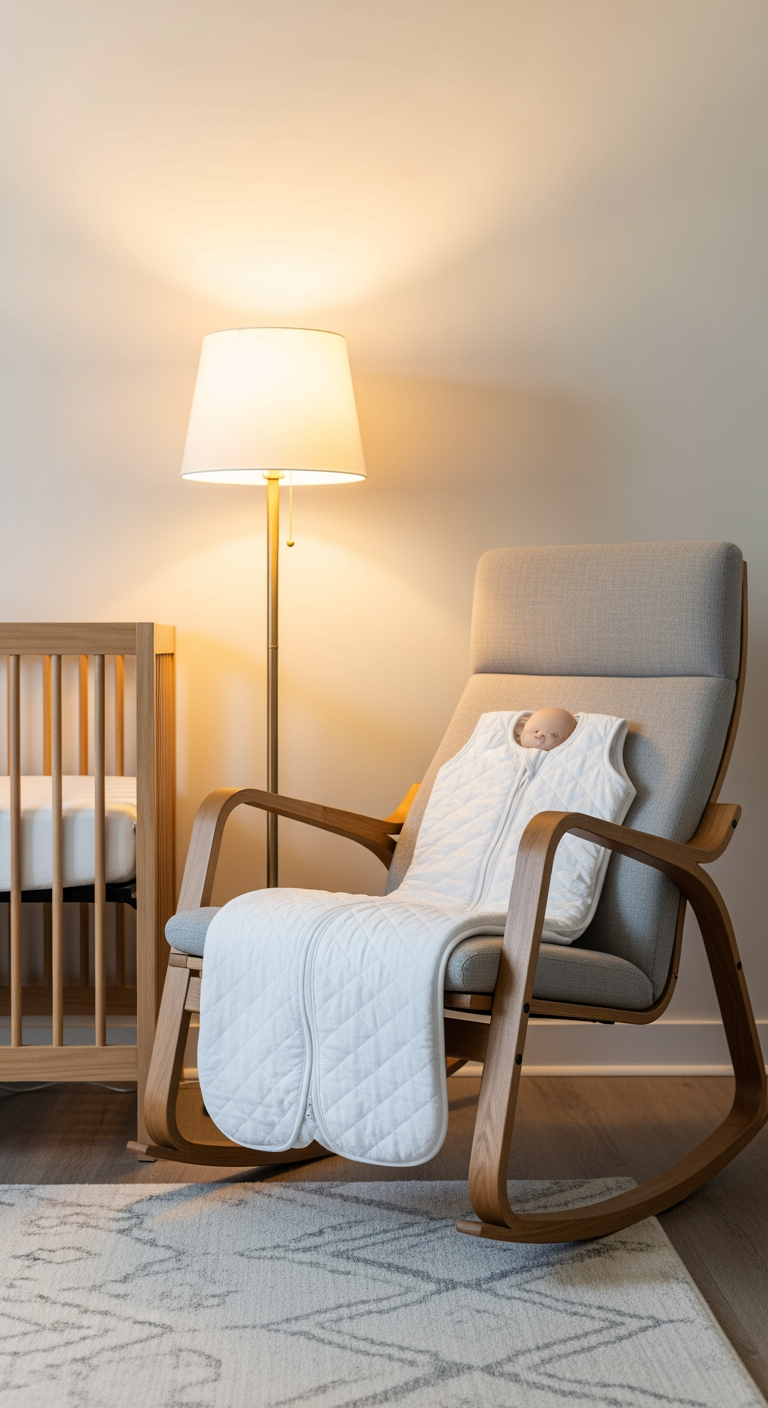
- Optimize the Environment: A sleep-friendly space is crucial. It minimizes distractions and helps calm your baby’s nervous system. Make the room as dark as possible. Use blackout curtains to block all outside light. A dark room helps stimulate melatonin production, the natural sleep hormone. Introduce a white noise machine. The constant, gentle sound mimics the environment of the womb. It also masks household noises that could startle your baby awake. Ensure the room is at a comfortable temperature, not too hot or too cold. A cool but comfortable room promotes better sleep.
- Establish a Predictable Bedtime Routine: Babies and toddlers thrive on predictability. A consistent bedtime routine is a powerful signal to their brain and body that sleep is coming. The routine does not need to be long or complicated. Just 15-20 minutes is enough. The key is to do the same series of calming activities in the same order every single night. A great example is a warm bath, followed by putting on pajamas and a sleep sack, reading one or two short books, and then a quiet song. This sequence becomes a strong cue for sleep, replacing the old cue of nursing.
- Shift the Nursing Session: This is the most critical step in breaking the direct sleep association. Move the breastfeeding session to the very beginning of the bedtime routine, not the end. For example, you could nurse in the living room before you even go into the bedroom for the rest of the routine. This simple change creates a buffer of time and activity between nursing and sleep. Your baby gets the milk and comfort they need, but their brain no longer connects nursing directly with the act of falling asleep. The final step before bed becomes something else, like a lullaby or being placed in the crib.
- Introduce New Soothing Rituals: Once nursing is no longer the last step, you need to actively replace it with other forms of comfort. This is where you introduce the new "pillows." These new rituals will become your baby’s new sleep cues. You can try rocking, gentle bouncing, patting their back or bottom, singing a specific lullaby, or making a soft shushing sound. The key is to find what works for your baby and be very consistent with it. Your calm and confident presence during these new rituals is the most soothing tool you have. You are showing your baby that you are there for them and that there are other ways to feel safe and secure as they fall asleep.
By implementing these four steps, you create a solid foundation. Your baby will have a sleep-inducing environment, a clear routine, a separation between eating and sleeping, and new sources of comfort. This preparation makes the specific weaning plan much more likely to succeed with minimal tears and frustration.
Your Age-by-Age Gentle Fading Plan
Every child is different, and what works for a younger baby may not be the best approach for a toddler. This section provides specific, age-appropriate plans you can follow. These are structured guides, not rigid rules. Feel free to adjust the timeline based on your child's temperament and how they respond. The main goal is gradual progress, not overnight perfection. Choose the plan that best fits your child's age and your family's situation. Remember to implement the four foundational steps before starting one of these detailed plans for the best results.

For Babies (4-8 Months): The "Fading" Method
Younger babies are often more adaptable to new routines. At this age, the goal is to gradually fade the nursing-to-sleep association while introducing a new primary soothing method like rocking or patting. A popular and effective technique for this age group is the "Pantley Pull-Off," developed by sleep expert Elizabeth Pantley. This involves gently unlatching your baby from the breast just as they are drifting off to sleep, but before they are in a deep sleep. This helps them practice that final step of falling asleep without something in their mouth. If they protest, you simply relatch and try again. This method is incredibly gentle and responsive.
The fading plan below incorporates this idea. It slowly moves from nursing to sleep, to nursing until drowsy, and finally to falling asleep in the crib with your support. The concept of "drowsy but awake" is key here. This means your baby is sleepy and relaxed, but still aware they are being placed in their own crib. This awareness prevents them from waking up startled later, wondering how they got there. This method requires patience, but it reinforces a strong sense of security.
| Day | Action | Goal |
|---|---|---|
| 1-3 | Nurse until drowsy, then unlatch. If baby protests, relatch and repeat. | Baby falls asleep in arms, but not actively on the breast. |
| 4-6 | Nurse until calm, but less drowsy. Unlatch and begin rocking/patting to sleep. | Baby learns to associate rocking/patting with falling asleep. |
| 7+ | After the routine, put baby in crib calm but awake. Use pick-up/put-down or sit in a chair nearby for comfort. | Baby falls asleep in their own space with parental support. |
For Older Babies & Toddlers (9-18+ Months): The "Partner & Routine" Method
Older babies and toddlers have a much stronger understanding of routines and object permanence. They also have stronger opinions! While this can make changes more challenging initially, you can use their cognitive development to your advantage. This method heavily involves a partner or other caregiver. A non-nursing parent does not have the same sleep association with the child. This makes them a neutral party who can introduce a new sleep routine more easily. The baby might protest your absence, but they won't be confused about why the partner isn't offering the breast.
Expect some protest. This is normal. Your toddler is communicating their frustration with the change. The key is for the partner to remain calm, consistent, and loving. This plan gradually shifts the responsibility of the bedtime routine from you to your partner. For children over 12 months, introducing a special comfort object, like a small blanket or stuffed animal (a "lovey"), can also be very helpful. This gives them something tangible to hold and cuddle as they learn to self-soothe. Make sure any object is safe for sleep and introduced according to safe sleep guidelines.
| Day | Action | Goal |
|---|---|---|
| 1-3 | Mom does the full routine, but Dad/Partner enters for the final book and song, then does the put-down. Mom leaves the room. | Introduce partner as part of the final sleep step. |
| 4-6 | Dad/Partner takes over the entire process *after* the nursing session is finished. | Break the association of Mom's presence with falling asleep. |
| 7+ | Continue with partner-led bedtime. Introduce a comfort object like a lovey (for toddlers over 12 months). | Solidify the new, non-nursing routine. |
Troubleshooting: What to Do When It Gets Tough
Even with the most gentle plan, you may encounter some challenges. This is completely normal when changing a long-standing routine. Your baby is learning a major new skill, and there can be a learning curve. The key is to stay patient, consistent, and responsive. Anticipating these common hurdles can help you navigate them with confidence. Remember that a little protest does not mean you are doing something wrong. It is simply your child's way of expressing that things are different. Your calm presence is the most important tool you have to reassure them.

What if my baby gets more hysterical?
It can be deeply distressing when your baby's protests escalate. If they become hysterical, it is often a sign of one of two things. Either the change was too abrupt for them, or they are overtired. An overtired baby has a much harder time settling and learning new things. Don't panic or give up. Instead, take a step back. Revert to the previous step in your fading plan for a few more days. For example, if they got hysterical when you tried to put them in the crib awake, go back to rocking them completely to sleep for a couple of nights before trying again.
Your response is critical. Stay calm and use a soothing voice. Validate their feelings by saying things like, "I know this is new. I know you're upset. I am right here with you, and I will not leave you." This isn't about stopping the crying immediately. It's about showing them you are there to support them through their big feelings. Sometimes, you may also need to adjust bedtime. If they are fighting sleep for a long time, they may be overtired. Try starting the bedtime routine 15-20 minutes earlier to catch their natural sleep window.
How do I handle night wakings?
This is one of the most common questions. It feels counterintuitive to work so hard on a new routine at bedtime, only to "give in" and nurse during the night. However, a staged approach is often most effective. For the first week, focus all your energy on changing the bedtime association. At bedtime, you will follow the new plan rigorously. But for any night wakings, it is okay to do what you need to do to get back to sleep quickly. This often means nursing. This prevents everyone from becoming severely sleep-deprived while your baby is learning the initial skill.
Once your baby has mastered falling asleep at bedtime with the new method for several nights in a row, you can then tackle the night wakings. When they wake, you will use the new soothing method instead of nursing. This might be your partner going in to pat and shush, or you going in to rock them. Consistency is vital. If you offer the new method for 10 minutes and then nurse, your baby learns that protesting for 10 minutes gets them what they want. You must be committed to the new method for all wakings once you start. This will solidify the new sleep skill.
What about naps?
Trying to change everything at once can be overwhelming for both you and your baby. The general expert consensus is to tackle bedtime first. Night sleep is more restorative, and the biological drive to sleep is strongest at night. This makes it the easiest time to learn a new skill. For the first week or two, continue to help your baby nap in whatever way works, even if that means nursing to sleep. Your primary goal is to avoid an overtired baby, as that will sabotage your efforts at bedtime.
Once your baby is consistently falling asleep at bedtime using the new routine, you can then apply the same logic to naps. Start with the first nap of the day, as that is usually the easiest. Perform a shortened version of your bedtime routine (e.g., a quick book and a song) and then use your new soothing method. Once that nap is going well for a few days, you can move on to the next nap. This gradual approach makes the transition much smoother. If your child is in daycare, practicing this at home first will make it easier for caregivers to follow a similar gentle plan.
Your Next Steps for a Well-Rested Family
You now have a complete roadmap to gently guide your child away from nursing to sleep. This journey is more of a marathon than a sprint. The keys to success are patience with your child and kindness toward yourself. Remember why you started this process: to create a sustainable sleep situation that works for your entire family. You are not taking comfort away from your child. You are simply offering that comfort in new, equally loving ways. You are giving them the invaluable gift of independent sleep skills.

The transition can take anywhere from a few days to a couple of weeks. There will be good nights and tough nights. Celebrate the small victories. If your baby unlatches just for a second before falling asleep, that is progress. If your partner handles the put-down for the first time, that is a huge win. Stay consistent with your chosen plan. Your consistency is what builds your child's confidence and understanding of the new routine. You are a capable and loving parent, and you can absolutely do this.
Your next step is simple: begin. Start tonight by making one small change. Maybe it is just shifting the nursing session to the beginning of the routine. Or perhaps it is having a conversation with your partner to get them on board with the plan. Take that first step, and know that you are moving toward more restful nights for everyone. A well-rested family is a happier, healthier family, and you are on the right path to achieving that.