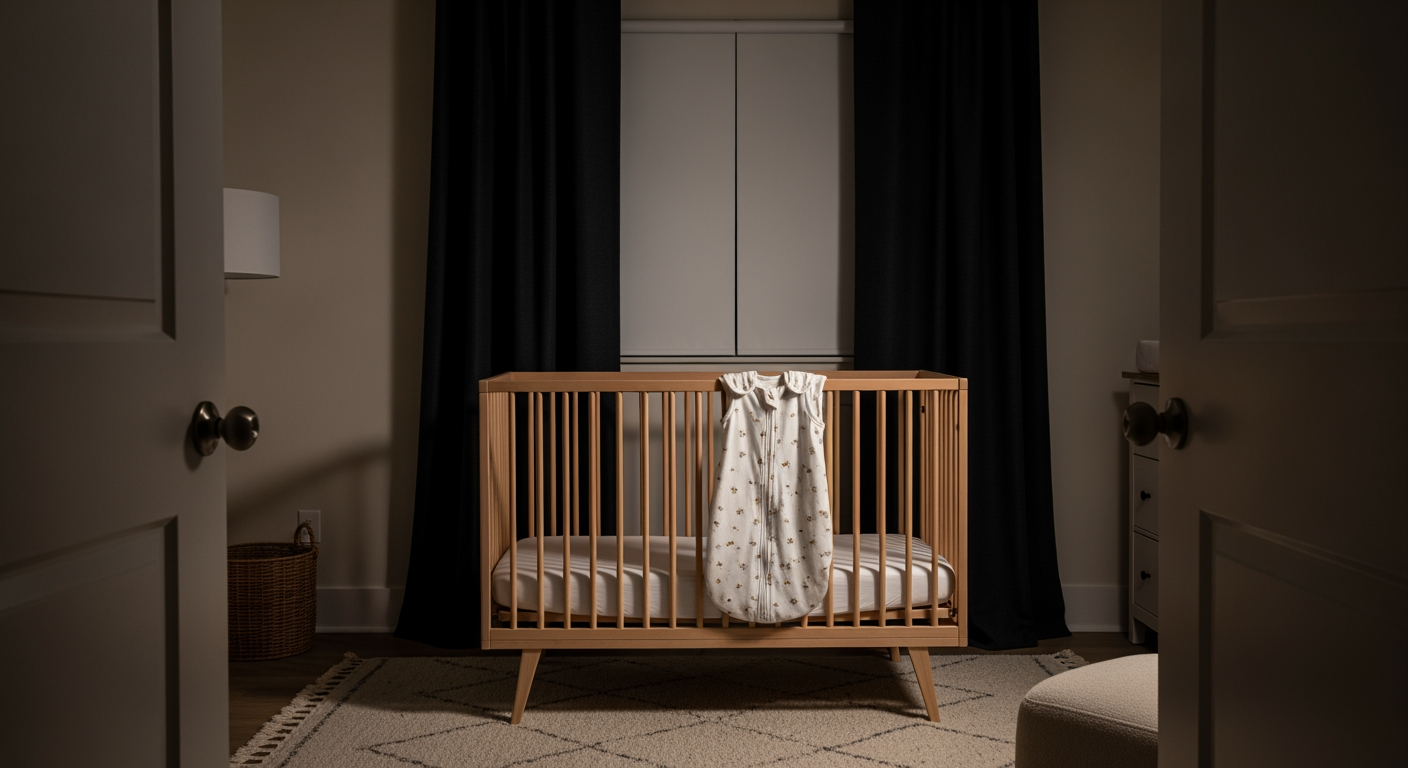
The house is quiet, but you are wide awake. You listen for any sound from the nursery. The exhaustion is deep in your bones. Every parent of a young baby knows this feeling. You love your child more than anything, but the sleepless nights are taking a toll. You have heard about teaching a baby to self-soothe. Maybe you worry it means leaving your baby to cry alone. This guide is here to show you a better, gentler way.
Teaching your baby to self-soothe is not about leaving them to cry. It is about connection and support. It is the process of helping your little one learn a vital life skill: emotional regulation. This means they can calm themselves down and fall asleep on their own. This skill builds confidence and leads to better sleep for the whole family. It is a gift you give your child with love and patience.
In this article, we will walk you through a clear, step-by-step plan. We will start with the essential foundations that must be in place first. Then, we will explore gentle methods that respect your baby's needs and your parenting style. You can teach your baby to self-soothe in a way that feels good for both of you. Let's begin the journey to more restful nights.
What is Self-Soothing, Really? (And What It's Not)
Many parents hear the term "self-soothing" and immediately think of "cry it out." This is a common and understandable myth. Let's clear it up. Self-soothing is not about ignoring your baby or leaving them to cry alone until they give up. In fact, modern, evidence-based approaches strongly advise against that. An infant who stops crying after being left alone for long periods has not learned to soothe. They have learned that their calls for help will not be answered. This is not our goal. True self-soothing is an active skill. It is your baby's ability to manage their feelings and transition from being awake to being asleep without needing you to rock, feed, or hold them.
The path to self-soothing begins with something called co-regulation. Think of it like teaching your child to ride a bike. At first, you are the training wheels. You hold the bike steady, run alongside them, and provide constant balance and support. This is co-regulation. You are present, responsive, and helping your baby handle their big feelings. As they grow, you slowly start to lift the training wheels for a few seconds at a time. You let them find their own balance, knowing you are right there to catch them. Teaching self-soothing is the same process. You provide a secure and loving presence while giving your baby small opportunities to find their own calm. You are their safety net as they learn a new skill.
It is also vital to understand when a baby is ready for this. A newborn (0-3 months old) does not have the brain development for self-regulation. During this 'fourth trimester,' your job is to respond to their needs quickly and consistently. This builds a strong foundation of trust and security. Around 3 to 6 months of age, most babies start to develop the neurological pathways needed to begin learning this skill. You might see early signs of self-soothing. These can include sucking on their hands or fingers, making soft humming sounds, or gazing quietly at their hands. These are the first little hints that your baby is starting to figure out how to calm their own body and mind. Our role is to nurture these early attempts in a supportive way. This process is a gradual journey, not a single event. It will have good days and bad days, and that's completely normal.
Level 1: The Four Essential Foundations for Self-Soothing
Before you even think about a specific "method," you must build a strong foundation. These four steps are the most important part of the entire process. Without them, any sleep teaching method is likely to fail. Think of this as preparing the ground before planting a seed. Getting these basics right will solve many sleep issues on its own. It makes the journey to independent sleep much smoother and gentler for your baby. Do not skip this level. Master these habits first, and you will set your child up for success. Many parents find that once these foundations are solid, their baby's sleep improves dramatically without any formal training.
Step 1: Master the "Drowsy But Awake" Landing
This is the single most powerful habit you can build. The goal is to put your baby into their crib when they are calm and sleepy, but still awake. Imagine you are docking a boat. You do not drive it at full speed onto the sand. You guide it close to the shore and let its own momentum gently bring it to rest. This is the same idea. You do the hard work of calming your baby. Then, you place them in the crib and let them do the final, small step of drifting off to sleep themselves. This simple act is incredibly important. It helps your baby form a positive sleep association with their crib. They learn that the crib is the place where sleep happens.
If your baby has always been rocked or fed to sleep, this will feel new to them. They might protest or cry at first. That is okay. The goal is practice, not perfection. If they get very upset, you can pick them up and calm them down. Then, try again. The key is to break the association of falling asleep only in your arms. By letting them practice falling asleep in their own space, you are giving them the chance to discover their own ability to self-soothe. It is the first and most crucial step toward independent sleep.
Step 2: Create a Predictable Bedtime Routine
Babies thrive on predictability. A consistent bedtime routine is a powerful signal to your baby's brain and body that sleep is coming. It acts like a winding-down period, helping to lower the stress hormone cortisol. It also supports the production of the sleep hormone, melatonin. The routine does not need to be long or complex. A sequence of 3-4 calm activities lasting about 20-30 minutes is perfect. The specific activities are less important than the consistency of the order.
A great example of a bedtime routine could be a warm bath, followed by putting on pajamas and a sleep sack. Then, you might read one or two short board books in a dimly lit room. Finally, you could sing a soft lullaby or say a special goodnight phrase. This exact sequence, done at the same time every night, becomes a strong cue for sleep. It helps your baby transition from the busy activity of the day to the calm state needed for rest. This predictability makes them feel safe and secure, which is essential for learning to fall asleep peacefully.
Step 3: Optimize the Sleep Environment
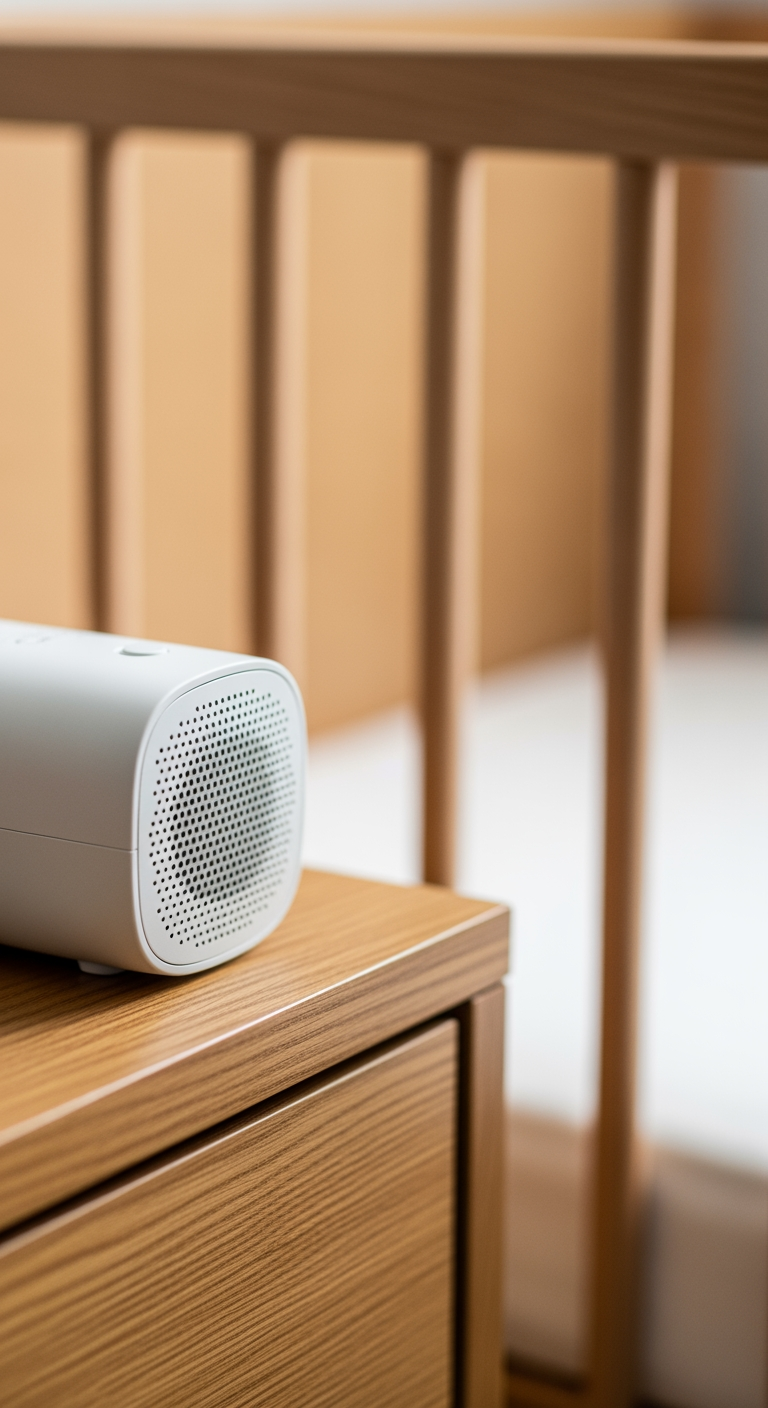
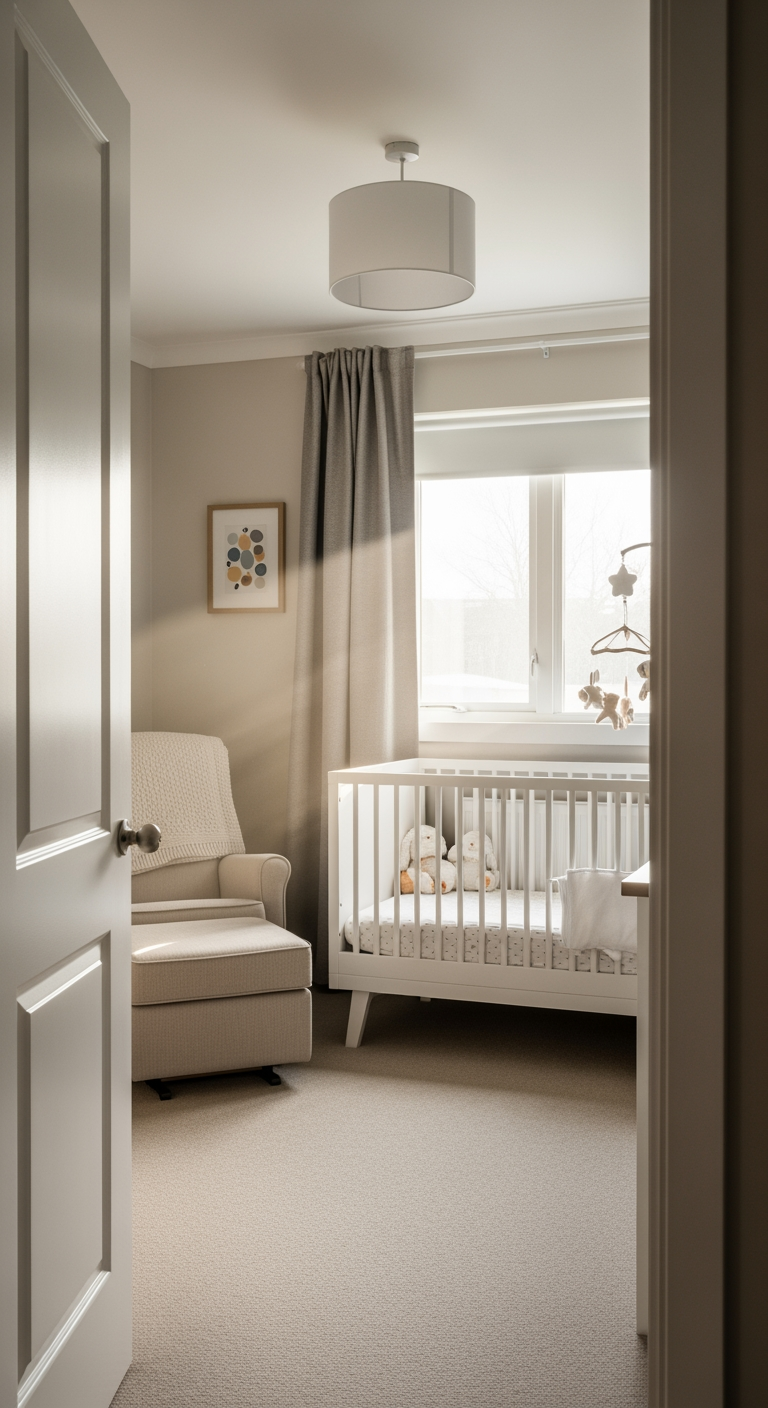
Your baby's bedroom should be a cave for sleep: cool, dark, and quiet. An optimal sleep environment can make a huge difference in their ability to fall asleep and stay asleep. First, consider the temperature. A baby's body temperature drops slightly as they fall asleep. A cool room helps this natural process. The ideal temperature is between 66-68°F (or 19-20°C). Dress your baby in appropriate layers to keep them comfortable without overheating. Second, make the room as dark as possible. Light, even a small amount from a nightlight or a streetlamp, can interfere with melatonin production. Use blackout curtains to create a pitch-black space for both naps and nighttime.
Finally, manage the sound. A continuous white noise machine can be very helpful. It mimics the constant shushing sound of the womb, which is very calming for infants. It also helps to muffle sudden household noises that might startle your baby awake. Most importantly, the sleep space must be safe. The American Academy of Pediatrics (AAP) recommends that babies sleep on their backs, in a bare crib or bassinet with a firm mattress and a fitted sheet. There should be no blankets, pillows, bumpers, or soft toys in the crib.
Step 4: Rule Out Hunger and Discomfort
A baby cannot learn a new skill when their basic needs are not met. Before you start any sleep teaching, you must ensure your baby is not hungry, sick, or in pain. A full belly is key to good sleep. Make sure to offer a full feeding before your bedtime routine begins. This separates feeding from the act of falling asleep and ensures hunger is not the reason they are waking up. If you are trying to put your baby down and they seem unusually distressed, pause and do a quick check. Is their diaper wet? Are they showing signs of teething pain? Could they be getting sick?
It is impossible for a baby in discomfort to calm themselves down. Trying to teach self-soothing when a baby is teething or has a fever will only lead to frustration for both of you. If you suspect an underlying issue, it is always best to address that first. Provide the comfort and care they need. You can always return to practicing your sleep habits once they are feeling better. This step is about being a responsive parent first and a sleep teacher second. Always trust your instincts if you feel something is wrong.
Level 2: Choosing Your Gentle, Step-by-Step Method
Once you have consistently practiced the four foundations for a week or two, you can move to this next level. If your baby is still struggling to fall asleep on their own, you can introduce a gentle, supportive method. The key is to choose an approach that feels right for you and matches your baby's unique temperament. Some babies get more wound up by too much physical contact, while others need that hands-on reassurance. Below, we compare two effective and gentle methods. Read about both, and consider which one aligns best with your family's needs. Remember, the goal is to provide just enough support to help your baby learn, but not so much that you do the work for them.
Both of these approaches are very responsive. They are different from more structured plans, like those that use timed checks. Some parents find that a strategy with graduated waiting periods works well for their family dynamic and goals. However, the two methods below are designed to be extremely hands-on and responsive, minimizing crying as much as possible.
| Feature | Method A: The Soothing Ladder | Method B: Pick Up, Put Down (PUPD) |
|---|---|---|
| Philosophy | The least intrusive method possible. Use your presence and voice before physical touch. | Hands-on reassurance. Physically comfort your baby as much as needed, but let them fall asleep in the crib. |
| Best For | Babies who are easily stimulated by being picked up. | Babies who are genuinely calmed by being held and need physical reassurance. |
| Process | Respond in escalating steps: 1. Pause & Observe, 2. Voice (shushing), 3. Hand on chest, 4. Pick up. | Put baby down awake. If they cry, pick them up until calm, then immediately put them back down. Repeat as needed. |
| Potential Challenge | May not be enough for some babies who need more physical contact. | Can be overstimulating for some babies and physically exhausting for parents. |
Method A: The Soothing Ladder (A Step-by-Step Guide)
The Soothing Ladder is based on the idea of using the least intrusive intervention possible. It gives your baby the space to try and settle on their own before you step in. This method is excellent for babies who tend to get more upset or stimulated by being picked up repeatedly. You will follow a clear sequence of steps, or rungs on a ladder, escalating your support slowly. After you put your baby down drowsy but awake, you begin at the bottom of the ladder if they start to fuss.
First, pause and observe for a minute. Babies make a lot of noise in their sleep, and sometimes they will fuss and then resettle on their own. If the crying continues, move to the next rung: use your voice. Make shushing sounds or speak in a low, soothing tone. If that does not work after a minute or two, escalate to the next rung: place a firm, steady hand on their chest or back. Do not pat or rub, as this can be stimulating. Just offer the comfort of your touch. Finally, if they are still upset, move to the top rung: pick them up. Cuddle them until they are calm, but put them back down before they fall asleep. This ladder teaches them you are there, but also gives them a chance to find their own calm at each step. There are many gentle alternatives to sleep training, and this is one of the most popular.
Method B: Pick Up, Put Down (A Step-by-Step Guide)
The Pick Up, Put Down (PUPD) method is a very hands-on approach. It is ideal for babies who are truly calmed by being held and need that physical reassurance. This method is best for babies around 4 months and older, as younger babies may find it too stimulating. The philosophy is simple: you will always respond to your baby's cries with a cuddle, but you will ensure they fall asleep in their own crib. The process itself is straightforward but can be physically demanding for parents. You will repeat the cycle as many times as it takes for your baby to fall asleep in the crib.
Here is how it works. After your bedtime routine, you place your baby in the crib while they are awake. If they start to cry, you immediately pick them up. Hold them and comfort them until they stop crying and are calm. The key is to not let them fall asleep in your arms. As soon as they are calm, you place them back in their crib. If they start crying again, you repeat the process. On the first few nights, you might repeat this cycle dozens of times. It can be exhausting, but the message to your baby is clear: "I am here for you when you cry, but your crib is where you sleep." More details are available in this comprehensive PUPD guide if you decide this method is right for you.
What to Expect: A Realistic Timeline & Troubleshooting
Teaching a baby a new skill takes time and patience. It is important to have realistic expectations. You will not see a huge change overnight. Progress can take anywhere from a few days to several weeks, depending on your baby's age, temperament, and your consistency. Some nights will be better than others. You might see two steps forward and one step back. This is completely normal and part of the learning process. The most important factor for success is not perfection, but consistency. Try to stick to your chosen plan as closely as possible, especially for the first one to two weeks. This helps your baby understand the new expectations around sleep. Below are some common challenges you might face and how to handle them.

- Consistency is Key: All caregivers in the house must be on the same page. If one parent follows the plan while the other resorts to old habits like rocking to sleep, it will send mixed messages to your baby. This will confuse them and prolong the learning process. Have a conversation with your partner and agree on the method you will use. Support each other through the challenging moments. Consistency is what builds new, healthy sleep habits.
- What if they get more upset? Pay close attention to your baby's cues. For some sensitive babies, a method like Pick Up, Put Down can be overstimulating. The constant cycle of being picked up and put down can make them more frantic instead of calmer. If you notice crying intensifies with each attempt, it might not be the right fit. It is okay to switch methods. Consider moving to the less-intrusive Soothing Ladder to see if that helps them calm down more effectively in their crib.
- Dealing with Regressions: Just when you think you have it all figured out, a sleep regression can hit. These are normal phases often tied to developmental leaps, teething, or illness. During a regression, it is perfectly fine to offer more comfort and support. Your baby might need extra cuddles when they are in pain or learning a new skill like crawling. The key is to return to your chosen sleep method as soon as the phase passes. This prevents you from falling back into old habits long-term.
- Naptime vs. Nighttime: The biological drive for sleep is much stronger at night. For this reason, it is often easier to start teaching self-soothing at bedtime. Focus on being very consistent with your approach for nighttime sleep first. Once your nights are going more smoothly, you can apply the exact same method to naps. Be prepared that naps can be trickier and may take longer to improve. Daytime sleep cycles are shorter, and the drive to sleep is lower.
Your Next Steps to a Well-Rested Family
You have now learned that teaching your baby to self-soothe is a gentle, supportive process. It is not about leaving them alone to cry. It is about building a lifelong skill of emotional regulation through responsive and loving parenting. You are the expert on your child. Trust your instincts and choose the path that feels right for your family. Remember the core principles: build the solid foundations first, then choose a gradual method that matches your baby's needs. Be patient with your baby and with yourself. You are guiding them through a major developmental milestone.
The key takeaways are simple. Start with a consistent bedtime routine and a safe, optimized sleep environment. Practice putting your baby down drowsy but awake. Always rule out hunger or discomfort first. Then, if needed, consistently apply a gentle method like the Soothing Ladder or Pick Up, Put Down. Progress will come with consistency. Soon, you and your baby will both be enjoying more peaceful and restorative sleep.
Feeling overwhelmed? Get a personalized, step-by-step sleep plan for your baby's exact age. Explore our gentle sleep programs at BabySleep.coach.