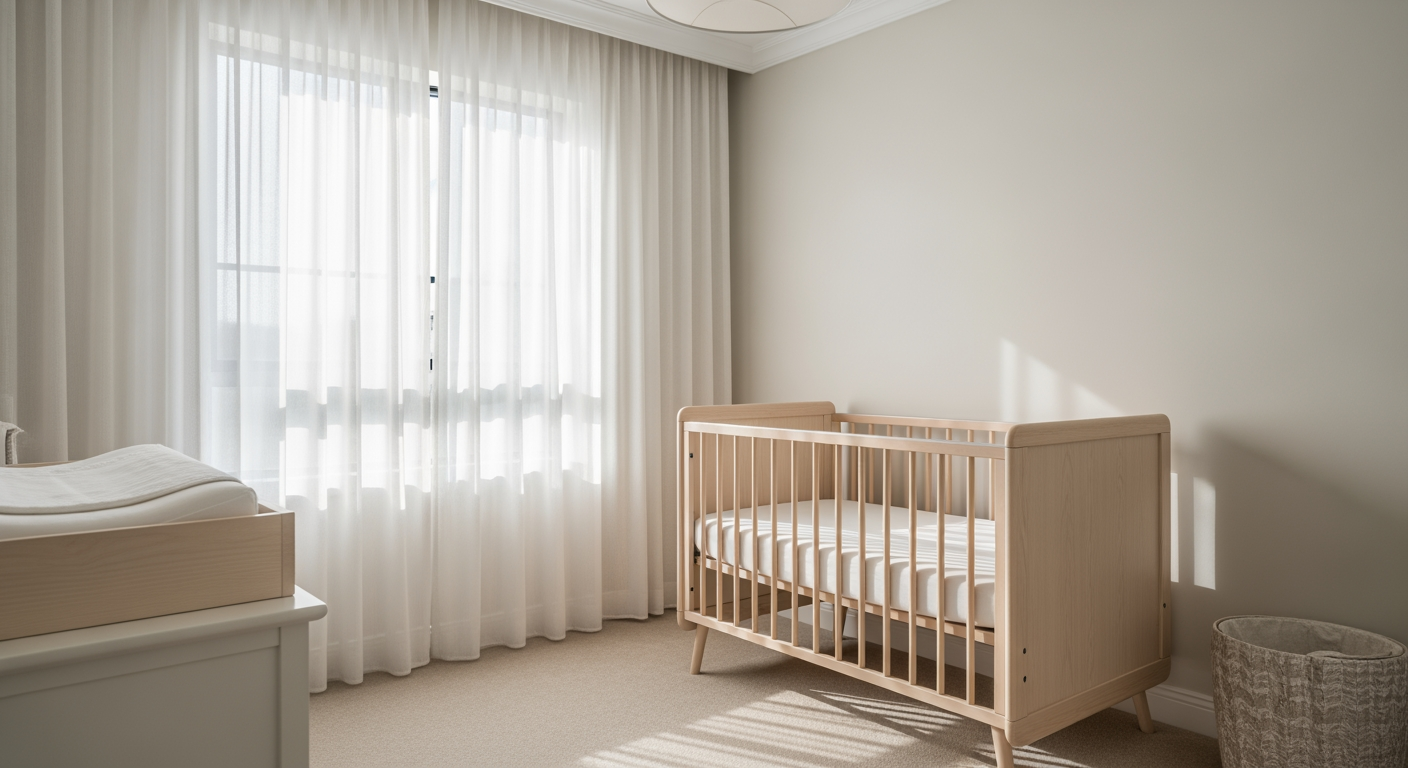
Does this sound familiar? You finally get your baby to sleep for a nap. You quietly sneak out of the room, ready to tackle your to-do list. You grab a coffee, and just as you sit down, you hear a cry. You check the monitor. It has only been 30 minutes. The dreaded short nap strikes again. This cycle can be incredibly frustrating for parents. You feel trapped, unable to get a real break or catch up on anything.
You are not alone in this struggle. Short naps, often called 'catnaps' or 'crap naps,' are a common challenge. The good news is that you can solve it. You just need a clear plan. This guide provides a simple, step-by-step troubleshooting checklist. It will help you become a sleep detective. You will learn to pinpoint the exact reason for your baby's short naps.
We will walk through the process logically. We start with the easiest fixes and move to more complex ones. By the end, you will have a clear path to longer, more restorative naps. This means a happier, well-rested baby and predictable breaks for you. Let's solve the mystery of the short nap together.
Is It a Short Nap? Setting the Baseline
Before you start troubleshooting, it is important to understand what a short nap is. A short nap is a nap that lasts 45 minutes or less. This length is significant. It is typically the duration of a single infant sleep cycle. When a baby wakes after 30 or 45 minutes, they have failed to connect to their next sleep cycle. This prevents them from getting deeper, more restorative sleep. However, not all short naps are a problem. In some situations, they are completely normal and expected. Understanding this can save you a lot of stress.
Managing your expectations is key. For very young babies, short and unpredictable naps are the standard. Their brains and bodies are still developing the rhythms for longer sleep. The goal is to identify when short naps are a developmental phase versus a problem you can solve. If your baby falls into one of the categories below, short naps might be normal for now. You may not need to do extensive troubleshooting yet. Focus on comfort, routine, and waiting for their sleep patterns to mature. For others, these phases can cause temporary disruptions to otherwise great nap schedules. Knowing the cause helps you react with patience instead of frustration. This foundational knowledge is the first step in our diagnostic process, ensuring you apply fixes only when they are truly needed.
Here are the times when short naps are often a normal part of development:
- Newborns (0-3 months): Newborn sleep is chaotic. They have not yet developed a mature circadian rhythm. This internal clock helps regulate sleep and wake cycles. As a result, their naps are often short and all over the place. This is not a problem to fix. It is a normal stage of development. During this time, focus on responding to their sleep cues and ensuring they get enough total sleep over 24 hours.
- 4-Month Sleep Regression: Around four months, a baby's brain undergoes a huge change. Their sleep patterns permanently shift to become more like an adult's. This means more defined sleep cycles. As they learn to navigate these new cycles, they may wake up more frequently, both at night and during naps. This can cause a sudden return of short naps. While frustrating, it is a sign of healthy brain development.
- Nap Transitions: As babies get older, they need less daytime sleep. They will drop naps, moving from 4 to 3, then 3 to 2, and finally 2 to 1. During these transition periods, things can get messy. The nap that is about to be dropped will often become shorter. The other naps might also be affected for a short time as the body's schedule adjusts. This is a temporary phase.
- Illness or Teething: Discomfort is a major sleep disruptor. If your baby has a cold, an ear infection, or is cutting a new tooth, pain can easily wake them from a nap. They may struggle to fall asleep or stay asleep. If your baby was a great napper and suddenly starts taking short naps, consider if they are feeling unwell. Once they feel better, naps usually return to normal.
- The Last Nap of the Day: For babies who still take three or more naps, the final nap of the day is often a short catnap. This is normal and intentional. This brief nap is just meant to bridge the gap to bedtime without taking away from their 'sleep pressure' for night sleep. It should not be a long, restorative nap.
The Troubleshooting Checklist: A 4-Layer Diagnostic Approach
If your baby is over 4-6 months old and is not in one of the temporary situations above, it is time to start troubleshooting. We have created a prioritized checklist to make this easy. The system is designed to be simple and prevent you from feeling overwhelmed. You will work through four distinct layers, one at a time. Start with Layer 1. These are the fastest and simplest fixes. Do not move to Layer 2 until you are certain the environment is perfect. This structured approach helps you isolate the problem efficiently. Often, a small change in one of the early layers is all it takes to lengthen those naps. Follow the steps in order for the best results.
Layer 1: The Sleep Environment (The 5-Minute Fixes)
Your baby's sleep environment sends powerful signals to their brain. When a baby transitions between sleep cycles, they enter a very light stage of sleep. During this fragile moment, even a minor disruption can cause them to wake up fully. Optimizing the environment is the easiest and most effective first step. These checks are quick to perform and can often be fixed immediately. Before you worry about complex schedules or sleep training, make sure the room itself is perfect for sleep.
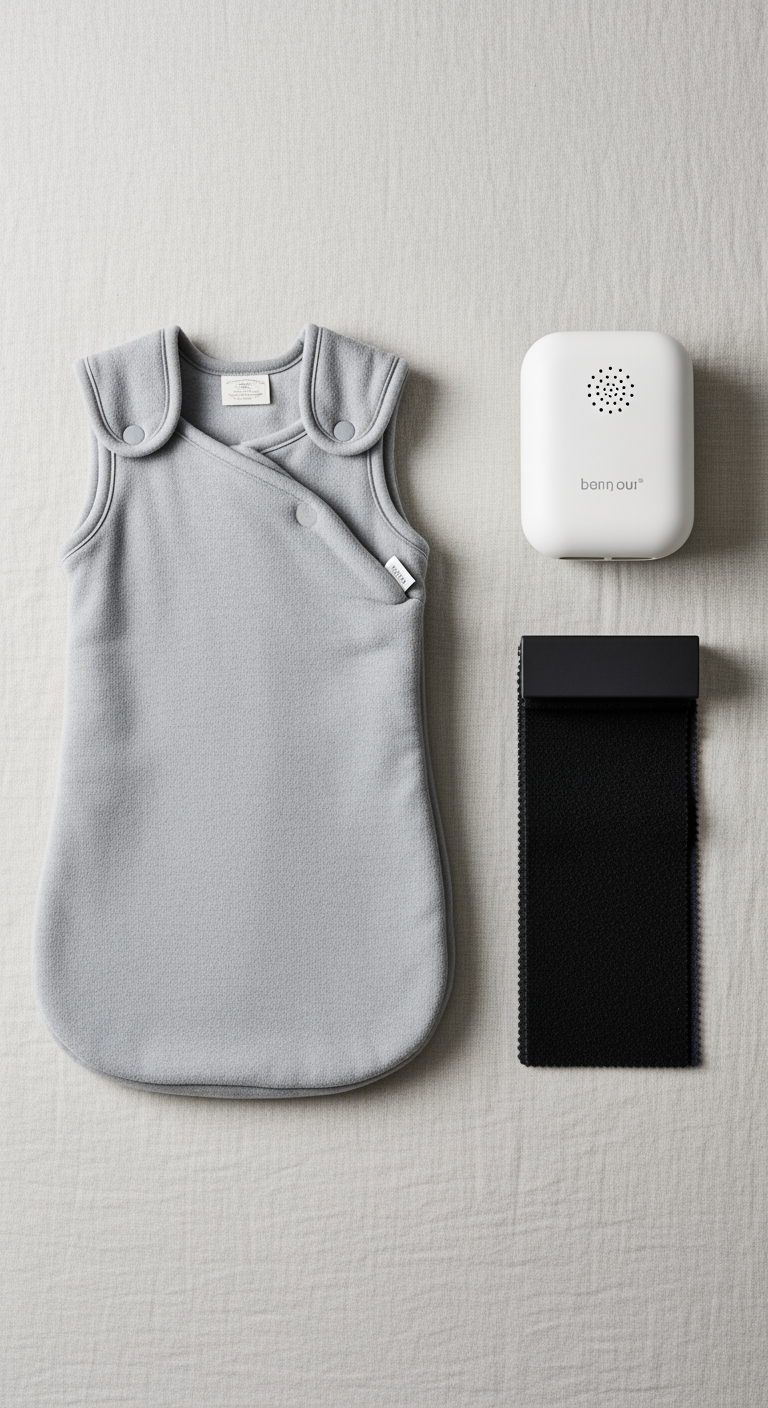
- Is it PITCH black? Light is the number one signal to the brain that it is time to be awake. Darkness signals the production of melatonin, the sleep hormone. Even a small sliver of light from under a door or through a curtain can be enough to disrupt a sleep cycle. Use the hand test: close the door, cover the windows, and wait for your eyes to adjust. If you can see your hand in front of your face, it is not dark enough. Use blackout curtains, tape over electronics, and block light from the hallway.
- Is there continuous white noise? Abrupt household sounds are a common cause of short naps. A dog barking, a doorbell ringing, or a sibling yelling can easily startle a baby awake. A white noise machine creates a consistent, boring soundscape. This masks disruptive noises. The noise should run for the entire duration of the nap. Do not use a machine with a timer. A sudden silence is just as jarring as a sudden noise. The volume should be around 50-65 decibels, no louder than a soft shower.
- Is the room cool? Our bodies sleep better in a cooler environment. A baby's room that is too warm can make it hard to stay asleep. The American Academy of Pediatrics (AAP) suggests a room temperature between 68-72°F (20-22°C) is ideal for sleep. Dress your baby in light, breathable layers. A sleep sack is a great option. Check the back of their neck to see if they are sweaty. A cool, comfortable baby is more likely to connect sleep cycles.
- Is the baby comfortable? Simple physical discomfort can end a nap early. Always check for a wet or dirty diaper before putting your baby down. Make sure their clothing is not restrictive or itchy. For younger babies who still have a strong Moro (startle) reflex, a snug swaddle can be a lifesaver. It prevents their own arm movements from waking them up. Once a baby can roll, you must transition to a sleep sack for safety.
Layer 2: The Schedule (The Timing Puzzle)
If the sleep environment is perfect but short naps continue, timing is the next place to look. This is the most common culprit for chronic short naps. The key is finding the right balance between being tired enough to sleep well but not so tired that sleep is difficult. This balance is managed by 'wake windows,' the amount of time your baby is awake between sleeps. There are two main problems related to timing: overtiredness and undertiredness.
Think of sleep pressure like a balloon. When your baby is awake, you are slowly inflating it. You need enough air (sleep pressure) for a long nap. If you do not inflate it enough, the baby is undertired. They might fight the nap or wake up early because they simply are not tired enough to stay asleep. If you inflate the balloon too much, the baby is overtired. Their body releases stress hormones like cortisol. This is like a shot of adrenaline. It gives them a fake second wind and makes it very hard to relax into deep, restorative sleep. An overtired baby often falls asleep fast but then wakes up crying after just 30-45 minutes. Finding that 'just right' wake window is crucial. A parent seeking information on this for their infant might find that a guide to 3-month-old wake windows is helpful for younger babies.
Use this chart as a starting point. Remember that these are averages. Your baby might need slightly more or less awake time.
| Age | Average Wake Window | Number of Naps |
|---|---|---|
| 4-5 Months | 1.5 – 2.5 hours | 3-4 |
| 6-7 Months | 2 – 3 hours | 2-3 |
| 8-10 Months | 3 – 4 hours | 2 |
| 11-14 Months | 3.5 – 5 hours | 1-2 |
| 15-24 Months | 5 – 6 hours | 1 |
To troubleshoot your schedule, first track your baby's sleep for three days. Write down when they wake up, when they go down for naps, and how long they sleep. Then, compare your baby's current wake windows to the chart. Are they much shorter or longer? Adjust the wake window in small steps. Try adding or subtracting 10-15 minutes for a few days and observe the results. If your baby wakes from the short nap crying and seems upset, the wake window was likely too long (overtired). If they play happily in the crib for a long time before falling asleep, the wake window was likely too short (undertired). This data-driven approach takes the guesswork out of scheduling.
Layer 3: Routines & Hunger (The Pre-Nap Setup)
What happens right before your baby goes into the crib matters a great deal. A predictable routine and a full belly can set the stage for a long, successful nap. If you have already perfected the environment and the schedule, this layer is your next focus. These pre-nap elements help cue your baby’s brain and body that it is time for sleep. They also remove common physical reasons for waking early, like hunger. A consistent setup helps your baby wind down and feel secure, which is essential for good sleep.
- Is there a consistent pre-nap routine? Babies thrive on predictability. A short, simple routine performed in the same order before every nap signals that sleep is coming. This is not the time for an elaborate, long process. The routine should be just 5-10 minutes. An example could be: go into the nursery, change the diaper, put on the sleep sack, read one short book, turn on the white noise, say a key phrase like 'time for sleep,' and place the baby in the crib. This sequence helps them transition from active playtime to quiet sleep time.
- Could they be hungry? A rumbling tummy can definitely cut a nap short. Make sure your baby is getting a full feeding during their wake window. It is best to finish the feeding at least 20-30 minutes before the nap is scheduled to begin. This helps prevent a feed-to-sleep association, where the baby thinks they need to eat to fall asleep. By separating feeding from sleeping, you ensure they go into the crib with a full tummy but are not relying on the bottle or breast as a sleep prop.
Layer 4: Sleep Skills (The Independence Factor)
If you have worked through the first three layers and short naps are still the norm, it is time to consider the final piece of the puzzle: independent sleep skills. This is especially true for babies over 5-6 months old. Think of a nap like a train ride with a brief stop every 45 minutes. To have a long nap, your baby needs to know how to stay on the train when it pulls into the station (a light waking). If they need your help to get on the train in the first place (rocking, feeding, or holding to sleep), they will need that same help to stay on board at the 45-minute stop. The ride ends, and the nap is over.
The goal is to teach your baby how to fall asleep on their own. This skill is often called 'self-soothing.' It means they can transition between sleep cycles without your intervention. The key practice for this is putting your baby down in the crib 'drowsy but awake.' This gives them the chance to get comfortable and drift off to sleep without being held or rocked. If your baby cries and needs help to resettle, there are some methods for nap extension you could try. This is a skill that takes practice and patience. It is often easier to work on night sleep first. The drive to sleep is stronger at night, which can make learning this new skill a little easier. Once they master falling asleep independently at bedtime, that skill often transfers to naps. Improving nap length for four-month-olds can be a unique challenge as they are just developing these abilities.
Your Next Steps for Longer Naps
You have now worked through the entire short nap troubleshooting checklist. By now, you should have a much clearer idea of what is causing those frustratingly short naps. The key to success from here is consistency. It can take a week or more of consistent changes to see real, lasting improvement in nap length. Do not get discouraged if the first day does not bring a two-hour nap. Stick with your plan and give your baby time to adjust.

Here is your action plan based on what you found:
- If you found an environment issue: Make the necessary changes right away. Make the room darker, add continuous white noise, or adjust the temperature. Give it at least three days to see if this alone solves the problem.
- If you found a schedule issue: Start adjusting your wake window by 15 minutes. Stick with the new schedule for 2-3 days before making another change. Keep tracking sleep to see how the nap length and your baby's mood respond.
- If you found a routine or skills issue: Implement a consistent pre-nap routine immediately. If you believe independent sleep is the final hurdle, your next step is to research gentle methods to teach this skill. For babies over six months who wake up happy from a short nap, you can try the 'Crib Hour' method. This involves leaving them in the crib for the remainder of the hour to give them the opportunity to fall back asleep on their own. This low-pressure approach can help them practice connecting sleep cycles.
Solving short naps is a process of elimination. By using this checklist, you have taken control and are on the path to better sleep for your entire family. Be patient, be consistent, and you will get there.