
Are you tired? That might be the biggest understatement. You are likely exhausted. The chaos of your baby's sleep can feel overwhelming. One day they nap for two hours, the next it is only 20 minutes. You read advice online, but it all feels generic. The schedules do not seem to fit your unique baby. This leaves you feeling frustrated and more lost than before.
This article is different. It is not just more information. It is a real solution. We have created a comprehensive, fillable template that puts you in control. It acts as your personal roadmap to better sleep. You will build a plan that is truly personalized. It will fit your baby's needs and your family's values. You will learn to define five key parts of your baby's sleep.
By the end of this guide, you will have a clear, step-by-step plan. This plan will help you create a predictable rhythm for your days and nights. It will help everyone in your home get more rest. You will feel less anxious and more confident. Let's start building your personalized infant sleep plan.
The Foundation: Safe Sleep and Essential Concepts
Before you build any plan, safety must come first. The American Academy of Pediatrics (AAP) provides clear guidelines. These rules are not negotiable. They are designed to keep your baby safe and reduce the risk of Sudden Infant Death Syndrome (SIDS). The easiest way to remember them is the ABCs of Safe Sleep. Your baby should always sleep Alone. They should always be placed on their Back. And they should always be in a safe Crib, bassinet, or play yard. This means no blankets, pillows, bumpers, or soft toys in the sleep space. The sleep surface must be firm and flat.
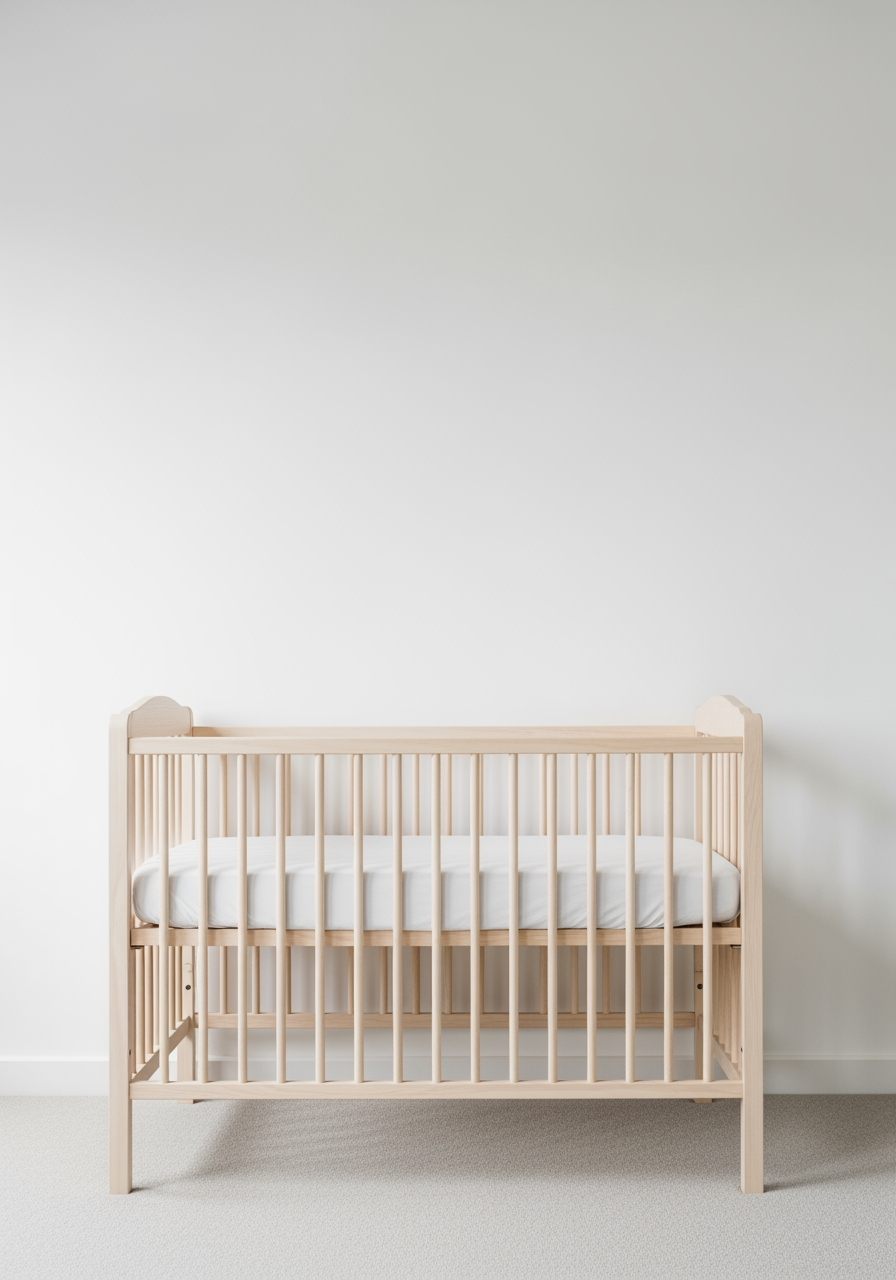
The AAP also recommends room-sharing for the first six months. This means your baby sleeps in your room, but on a separate surface. Room-sharing without bed-sharing can lower the risk of SIDS by as much as 50%. It keeps your baby close for feedings and comfort. Following these safety rules creates the secure foundation for your entire sleep plan. Now, let's learn a few key ideas you will use to build your schedule.
One of the most important concepts is the 'wake window'. Think of your baby's energy like a smartphone battery. After being awake for a while, their 'social battery' runs out. They need to recharge with sleep. If they stay awake too long, they become overtired. An overtired baby is often fussy and has a harder time falling asleep. The wake window is the ideal amount of time a baby can be awake between sleeps. This window changes as your baby gets older. Paying attention to it is key to a happy baby and better naps.
Next is the idea of 'self-soothing'. This is the skill of a baby calming themselves down to sleep. They do this without help like rocking, nursing, or a pacifier. It is like learning to ride a bike without training wheels. It takes practice. There might be some wobbles, or fussing, at first. But it is a skill that helps them connect sleep cycles. This means they can go back to sleep on their own when they naturally wake up at night. Your goal is to give them the chance to practice this skill in a gentle way.
Finally, we have the 'Eat-Play-Sleep' cycle. This simple pattern is a powerful tool. It structures your baby's day. When your baby wakes up, you feed them (Eat). This gives them energy for their wake window. After eating, they have a period of activity (Play). This can be tummy time, looking at toys, or interacting with you. As their wake window ends, you watch for sleepy cues. Then, you put them down for a nap (Sleep). This cycle helps break the link between eating and sleeping. It prevents your baby from needing to be fed to sleep, which is a common challenge for parents.
Part 1: Your Baby's Profile & Your Family's Philosophy
A truly personal plan starts with you and your baby. No two babies are the same. No two families are the same. This section is your data-gathering phase. It is where the 'personalization' really happens. Before you can decide where you are going, you need to know where you are starting from. This means looking at your baby's current habits. It also means being honest about your own goals and comfort levels. This assessment is the engine of your sleep plan. It ensures the final schedule and strategies will work for your real life, not just on paper. Be honest and take your time with these questions.
We will break this into two parts. First, we will create a snapshot of your baby's current sleep patterns and temperament. This gives you a baseline. Second, you and your partner will define your family's sleep philosophy. This creates unity and consistency. When parents are on the same page, the plan is much more likely to succeed. Getting these details right at the start prevents confusion and frustration later. It is the most important step in building a plan that you can stick with for the long term.

Assess Your Baby's Current State
Before you change anything, you must observe. For the next three to seven days, become a sleep detective. Track your baby's patterns without judgment. This is not about fixing things yet. It is about understanding their natural rhythms and tendencies. This data will be the foundation for the schedule you build. You might be surprised by what you find. A simple notebook or a notes app on your phone is all you need. Write down the answers to the following questions. This will create a clear picture of your starting point.
- What is your baby's age in weeks or months?
- What is their typical wake-up time in the morning?
- What is their typical bedtime?
- How many naps do they take each day right now?
- How does your baby fall asleep for naps and bedtime? (e.g., rocking, feeding, pacifier, on their own)
- What is your baby's temperament like? (e.g., easy-going, very sensitive, high-energy, alert)
Answering these questions gives you powerful information. For instance, knowing your baby's age helps you find the right wake windows. Understanding their temperament helps you choose the right approach. A sensitive baby might need a slower, more gradual method. An easy-going baby might adapt more quickly to a new routine. Knowing how they fall asleep now shows you what sleep associations you may need to work on. It's especially useful to review a detailed 3 month wake windows guide if your child is around that age, as it's a period of major developmental change.
Define Your Parenting Philosophy
This step is crucial for teamwork and consistency. You and anyone else involved in the sleep plan must be on the same page. There is no single 'right' way to teach a baby to sleep. The best method is the one you can follow consistently. This requires honest conversation. Discuss your feelings about crying. Talk about your ultimate goals. A unified front is your greatest asset. When your baby receives the same response from every caregiver, they learn much faster. This reduces confusion for them and stress for you.
Sit down with your partner and answer these questions together. Write down your shared answers. This becomes your team agreement.
- On a scale of 1 to 5, what is our comfort level with crying? (1 means no crying at all, 5 means we are comfortable with a structured crying plan).
- What is our number one sleep goal? (e.g., sleeping through the night, making naps easier, independent sleep skills).
- Who will be involved in implementing this plan? (e.g., both parents, a grandparent, a nanny).
Your answer about crying comfort is especially important. It will guide which methods you choose. If your comfort level is very low, you will lean toward gentler approaches. Exploring a no-cry sleep methods comparison can help you find a technique that feels right for your family. There are many ways to improve sleep without leaving your child to cry for long periods. The key is choosing a path and walking it together.
Part 2: Building Your Schedule & Routines
Now that you have your foundation, it is time to build the structure. This is where you create the predictable rhythm your baby craves. This section provides the core tools of your sleep plan: the daily schedule and the calming routines. The schedule will be based on age-appropriate wake windows. The routines will provide powerful cues to your baby that it is time to sleep. Remember, the goal is a flexible rhythm, not a rigid timetable. You will learn to adapt this schedule to your baby's daily needs while keeping the overall pattern consistent. This consistency is what teaches your baby what to expect.
We will start with the big picture: the daily schedule. We provide a chart with recommended wake windows by age. You will use this to fill in a template for your own day. This makes it easy to see how the Eat-Play-Sleep cycle works in practice. Then, we will zoom in on the critical moments before sleep. You will build a calming bedtime routine and a shorter nap routine. These routines are non-negotiable. They are the most powerful signals you can send to your baby's brain that sleep is coming. Doing them in the same order every time creates a strong sleep association.

The Daily Schedule Template
Your schedule is built around two things: your desired wake-up time and your baby's age-appropriate wake window. Start by picking a realistic wake-up time for your family, for example, 7:00 AM. Then, use the chart below to find the right wake window for your baby's age. From your wake-up time, you will add the wake window to find the target for the first nap. The day will then follow a pattern of 'wake window, then nap' until bedtime. This structure takes the guesswork out of your day.
| Age | Recommended Wake Window | Target Naps |
|---|---|---|
| 0-8 Weeks | 45-60 minutes | 4-6+ |
| 2-4 Months | 1.5 – 2 hours | 3-4 |
| 4-6 Months | 2 – 2.5 hours | 2-3 |
| 7-10 Months | 2.5 – 3.5 hours | 2 |
| 11-14 Months | 3 – 4 hours | 1-2 |
Now, use this information to fill out your own schedule below. This is a sample to get you started. Adjust the times based on your baby's needs.
Your Fillable Schedule
| Time | Activity (Eat, Play, Sleep) | Notes |
|---|---|---|
| 7:00 AM | Wake & Eat | |
| 7:30 AM | Play | |
| 8:45 AM | Nap 1 Begins | |
| … | … | |
| 6:30 PM | Bedtime Routine Begins | |
| 7:15 PM | Into Crib Awake |
The Routine Builder
Routines are the secret ingredient to this entire plan. Consistency is much more important than complexity. A simple routine done in the same order every time is incredibly powerful. It tells your baby's internal clock that sleep is near. A good bedtime routine should be 30-45 minutes long. It should be filled with calm, quiet activities. Importantly, the final feeding should happen near the start of the routine, not the end. This helps your baby learn to fall asleep without food. Your goal is to put them in the crib 'drowsy but awake'. This means they are calm and sleepy, but not fully asleep. This is the moment they get to practice their self-soothing skills.
Use the checklist below to build your ideal bedtime routine. Choose three to five activities. For naps, create a much shorter version, about 5-10 minutes long. This mini-routine still signals that sleep is coming.
Bedtime Routine (Choose 3-5):
- Calm bath
- Change into pajamas and a sleep sack
- Final feeding (in a bright room to keep them awake)
- Brush gums or teeth
- Read one or two quiet books
- Sing a special lullaby
- Say a consistent goodnight phrase (e.g., "I love you, see you in the morning")
Nap Routine (A 5-10 min version):
- Put on the sleep sack
- Read one short book
- Say your goodnight phrase
These routines provide the perfect opportunity to teach your baby to self-soothe gently. The calm predictability of the routine helps your baby feel secure, making it easier for them to relax and drift off to sleep on their own.
Part 3: Your Strategy for Night Wakings & Troubleshooting
Even with the perfect plan, challenges will arise. Babies are not robots. They get sick, they teethe, and their brains go through major updates called sleep regressions. A good plan prepares you for these moments. This section makes your plan resilient. It gives you a clear strategy for handling night wakings. It also provides a log for common problems like short naps or illness. The goal is to respond to these challenges in a way that is both supportive and consistent. This prevents you from undoing all your hard work when things get tough.
It is normal for babies over six months old to wake briefly during the night. They cycle through light and deep sleep just like adults. The goal of a sleep plan is not to prevent these wakings. It is to give your baby the skill to go back to sleep on their own without your help. Your response during these wakings is critical. Having a pre-defined plan helps you respond calmly and consistently, even when you are tired at 2 AM. This section will give you that plan.

The Night Waking Action Plan
When you hear your baby stir or fuss at night, your first instinct is to rush in. Your new plan requires a different first step: a pause. This simple pause is often all that is needed. Many babies will fuss for a few minutes and fall right back to sleep. Rushing in can interrupt this process. Follow these steps in order. This creates a predictable response your baby can learn from.
- PAUSE: When you hear your baby, wait for 5-10 minutes. Do not go in unless you feel they are in real distress. Listen. Are they just fussing or truly crying? Give them a chance to work it out.
- ASSESS: If they are still crying after your pause, ask a few quick questions. Is it time for a scheduled night feeding? Could their diaper be dirty? Do they sound sick? If the answer to these is no, move to the next step.
- CHOOSE YOUR CHECK-IN METHOD: Now, you will intervene based on the philosophy you defined earlier. Your check-in should be brief and boring. The goal is to reassure, not to stimulate. Choose one method: a minimalist check-in with just your voice, a hands-on check-in with a comforting touch, or a pick-up/put-down approach where you calm them but put them back in the crib awake.
- SET YOUR TIMELINE: Decide ahead of time how long you will wait between these check-ins. A common approach is to gradually increase the time, for example, waiting 5 minutes, then 10, then 15. Write this down and stick to it.
The Troubleshooting Log
Life happens. This log gives you a pre-planned strategy for the most common sleep disruptors. Refer back to this when you hit a bump in the road.
Challenge 1: Short Naps. Strategy: If your baby wakes from a nap after only 30-45 minutes, assess their mood. If they wake up happy and babbling, the nap might be over. Start their next wake window from the time they woke up. If they wake up crying, they are likely still tired. Try to soothe them back to sleep for 10-15 minutes while they are still in the crib. You can use your chosen check-in method. Also, make sure the room is pitch black. Even a little light can signal that it is time to be awake.
Challenge 2: Sickness or Teething. Strategy: When your baby is sick or in pain, the rules change. Your priority is to comfort them and help them rest. It is okay to offer more cuddles, feedings, or help to sleep. Do what you need to do to get through it. Do not worry about ruining your plan. Once your baby has been healthy and back to their normal self for 48 hours, you can return to the plan. Be consistent, and they will get back on track quickly.
Challenge 3: Sleep Regressions. Strategy: Sleep regressions are normal and temporary. They often happen when your baby is learning a big new skill, like rolling, crawling, or talking. Their brain is working so hard on this new skill that sleep gets disrupted. The worst thing you can do is abandon your plan. The best thing you can do is stay consistent. Stick to your schedule and routines as much as possible. Offer extra reassurance and comfort during the day. This phase will pass. Consistency is your anchor through the storm.
Your Next Steps to Consistent Sleep
You have now created a powerful framework for better sleep. This personalized plan is your roadmap. It is built on safety, your baby's unique needs, and your family's values. You have the tools to create a predictable schedule. You have calming routines to signal sleep. You even have strategies for when things get tough. This plan empowers you. It moves you from a place of chaos to a place of confidence and control. You are no longer just reacting to your baby's sleep. You are actively shaping it in a gentle and responsive way.

Remember that the hardest part of any plan is consistency. There will be good days and bad days. The key is to return to your plan after a disruption. Trust the process. Trust the routines you have built. And trust your baby's ability to learn. Over time, this consistency will lead to more predictable naps and longer stretches of night sleep for everyone.
If you feel you need more support, that is perfectly normal. Many parents find that having a guided, interactive tool makes all the difference. An app can provide daily, step-by-step guidance. It can adjust the plan automatically as your baby grows and their needs change. For parents who want this level of support without the high cost of a personal consultant, exploring a dedicated program can be the logical next step. It can help you implement your plan with confidence and provide expert help when you need it most.