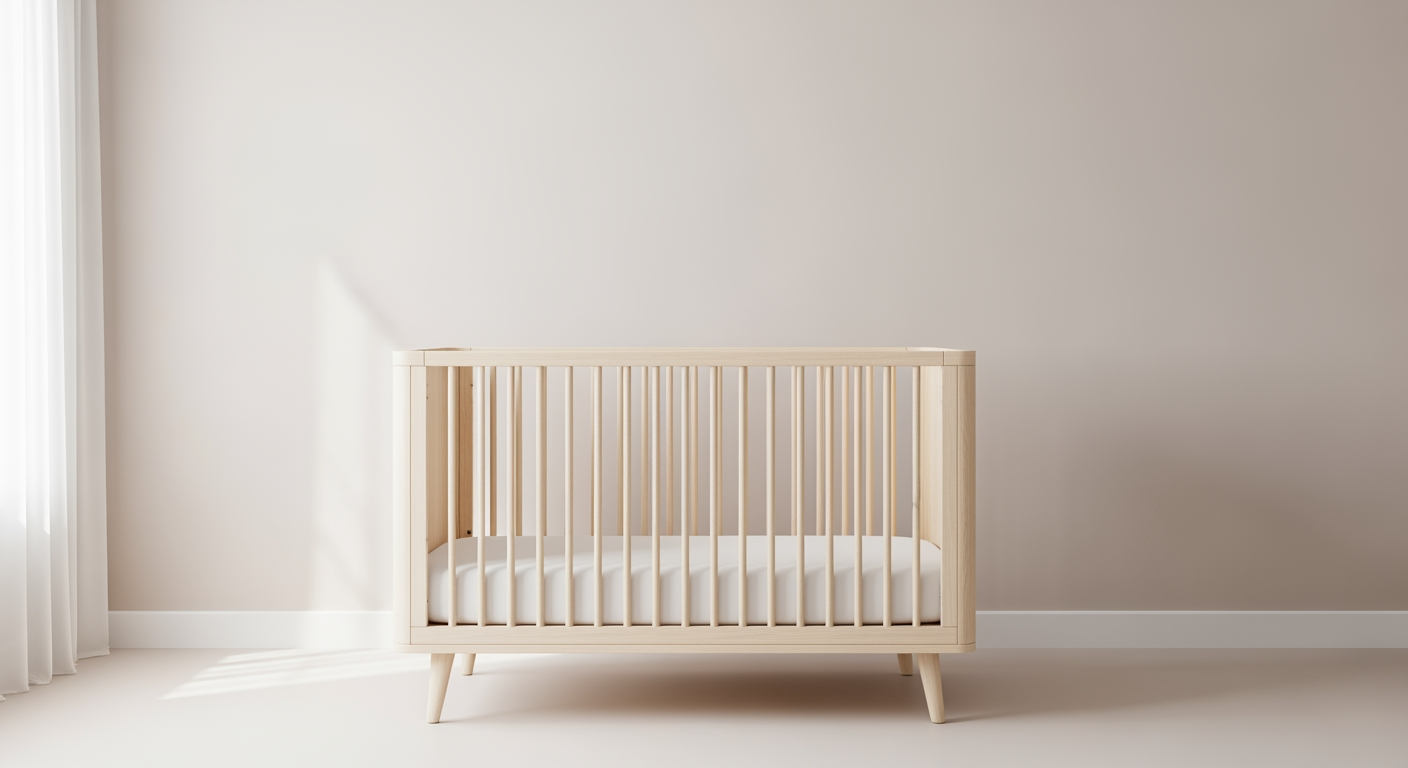
Bringing your newborn home is a magical time. It is also a time of great responsibility. You want to do everything right to keep your tiny baby safe. Your number one priority is their safety, especially when they are sleeping. Newborns sleep for many hours each day. This makes a safe sleep space extremely important.
It can be hard to know what is truly safe. Stores sell many baby products that look helpful. Family members might offer well-meaning but outdated advice. This can cause confusion and anxiety for new parents. This guide cuts through the noise. It gives you clear, simple rules based on the highest safety standards. These come from the American Academy of Pediatrics (AAP) and the Consumer Product Safety Commission (CPSC).
We will use a simple "3-Zone Safety Scan" to help you. This method checks the Crib Zone, the Room Zone, and the Routine Zone. Following this checklist will help you create the safest possible nursery. It will give you peace of mind knowing you have done your best to protect your baby during sleep.
The Crib Zone: Your Baby's Safe Sleep Foundation
The most important part of newborn sleep safety is the crib itself. This is your baby's personal sleep space. The guiding rule for this zone is simple: Bare is Best. Think of the crib as a minimalist apartment for your baby. They only need the essentials to be safe and comfortable. Anything else is just dangerous clutter that can get in their way.
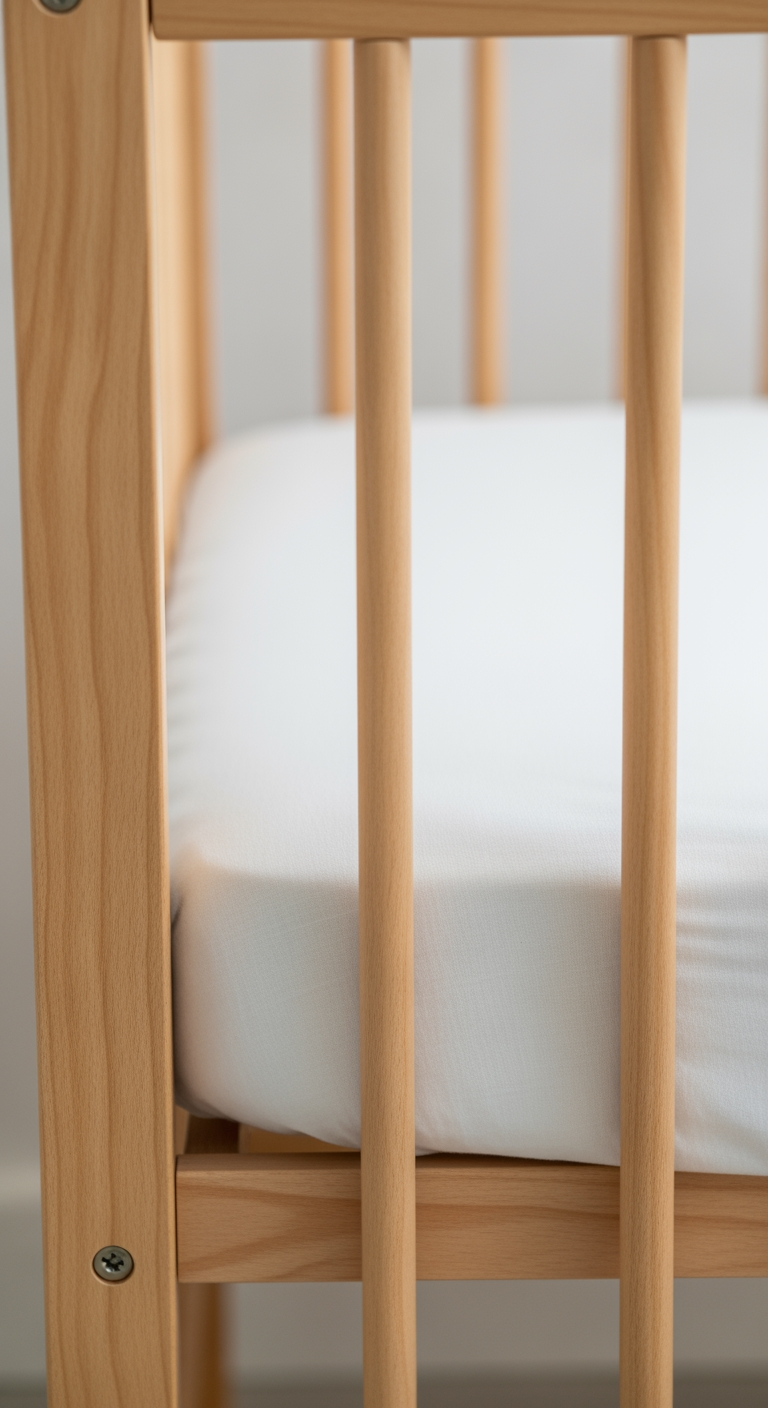
Your baby does not need pillows, blankets, or cute stuffed toys as 'roommates'. These items can block their airway and lead to suffocation. A bare crib is the safest crib. This principle is backed by years of research to reduce the risk of Sudden Infant Death Syndrome (SIDS) and other sleep-related dangers. Below is a simple checklist to ensure your crib zone is perfectly safe for your newborn.
- [✓] CPSC-Approved Sleep Space
- [✓] Firm, Flat Mattress
- [✓] Tight-Fitting Fitted Sheet
- [✓] "Bare is Best" Confirmed
- [✓] Safe Crib Construction
Let's explore what each of these points means. Your baby needs a CPSC-approved sleep space. This can be a full-size crib, a bassinet, or a play yard (often called a Pack N Play). These products have passed strict government safety tests. It is very important to check for any product recalls before you use it. You can do this on the CPSC website. Never use a product that has been recalled or broken. A play yard is a safe sleep space for a newborn every night. You just need to use the firm mattress it came with and ensure it is free of soft bedding.
The mattress inside the sleep space must be firm and flat. A soft surface is a serious suffocation hazard. Imagine your baby is a melting ice cream cone. On a soft surface like a pillow, it would sink in and get stuck. The baby's face could press into the soft material, making it hard to breathe. On a firm, flat mattress, the baby stays right on top. Their head will not sink in, and they can breathe easily from all sides. The mattress should not have any incline greater than 10 degrees. A flat surface is the only safe option for sleep.
The only bedding you should use is a tight-fitting fitted sheet. The sheet should be made specifically for the mattress you are using. It should wrap snugly around the mattress corners. There should be no loose fabric that could bunch up. Loose fabric presents an entanglement or suffocation risk. Do not use any mattress pads or toppers under the sheet unless they are thin and waterproof. The goal is to keep the surface firm and safe.
Finally, confirm that the crib is truly bare. This means absolutely nothing else is in the crib with your baby. This includes no pillows of any kind, no loose blankets or quilts, and no crib bumpers. It also means no stuffed animals, soft toys, wedges, or sleep positioners. These items are all suffocation hazards. A boring crib is a safe crib. When it comes to your baby's sleep, less is always more.
Check the crib's construction for safety. If you are using a crib, the slats should be no more than 2 and 3/8 inches apart. This is about the width of a soda can. A wider gap could allow a baby's body to slip through and their head to become trapped. Also, cribs with drop-side rails are now banned and illegal to sell. They are very dangerous. Ensure your crib is sturdy and has no missing or broken parts.
The Room Zone: Creating a Safe Nursery Environment
Once the crib is safe, you need to look at the entire room. The nursery environment plays a big role in safe sleep. Factors like temperature and crib placement are very important. Creating a safe room zone reduces risks that go beyond the crib itself. This holistic approach helps build multiple layers of safety for your baby. This is a key part of setting up the ideal baby bedroom nursery. The table below outlines the key environmental factors to check in your nursery.
| Environmental Factor | 2026 Safety Standard | Why It's Critical |
|---|---|---|
| Room-Sharing | Baby sleeps in your room (but not your bed) for at least the first 6 months. | Decreases the risk of SIDS by as much as 50%. |
| Room Temperature | Keep the room between 68-72°F (20-22°C). | Prevents overheating, a major risk factor for SIDS. |
| Air Quality | Smoke-free and vape-free environment. Good ventilation. | Reduces SIDS risk and respiratory issues. |
| Crib Placement | Away from windows, blinds, cords, heaters, and climbable furniture. | Prevents strangulation, overheating, and falls. |
| General Safety | Working smoke & carbon monoxide detectors. Covered electrical outlets. | Protects against fire, poisoning, and electrical hazards. |
Room-sharing is one of the most effective ways to lower SIDS risk. The AAP recommends having your baby sleep in your room, on a separate safe sleep surface, for at least the first six months. It is preferable to continue for the first year. This does not mean bed-sharing. Sharing an adult bed is not safe for a baby. Room-sharing means the baby's crib or bassinet is close to your bed. This makes it easier to feed, comfort, and watch your baby. It has been shown to reduce the risk of SIDS by up to 50%.
The temperature of the room is also critical. A room that is too warm can cause a baby to overheat. Overheating is a major risk factor for SIDS. Keep the thermostat set between 68 and 72 degrees Fahrenheit. Dress your baby in light layers. A good rule of thumb is to dress them in one more layer than what you are wearing to be comfortable. Do not put a hat on your baby for sleep indoors. Check for signs of overheating like sweating, a flushed face, or a hot chest.
Debunking the Bumper Myth: Why Even "Breathable" Isn't Safe
For many years, parents used padded crib bumpers. They thought bumpers protected babies from bumps and bruises. We now know they are incredibly dangerous. In 2021, the U.S. government passed the Safe Sleep for Babies Act. This law banned the sale of all crib bumpers nationwide. This includes both padded bumpers and newer products marketed as "breathable" mesh bumpers. There is no safe type of crib bumper.
The reason for the ban is clear. Bumpers pose serious risks of suffocation, entrapment, and strangulation. A baby can press their face against a bumper, blocking their nose and mouth. They can also get trapped between the bumper and the crib mattress. The ties used to secure bumpers are a strangulation hazard. Even mesh bumpers are unsafe. While they may seem breathable, they can still cause problems. The material can become loose, and a baby can get tangled in it. The simple truth is that babies do not need bumpers. The small bumps they might get from hitting the crib slats are not harmful. A bare crib is the only safe option.
The Dangers of In-Laws and Instagram: Products to AVOID
You will see many baby sleep products online and in stores. Many of them look convenient and cozy. However, many popular items are not safe for sleep. They are often marketed for "soothing" or "lounging," but parents may use them for sleep. This is very dangerous. Inclined sleepers, like the recalled Rock 'n Play, are illegal to sell. Any product that holds a baby at an angle greater than 10 degrees is unsafe for sleep. When a baby is on an incline, their head can fall forward. This can bend their tiny airway like a kinked straw, a danger called positional asphyxiation.
In-bed sleepers, like a Dock-A-Tot or Snuggle Me Organic, are also not safe for sleep. These soft, padded loungers are meant for supervised awake time only. Placing one in an adult bed or a crib creates a major suffocation risk. The soft sides can block a baby's airway if they turn their face into them. Finally, you should avoid weighted swaddles and blankets. The AAP warns against these products. The extra weight can make it harder for a baby to breathe. It can also lead to overheating. Always stick to products that meet federal safety standards for sleep.
The Routine Zone: Safe Habits for Every Sleep
Creating a safe nursery is the first step. The next step is to practice safe habits for every single sleep. This includes naps and nighttime sleep. Your actions and routines are just as important as the physical setup. The ABCs of safe sleep are a great way to remember the basics. This stands for Alone on their Back in a Crib. Following a consistent, safe routine protects your baby and helps them learn healthy sleep habits. A consistent routine is also a positive part of any sleep environment.
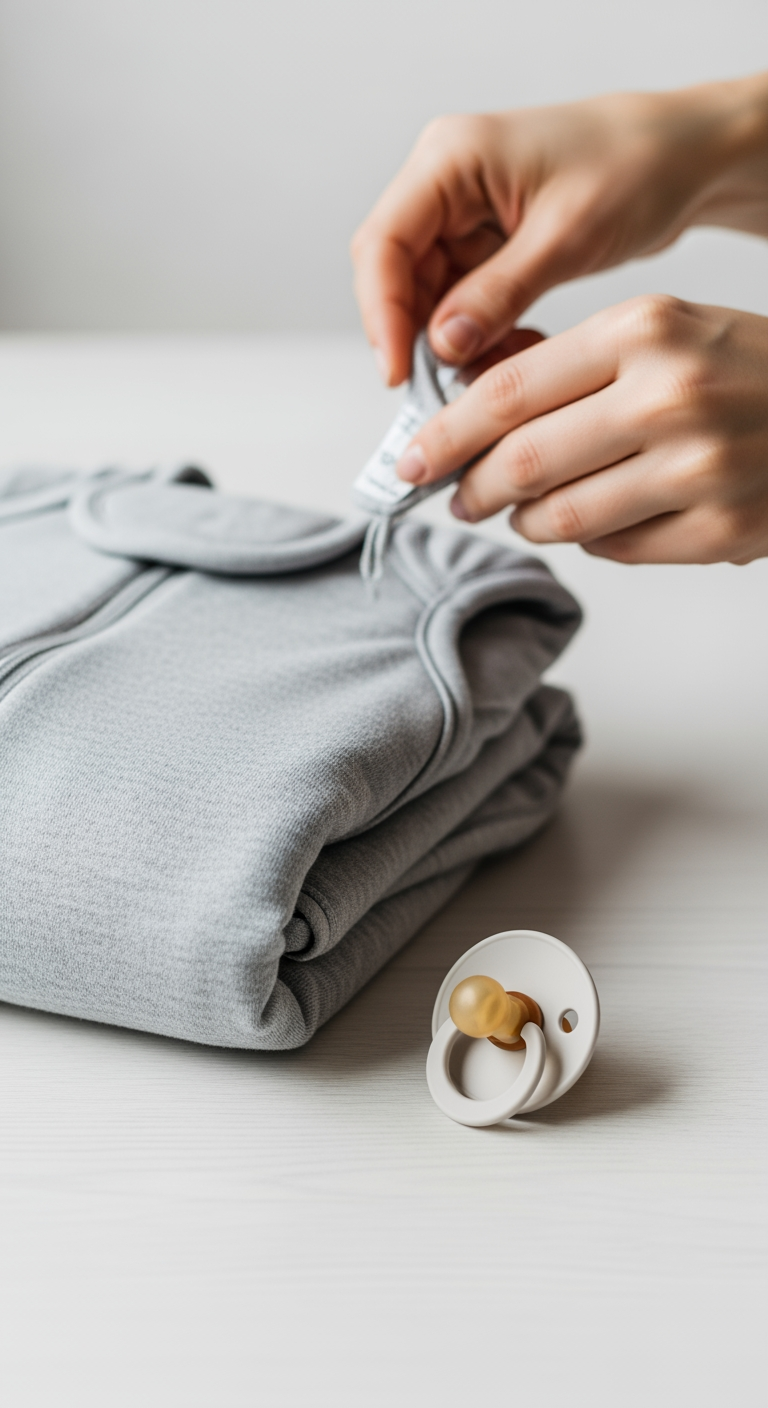
This zone is about what you do every time you put your baby down. It is about being consistent and vigilant. Even when you are tired, these simple steps can make all the difference. The following list outlines the key actions for your safe sleep routine.
- Place Baby on Their Back
- Dress in a Wearable Blanket
- Offer a Pacifier
- Move if They Fall Asleep Elsewhere
- Keep It Dark and Boring
Always place your baby on their back to sleep. This is the single most effective action you can take to lower the risk of SIDS. This rule applies for the entire first year of life. Some parents worry when their baby starts to roll over. If your baby can roll from their back to their stomach on their own, you do not need to roll them back. Just make sure their sleep space is completely bare. They need to have the strength to roll both ways and a clear space to do so safely.
Instead of using loose blankets, dress your baby in a wearable blanket. These are also known as sleep sacks. A wearable blanket is a safe way to keep your baby warm without the risk of suffocation. You can buy them in different fabrics and weights for different room temperatures. Make sure the sleep sack is the right size for your baby. It should fit well around the neck and armholes. A newborn can absolutely sleep in a sleep sack. It is the recommended way to keep them warm and safe. Remember, never put a hat on a baby for sleep indoors, as it can lead to overheating.
Consider offering a pacifier at naptime and bedtime. Studies show that using a pacifier is associated with a reduced risk of SIDS. The exact reason is not known, but it is a protective factor. If you are breastfeeding, wait until it is well established, usually around 3-4 weeks. Do not force your baby to take a pacifier if they do not want it. If the pacifier falls out of their mouth after they fall asleep, you do not need to put it back in. Never use pacifier clips or strings in the crib.
Babies often fall asleep in places other than their crib. They might doze off in a car seat, a swing, a bouncer, or a baby lounger. These products are not safe for sleep. If your baby falls asleep in one of these items, move them to their firm, flat sleep surface as soon as possible. This is very important. Sleeping on an incline or a soft surface can block their airway. It might seem like a hassle to move a sleeping baby, but it is a critical safety step.
Finally, make the sleep space dark and boring. A dark room helps promote the production of melatonin, the sleep hormone. Use blackout curtains to block outside light. The area around the crib should be uninteresting. Avoid stimulating mobiles with lights or sounds directly over the crib. While a simple mobile is fine for awake time, it should be removed once the baby can push up on their hands and knees. A boring sleep environment tells your baby that this space is for sleep, not for play.
Your Action Plan for a Safe Nursery
You now have a complete plan to make your nursery safe. By following the 3-Zone Safety Scan, you have covered every detail. Remember the most important rules: Back to Sleep for every sleep, and Bare is Best in the crib. These simple phrases are your guide to reducing the risk of SIDS and other sleep-related dangers. A boring crib is a safe crib. Resist the urge to add cute but dangerous items like pillows, blankets, and bumpers.
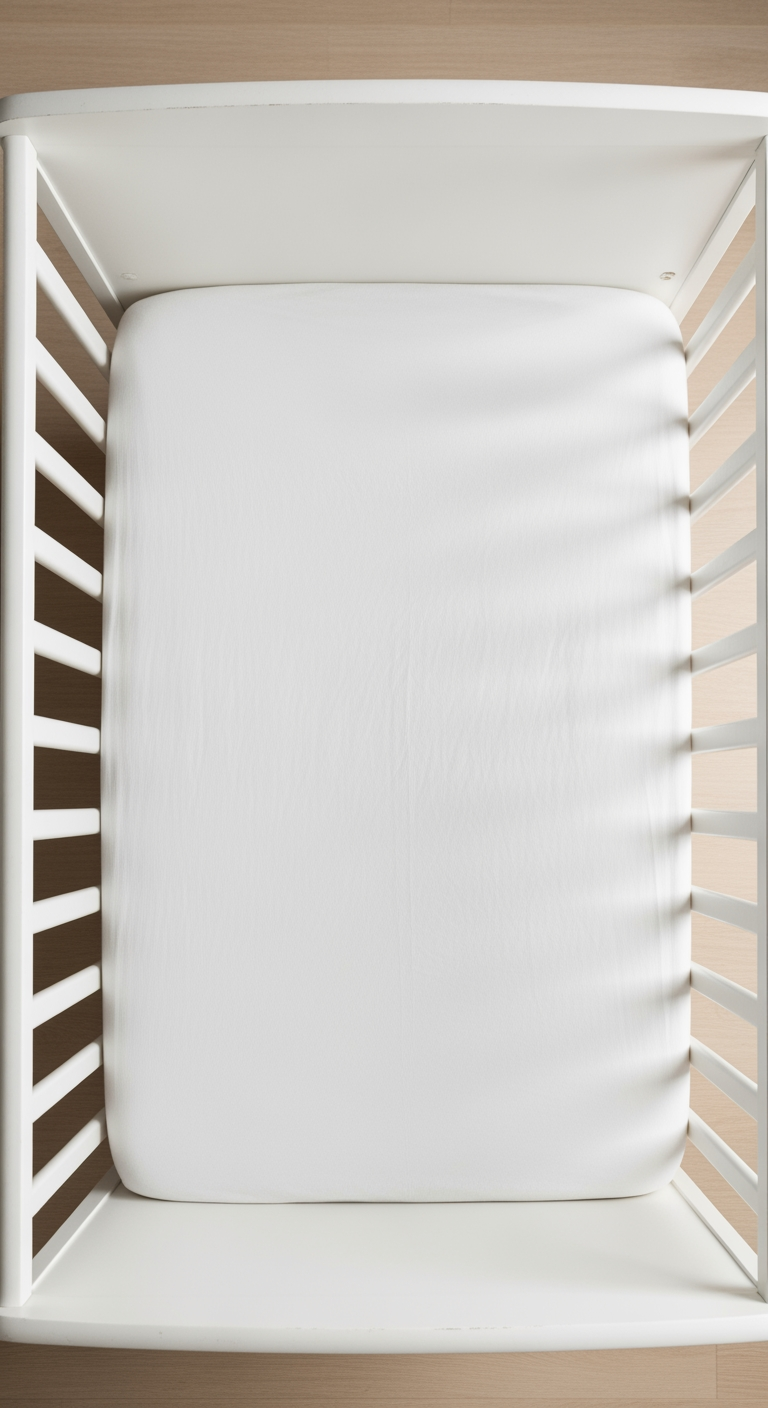
Trust the experts. The guidelines from the AAP and the CPSC are based on extensive research. They are designed to give your baby the safest start in life. Choose only sleep products that meet federal safety standards. This means a CPSC-approved crib, bassinet, or play yard with a firm, flat mattress. You can feel confident that you are creating a secure and protective space for your newborn to rest and grow.
Now that you understand the 'why' behind each rule, you are empowered to make the best choices. Keep this checklist handy. Share it with grandparents, babysitters, and anyone else who will care for your baby. Consistent safety is key. Your next step is to put this plan into action. You can download our printable 1-page checklist to keep on your phone or hang in the nursery for quick reference. For more guidance on creating gentle sleep routines, explore our newborn sleep programs.