
You love the warm weight of your baby sleeping on your chest. The soft breaths and tiny twitches are precious moments. But you are also feeling "nap trapped." The laundry is piling up. You need to eat lunch. You just want a few minutes to yourself. This feeling is incredibly common. Many parents find themselves in this exact situation. They cherish the closeness but crave a small piece of their day back.
The good news is you can change this. Stopping contact naps does not mean ending cuddles or harming your bond. It means gently teaching your baby a valuable new skill: independent sleep. This guide is here to help you. We will not use harsh methods or guilt-trips. Instead, we offer a "Flexible Floor Plan" with step-by-step actions that respect your baby's temperament and your own readiness.
You will learn why your baby loves contact naps so much. We will give you simple tools to prepare for success. And we will show you gentle pathways to guide your little one toward napping in their own safe space. You can reclaim your day and still be a responsive, loving parent. Let's begin this journey together.
The "Why" Behind the Nap Trap: Understanding Your Baby's Biology
If your baby only naps while being held, you have not created a "bad habit." You have simply met their biological needs. For nine months, your baby lived in a warm, dark, moving environment. Your arms and chest are the closest thing to the womb they have ever known. This physical contact is not just comforting; it is regulatory. It helps stabilize their heart rate, breathing patterns, and body temperature. This is a normal, healthy preference for an infant.

When you hold your baby, both of your bodies release oxytocin. This hormone is often called the "love hormone" because it is central to bonding and attachment. It creates a powerful feedback loop. Your baby feels safe and secure, which helps them relax into sleep. You feel close and connected, which reinforces your caregiving instincts. This is why contact naps feel so good for both of you. It's a deeply ingrained part of human biology, not a modern parenting failure. The problem arises only when this arrangement is no longer sustainable for you, the caregiver. Feeling touched-out, exhausted, or unable to manage other responsibilities are valid reasons to seek a change.
Think of this situation in terms of sleep associations. A sleep association is like a key for a lock. Right now, your physical presence is the "key" that unlocks sleep for your baby. They do not know how to open the door to sleep without you. The goal is not to throw away the key. It is to gently create a new one. We want to teach your baby that their crib, a cozy sleep sack, and a quiet room can also be a key. This process is about adding a new skill, not fixing something that is broken. Understanding this removes the guilt and lets you focus on the practical steps of teaching.
Another piece of the puzzle is the baby sleep cycle. Unlike adults, babies have very short sleep cycles, often just 30-45 minutes long. When they sleep on you, your subtle movements, warmth, and scent can help them transition from one cycle to the next without fully waking. When they are alone in a still, quiet crib, that brief waking between cycles can be jarring. They look for their sleep key—you—and when you are not there, they signal for help by crying. Teaching them to connect these sleep cycles on their own is a major part of moving away from contact naps.
Prep for Success: The 4 Cornerstones of Independent Napping
Before you try to put your baby in the crib for a single nap, it is vital to set the stage for success. A smooth transition depends on a strong foundation. Trying to change nap habits without these elements in place can lead to frustration for both you and your baby. Think of it as building a sturdy bridge to independent sleep. These four cornerstones are the pillars that will support that bridge, making the journey across much easier and more predictable. Take a few days to implement these consistently before starting a new nap plan.
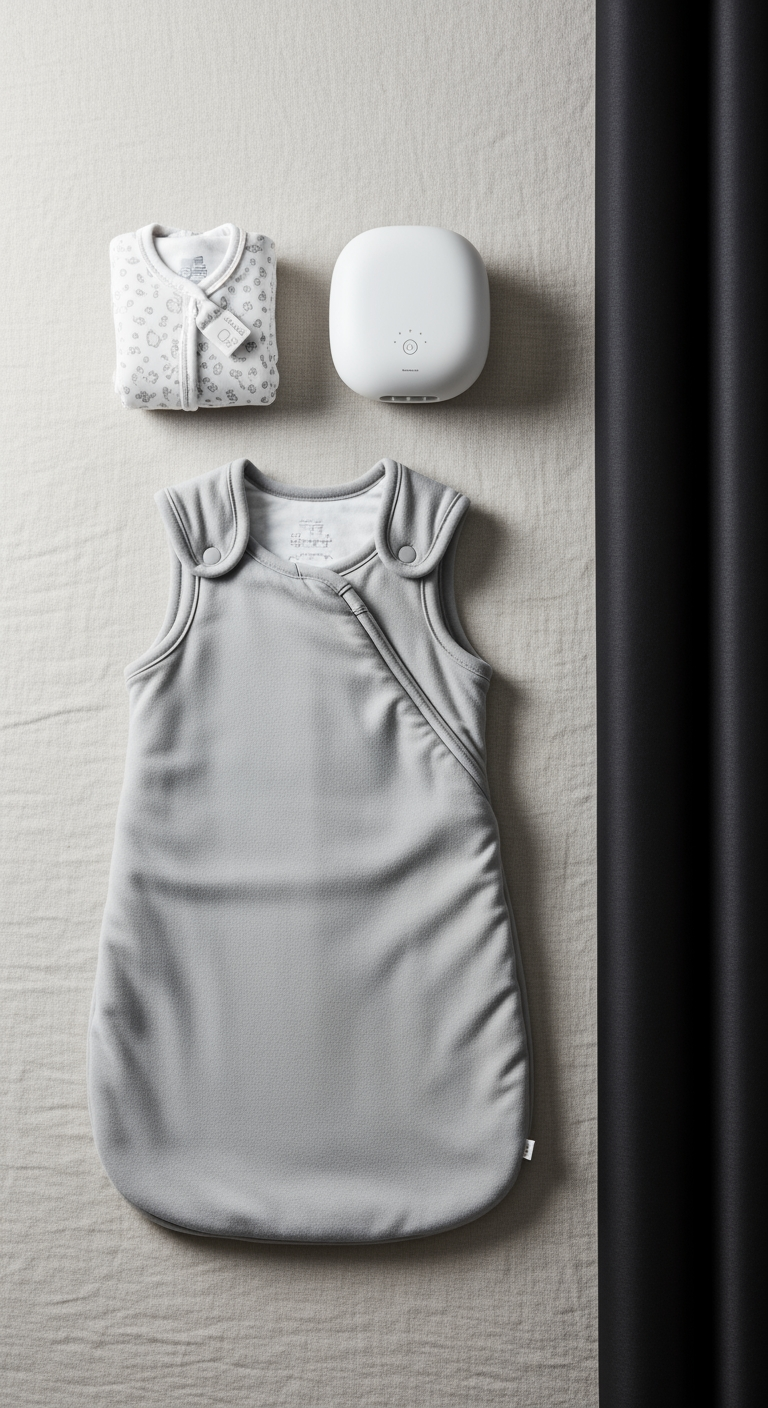
- Cornerstone 1: Master the Wake Window. An overtired or undertired baby will fight sleep no matter where they are. A wake window is the amount of time your baby can happily stay awake between sleeps. Respecting this window is the single most important factor. Think of sleep pressure like a balloon. When your baby is awake, the balloon slowly fills with 'sleepy air.' You want to put them down for a nap when the balloon is full, but not so full that it pops. A popped balloon results in an overtired, fussy baby who is much harder to settle. Watch your baby for sleepy cues like yawning, rubbing eyes, or staring into space. Put them down before they become frantic.
- Cornerstone 2: Create a Sleep Sanctuary. Your baby's sleep environment sends powerful signals to their brain. To encourage crib naps, the room must be optimized for sleep. The two most critical elements are darkness and continuous white noise. A pitch-black room helps the brain produce melatonin, the natural sleep hormone. Even small cracks of light can interfere with this process. Use blackout curtains or even temporary solutions like cardboard on the windows. A white noise machine should be played continuously throughout the nap. It mimics the sounds of the womb and, more importantly, blocks out sudden household noises that can startle a baby awake.
- Cornerstone 3: Build a Simple Nap Routine. Babies thrive on predictability. A short, consistent nap routine signals that sleep is coming. This does not need to be long or complicated. A simple 5-10 minute sequence is perfect. The key is to do the exact same things in the exact same order before every single nap. A great example is: go into the nursery, change the diaper, put on the sleep sack, read one short board book, turn on the white noise, sing one specific song, say your sleepy phrase like "It's sleepy time, I love you," and then place them in the crib. This routine becomes a powerful sleep association itself.
- Cornerstone 4: Make the Crib a Happy Place. If your baby only ever goes into the nursery and crib when it is time to be left alone to sleep, they can develop a negative association with the space. They might start crying the moment you walk through the door. To prevent this, spend short, happy, awake periods in the nursery throughout the day. Place them in the crib with a toy for a few minutes while you fold laundry nearby. Sing songs, play peek-a-boo through the bars. The goal is for them to see the crib as a safe, familiar, and even pleasant place, not just a place of separation.
Here is a general guide to age-appropriate wake windows. Remember that every baby is different, so watch your baby's unique cues.
| Baby's Age | Typical Wake Window |
|---|---|
| Newborn to 3 months | 45-90 minutes |
| 4-6 months | 2-3 hours |
| 7-9 months | 2.5-3.5 hours |
| 10-12 months | 3-4 hours |
| 13-18 months | 4-6 hours |
The Flexible Floor Plan: Choose Your Gentle Transition Path
There is no single "right" way to stop contact naps. The best method is one that feels manageable for you and suits your baby's personality. A sensitive baby may need a slower approach, while a more easygoing baby might adapt more quickly. This is why we offer a "Flexible Floor Plan" with three distinct, gentle pathways. Read through each one and choose the path that resonates most with your family. Remember, consistency is more important than perfection. Whichever path you choose, commit to it for at least a week to give it a fair chance.

Path 1 – The "Stair Step" Method (Slow & Steady)
This method is the most gradual and is perfect for parents who want to minimize crying as much as possible. It requires patience but can be very effective for sensitive babies. The core idea is to slowly decrease the amount of help you provide for falling asleep. You start by doing what you normally do: hold or rock your baby to sleep. But instead of holding them for the entire nap, you wait until they are in a deep sleep. You can tell they are in a deep sleep when their body is limp, their breathing is slow and regular, and you can lift an arm and it drops without resistance. This usually takes about 15-20 minutes. Then, you carefully transfer them to the crib. After a few successful days, you shorten the holding time. Maybe you hold them for just 10 minutes. Then 5. The goal is to walk down the "stairs" of support until you reach the floor: placing your baby down drowsy but awake.
This stair-step approach helps your baby slowly get used to the feeling of the crib mattress beneath them. It breaks the association that sleep *only* happens on a person. If they wake up during the transfer, it is okay. You can try again or decide to "rescue" the nap with a contact nap and attempt the transfer again at the next sleep. This method is all about building positive experiences with the crib, one small step at a time.
Path 2 – The "First Nap Focus" Method (Practice Makes Progress)
This method is highly effective and helps prevent the whole day from being derailed by nap struggles. The strategy is simple: you commit to attempting only the very first nap of the day in the crib. The first nap is the easiest target because your baby has the highest level of sleep pressure built up overnight. They are most primed for sleep at this time, which increases your chances of success. You perform your nap routine, place your baby in the crib (drowsy but awake), and see what happens. For all other naps of the day, you can continue to contact nap as usual. This ensures your baby gets the total daytime sleep they need and prevents them from becoming chronically overtired, which would sabotage all your efforts.
It is crucial to reframe your definition of success with this method. A 10-minute nap in the crib is a huge win. A 15-minute nap is a victory. The goal at first is not a long, restorative nap. The goal is practice. It is about giving your baby a low-pressure opportunity to learn this new skill. Once the first nap is consistently happening in the crib for a decent length (e.g., 45 minutes or more), you can then apply the same strategy to the second nap of the day, and so on. This approach breaks a big goal into small, manageable chunks.
Path 3 – The "Chair" Method (Parental Presence)
The Chair Method is a great option for parents who are comfortable with a little more protest but still want to remain present and reassuring. It is also suitable for slightly older babies who may have more separation anxiety. With this method, you complete your nap routine and place your baby in the crib fully awake. You then sit in a chair right next to the crib. Your job is to offer verbal and physical reassurance without picking your baby up. You can use shushing sounds, sing your song, and rest a hand on their chest. The goal is to be a calm, steady presence while they learn to fall asleep in their own space.
Every few days, you move the chair a little further away from the crib. First, to the middle of the room. Then to the doorway. Finally, you place the chair outside the door. This gradual withdrawal gives your baby the confidence that you are still nearby even when you are not touching them. It empowers them to take ownership of their sleep while knowing you are there to support them. This method directly teaches self-soothing skills while still providing a strong sense of security for your child.
Troubleshooting Common Hurdles: What to Do When…
The journey to independent napping is rarely a straight line. There will be good days and bad days. Knowing how to handle common setbacks will help you stay consistent and confident. Feeling prepared for these hurdles can make the difference between giving up and pushing through to success. Here are solutions to the most frequent challenges parents face when they stop contact naps. Remember to be patient with your baby and with yourself.

- …They Wake Up Instantly: You hold your baby until they are asleep, you execute a flawless transfer, and the moment their back touches the mattress, their eyes fly open. This is often caused by the Moro (or startle) reflex. The feeling of being laid down can feel like falling. To counter this, try a different transfer technique. Place your baby in the crib feet-first, then their bottom, then their torso, and their head last. This is a more grounded sequence. Once they are down, keep a firm, warm hand on their chest for a minute or two. This pressure provides security and can suppress the startle reflex. Slowly, slowly lift your hand once they have settled.
- …Naps Become Super Short (30 Mins): This is perhaps the most common and frustrating issue. Your baby wakes up after exactly 30 or 45 minutes, happy or crying. This is a sleep cycle wake-up. They have completed one cycle and do not yet have the skill to connect to the next one without your help. Do not rush in immediately. Practice "The Pause." Wait for 5-10 minutes to see if they can put themselves back to sleep. If they cannot, you have a choice. You can end the nap and adjust the next wake window, or you can "rescue" the nap. Rescuing the nap means picking them up and finishing the nap as a contact nap to ensure they get enough sleep. This is not a failure; it prevents overtiredness, which helps the next crib nap attempt go more smoothly.
- …They Cry the Moment You Enter the Nursery: If your baby starts crying as soon as you begin the nap routine or enter the sleep space, they have formed a negative association. They know what is coming—separation—and they are protesting it. The solution is to break this association by creating new, positive ones. As mentioned in the preparation phase, spend short, fun, non-sleep times in the nursery throughout the day. Play on the floor, read books in the rocking chair, and have little peek-a-boo games in the crib. The goal is to fill the room with happy, awake memories so it is not just the "place I get left alone."
- …You Feel Overwhelmingly Guilty: This is a real and powerful emotion. You worry that you are damaging your bond or abandoning your baby. It is crucial to reframe your thinking. You are not taking something away from your baby. You are giving them the incredible, lifelong gift of independent sleep skills. The time you gain from crib naps is not selfish. It is essential for your own well-being. A rested, recharged parent is a more present, patient, and engaged parent during wakeful hours. To maintain your close bond, focus on connection during awake time. Try baby-wearing, floor time without distractions, or a warm bath together. These activities provide that oxytocin boost for both of you.
Beyond Naps: What To Do When They Drop Naps But Still Need Rest
As your baby grows into a toddler, their sleep needs will change again. Most children stop napping completely between the ages of 3 and 5. However, dropping a nap does not mean they no longer need time to rest and decompress. Forcing a toddler who has outgrown naps to sleep can lead to power struggles. The next logical step in their sleep journey is introducing a structured "Quiet Time." This is a designated period each day, usually in the afternoon, where they play independently and quietly in their room.
Quiet time provides essential downtime for their busy brains. It helps with memory consolidation and emotional regulation, just as naps do. It also continues to give you a much-needed break in your day. The key is to make it a positive and predictable part of the daily routine. You can use a special "Quiet Time Bin" filled with engaging, low-energy activities that they only get to use during this time. This makes it feel like a treat, not a punishment.
| Activity Category | Examples for a "Quiet Time Bin" | Why It Works |
|---|---|---|
| Fine Motor Skills | Puzzles, soft stacking blocks, lacing cards | Engages focus and concentration without overstimulation. |
| Creative Play | Mess-free water coloring books, sticker scenes, magnetic drawing boards | Allows for creativity in a contained, low-energy way. |
| Auditory Rest | Audiobooks or story podcasts | Screen-free entertainment that encourages imagination and listening skills. |
| Calming Movement | Simple yoga pose cards for kids, looking at board books | Gentle movement or focused reading helps the body and mind wind down. |
Start with a short duration, maybe just 15 minutes, and gradually increase the time as your child gets used to the concept. Using a visual timer can help them understand when quiet time is over. This practice sets a wonderful foundation for independence and self-regulation that will serve them for years to come.
Your Next Steps to Nap Freedom
You are now equipped with the understanding, the tools, and the strategies to gently end contact naps. This is a journey, not a race. The most important thing you can do now is choose a path from the Flexible Floor Plan that feels right for you and your baby. Commit to it with as much consistency as you can muster for at least one full week before deciding if it is working.
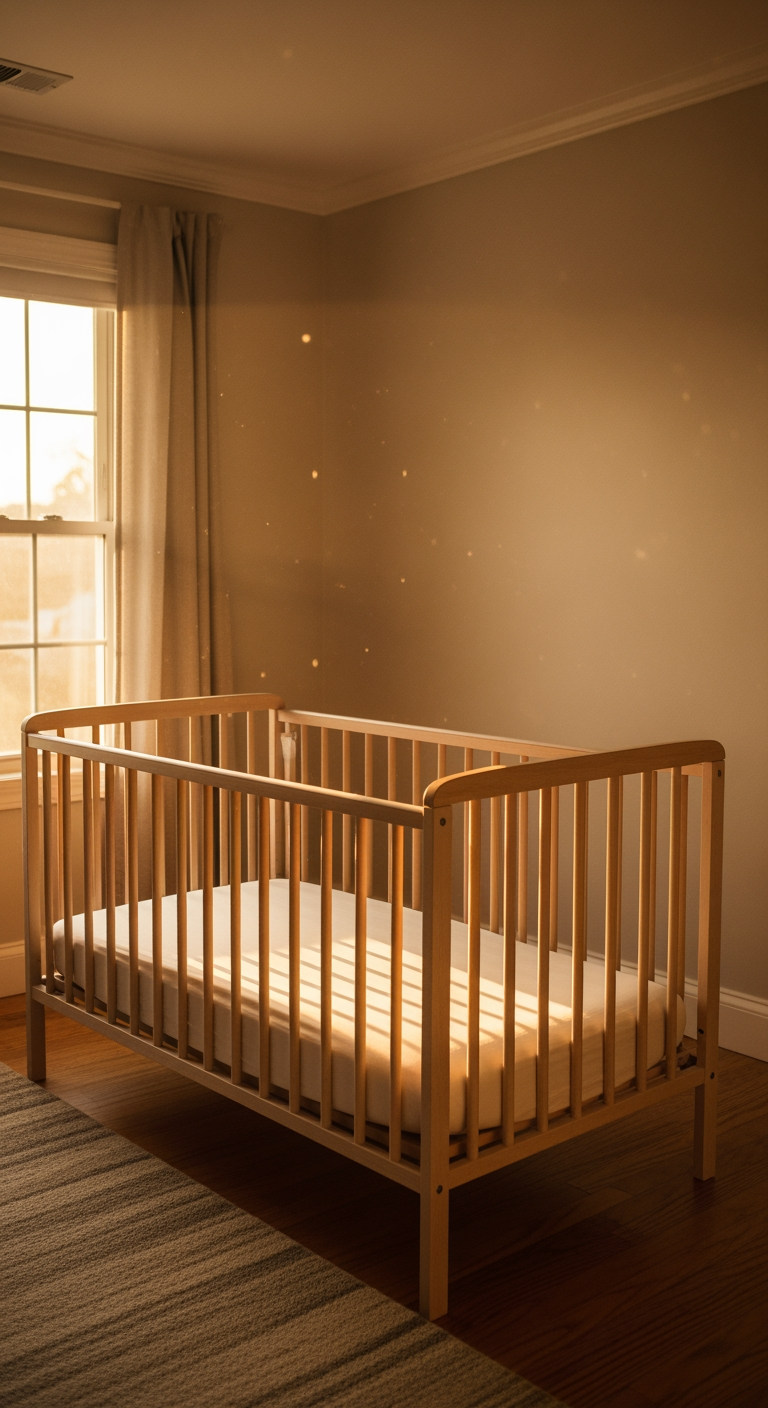
Remember to celebrate the small wins. A five-minute nap in the crib is progress. Placing your baby down without an instant protest is a success. Progress is not linear. You will have days where everything seems to click, followed by days that feel like a step backward. This is normal. Stay the course, trust the process, and be compassionate with yourself and your little one.
You are not just reclaiming time in your day; you are teaching your child a vital life skill. You are giving them the gift of restorative, independent sleep. By taking care of your own needs, you are ensuring you can be the best possible parent during all those wonderful, wakeful hours. You can do this.