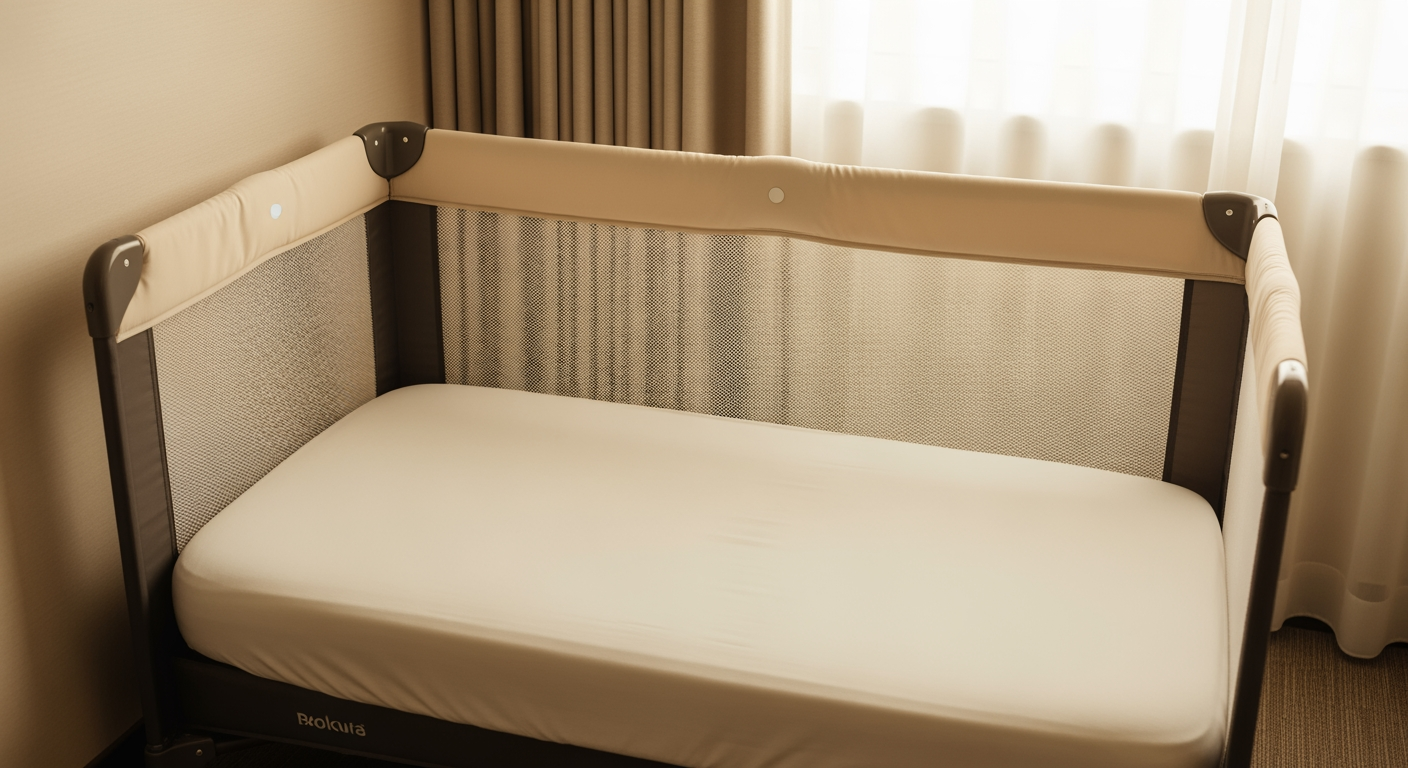
You have finally arrived at the hotel. The journey was long, you are tired, and your baby is fussy. A hotel staff member wheels in the requested pack and play. But a wave of anxiety hits you. It looks a little worn. Is it clean? More importantly, is it safe? This feeling is common for parents everywhere. You want your child to have a comfortable and secure place to sleep, but you are in an unfamiliar environment.
This guide is here to help. We will turn that feeling of stress into confidence. You do not need to spend hours worrying or inspecting. We have created a simple, step-by-step triage process. It takes just five minutes to check, clean, and prepare the hotel pack and play. Our checklist uses expert safety guidelines from the American Academy of Pediatrics (AAP) and the Consumer Product Safety Commission (CPSC).
Follow these quick steps. You can ensure your baby has a safe sleep space. This will give you peace of mind. And it will help everyone get a much-needed good night's rest during your trip.
Before You Leave: The 2-Minute Phone Call That Saves Headaches
A successful hotel stay with a baby begins before you even pack your bags. Many parents make a request for a crib during online booking. They assume this guarantees one will be waiting. However, this is often not the case. Most hotels treat these online notes as a request, not a reservation. Their supply of pack and plays is usually limited. They are often given out on a first-come, first-served basis. This can lead to a stressful situation where you arrive and find no safe sleep space is available for your child. A simple phone call can prevent this major headache.
Calling the hotel directly a week or two before your stay is the best strategy. This allows you to speak with a person at the front desk. You can confirm your need and ask important questions. This proactive step puts you in control. It helps you understand what to expect upon arrival. You can also learn about any potential costs. While most hotels offer cribs for free, some resorts or boutique hotels may charge a nightly fee. Knowing this in advance helps you budget and avoids surprises on your final bill. This two-minute conversation provides clarity and significantly reduces travel day stress. It is one of the most effective things you can do to ensure a smooth start to your vacation.
When you call, use this simple script to get all the information you need:
- Start by stating your purpose clearly. Say, "I am calling to confirm my reservation for [Your Name] on [Your Dates]. I need to add a pack and play to my room for my baby."
- Confirm the availability. Ask, "Can you please confirm this is a guaranteed reservation for the crib, not just a request?" This is the most important question. A 'yes' means they will hold one for you.
- Inquire about costs. Ask, "Is there a fee associated with using the crib?" This helps you avoid unexpected charges on your bill.
- Ask about the equipment type. Ask, "Can you tell me if you provide pack and plays with mesh sides or the older, solid wood or metal cribs?" This helps you know what to expect. Mesh-sided pack and plays are more common and must meet modern safety standards.
If the hotel cannot guarantee a crib, you have time to make a backup plan. You could decide to bring your own lightweight travel crib. Another great option is to search for a local baby gear rental service, like BabyQuip. These services can deliver a clean, safe, and fully insured crib directly to your hotel. This ensures you have what you need, no matter what. Taking this small step before your trip is a powerful way to protect your family's sleep and your own peace of mind.
The 5-Minute Triage: Your Hotel Room Safety & Setup Checklist
The pack and play has arrived at your door. Now is the time for your quick but crucial inspection. This is not the time to assume everything is fine. Hotel equipment goes through many uses and transportation. Its condition can vary greatly. This five-minute triage is your action plan. It is designed to be performed quickly, even when you are tired and your baby is waiting. Follow these steps in order. A safety check must always come before cleaning. If the unit is unsafe, there is no point in sanitizing it. This process will walk you through the inspection, help you decide if the crib is usable, and show you how to clean and set it up for a safe night's sleep.
Step 1: The Frame & Structure Inspection (60 seconds)
First, focus on the foundation of the pack and play: its frame and structure. A stable frame is non-negotiable for safety. Start by setting it up on a flat surface in your room. Pull up on the four top rails. Each one should lock into place with a firm, audible "click." If a rail feels mushy or does not lock securely, it is a major structural failure. Do not use it. Once the rails are locked, push down on the center of the floor to pop it into place. Now, give it a good shake. Grab the top rails and try to wobble the unit. A safe pack and play will feel sturdy and solid. Excessive swaying or rattling is a red flag.
Next, perform a visual and tactile inspection. Look over all the plastic components. Check for any cracks, sharp edges, or broken pieces. Run your hands along the mesh siding. You are looking for any tears, holes, or snags. A hole larger than a quarter of an inch (about the size of a pen tip) is a hazard. A baby's small fingers, buttons, or pacifier clips could get caught. Also check where the mesh attaches to the frame. It should be securely connected with no fraying or separation. Finally, look at the legs and locking mechanisms for any signs of rust or damage. A well-maintained unit will be free of these issues.
Step 2: The Mattress & Sheet Safety Check (60 seconds)
The sleep surface is the most critical part of the safe sleep environment. The American Academy of Pediatrics has clear guidelines. A baby must sleep on a firm, flat surface. When you receive the hotel pack and play, look at the mattress. It should be the original mattress that came from the manufacturer. It will likely feel thin and hard to you. This is correct and intentional. It is designed to be firm to prevent suffocation. Never accept a pack and play if the hotel has replaced the mattress with a softer, thicker, or ill-fitting one. This is extremely dangerous.
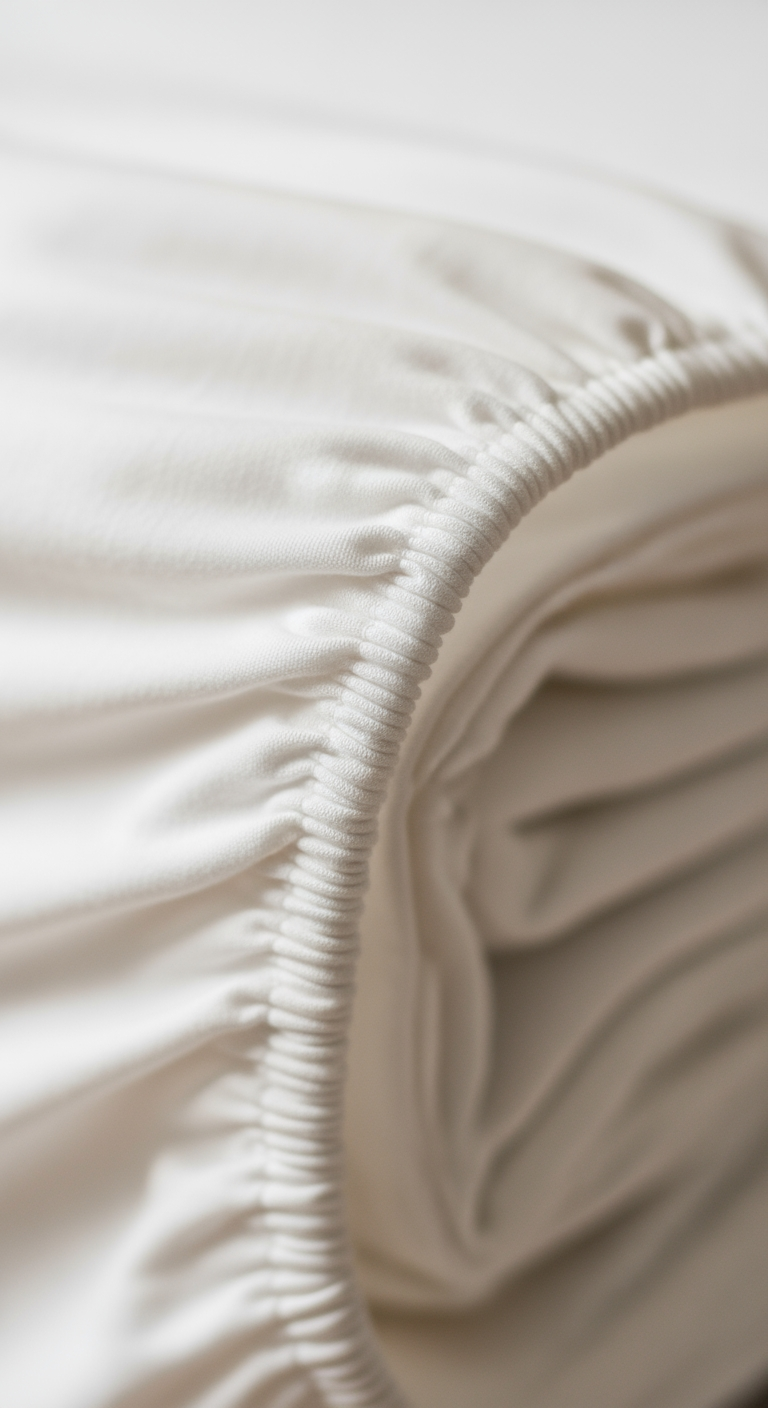
The fit of the mattress is just as important as its firmness. Place the mattress inside the pack and play. It must fit snugly against all four sides. There should be no gaps. A simple test is to use your fingers. Try to push your fingers between the edge of the mattress and the mesh wall. If you can fit more than two fingers into a gap, the mattress is too small. This creates a serious entrapment hazard where a baby could get stuck. Finally, check the sheet. The only safe covering is a fitted sheet made specifically for a pack and play. Never use a loose blanket or an adult-sized sheet tucked underneath. It can come loose and pose a suffocation risk.
Step 3: The "Go/No-Go" Decision
After your two-minute inspection, you must make a clear decision. Is this pack and play safe to use, or not? This is a simple binary choice. There is no middle ground when it comes to your child's safety. If you found any major issues, the answer is an immediate "No-Go." Do not try to fix a broken part. Do not convince yourself a small gap in the mattress is okay. The risks are far too high.
Here are the clear deal-breakers for a "No-Go" decision: a wobbly frame or a rail that won't lock; any cracks in the plastic structure; tears or large holes in the mesh siding; or a mattress that is soft, lumpy, or leaves a gap along the sides. If you encounter any of these problems, call the front desk immediately. State the issue clearly. For example: "The pack and play you delivered is unsafe. The mattress does not fit correctly and leaves a dangerous gap." Request a replacement. If they have another one, ask them to bring it so you can inspect it as well. If the hotel has no safe replacements, you must move to your backup plan. This could be using a rental service you researched or, as a last resort, creating a safe pallet on the floor. A safe floor bed is simply a firm cushion or folded blankets placed on the floor, far from any walls, furniture, or cords.
Step 4: Sanitization Station (90 seconds)
If the pack and play passed your safety inspection, it's time to clean it. Do not assume the hotel's cleaning process was thorough or used baby-safe products. Hotel staff may use harsh industrial chemicals. Residue from these cleaners can irritate a baby's sensitive skin or be ingested. You need to distinguish between cleaning and sanitizing. Cleaning removes visible dirt and grime. Sanitizing kills invisible germs and bacteria. You should do both. This is where your pre-packed cleaning supplies come in handy.
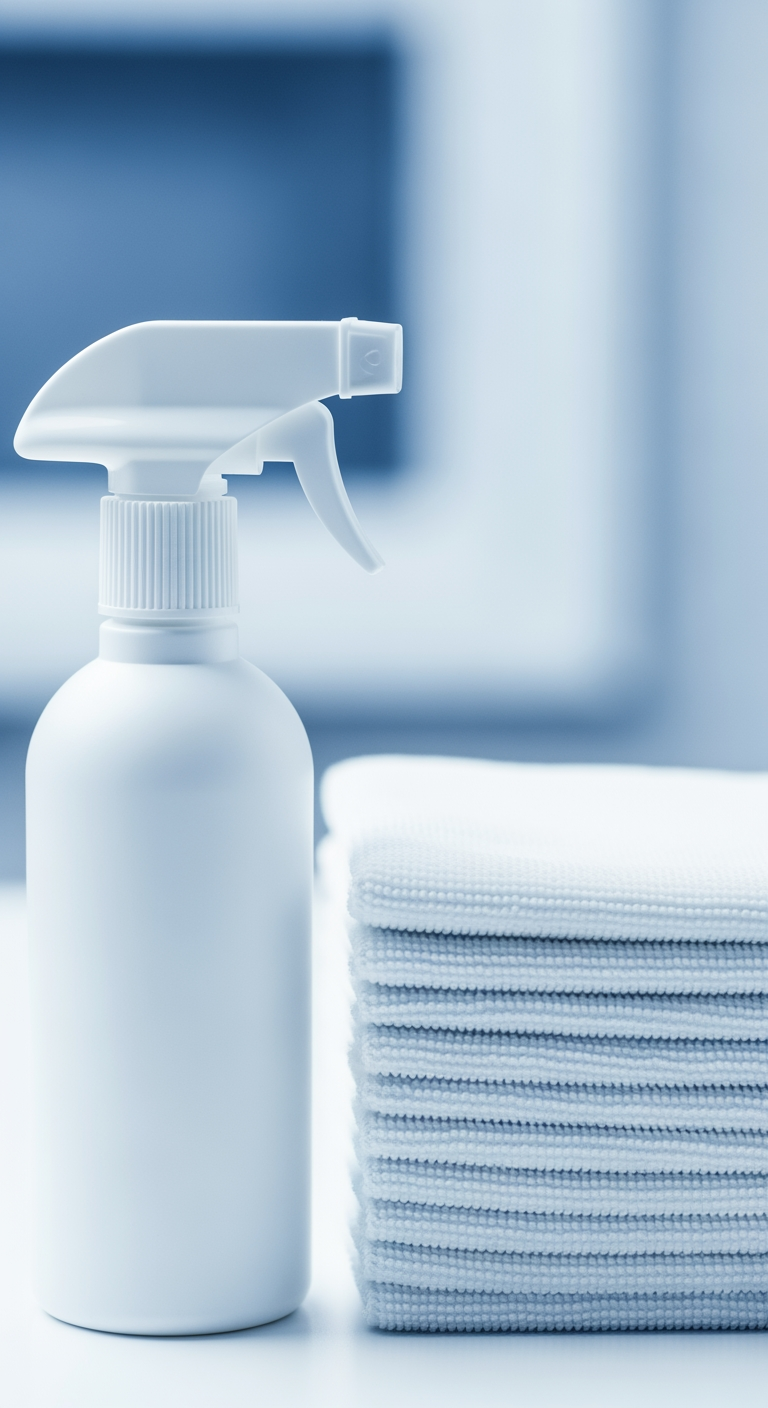
Start with the hard surfaces. Use your travel pack of baby-safe disinfecting wipes. These are formulated to be non-toxic and gentle. Thoroughly wipe down the entire top rail, the plastic corners, and the legs. Babies love to chew on these rails, so this step is critical. Next, address the fabric and mesh. Mix a small amount of mild, non-toxic soap with water. Dip a cloth in the soapy water, wring it out, and gently wipe down the mesh sides and the surface of the mattress. Then, take a second clean cloth, dampen it with plain water, and wipe all the surfaces again. This "rinses" away any soap residue. Finally, let the pack and play air dry completely before putting any sheets on it. This prevents moisture from getting trapped, which could lead to mildew.
Step 5: Safe & Cozy Setup (30 seconds)
The final step is the setup. Here, the guiding principle is the AAP's "Bare is Best" rule. This is the simplest and safest way to prepare any crib. It means that nothing should be in the pack and play except for three things: the firm mattress, a fitted sheet, and your baby. It can be tempting to add blankets or soft toys to make it seem cozier. You must resist this urge. These items are suffocation hazards and have no place in a safe sleep environment. The firm, flat surface is the gold standard for safety.
You can still add comfort safely. The best way to do this is with your choice of sheet and sleepwear. Use a soft, well-fitting pack and play sheet. Bringing one from home is a great idea. It ensures you have a clean sheet that fits correctly. It also carries the familiar scent of home, which can be very comforting for a baby in a new place. To keep your baby warm, use a sleep sack. A sleep sack is a wearable blanket. It provides warmth without the danger of loose bedding. Dress your baby in a layer appropriate for the room's temperature, then place them in the sleep sack. Lastly, position the pack and play in the safest spot in the room. This means away from windows with blind cords, lamps, and any furniture they could use to climb out.
What to Pack: Your "Hotel Sleep Success" Kit
Traveling with a baby often feels like you are packing your entire house. However, a few small, specific items can make a huge difference in ensuring sleep success and safety. Packing a dedicated "sleep kit" means you will be prepared for any situation you encounter with a hotel pack and play. You will have the tools on hand to clean the equipment properly and make it a comfortable, safe space for your little one. This preparation transforms you from a worried parent into a confident problem-solver. It removes the guesswork and allows you to quickly implement the steps in our triage checklist. For a trip in 2026 and beyond, where travel is common, having this kit ready will make every hotel stay smoother.
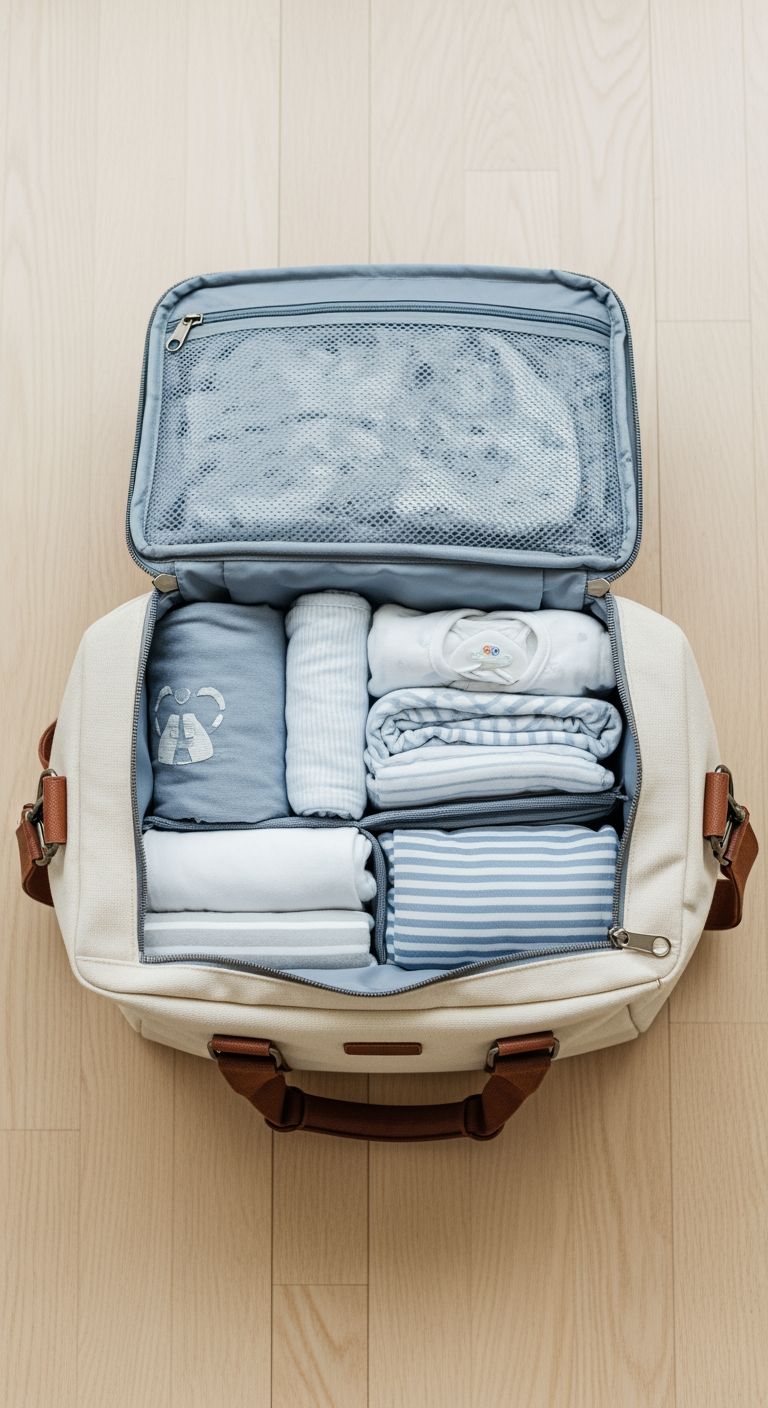
This kit does not need to be large or heavy. Each item serves a specific purpose, directly addressing the challenges of using shared baby gear. Think of it as your travel insurance for good sleep. Here is a simple checklist of what to include in your luggage:
- Travel-size pack of baby-safe disinfecting wipes: These are essential for Step 4 of your triage. They allow you to quickly sanitize all hard surfaces without worrying about harsh chemical residue.
- One or two pack and play-specific fitted sheets: This is a non-negotiable item. Bringing your own guarantees cleanliness. It also ensures a snug, safe fit. A sheet with the familiar scent of your laundry detergent can also help your baby settle more easily.
- Temperature-appropriate sleep sacks: Hotels can have unpredictable thermostats. Packing a lightweight and a warmer sleep sack gives you options. This is the only safe way to keep your baby warm without using dangerous loose blankets.
- A portable white noise machine: Hotel rooms can be noisy. A white noise machine helps drown out sounds from hallways, elevators, and adjacent rooms. This creates a consistent auditory environment that promotes longer, more restful sleep.
- Optional – A SlumberPod or similar blackout tent: For families sharing one hotel room, these can be a lifesaver. A SlumberPod is a breathable, blackout canopy that fits over the pack and play. It creates a dark, private, and distraction-free sleep zone for the baby, even if the lights are on in the room. This allows parents to have some evening time without sitting in the dark.
Assembling this small collection of items before your trip is an investment in your family's well-being. It empowers you to handle the most common issues with hotel-provided cribs. Instead of feeling helpless or anxious, you will have a solution for every step of the process, from sanitizing to creating a cozy and safe sleep space. This proactive approach is the key to a more relaxing and enjoyable travel experience for everyone.
What This Means for Your Family's Sleep
Traveling with a baby introduces many unknowns. The question of where your child will sleep safely should not be one of them. A hotel pack and play can be a perfectly safe and CPSC-approved sleep space. However, its safety is not guaranteed. The responsibility for ensuring its condition rests with you, the parent. The quality and maintenance of this equipment are highly variable from one hotel to the next. Your vigilance is the key that unlocks a safe sleep environment.

By following a simple, repeatable process, you can eliminate the risks. It boils down to three core actions. First, call ahead to confirm and guarantee your crib. Second, perform the 5-minute inspection immediately upon its arrival in your room. Third, sanitize it and set it up following the "Bare is Best" principle. These steps are your shield against broken equipment, unhygienic surfaces, and unsafe sleep practices.
Taking these few minutes to prepare the pack and play does more than just protect your child. It gives you confidence and control in an unfamiliar setting. This peace of mind is invaluable. It allows you to relax. It helps your baby get the restorative sleep they need to be happy and healthy on your trip. And when your baby sleeps well, the entire family rests easier. You can then focus on what truly matters: making wonderful memories together.