You are exhausted. Every night feels like a battle for sleep. You know something needs to change, but the idea of letting your baby cry alone feels wrong. Many parents feel this way. They want more rest but are not comfortable with traditional cry-it-out methods. This struggle is common and completely understandable.
Thankfully, there is a middle ground. The gentle check-in sleep method offers a balanced and responsive path. It helps you teach your baby independent sleep skills. At the same time, it allows you to provide comfort and reassurance. You do not have to choose between your baby's needs and your own need for sleep.
This guide will walk you through every step of the process. We will show you exactly how to use the gentle check-in method. You will learn how to prepare for success. We will cover how to customize it for your unique baby. You will also get a framework for solving common problems. Get ready to build a foundation for peaceful nights.
What Is the Gentle Check-In Method (and Is It the Same as Ferber?)
The gentle check-in sleep method is a responsive sleep training approach. Parents put their baby to bed drowsy but still awake. If the baby cries, the parent returns for brief, calming check-ins. These check-ins happen at set, gradually increasing intervals. The main goal is to teach the baby to fall asleep on their own. The method provides support and security, helping the baby feel safe during the learning process. It is a popular middle path between very hands-on approaches and leaving a baby to cry alone.
You might have heard other names for this technique. It is often called the "Check and Console" method. It is also known as "Graduated Extinction" or "Controlled Crying." Dr. Richard Ferber popularized a version of this method, so many people simply call it the "Ferber Method." While the names differ slightly, the core principle is the same: providing timed reassurance while giving your baby space to learn self-soothing skills. This makes it different from "Cry It Out" (CIO), where parents do not return to the room at all. It also differs from "No-Tears" methods, which focus on preventing all crying from the start.
It is vital to have realistic expectations. The word "gentle" does not mean "no crying." Crying is a baby's main way to communicate. They may cry out of frustration as they learn this new skill. The goal is not to stop the crying entirely. Instead, the goal is to support your baby through the crying. Your check-ins show them they are not alone and that you are there for them. This reassurance is what helps them calm down enough to practice falling asleep independently.
Think of it like teaching your child to ride a bike. At first, you hold onto the back of the seat. You let go for a few seconds to let them find their balance. This is like the interval between check-ins. If they start to wobble, you grab the seat again to steady them. This is the check-in. You are not holding on the entire time, which would prevent them from learning. But you are also not letting them crash. You provide just enough support to help them succeed on their own. This balanced approach empowers them while making them feel secure.
The 4-Step Prep: What to Do Before You Start
Success with any sleep training method often depends on the preparation. Before you begin your first night of check-ins, it is crucial to set the stage. Think of this as "Day 0." Taking the time to complete these steps can make a huge difference in how smoothly the process goes. A solid foundation helps your baby understand new expectations. It also ensures you feel confident and prepared for the nights ahead. These four steps are essential for creating the best possible conditions for learning healthy sleep habits.
- Solidify the Bedtime Routine: A consistent, calming routine is a powerful signal to your baby's brain. It tells them that sleep is coming. This routine should be about 20-30 minutes long. It needs to be predictable and happen in the same order every single night. A great example is a warm bath, followed by putting on pajamas, having a final feeding, and then reading a short book or singing a quiet song. This sequence becomes a comforting ritual that helps your baby wind down and feel secure before being placed in the crib.
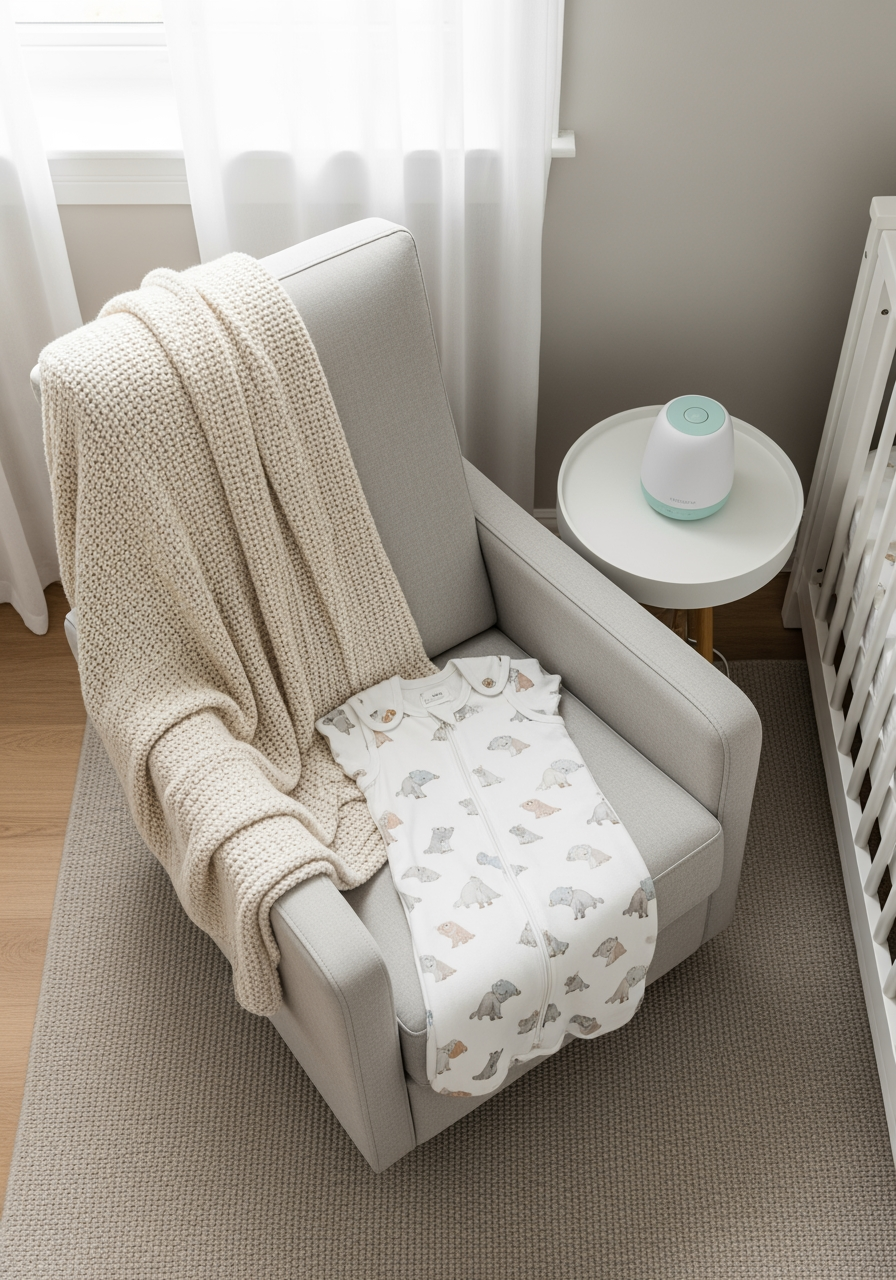
- Optimize the Sleep Environment: The room where your baby sleeps should be a cave. It needs to be pitch black to encourage melatonin production, the sleep hormone. Use blackout curtains to block all outside light. The room should also be cool, ideally between 68-72°F (20-22°C). Finally, use a white noise machine. This helps block out sudden household sounds that can startle a baby awake. A consistent sound environment is just as important as darkness for uninterrupted sleep.
- Confirm Developmental Readiness: Not all babies are ready for sleep training at the same age. Most pediatric experts, including the American Academy of Pediatrics, agree that babies are typically ready between 4 and 6 months old. By this age, they are often capable of learning to self-soothe. Their Moro (startle) reflex has usually faded. They may also be able to go for longer stretches at night without needing to eat. It is very important to talk to your pediatrician before you start any new sleep plan. They can confirm your baby is healthy and developmentally ready.
- Align with All Caregivers: Consistency is the single most important factor for success. You, your partner, and any other caregivers must be on the same page. Everyone needs to agree on the plan before you start. Discuss your starting intervals. Decide how you will handle night wakings. Talk about what to do if one of you feels overwhelmed. Being a united team will prevent confusion for your baby. It will also provide you with the support you need to stick with the plan, even on tough nights.
By completing these four steps, you are not just hoping for the best. You are actively creating a strategy for success. This preparation reduces stress for both you and your baby. It makes the transition to independent sleep feel more manageable and deliberate. Once your foundation is set, you are ready to begin the process with confidence.
The Gentle Check-In Method: A Night-by-Night Walkthrough
With your preparation complete, you are ready to start. This section provides a clear, actionable guide to implementing the method. Remember that consistency is key. The process might feel challenging at first, but many parents see significant improvement within three to seven nights. Trust the process, trust your baby, and trust yourself. This walkthrough will break down exactly what to do.

The Core Process
The entire method hinges on a simple, repeatable sequence. After you finish your calming bedtime routine, you will place your baby in their crib. The goal is to put them down when they are drowsy but still awake. This is a critical step. It allows them to become aware of their surroundings before they fall asleep. This awareness helps them learn to fall back asleep on their own if they wake up later. Once your baby is in the crib, say a consistent goodnight phrase like, "I love you, time to sleep." Then, leave the room.
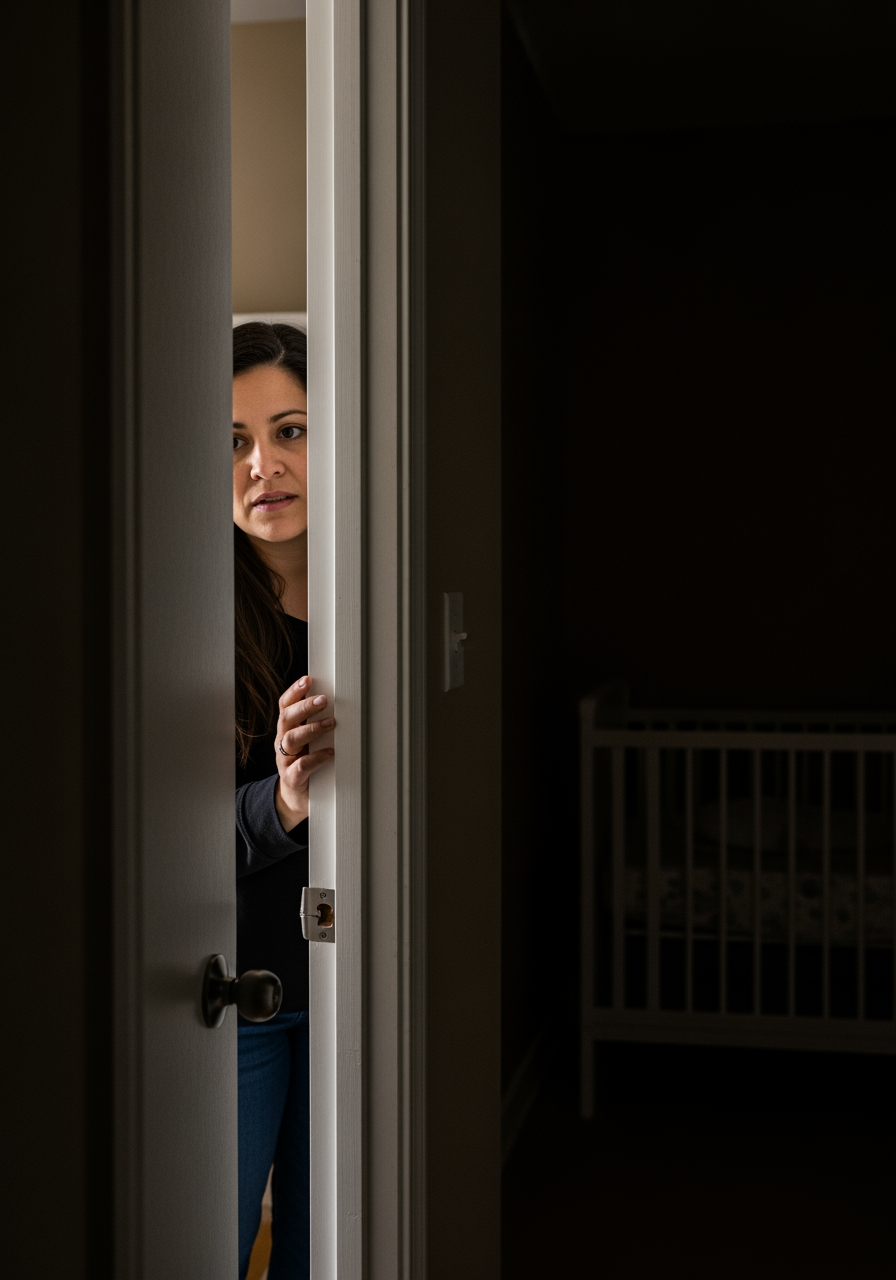
If your baby starts to cry or fuss, this is when the clock starts. You will wait for your first planned interval to pass before you go back in to check on them. This waiting period is the hardest part for most parents. However, it is also the most important part. It gives your baby the opportunity to try and settle themselves. Sticking to the plan is essential for them to understand the new routine. The full
The Check-In Itself
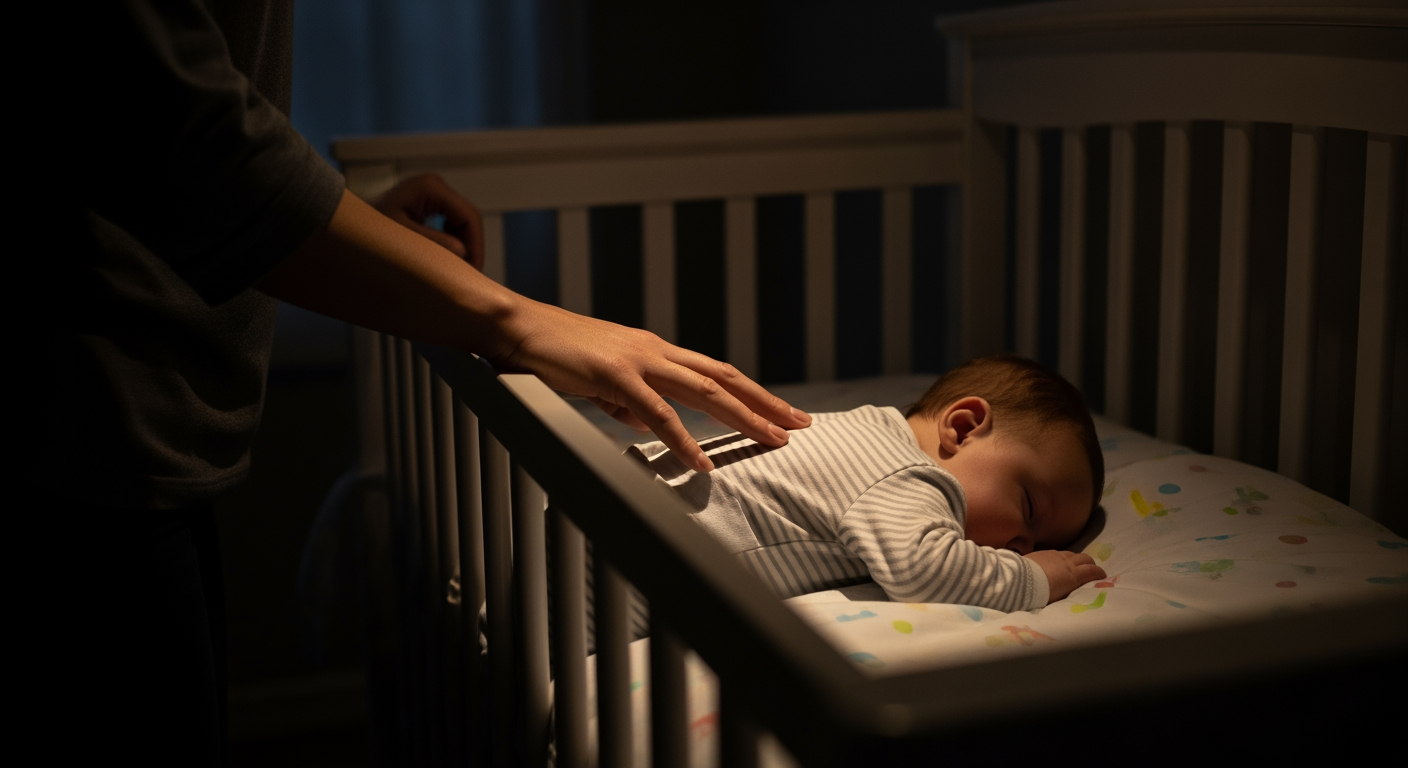
When the timer goes off, you will go in for your check-in. The purpose of the check-in is reassurance, not stimulation. It should be brief and boring. Aim for a maximum of one to two minutes. Your job is to let your baby know you are still there and that they are safe. It is not your job to stop the crying or put them to sleep. Use a calm, quiet voice. Repeat your goodnight phrase. You can give a gentle pat on their back or tummy.
It is very important to avoid picking your baby up during the check-in. Picking them up can be confusing and can undo the learning process. If your baby is standing, you can gently lay them back down once. However, do not get into a game of laying them down repeatedly. They will learn to lie down on their own. After your brief, calming check-in, leave the room again, even if they are still crying. The next waiting interval will now begin.
The Interval Schedule (Customizable)
The core of this method is gradually increasing the time between your check-ins. This gives your baby more time to practice self-soothing as the nights go on. The chart below is a common starting point. However, it is not rigid. You can and should adjust it based on your baby's temperament and your own comfort level. The exact minutes are less important than the principle of gradual increase and consistency. If the starting times feel too long, you can start with shorter intervals, like 1, 2, and 3 minutes.
| Check-in Sequence | Night 1 | Night 2 | Night 3 | Night 4+ |
|---|---|---|---|---|
| First Check-in | 3 min | 5 min | 7 min | 10 min |
| Second Check-in | 5 min | 7 min | 10 min | 12 min |
| Subsequent Checks | 10 min | 10 min | 12 min | 15 min |
You continue this pattern of waiting and checking until your baby falls asleep. If they wake up in the middle of the night, you restart the process using that night's interval schedule. For example, on Night 2, your first check-in after a night waking will be after 5 minutes.
Troubleshooting Common Challenges
Even with perfect preparation, you may encounter challenges. This is normal. Every baby is different. Understanding common issues can help you stay confident and adjust your approach as needed. This section addresses the most frequent questions and concerns parents have. It will help you figure out if what you are seeing is a normal part of the process or a sign you need to change something.

- "What if the check-ins make my baby angrier?" This is a very common concern. For some babies, the parent's presence is overstimulating. Seeing you leave again can increase their frustration and crying. If you notice crying gets much worse right after you leave, your check-ins may be part of the problem. First, try making the check-in even shorter and more boring. A quick verbal reassurance from the doorway might be enough. If that still makes things worse after two nights, this specific method might not suit your baby's temperament. There are many effective cry it out alternatives to consider. For some babies, a more hands-on approach is needed. The pick up put down method offers more physical comfort while still encouraging independent sleep.
- "What about night wakings and feedings?" When your baby wakes in the night, you restart the check-in process from the beginning of that night's interval schedule. If your baby still needs a night feeding, have a plan. Decide ahead of time on a feeding window (e.g., no feeds before 2 AM). If they wake up crying before that time, use the check-in method. If they wake up during the feeding window, feed them immediately. Keep the feeding calm and boring, then place them back in the crib awake. If they cry after being put back down, you would then start the check-in process.
- "Is this an extinction burst or is it failing?" Sometimes sleep gets worse before it gets better. This is called an "extinction burst." It often happens around night three or four. The baby makes one last, big protest before accepting the new routine. If the first couple of nights showed some progress (e.g., less crying time), a bad night is likely an extinction burst. Stick with the plan. However, if crying time consistently increases every night for four or more nights, the method may not be the right fit. It could be time to reassess and consider a different approach.
- "How do I handle naps?" Nighttime sleep and daytime sleep are controlled by different parts of the brain. For this reason, it is often best to focus on mastering nighttime sleep first. Once nights are going well for about a week, you can apply the same check-in logic to naps. Be prepared that naps can be more challenging. The drive to sleep is lower during the day. Stay consistent, and the skills your baby learned at night will eventually transfer to their naps.
Being prepared for these issues helps you respond calmly and consistently. Remember that you can always adjust your plan. If you and your partner want to combine methods, be careful. Inconsistency is the biggest risk. It can confuse your baby and prolong the process. It is usually best to choose one method and stick with it for at least a week before making changes.
Your Next Steps for Peaceful Nights
You now have a complete roadmap for the gentle check-in sleep method. The keys to success are simple but powerful. Be consistent with your chosen plan. Maintain a solid, predictable bedtime routine. Most importantly, trust the process and your ability to guide your child.
Remember that gentle sleep training is about teaching a valuable new skill. It is done with responsiveness and love. Some crying can be a natural part of your baby learning and protesting change. With this method, you are supporting them through that process, not abandoning them. Your presence, even briefly, makes a world of difference.
As you move forward, celebrate the small wins. Did your baby fall asleep faster tonight? Did they have one less wake-up? These are signs of progress. Be patient with your baby and with yourself. You are giving your entire family the incredible gift of healthy, independent sleep. Peaceful nights are within your reach.