The house is quiet, but sleep feels miles away. You are exhausted. Your baby is exhausted. You have heard about sleep training, but the idea of letting your infant 'cry it out' feels wrong. It goes against your instincts to comfort your child. This conflict leaves many parents feeling guilty, anxious, and deeply tired. You want your family to get the rest it needs. But you are not willing to sacrifice your connection with your baby to get there.
You are not alone in this feeling. The good news is that 'cry it out' is not the only option. A world of gentle, responsive sleep training exists. These methods help you teach your baby valuable sleep skills. They do so while providing comfort and reassurance. This approach honors your bond with your child. It allows you to respond to their needs while gently guiding them toward independent sleep.
This guide will show you the way. We will explore proven cry it out alternatives that work. You will learn about different methods, from very gradual approaches to more structured ones. More importantly, you will get the tools to choose the best method for your baby's unique personality and your family's comfort level. Prepare to find a path to better sleep that feels right for you.
Setting the Stage: What "Gentle Sleep Training" Really Means
Before we explore specific methods, we need to understand a key idea. The term "no-cry" or "no-tears" sleep training can be misleading. It sets an unrealistic expectation for both parents and babies. Changing any habit, especially a sleep habit, often comes with some protest. Crying is your baby's main way of communicating. They might cry because they are frustrated, confused by the new routine, or simply tired. It does not automatically mean they are feeling abandoned or traumatized.

Gentle sleep training is not about eliminating all crying. It is about how you respond to it. Instead of leaving your baby to cry alone, these methods encourage you to be present and supportive. You offer comfort and reassurance while holding a boundary that helps them learn. The goal is to minimize distress and crying, not to pretend it will never happen. Research shows that sleep training methods that involve parental support do not cause long-term harm to a child's attachment or emotional health. Your loving presence makes all the difference. It teaches your baby that you are there for them, even when you are helping them learn a new, hard skill.
Think of it like teaching your child to ride a bike. The 'cry it out' approach is like letting go of the bike and letting them figure it out on their own. They might fall and get scared before they succeed. A gentle approach is like jogging alongside them. You hold onto the seat, offering stability. You let go for a few seconds at a time, letting them feel their own balance. You are right there to catch them if they wobble too much. They might still feel frustrated or a little wobbly, but they know you are there. This supportive process builds their confidence until they can pedal away on their own. Gentle sleep training works the same way. You provide support as you gradually reduce your role in them falling asleep.
It is also vital to create a safe sleep environment. The American Academy of Pediatrics (AAP) updated its guidelines in 2022 to protect infants. Always place your baby on their back for sleep, on a firm, flat surface like a crib mattress with only a fitted sheet. Keep the crib free of soft bedding, bumpers, and toys. The AAP also recommends room-sharing (but not bed-sharing) for at least the first six months. A safe space is the first step in any successful sleep plan. These guidelines are the foundation upon which you can build healthy sleep habits. When your baby is in a safe environment, you can feel more confident implementing these gentle strategies. The goal is to combine a safe space with a responsive technique, creating a holistic approach to infant sleep.
Quick Comparison: Which Gentle Method Fits Your Family?
Choosing a sleep training method is not a one-size-fits-all decision. The best approach depends on several factors. These include your baby's age, their unique temperament, and your own personality as a parent. A method that works wonders for one family might be a poor fit for another. Understanding these differences is the key to choosing a plan you can stick with. Before we dive deep into each technique, this quick comparison will help you see how they stack up. It acts as a starting point to identify which methods might align best with your family's needs.

Consider your baby's temperament. Is your baby highly sensitive and easily overwhelmed by change? A very gradual method might be best. Is your baby calmed simply by knowing you are in the room? The Chair Method could be a great fit. Or does your baby need physical touch to settle down? Pick-Up/Put-Down might be the answer. At the same time, consider your own capacity. Do you have the patience for a method that could take several weeks? Or do you need a more structured plan with clear rules? Being honest about your own personality is just as important as observing your baby's. Using a method that feels unnatural to you will make it harder to be consistent, and consistency is the most important ingredient for success.
The table below outlines the core differences between the most popular cry it out alternatives. We have also included the Ferber method as a point of contrast. While it involves more crying than the other methods listed, it is still a gradual approach compared to full extinction 'cry it out'. Use this chart to get a high-level view. Then, read the detailed sections that follow to understand the nuances of the methods that seem most promising for you.
| Method | Best For Ages | Baby's Temperament | Parent's Personality | Typical Duration |
|---|---|---|---|---|
| The Fading Method | 4+ months | Prefers gradual change; can be sensitive. | Patient; prefers the least amount of crying possible. | 2-4+ weeks |
| The Chair Method | 6+ months | Calmed by parental presence, but not overly stimulated by it. | Consistent; can handle being present without intervening. | 1-3 weeks |
| Pick-Up/Put-Down | 4-8 months | Needs physical reassurance to calm down. | Very patient; not easily frustrated by repetitive actions. | 1-3+ weeks |
| The Ferber Method | 6+ months | Gets more stimulated/frustrated by a parent in the room. | Needs clear rules and structure; can handle timed crying. | 3-7 days |
| Wake-and-Sleep | 0-4 months | Newborns learning initial sleep associations. | Proactive; wants to build good habits from the start. | Ongoing |
Remember, this table is a guide, not a rigid rulebook. It is possible to combine elements of different methods. For example, you might use the Chair Method at bedtime but find that a quick Pick-Up/Put-Down works better for a middle-of-the-night waking. The key is to listen to your baby and trust your instincts. Flexibility is a strength in parenting. If a method is making everyone more stressed after a week of consistent effort, it is okay to reassess and try a different approach that may be a better fit.
Method 1: The Fading Method (The "Slow and Steady" Approach)
The Fading method, also known as FIO (Fading-In and Out), is often considered the gentlest of all sleep training techniques. Its core philosophy is to make changes so gradually that your baby barely notices them. This approach is ideal for parents who are very anxious about crying and for babies who are particularly sensitive to sudden shifts in their routine. Instead of an abrupt change, you slowly 'fade out' your sleep support over a period of weeks. You start with what your baby is used to—be it rocking, nursing, or patting to sleep—and then methodically do a little bit less each night. This slow reduction in support helps your baby build sleep independence step by step, without feeling like their source of comfort has suddenly vanished. It respects the sleep associations they currently have and gently replaces them with new, more independent ones. The goal is a peaceful transition to self-soothing.
How It Works
The Fading method is a process of subtraction. You identify all the ways you help your baby fall asleep and then slowly remove those layers of support. The key is to go at a pace that both you and your baby are comfortable with. There is no set timeline; you move to the next step only when your baby has adjusted to the current one. This is a journey of patience and observation. Understanding how to gently teach your baby to self-soothe a step at a time is the foundation of this method. Below is a general sequence, but remember to adapt it to your specific situation.
- Start with your current routine. For the first few nights, do not change anything. Simply support your baby to sleep as you normally do. This establishes a baseline.
- Make the first small reduction. If you rock your baby to sleep, try rocking for a shorter amount of time. If you rock for 15 minutes, reduce it to 12. If you nurse to sleep, try unlatching just before your baby is fully asleep.
- Place your baby down drowsy but awake. This is a major goal. After a few nights of reduced support, the next step is to place your baby in their crib while they are sleepy but still conscious. You might keep a hand on their chest or make shushing sounds to help them transition.
- Continue reducing your presence. Once your baby can fall asleep from a drowsy state, you can start fading out your remaining support. If you were patting them, pat for less time. If you were shushing, get quieter. Eventually, you will be able to place your baby in the crib fully awake and leave the room.
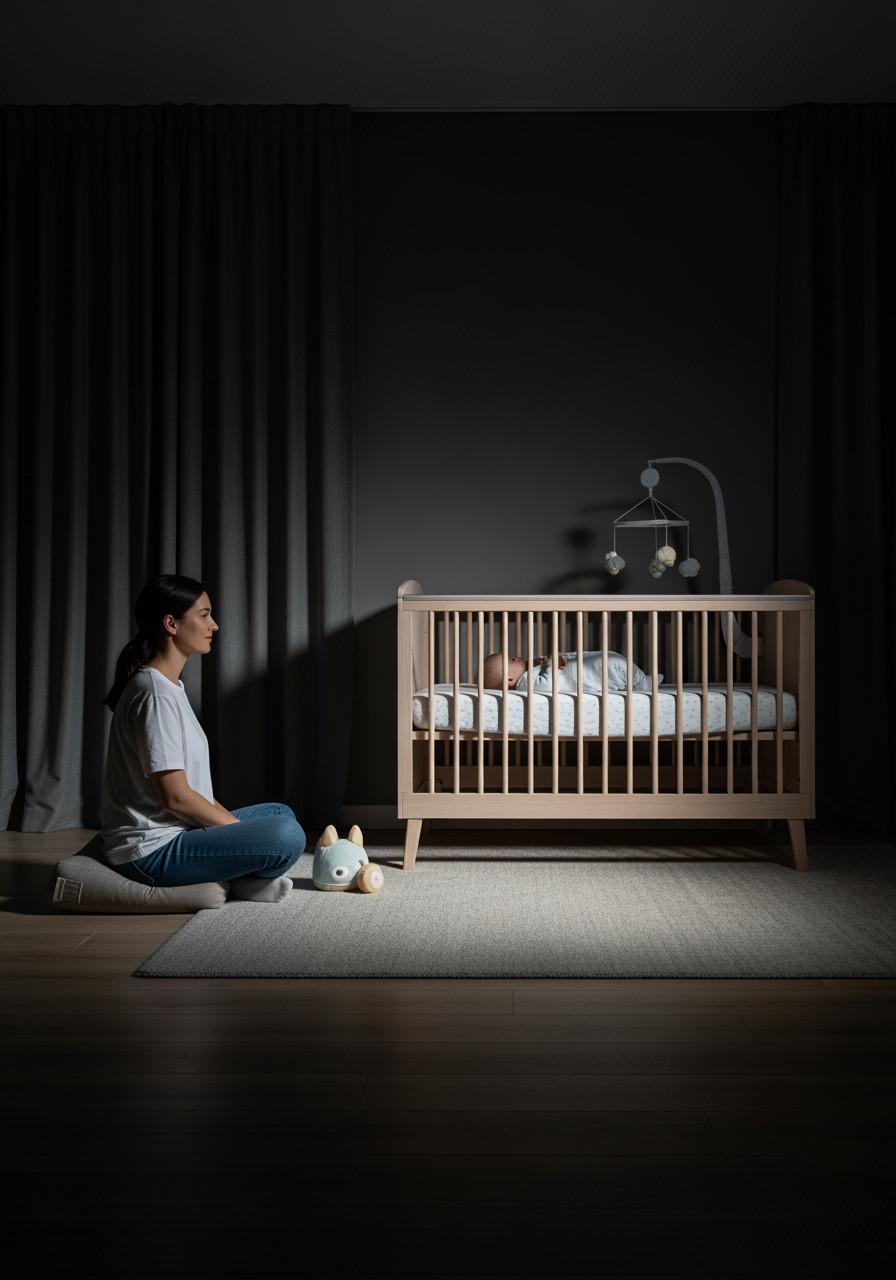
For example, if your baby relies on being held, you could first transition to holding them until drowsy, then placing them in the crib. Next, you might just stand with a hand on their back. After a few nights, you might move to just sitting by the crib without touching them. Each step is small and manageable, which is why this method is so successful for sensitive children.
Pros & Cons
Like any method, the Fading approach has distinct advantages and disadvantages. Its greatest strength is its gentle nature, which can be a perfect match for certain family dynamics. However, that same quality can also be its biggest challenge. It requires a significant amount of time and a specific type of parental patience. Weighing these points carefully will help you decide if it is the right path for you.
- Pros: This method typically involves the least amount of protest crying. It feels very responsive and nurturing to parents, which can reduce parental anxiety and guilt. The gradual nature of the changes makes it less jarring for sensitive babies.
- Cons: This is the slowest of all sleep training methods. It requires immense patience and can take several weeks or even months. Progress can be so slow that some parents feel like it is not working or lose motivation. It can be hard to track progress, and parents might feel stuck in one phase for a long time.
Ultimately, the Fading method is best for the parent who values a low-cry experience above all else and has the time and emotional endurance to see it through. If the thought of any crying causes you significant stress, this slow and steady approach may give you the confidence to start making changes.
Method 2: The Chair Method (The "Present but Passive" Approach)
The Chair Method is one of the most popular cry it out alternatives. It was made famous by sleep consultant Kim West, who calls it "The Sleep Lady Shuffle." This approach offers a middle ground between hands-on methods and leaving the room. You remain in the room with your baby, offering verbal reassurance and a comforting presence, but you do not physically intervene by picking them up. The core idea is that your presence is enough to make your baby feel safe and secure while they learn to fall asleep on their own. Over time, you gradually move your chair further and further away from the crib until you are out of the room entirely. This method is often a good fit for babies who are genuinely calmed by seeing a parent nearby but may get too stimulated or frustrated by more hands-on approaches. It provides a clear, structured plan for parents who want to be present but also want to create some space for independent sleep to develop.
How It Works
The Chair Method is a systematic withdrawal of your presence from the room. It follows a predictable timeline, which many parents find helpful. The key is consistency. Once you start, you must commit to the process, even during difficult middle-of-the-night wakings. Using the chair consistently for all sleep situations helps your baby understand the new expectation. This detailed step-by-step guide to the chair method can provide additional clarity as you begin.
- Complete your bedtime routine. After a calm and soothing routine, place your baby in their crib while they are drowsy but still awake.
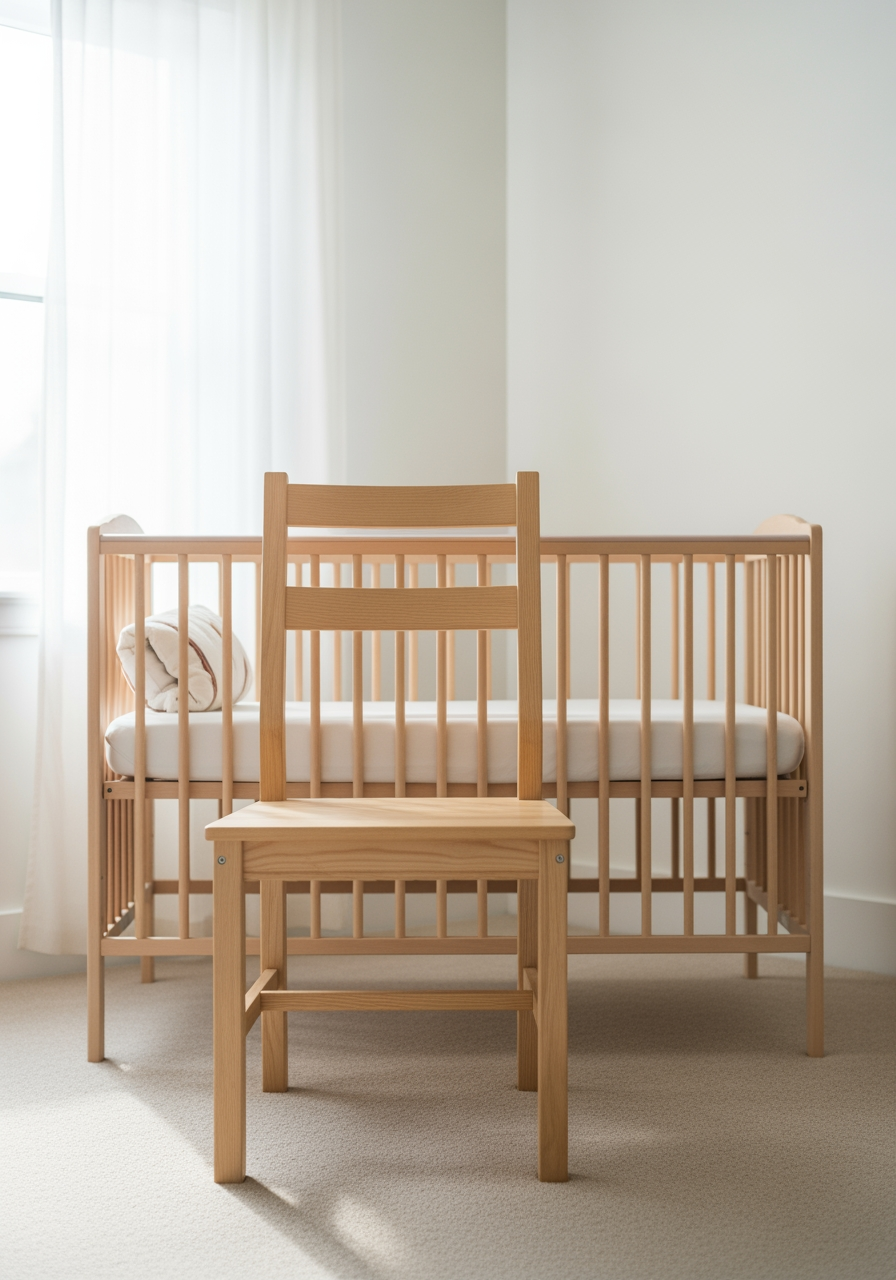
- Sit in a chair next to the crib. Position your chair right beside the crib where your baby can see you. You can offer quiet, brief verbal reassurances like "I'm here, it's time to sleep." Avoid making too much eye contact or talking excessively, as this can be stimulating.
- Move the chair away. Every few nights (a common schedule is every three nights), move the chair further from the crib. Your first move might be to the middle of the room. Your next move might be to the doorway.
- Move out of the room. Continue moving the chair until you are sitting in the hallway just outside the door, first with the door open and then with it partially closed. Finally, you will be able to leave after putting your baby down.
If your baby wakes in the night, you return to the chair at its current position and wait for them to fall back asleep. It is crucial not to revert to old habits like rocking or feeding to sleep. The consistency of your response is what teaches your baby that they are capable of falling back asleep on their own.
Pros & Cons
The Chair Method is widely used because it strikes a balance that many families are looking for. It avoids the feeling of abandonment associated with leaving the room, but it also creates clear boundaries. However, for some babies, this middle-ground approach can be more confusing than helpful. Understanding its potential pitfalls is essential for success.
- Pros: Your baby is constantly reassured by your presence, which can reduce the intensity of crying for many infants. Parents often feel less stressed because they are not leaving their crying baby alone. The method provides a clear, easy-to-follow plan.
- Cons: This method can take a long time, often one to three weeks. For some babies, seeing a parent in the room who is not picking them up can be incredibly frustrating, leading to more anger and crying. It can be very difficult for a parent to sit in the room and listen to their baby cry without intervening.
Success with the Chair Method often depends on the parent's ability to be a calm, quiet, and somewhat boring presence. If you can stay emotionally regulated and not give in to picking your baby up, this method can be very effective. It teaches your child that you are there to support them, but the job of falling asleep is ultimately theirs.
Method 3: The Pick-Up/Put-Down Method (The "Hands-On Comfort" Approach)
The Pick-Up/Put-Down method is a highly responsive, hands-on technique popularized by Tracy Hogg in her book, "The Baby Whisperer." It is designed for parents who want to offer immediate physical comfort when their baby cries. The central idea is simple: you stay with your baby and pick them up to calm them as soon as they start to cry, but you put them back into the crib as soon as they are calm. You repeat this cycle as many times as it takes for your baby to fall asleep in their crib. This method directly addresses a baby's cry for help with physical touch and reassurance. The goal is to show your baby that you will always respond to their distress, but that their crib is the designated place for sleep. It aims to break the association of being held or rocked completely to sleep, while still providing plenty of comfort along the way.
How It Works
This method is a very active process for the parent. It requires a great deal of patience and physical stamina, as the first few nights can involve dozens of repetitions. The key is to be consistent and to put your baby down before they fall asleep in your arms. The goal is for the final step of falling asleep to happen in the crib, not in your arms. This comparison of no-cry sleep methods can help you see how Pick-Up/Put-Down fits within the broader landscape of gentle options. The process is straightforward but demanding.
- Place your baby in the crib awake after your usual bedtime routine.
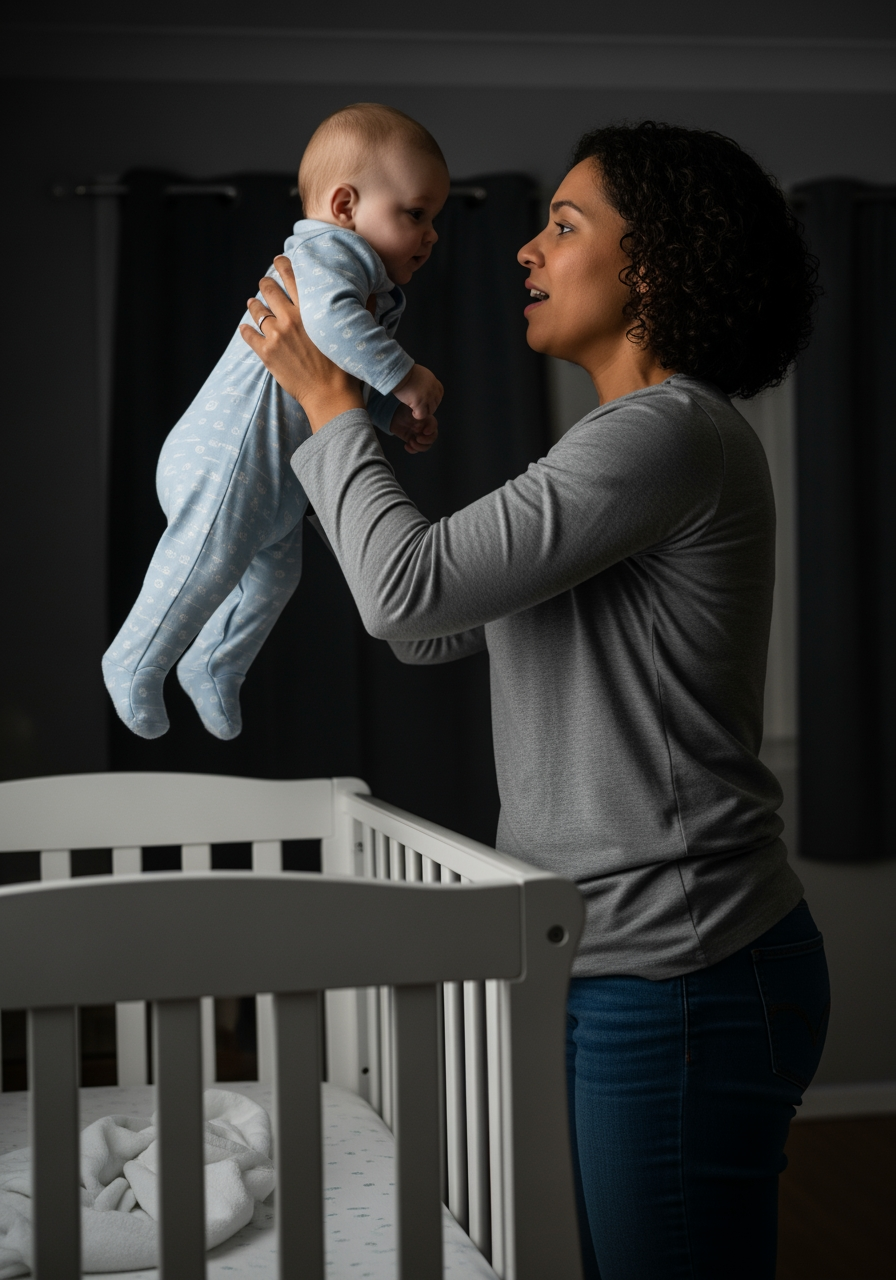
- If your baby starts to truly cry (not just fuss), immediately pick them up. Hold them and offer comfort with shushing or patting until they are calm.
- As soon as your baby is calm and stops crying, place them back in the crib. It is important that they are calm but not asleep.
- Repeat this process as many times as necessary. If they cry upon being put down, pick them up again, calm them, and put them back down. The cycle continues until they finally fall asleep in their crib.
The idea is that over several nights, the number of times you need to pick your baby up will decrease. They will learn that crying gets them a comforting cuddle, but they will always be returned to their crib to sleep. This consistency helps them understand the new expectation. It's important to distinguish between a real cry and a little fussing. Try to let your baby handle minor fussing on their own before intervening.
Pros & Cons
The Pick-Up/Put-Down method is perhaps the most intuitively responsive technique. It directly answers a baby's cry with the comfort they are seeking. For some parent-baby pairs, this is a perfect match. For others, however, the high level of interaction can backfire, creating more frustration for everyone involved. It is crucial to be aware of your baby's specific reactions to this method.
- Pros: This method feels extremely responsive, as you never leave your baby to cry. It provides a great deal of physical comfort, which can be very reassuring for some babies and their parents. It avoids the guilt some parents feel with other methods.
- Cons: It can be incredibly exhausting and time-consuming for parents, sometimes requiring over 100 pick-ups in a single night. For some babies, especially those who are older or easily stimulated, the constant picking up and putting down can be more agitating than calming, making sleep even harder to achieve.
This method is often most effective for younger infants (under 8 months) who are genuinely calmed by being held. If you find that picking your baby up only makes them angrier when you put them down again, this may not be the right approach. Pay close attention to your baby's cues. If the cycle is escalating instead of de-escalating, consider a less interactive method like the Chair Method or Fading.
Making Your Decision: You Don't Have to Do It Alone
You now have a clear overview of the most effective cry it out alternatives. From the slow and steady Fading method to the present-but-passive Chair Method, to the hands-on Pick-Up/Put-Down approach, there is a path to better sleep that does not require you to leave your baby to cry alone. Remember, there is no single "best" method. The best method is the one that feels right for your baby's temperament and your parenting philosophy.

The most critical factor for success with any of these techniques is consistency. Choose a plan, communicate it with your partner, and commit to trying it for at least a week before making changes. Your baby is learning a brand new skill, and it takes time and repetition for them to understand the new expectations. Trust your instincts. You know your baby better than anyone. If a method truly feels wrong or is making everyone more miserable, it is okay to pause and reassess.
Teaching your baby to sleep well is a journey. It can feel overwhelming, and it's normal to need support. If you have read through these options and still feel unsure where to start, or if you have tried a method without success, you are not failing. Every baby is different, and sometimes a generic plan is not enough. A personalized approach tailored to your child's specific needs and your family's situation can make all the difference. Taking the next step to get expert guidance can be the key to unlocking peaceful nights for everyone.