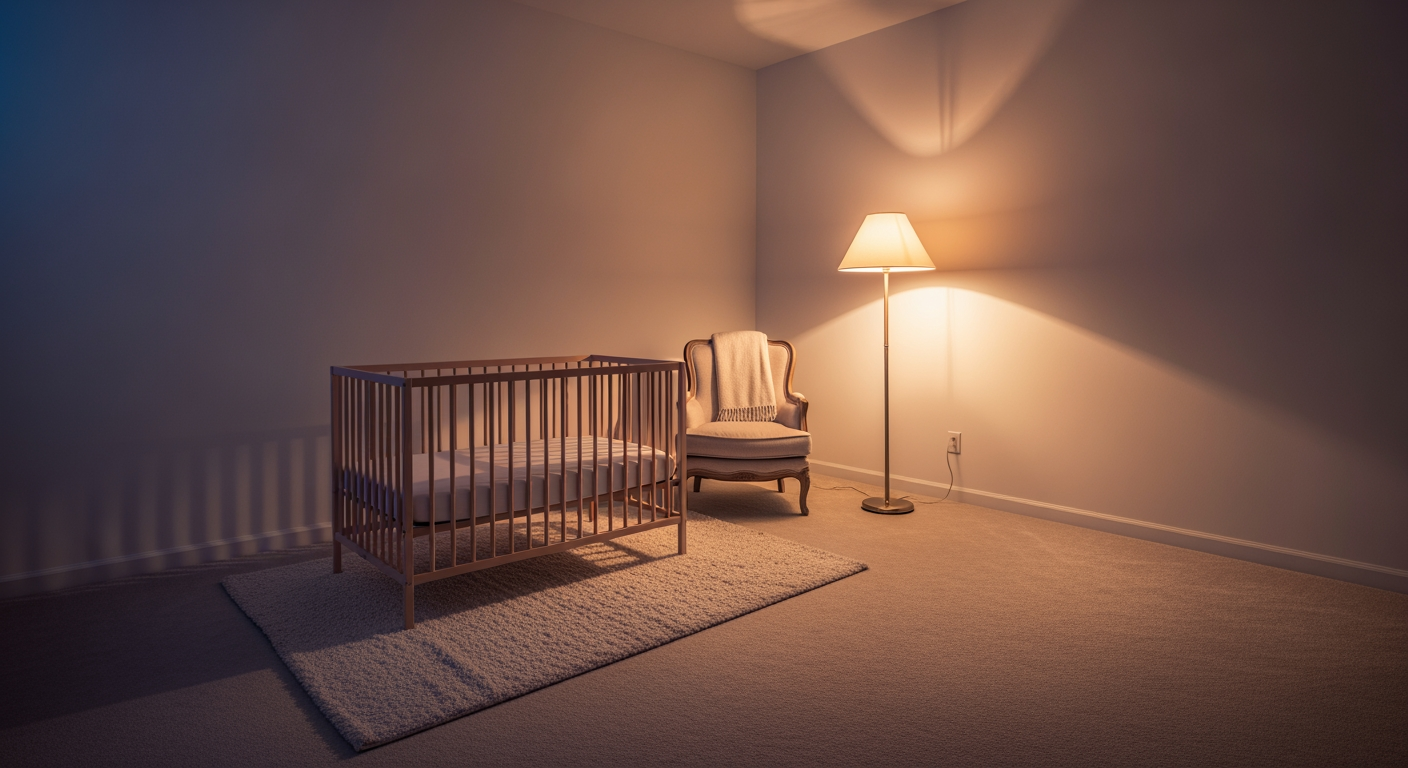
The house is quiet, but you are not at peace. You are trapped in your baby's room, holding your breath. You just spent an hour rocking, shushing, or feeding your little one to sleep. Now you face the most difficult part: the transfer to the crib. You know this routine is not sustainable. You are exhausted, touched-out, and desperate for a better way. You need a plan that helps your child learn to sleep on their own. But you also want a method that feels kind and supportive.
Welcome to the chair method. This gentle sleep training approach is a middle ground between intense crying methods and endless rocking. It allows you to stay in the room and offer comfort. You provide a reassuring presence while your child learns the vital skill of self-soothing. This method, also known as the Sleep Lady Shuffle or Camping Out, is about gradual change. It empowers you with a clear, structured plan that reduces guesswork and anxiety.
This guide will give you a detailed, night-by-night plan. We will cover everything from preparing for success to troubleshooting common problems. You will learn exactly what to do at each stage. By the end, you will have the tools and confidence to guide your child toward peaceful, independent sleep.
Is Your Baby Ready for the Chair Method? A Quick Checklist
Before you move a chair into the nursery, you must know if the time is right. Starting any sleep training before your baby is ready can lead to frustration for everyone. The chair method is effective, but its success depends on your child's developmental stage and your family's commitment. This is not just about your baby. It is also about ensuring you and any other caregivers are prepared for the process. A united front is one of the most important factors for success. This checklist will help you decide if now is the perfect time to begin this journey. Answering these questions honestly will set you up for a smoother, more successful experience. Think of it as your first step toward better nights for the whole family. Taking a few moments to assess your situation now will save you a lot of time and stress later on.
The goal is to start when the odds of success are highest. Pushing a baby who is too young or not temperamentally suited for this method can be counterproductive. Likewise, starting when you are not fully committed can confuse your child. Use the following points to have a clear and honest conversation with your partner or other caregivers. Getting on the same page is not just a suggestion; it is a requirement for this method to work. Remember, you are teaching your child a new skill. Just like learning to walk or talk, it requires the right timing and a supportive environment. Let's make sure you have both.
- Age: Is your baby at least 4-6 months old? Most pediatricians and sleep experts agree this is the ideal window to start. Before this age, babies may not be developmentally capable of learning to self-soothe. By four months, the newborn startle reflex has often faded, and sleep cycles begin to mature. This makes it a good time to introduce new sleep habits.
- Health: Have you gotten the green light from your pediatrician? This is a non-negotiable step. Your doctor can confirm there are no underlying health issues, like reflux or ear infections, that could disrupt sleep. They can also offer guidance based on your child's specific growth and development. Always rule out medical concerns before addressing behavioral ones.
- Weight: Does your baby weigh at least 12 pounds? Weight is a general indicator of maturity. Along with age, it can signal that a baby may no longer need nighttime feedings for nutrition. Your pediatrician can confirm if your baby is ready for night weaning, which often goes hand-in-hand with sleep training.
- Temperament: Is your baby generally comforted by your presence? Or do they get more stimulated or frustrated when you're near but not engaging? The chair method works best for babies who find a parent's presence reassuring. If your child gets more upset seeing you without being picked up, this method could be challenging. In such cases, another approach might be a better fit.
- Consistency: Are all caregivers on board and ready to commit to a consistent plan for 1-3 weeks? The chair method is not a quick fix. It takes patience and teamwork. Both parents, grandparents, and any other caregivers must follow the same steps every single time. Inconsistency is the number one reason sleep training fails. It sends mixed signals to your child and prolongs the process.
If you checked off all these boxes, you are in a great position to start the chair method. If you hesitated on a few points, it may be wise to wait a little longer or address those issues first. For example, if you and your partner are not aligned, have a detailed discussion about your goals and fears. Agree on the plan before night one begins. If you are unsure about your baby's temperament, you can always try the method for a few nights. If your presence clearly makes things worse, you have learned valuable information. You can then pivot to a different strategy without feeling like you failed. The goal is to find what works for your unique child and family.
The 4-Phase Chair Method: A Night-by-Night Plan
This is where theory becomes practice. The chair method is a systematic process of fading your presence from your child's sleep space. It’s like teaching a child to ride a bike with training wheels. At first, you are right there providing lots of support. Then, you gradually reduce that support as they build their own skill and confidence. The plan is broken into clear phases, each lasting about three nights. However, every child is different. Your child might move faster or need an extra night or two at a certain phase. The key is to watch your child's cues and be patient. The timeline is a guide, not a rigid rule. The most important thing is to be consistent within each phase and only move to the next phase when your child has shown they are adjusting. Rushing the process can backfire, so embrace the gradual nature of this gentle method.
Preparation: Setting the Stage for Success
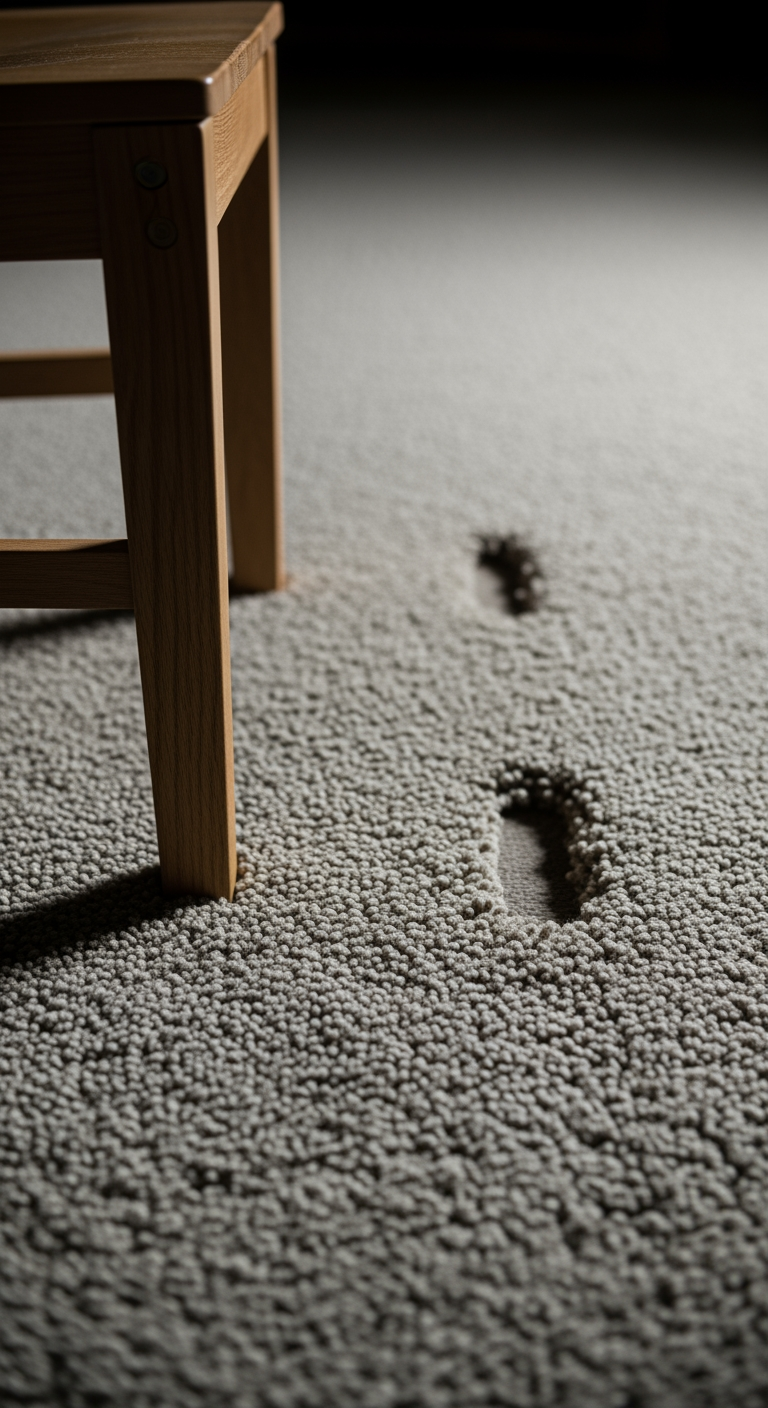
Your success with the chair method begins before you even sit down. The right environment and routine can make a world of difference. Your goal is to create a predictable and calming sequence of events that signals to your baby's brain that sleep is coming. Start by establishing a solid bedtime routine. This should be a 20-30 minute series of calming activities, done in the same order every night. A popular routine includes a warm bath, putting on pajamas, reading a book or two, and then a quiet song or cuddle. The routine should end in the baby's room to reinforce the connection with their sleep space. Make sure the room is optimized for sleep. It should be very dark, like a cave. Use blackout curtains to block all outside light. A continuous white noise machine can help muffle household sounds and is very soothing for babies. Finally, choose your chair. It should be a simple, movable chair. Avoid the comfy nursery glider or recliner, as you do not want to accidentally fall asleep in it.
Phase 1 (Nights 1-3): Beside the Crib
The first phase is about providing maximum reassurance. After your calming bedtime routine, place your baby in their crib while they are drowsy but still awake. This is a crucial step. They need to be aware they are in their crib so they can learn to fall asleep there. Immediately sit down in your chair, which you have placed right next to the crib. You are there to be a calm, loving presence. You can offer intermittent physical touch, like a gentle hand on their chest. However, this should be for reassurance, not to pat them to sleep. It is also important to address a common myth. This is not a 'no-cry' method. Your baby will likely protest this new routine, and crying is a normal response to change. Your job is to support them through it. Use a consistent, soothing verbal mantra. Something simple like, "It's time to sleep. I love you. You are safe." Repeat this phrase in a low, calm voice. Avoid picking your baby up. Your presence is the comfort. Stay in the chair until they are fully asleep.
Phase 2 (Nights 4-6): The Middle Ground
Now it is time for the first big step away. After a few nights of success with the chair by the crib, you will move it to the middle of the room. This move is significant. It should be far enough away that you can no longer offer any physical touch. This is a critical part of the process. Your child is now learning to find comfort without your hand on them. They are beginning to build their own self-soothing skills. Continue to use your verbal reassurance mantra if needed, but try to use it less often. Wait a moment before responding with your voice when they cry. This gives them a chance to try and settle on their own first. If they stand up in the crib, do not rush to lay them back down. They are learning to get comfortable on their own, and this includes finding their sleeping position. Your role is shifting from an active comforter to a quiet supervisor. Your calm presence from a distance shows them they are still safe and secure, even without your touch.
Phase 3 (Nights 7-9): At the Doorway
The journey across the room continues. For this phase, move your chair to the doorway of your baby's room. You should still be visible to them if they look for you. Your presence is now almost entirely visual. At this point, your child has had several nights to practice their new skills. They are getting better at settling themselves to sleep. Your job is to do even less. Drastically reduce your verbal reassurances. When they fuss, try to wait a few minutes before offering a brief, quiet phrase from the door. This delay is powerful. It gives your child the space they need to master the final steps of self-soothing. They are learning that they are capable of falling asleep without your help. You are simply a quiet observer, confirming that you are nearby if needed. This phase solidifies their confidence and yours. You are witnessing your child learn a lifelong skill, and your patient, gradual withdrawal is what makes it possible.
Phase 4 (Nights 10+): Out of Sight
This is the final phase of active training. Move your chair into the hallway, just outside the door. You are now out of your child's line of sight. You can leave the door slightly ajar. After you complete the bedtime routine and place your baby in the crib, say your goodnights and walk out. Sit in the chair in the hall. At this stage, you should not offer any verbal reassurance unless the crying escalates significantly and continues for several minutes. If you do need to respond, do it with a single, quick phrase from the hallway without going into the room. After a night or two of this, you can remove the chair altogether. You have successfully taught your child to fall asleep independently. The process is complete. From now on, you can simply leave the room after the bedtime routine. This is a huge milestone for both of you. It's the musical equivalent of a song gently fading to a quiet, peaceful end.
Troubleshooting: What to Do When It Gets Tough
Even with the best plan, you may hit a few bumps in the road. Sleep training is not always a straight line of progress. There will be good nights and tough nights. Knowing how to handle common challenges is key to staying the course. The most important thing to remember is that consistency is your best tool. Bending the rules 'just this once' can undo several nights of hard work. This section is your guide for those difficult moments. Whether your baby is standing up and refusing to lie down or your progress has suddenly stalled, there are solutions. It is also important to manage your own expectations. Crying will likely happen, especially when you move the chair further away. This is a normal protest and a sign that the change is being noticed. It does not mean the method is failing. It means you need to stay patient and consistent. Refer to this guide when you feel stuck or unsure.

Remember, you are not alone in these struggles. Almost every parent who goes through this process will face at least one of these issues. The difference between success and failure is often just having a plan for these moments. Before we get to the specific scenarios in the table below, let's talk about naps. You can use the chair method for naps, but it is often harder. The drive to sleep is lower during the day. Many parents find it easier to focus on nights first. Once nighttime sleep is established, you can apply the same principles to naps. Be prepared for it to take longer. Now, let's dive into the most common problems and their solutions.
| Problem | Solution |
| "My baby gets more hysterical when they see me." | Your presence might be overstimulating. Try to avoid eye contact and interaction. If it persists, this method may not suit your baby's temperament, and a method with less parental presence (like timed checks) could be more effective. |
| "My baby stands up in the crib and won't lie down." | This is very common. Avoid a game of "pop-a-mole." The first time they stand, you can lay them back down once without a word. After that, verbally prompt them to lie down but allow them to figure out how to do it themselves. They will not sleep standing up. |
| "Progress has stalled, or we've had a regression." | Regressions are normal, often tied to developmental leaps or teething. Don't abandon the plan. Re-evaluate wake windows to ensure your baby isn't overtired and stick to the last successful step for a few nights before moving forward again. |
| "Naps are a disaster, even if nights are improving." | Nap training can be harder because sleep pressure is lower. It's okay to focus on nights first. Once nights are established, apply the same method to naps, but be prepared for it to take longer or for some naps to be short. Consistency is key. |
| "It's been over two weeks and it's not working." | Check for consistency. Are all caregivers following the exact same steps every time? Re-examine the bedtime routine and sleep environment. If everything is optimized and it's still a struggle, it may be time to consult a professional or consider that a different method might be a better fit for your child. |
Dealing with a standing baby is a classic sleep training challenge. It is a new skill, and they want to practice it, even at bedtime. The key is to not turn it into a fun game. Laying them down repeatedly becomes an interaction. By laying them down only once and then using your voice, you are holding the boundary while allowing them to learn. They will eventually get tired and lie down. Trust the process. For regressions, these are often signs of brain development. During a developmental leap, sleep can temporarily fall apart. The solution is not to revert to old habits like rocking to sleep. Instead, hold firm with the method. You might need to stay at the 'doorway' phase for a few extra nights, and that is perfectly fine. The goal is progress, not perfection.
Your Next Steps for Peaceful Nights
You now have a complete, step-by-step guide to the chair method. You understand the phases, the timeline, and how to handle the most common problems. You have learned that this process is a marathon, not a sprint. It typically takes one to three weeks of dedicated effort. The core principles for success are simple but powerful: consistency and patience. Every time you follow the plan, you build trust and make the new routine clearer for your child. Every time you give in, you create confusion.
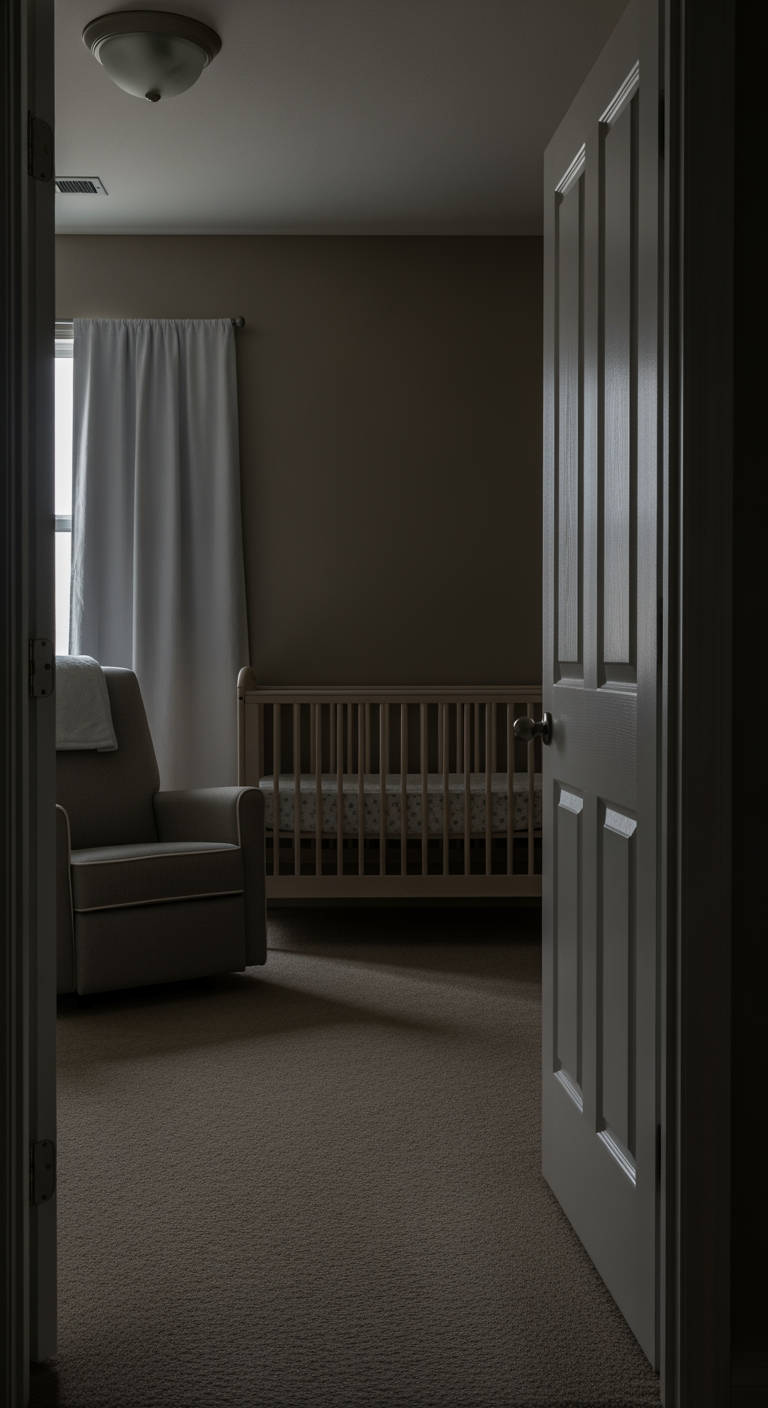
Remember the goal. You are not just stopping a habit of rocking to sleep. You are teaching your child the incredible, lifelong skill of independent sleep. You are giving them the confidence to self-soothe and transition between sleep cycles on their own. This gift will serve them well for years to come. It will also give you back your evenings and your sanity. The journey may have some tears, but your reassuring presence will guide them through it. Trust the plan, trust your child, and trust yourself. You can do this. Peaceful nights for your entire family are within reach.