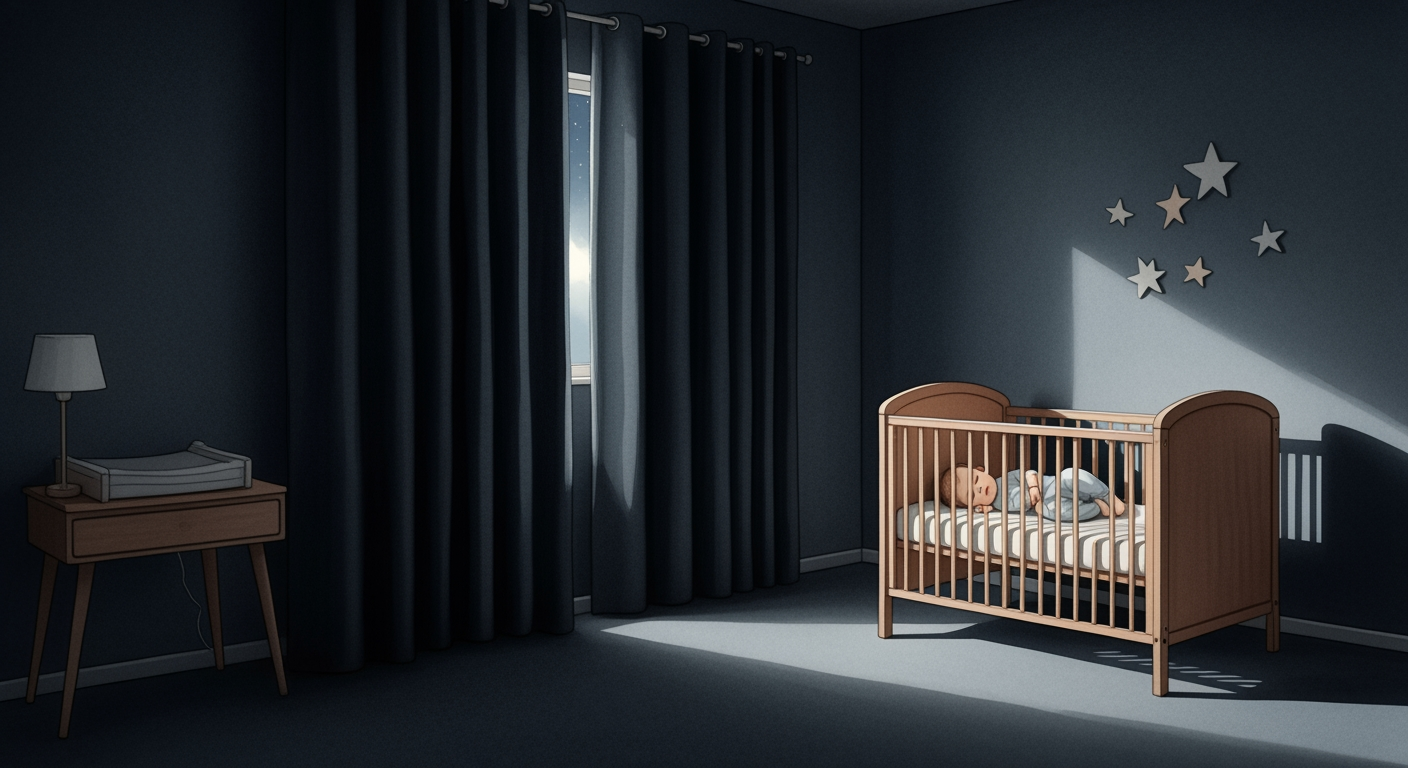
Are you feeling exhausted? Do you find yourself wondering why your baby wakes up so often? Many new parents share this struggle. You are not alone. The constant interruptions to sleep can feel overwhelming. You might feel like you have tried everything, but a solution is closer than you think. The key often lies in your baby's sleep environment.
Babies need a cave-like space to get deep, restorative sleep. The two biggest sleep disruptors are light and sudden noise. These elements can easily wake a baby from a light sleep cycle. A bright, noisy room makes it hard for a baby to nap well or sleep through the night. This can lead to a cycle of overtiredness for both you and your little one.
This guide will show you how to create the ultimate sleep sanctuary. We will provide a complete plan to make your baby's room dark and quiet. You will learn simple hacks, product recommendations, and professional-level solutions. A better night's sleep is possible. By controlling the nursery environment, you can help your baby (and you) get the rest you need.
The Science of Sleep: Why a Dark, Quiet Nursery is Non-Negotiable
Understanding why a dark, quiet room works is the first step. It is not just a popular opinion; it is based on biology. Your baby's ability to sleep well is directly tied to their environment. By managing light and sound, you work with your baby's natural rhythms, not against them. This scientific approach helps build a strong foundation for healthy sleep habits that can last for years.

The most important factor is your baby's internal clock, or circadian rhythm. Think of it as a tiny clock inside your baby's brain. This clock tells them when to feel sleepy and when to feel awake. Light is the main button that sets this clock. When light enters your baby's eyes, it signals the brain that it is time to be alert. In contrast, darkness tells the brain it is time to wind down and sleep. Creating a dark room for all sleep—naps included—helps regulate this internal clock. It sends a powerful and consistent message: now is the time for sleep.
Darkness also helps the brain produce a key hormone called melatonin. You can think of melatonin as a natural sleeping pill that the body creates on its own. Production of this hormone increases as it gets dark, making your baby feel drowsy. However, exposure to light, especially blue or white light from screens and some night lights, can stop this process. Even a small amount of light can trick the brain into thinking it is daytime, suppressing melatonin and making it harder for your baby to fall asleep and stay asleep.
While darkness is crucial, so is safety. The American Academy of Pediatrics (AAP) provides clear guidelines for a safe sleep environment to reduce the risk of Sudden Infant Death Syndrome (SIDS). A key recommendation is to maintain a cool room temperature between 68 and 72 degrees Fahrenheit (20-22°C). Overheating is a known risk factor, so a cool room is a safe room. The AAP also stresses that the crib or bassinet should be completely bare. This means no blankets, pillows, bumpers, or soft toys. A firm mattress with a fitted sheet is all your baby needs. Following a comprehensive nursery safe sleep checklist for newborns is the best way to ensure every detail is covered.
Finally, let's address sound. A common myth is that babies need to learn to sleep through noise. While they can get used to some background hum, sudden, jarring sounds will wake them. A dog barking, a dish dropping, or a loud TV can easily disrupt a light sleep cycle. A completely silent room is not the answer either, as it makes these sudden noises seem even louder. Instead, experts recommend a constant, low-level sound to mask these disruptions. This creates a consistent and soothing audio environment, helping your baby sleep more soundly.
Achieving "Pitch Black": A Tiered Guide to Blocking Light
The goal for your baby's nursery is pitch-black darkness. On a scale of 1 to 10, you should aim for a 9. This means the room is so dark you cannot see your hand in front of your face. This level of darkness sends the strongest possible signal to your baby's brain that it is time for sleep. Even small slivers of light from under a door or around a window can be disruptive.
Achieving this can seem difficult, but there are solutions for every budget and living situation. We have organized them into a tiered system: Good, Better, and Best. This framework allows you to choose the approach that works for you. You can start with a simple DIY solution and layer on more effective products as needed. The table below compares different options based on cost, effectiveness, and whether they are friendly for renters.
| Tier | Solution | Avg. Cost (2026) | Effectiveness | Renter-Friendly? |
|---|---|---|---|---|
| Good (DIY) | Black Trash Bags or Aluminum Foil + Painter's Tape | < $15 | 9/10 | Yes |
| Good (DIY) | Covering LED lights on electronics with black electrical tape | < $5 | 10/10 | Yes |
| Better (Product) | Portable Blackout Blinds (with suction cups) | $30 – $50 | 8-9/10 | Yes |
| Better (Product) | Floor-to-ceiling, 225GSM+ Blackout Curtains | $50 – $150 | 9/10 | Yes |
| Best (Layered) | Blackout EZ Window Covers + Blackout Curtains | $100 – $250 | 10/10 | Yes |
| Best (Layered) | Light-blocking cellular shades + Blackout Curtains | $150 – $400+ | 10/10 | Yes |
As the table shows, even simple DIY methods can be highly effective. The key to success is layering. For the best results, you should combine an inner layer that covers the window glass directly with an outer layer of curtains. This two-step approach is the most effective way to eliminate all light leaks. Using blackout curtains for baby sleep offers significant benefits, but pairing them with another solution makes them even more powerful.
The Renter's Solution: No-Drill, Maximum Darkness
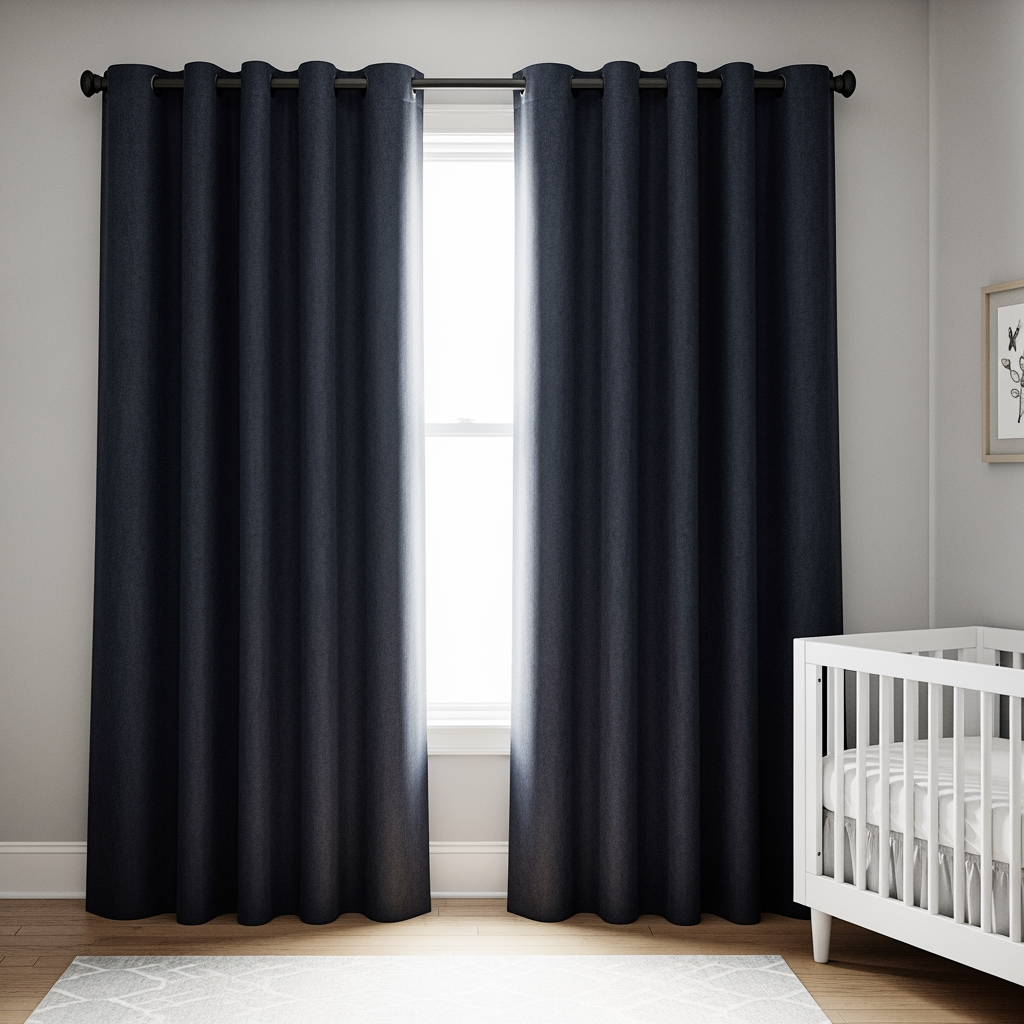
If you rent your home, you may not be able to drill holes for permanent fixtures. Thankfully, there are many effective, no-drill options. The best strategy for renters is to combine multiple temporary solutions. Start with portable blackout shades. These shades stick directly to the window glass using suction cups and are easy to put up and take down. They create an excellent first barrier against light.
Next, add curtains using a tension rod. A tension rod fits inside the window frame and uses pressure to stay in place, requiring no screws. Hang floor-to-ceiling blackout curtains on this rod. To eliminate the light that leaks from the sides and top, use removable Velcro strips. Attach one side of the Velcro to the wall and the other to the edge of the curtain. This allows you to seal the curtain against the wall, creating a truly dark space without any permanent changes. Peel-and-stick window films are another great option that can be removed later.
Don't Forget the Door and LEDs
After you have covered the windows, you might notice that the room still is not completely dark. Light is sneaky and will find its way through any opening. A common source of light is the gap under the nursery door. A surprising amount of light from a hallway can stream into the room, disrupting the dark environment. The solution is simple and cheap: a door draft stopper. These fabric tubes slide under the door and block both light and sound effectively.
The other major culprits are the tiny LED lights on electronics. Baby monitors, sound machines, air purifiers, and even smoke detectors often have small green, blue, or red power lights. In a pitch-black room, these tiny lights can be surprisingly bright. Use a small piece of black electrical tape to cover them. This is a very effective method for achieving total darkness. Just be careful not to cover any vents or sensors on the devices.
Engineering Quiet: How to Soundproof Your Nursery
Creating a quiet room is just as important as making it dark. Sound acts like water; it will leak through any crack or thin spot. Soundproofing a nursery involves two main strategies: blocking outside noise and absorbing sound inside the room. An empty room with hard surfaces will have a strong echo, making every little sound seem louder. A well-prepared room, on the other hand, can create a calm and consistent audio environment that promotes uninterrupted sleep.
You do not need to be a sound engineer to make a big difference. Many of the most effective methods are simple and affordable. By layering different solutions, you can significantly reduce the amount of noise that reaches your baby. The following steps are ordered from the most crucial and easiest to implement to more advanced options for those dealing with serious noise issues. Starting with the first one will provide the biggest and most immediate improvement.
- Add a White Noise Machine: This is your most powerful tool. A white noise machine creates a constant, soothing sound that masks sudden noises. Place the machine at least 7 feet away from the crib to protect your baby's hearing. It is critical to manage the volume. Experts recommend keeping the noise level below 50-60 decibels (dB), which is similar to the sound of a running shower. The AAP suggests an even lower limit of 45 dB. Understanding the safest white noise volume for your baby is essential for safe use. Stick to continuous sounds like white, pink, or brown noise. Avoid music or nature sounds with patterns, as these can be stimulating rather than soothing.
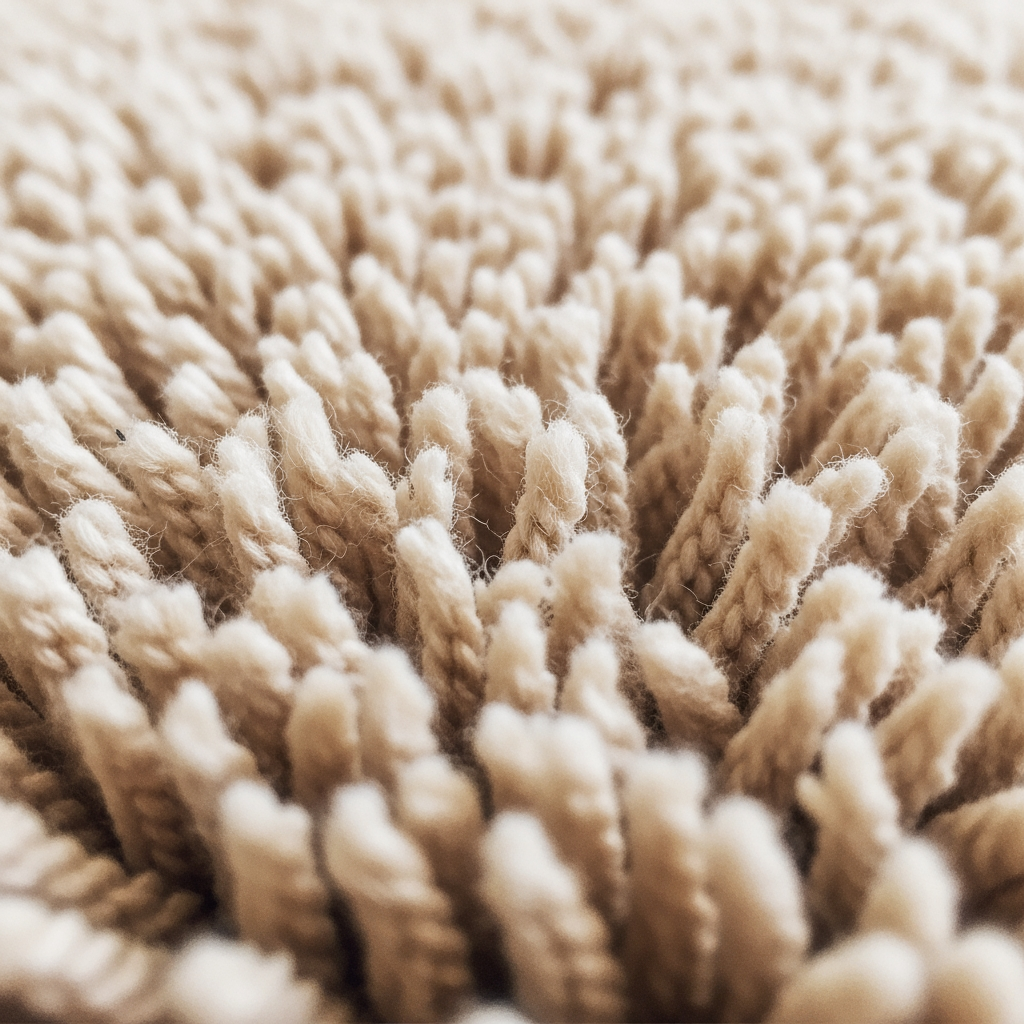
- Absorb Sound with Soft Surfaces: Hard surfaces like wood floors and bare walls reflect sound, creating echoes. Soft surfaces absorb it. The easiest way to do this is by adding a large, thick rug to the room. A high-pile or tufted rug is better than a flat one, and wool is a better sound absorber than cotton. You can also hang soft materials on the walls, such as fabric art, quilts, or tapestries. Even a full bookshelf can help by breaking up sound waves.
- Seal the Leaks: Just as light leaks under the door, so does sound. This is a major entry point for noise from the rest of the house. You can block this noise with two simple products. First, apply acoustic weatherstripping around the inside of the door frame. This foam tape creates a seal when the door is closed. Second, use a door sweep or draft stopper at the bottom of the door. These two fixes are cheap, easy to install, and incredibly effective at reducing hallway noise.
- Upgrade the Door (For Maximum Effect): If you are a homeowner and noise is a serious issue, consider the door itself. Most interior doors are hollow-core, meaning they are mostly empty inside. They offer very little resistance to sound. Replacing a hollow-core door with a solid-core door can make a massive difference. Solid-core doors are dense and provide a significant barrier to sound. This is a more expensive and involved solution, but it is one of the most effective for blocking noise.
- Address the Walls: For families in apartments or with noisy adjoining rooms, sound can travel through the walls. If soft furnishings are not enough, you can install decorative acoustic panels. These panels are made from sound-absorbing materials and are designed to be safe for use in nurseries. They come in various shapes and colors and can look like wall art. They work by absorbing sound waves that hit the walls, reducing both echoes within the room and noise coming from the other side.
By implementing these steps, you can transform a noisy room into a peaceful haven. Start with a white noise machine and soft surfaces, as these provide the most benefit for the least effort. Then, if needed, you can move on to sealing gaps and addressing walls and doors. Consistency is key to creating a quiet space that cues your baby for sleep.
The Best Gear for a Dark, Quiet Nursery in 2026
Choosing the right products can feel overwhelming with so many options available. To help, we have reviewed the top-performing categories of gear for 2026. This is not about specific brands you must buy, but rather the features to look for. These recommendations are based on effectiveness, safety, and user reviews, giving you the confidence to select the best tools for your sleep sanctuary.
Top-Rated White Noise Machines
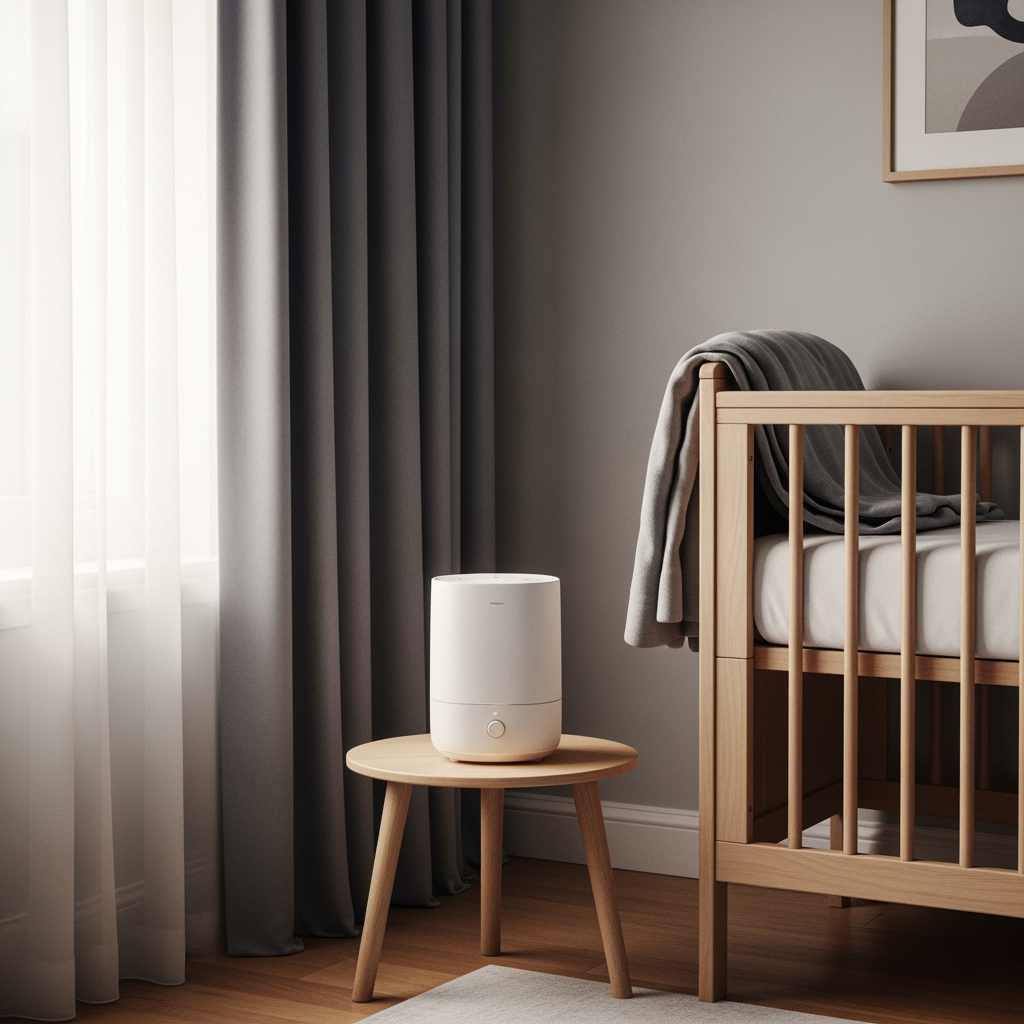
A great white noise machine is a nursery essential. When choosing one, look for a model that offers true non-looping sound. Cheaper machines often play a short, looping audio track that can be distracting once your brain detects the pattern. A machine that generates fresh, non-repeating sound is far more effective. Adjustable volume is also a must-have feature, allowing you to set the sound at a safe, low level.
In 2026, two types of machines continue to be popular. For parents who love technology, smart machines like the Hatch Rest+ 2nd Gen are a top choice. They offer white noise, a red-light night light, and can be controlled from your phone. For parents who prefer simplicity, fan-based machines like the Yogasleep Dohm are perfect. The Dohm contains a real fan that creates a natural, soothing whoosh of air. It is simple, durable, and has been a parent favorite for decades because it just works.
Best Blackout Curtains
Not all blackout curtains are created equal. Many are labeled "room darkening" but still let a significant amount of light through. For a nursery, you need curtains labeled "100% blackout." The most effective ones have a sewn-in black liner that completely blocks light. Another feature to look for is a high GSM (grams per square meter). This number measures the fabric's density. A GSM of 225 or higher indicates a thick, heavy fabric that will block light effectively and help absorb sound.
Brands like NICETOWN and MIULEE consistently receive top ratings for their light-blocking ability. They often feature a triple-weave fabric technology that sandwiches a layer of black yarn between two outer layers of fabric. When buying, choose curtains that are much wider and longer than your window. This extra fabric allows you to cover the entire window frame and block light from seeping in around the edges, ensuring the room stays dark.
The Best Night Light (If You Absolutely Need One)
First, it is important to know that most babies sleep best in total darkness and do not need a night light. A night light is more for the parent's convenience during nighttime feedings or diaper changes. However, if you do need a light, its color is extremely important. Standard white or blue night lights are very disruptive to sleep. They emit the type of light that signals the brain to wake up and suppresses melatonin production.
The only type of light that does not interfere with sleep is dim, red, or amber-colored light. This is because these long-wavelength colors do not block melatonin production. When choosing a night light, look for one that specifically emits a red or amber hue. A dimmable Himalayan salt lamp can be a great option, as it gives off a warm, amber glow. Make sure any light you use is kept as dim as possible—just bright enough for you to see what you are doing, and no brighter.
Putting It All Together: Your Actionable Next Steps
You now have all the information you need to create the perfect sleep sanctuary for your baby. It can feel like a lot to do, but you can tackle it one step at a time. Remember the core principles: a pitch-black room, constant low-level noise, a cool temperature, and a safe, bare crib. Focusing on these four areas will make the biggest impact on your baby's sleep quality.
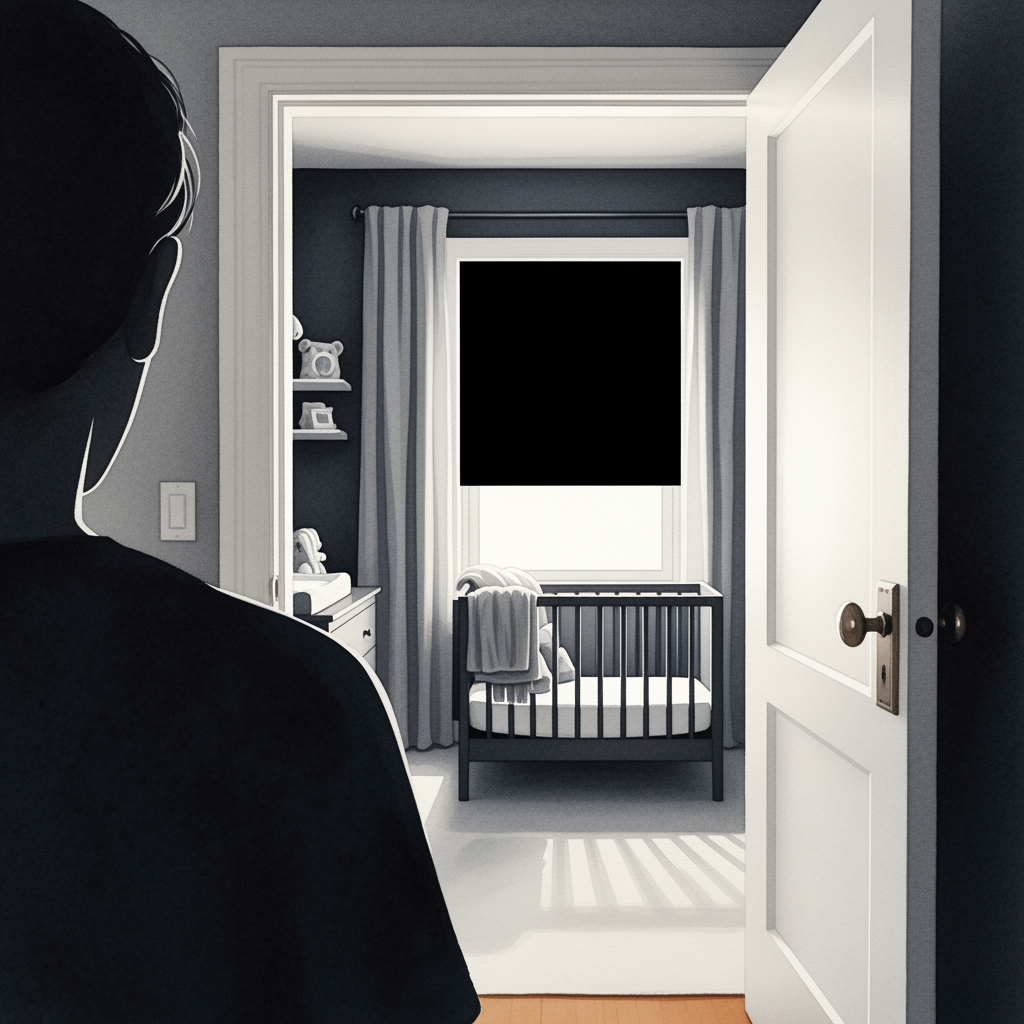
To make it easy, here is a simple checklist to guide you. Start at the top and work your way down. Even just completing the first two items will lead to a significant improvement in sleep for your entire family.
- Assess your room: Stand in the nursery during the day with the door closed and lights off. Wait a few minutes for your eyes to adjust. Note every spot where light gets in.
- Start with the basics: Buy a good white noise machine and effective blackout curtains. These two items provide the biggest return on your investment and effort.
- Seal the gaps: Add a door draft stopper to block light and sound from the hallway. Use black electrical tape to cover all small electronic LED lights.
- Layer solutions as needed: If sleep is still being disrupted, add more sound-absorbing materials. A thick rug and some fabric wall hangings can make a big difference.
- Stay consistent: Use the dark and quiet environment for all naps and nighttime sleep. This consistency creates a powerful sleep cue that will help your baby settle more easily.
By taking these steps, you are giving your baby a wonderful gift: the gift of healthy sleep. A well-rested baby is a happy baby, and a well-rested parent is a more patient and joyful one. You are on your way to a better night's sleep.