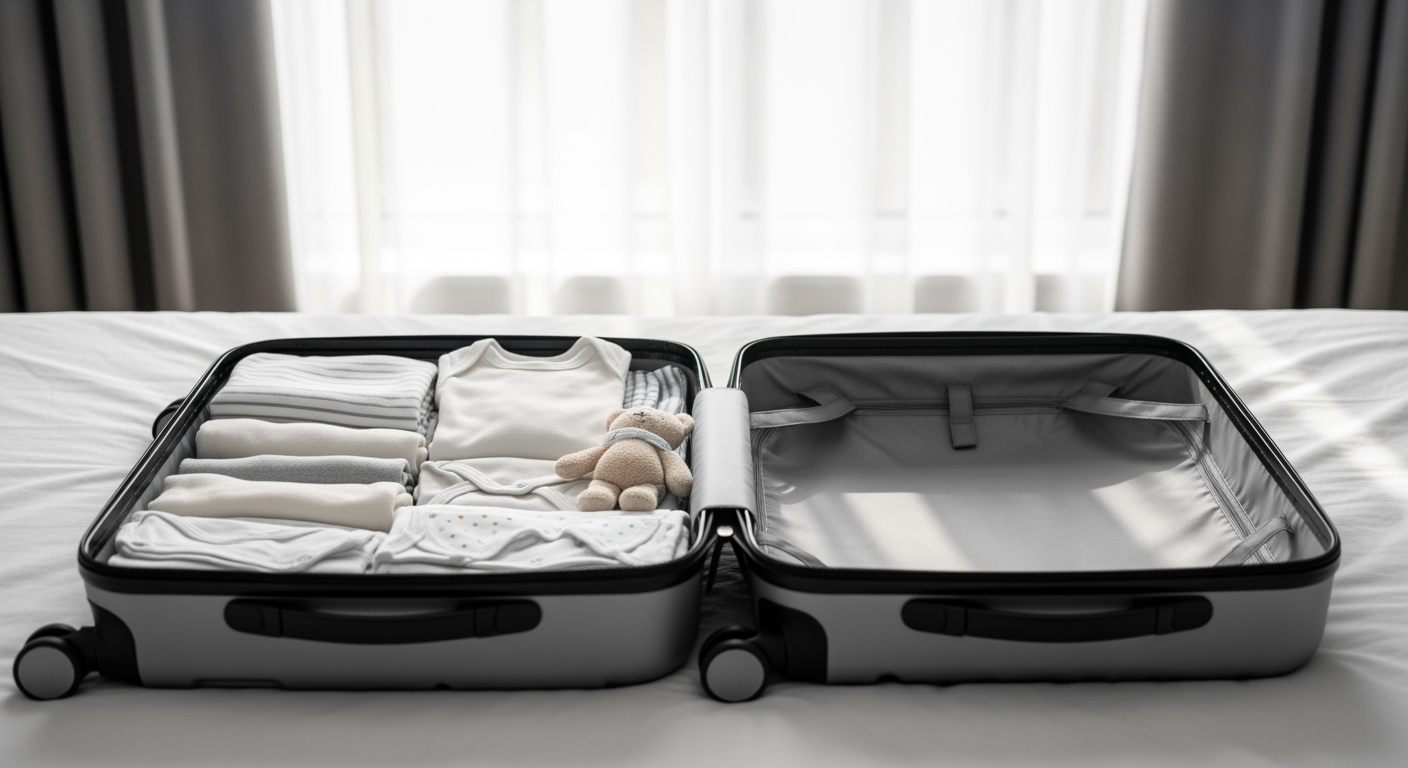
Planning a trip with your baby is exciting. But the thought of sleepless nights can cause a lot of worry. Many parents fear that jet lag will turn their vacation into an exhausted haze. A cranky, overtired baby can be hard to manage in a new place. You want to enjoy your time away, not spend it battling sleep issues.
The good news is that baby jet lag is completely manageable. You do not have to leave your family's well-being to chance. With the right plan, you can help your baby adjust to a new time zone smoothly. This guide gives you a clear, step-by-step strategy. It breaks down the process into three simple phases: Pre-Flight, In-Flight, and On-Arrival.
This article will show you how to gently reset your baby's powerful internal clock. We will provide actionable, age-specific schedules and tips. You will learn how to prepare before you leave, what to do on the plane, and how to handle the first few days at your destination. This plan will help everyone get the rest they need to have a wonderful trip.
Understanding Baby Jet Lag: The Science of Your Baby's Internal Clock
To conquer baby jet lag, you first need to understand why it happens. It is not just about being tired from a long flight. Jet lag is a biological response to a change in your environment. Your baby has a powerful internal clock that controls their sleep and wake cycles. This clock is called the circadian rhythm. When you cross time zones, this internal clock becomes out of sync with the new local time. The sun might be rising at your destination, but your baby's body still thinks it is the middle of the night. This mismatch causes the classic symptoms of jet lag. These can include trouble falling asleep, waking up often at night, and daytime crankiness.

Think of your baby's circadian rhythm as their internal "master clock." This clock is set to your home time zone. It is regulated by powerful external cues. The most important cue is light. Morning sunlight tells the brain it is time to be awake and active. Darkness signals that it is time to produce melatonin, the sleep hormone. Other cues like meal times and social activities also help keep this clock on track. When you travel, the goal of a baby jet lag sleep plan is to use these cues to gently reset the master clock to the new local time. Experts suggest it can take about one day to adjust for every one-hour time zone you cross. So, a six-hour time difference could take up to six days to fully resolve.
Another key concept is "sleep pressure." Imagine a balloon that slowly inflates the longer your baby is awake. This is sleep pressure. When the balloon is full, your baby feels tired and is ready for sleep. A full night of sleep completely deflates the balloon. Naps let a little air out, but not all of it. During jet lag, this balloon can feel full at the wrong times, like midday. Or it might feel empty at bedtime in the new time zone. Our plan will help you manage naps carefully. We want to ensure the sleep pressure balloon is perfectly full right before bedtime at your destination. By controlling light exposure and sleep pressure, you can guide your baby's body to the new schedule much faster.
Phase 1: The Pre-Flight Plan (Starting 1 Week Before Departure)
A successful trip starts long before you head to the airport. The pre-flight phase is your chance to lessen the impact of jet lag before it even begins. By making small adjustments in the week leading up to your departure, you can give your baby a significant head start. This proactive approach helps reduce the shock to their system upon arrival. Instead of making an abrupt change, you are easing their body into the new schedule. This phase focuses on two main strategies: gradually shifting their current schedule and making sure they are as well-rested as possible before the journey. A little preparation at home can make a world of difference when you are miles away. It sets the stage for a smoother transition and a happier baby. Let's explore how to put these strategies into action.

Strategy 1: Gradually Shift the Schedule
The most effective pre-travel strategy is to slowly move your baby's schedule closer to the destination's time zone. You should start this process about three to six days before you fly. The idea is to shift their entire daily routine. This includes their morning wake-up time, all naps, meal times, and bedtime. Move everything in small steps of 15 to 30 minutes each day. If you are traveling east, you will shift everything earlier. If you are traveling west, you will shift everything later. For example, for a three-hour eastward time change, you could start shifting the schedule 30 minutes earlier each day for six days. This slow and steady approach is much easier for a baby's body to handle than a sudden, multi-hour jump. It helps their internal clock begin the adjustment process in a familiar and low-stress environment.
Strategy 2: Prioritize Pre-Travel Sleep
Do not underestimate the power of a well-rested baby. In the final two to three days before your flight, make sleep a top priority. A baby who is already overtired or sleep-deprived will have a much harder time coping with the stress of travel and the challenge of adjusting to a new time zone. Travel itself is stimulating and can be exhausting. An overtired baby is more likely to be fussy on the plane and struggle to settle at your destination. Think of this pre-travel sleep as filling up their resilience tank. Protect their naps and ensure their bedtimes are consistent. Avoid late nights or skipping naps in the rush to pack and prepare. A fully rested baby arrives with the resources they need to adapt more quickly and calmly. This simple step is one of the most important things you can do to set your trip up for success.
Example Schedule Shift (3-Hour Eastward Travel)
Let's make this practical. Imagine you live in Los Angeles and are traveling to New York, a 3-hour time difference. You are traveling east, so you need to shift your baby's schedule earlier. If your baby's normal bedtime is 7:00 PM PST, you want to get them closer to a 7:00 PM EST bedtime. This means their body needs to think 7:00 PM is 4:00 PM. Here is a sample plan using 30-minute shifts.
| Day Before Travel | Home Time Bedtime | Action for the Day |
|---|---|---|
| Day -4 | 7:00 PM | Normal Schedule |
| Day -3 | 6:30 PM | Shift wake-up, naps, and bedtime 30 mins earlier. |
| Day -2 | 6:00 PM | Shift everything another 30 mins earlier. |
| Day -1 | 5:30 PM | Shift everything another 30 mins earlier. |
Remember to shift everything, not just bedtime. If you shift bedtime earlier, you must also shift the morning wake-up and all naps earlier to maintain proper wake windows. By the time you travel, your baby's body will already be halfway to the new time zone, making the final adjustment much less dramatic.
Phase 2: The In-Flight Plan (Surviving the Journey)
The flight itself is a bridge between your home time and your destination time. How you manage this period can significantly influence your success upon arrival. Many parents dread the flight, but with a strategic plan, you can make it a productive part of your jet lag adjustment. The common myth is to keep your baby awake for the entire flight. This almost always backfires, leading to an extremely overtired and distressed baby who sleeps poorly later. A better approach is to manage sleep, stimulation, and comfort strategically. Your goal is to create a calm, sleep-friendly environment while guiding your baby toward the new schedule. This phase is about survival, but it is also about setting the stage for a smooth landing.

Setting the Scene for Sleep
Your first action on the plane should be to switch your mindset. As soon as you board, change the time on your watch and phone to the destination's time zone. This helps you start thinking and acting on the new schedule immediately. Next, focus on recreating your baby's sleep cues. Even in a strange environment, familiar routines send powerful signals to your baby's brain that it is time to rest. When it is naptime or bedtime according to the new time zone, change your baby into their pajamas and sleep sack. Use a portable white noise machine to block out the cabin noise. Create a dark space by using a special-made cover for the airline bassinet or by carefully draping a lightweight, breathable blanket. This mini-routine tells your baby that the same sleep rules apply, even at 30,000 feet. These actions create a comforting cocoon that encourages rest.
To Sleep or Not to Sleep?
Whether you encourage sleep on the plane depends on your arrival time. This is a crucial decision. If you have a long flight that arrives in the morning at your destination, you should encourage as much sleep as possible. Booking a red-eye flight that aligns with their natural nighttime sleep can be very helpful here. The more rest they get on the plane, the better they will be able to cope with the first day. However, if your flight arrives in the late afternoon or evening, your strategy changes. In this case, you want them to be tired enough to go to bed shortly after you arrive. Try to keep them awake for the last few hours of the flight. Use quiet toys, snacks, and books to keep them engaged without overstimulating them. This helps build up that important sleep pressure, making it more likely they will accept bedtime in the new time zone.
In-Flight Survival Kit Checklist
Packing a dedicated in-flight kit can be a lifesaver. Having these items easily accessible in your carry-on bag means you will not be scrambling mid-flight. This kit should focus on comfort, sleep, and low-key entertainment.
- A portable white noise machine and charger. The cabin can be loud and unpredictable, and white noise creates a consistent sound environment.
- A blackout cover for the bassinet or a lightweight, dark, breathable blanket to create darkness for sleep.
- Familiar pajamas and a sleep sack to signal that it is time for sleep.
- Plenty of favorite snacks and hydrating drinks. Dehydration can worsen jet lag symptoms. Offer milk or water frequently.
- Comfort items that smell like home, such as a lovey, a favorite small blanket, or even a crib sheet.
- A few new, quiet, low-stimulation toys to keep them occupied during wakeful periods without causing excitement.
Phase 3: The On-Arrival Plan (Your First 72 Hours)
You have landed. This is where your plan truly gets put to the test. The first 72 hours at your destination are the most critical for resetting your baby's internal clock. Your actions during this period will determine how quickly your family adjusts and starts enjoying the trip. It will be tempting to give in to your baby's old schedule, especially when they are fussy and you are exhausted. But consistency is your greatest ally. This phase requires a firm commitment to the new time zone. You will use a combination of powerful environmental cues—light, food, and routine—to anchor your baby's circadian rhythm to its new reality. While the first couple of days might be challenging, sticking to the plan will lead to a much faster and smoother adjustment for everyone.
The Golden Rule: Jump Right In
The single most important rule upon arrival is to switch to the new time zone immediately and completely. As soon as your plane lands, every aspect of your baby's day should follow the local clock. This means meals, naps, and playtime happen at their appropriate local times, not when they would have happened at home. If you arrive at 8:00 AM, start the day. Do not let your baby go down for a long nap just because it is the middle of the night on their body clock. If you arrive in the evening, start the bedtime routine and put them to bed. Catering to the old time zone, even for a few hours, will only confuse their body and prolong the jet lag. This jump can feel harsh, but it is the fastest and most effective way to send a clear message to your baby's brain that this is the new normal. Be confident and consistent. Your baby will follow your lead.
Your First 3 Days: A Step-by-Step Guide
The first three days are a structured campaign to reset your baby's clock. Here is what to focus on each day.
- Day 1 (Arrival Day):
Your main goal today is to expose your baby to the new schedule. Get outside into natural daylight as soon as possible, especially in the morning. Sunlight is your superpower; it's the most powerful tool for resetting the circadian rhythm. Allow naps when needed, but manage them carefully. Try to keep total daytime sleep close to what they get at home, and do not let any single nap go longer than about two hours. A long nap can 'steal' sleep from the night. When evening comes, perform your entire bedtime routine. Even if your baby fights sleep, the familiar sequence of bath, pajamas, book, and song sends strong sleep cues.
- Day 2 (The Toughest Day):
Day two is often the most challenging, as sleep debt catches up. Expect night wakings. When they happen, handle them calmly. Keep the lights very dim and interaction minimal. Avoid stimulating play or turning on screens. The goal is to communicate that nighttime is for sleeping. If they are wide awake and distressed, it is okay to get up for 20-30 minutes of quiet activity in a dimly lit room before trying to put them back down. During the day, anchor their schedule with meals. Offer breakfast, lunch, dinner, and snacks at the appropriate local times. Mealtimes are another powerful cue for the body's internal clock.
- Day 3 (Turning the Corner):
By day three, you should start to see progress. To solidify the new schedule, wake your baby at your desired wake-up time, for example, 7:00 AM local time. Do this even if they had a rough night. A consistent wake-up time helps to anchor the start of the day and regulate the schedule that follows. Throughout the day, try to gently push their wake windows to be age-appropriate for the new time zone. This helps build adequate sleep pressure for naps and bedtime, making it easier for them to fall asleep and stay asleep. Continue with lots of daytime light and a dark environment for all sleep.
Sample Jet Lag Schedules (East vs. West Travel)
Your strategy on arrival will differ depending on the direction of travel. Traveling west is generally easier. It involves extending the day, which aligns with the body's natural tendency to have a cycle slightly longer than 24 hours. Traveling east is harder because it requires shortening the day, which goes against the body's natural rhythm. The following table provides sample strategies to help you customize your plan.
| Age Group | Travel Direction | Day 1 Goal | Nap Strategy | Bedtime Goal (Local Time) |
|---|---|---|---|---|
| 6-12 Months | Westward (NY to LA) | Extend the day. | Add a third catnap in the late afternoon to bridge the gap to a later bedtime. | Aim for 7-8 PM. It will feel like 10-11 PM to baby, so the extra nap is key. |
| 6-12 Months | Eastward (LA to NY) | Shorten the day. | Stick to two naps but wake them up to preserve a full wake window before an earlier bedtime. | Aim for 7-8 PM. It will feel like 4-5 PM to baby, so expect a challenge. |
| 1-3 Years | Westward (NY to LA) | Push bedtime later. | Cap the afternoon nap to ensure they are tired enough for a later bedtime. | Aim for 8 PM. Use quiet activities to keep them up without getting overtired. |
| 1-3 Years | Eastward (LA to NY) | Get to bed early. | Might need a short, emergency catnap if they can't make it to an early bedtime. | Aim for 7 PM. Blackout curtains are essential as it will still be light outside. |
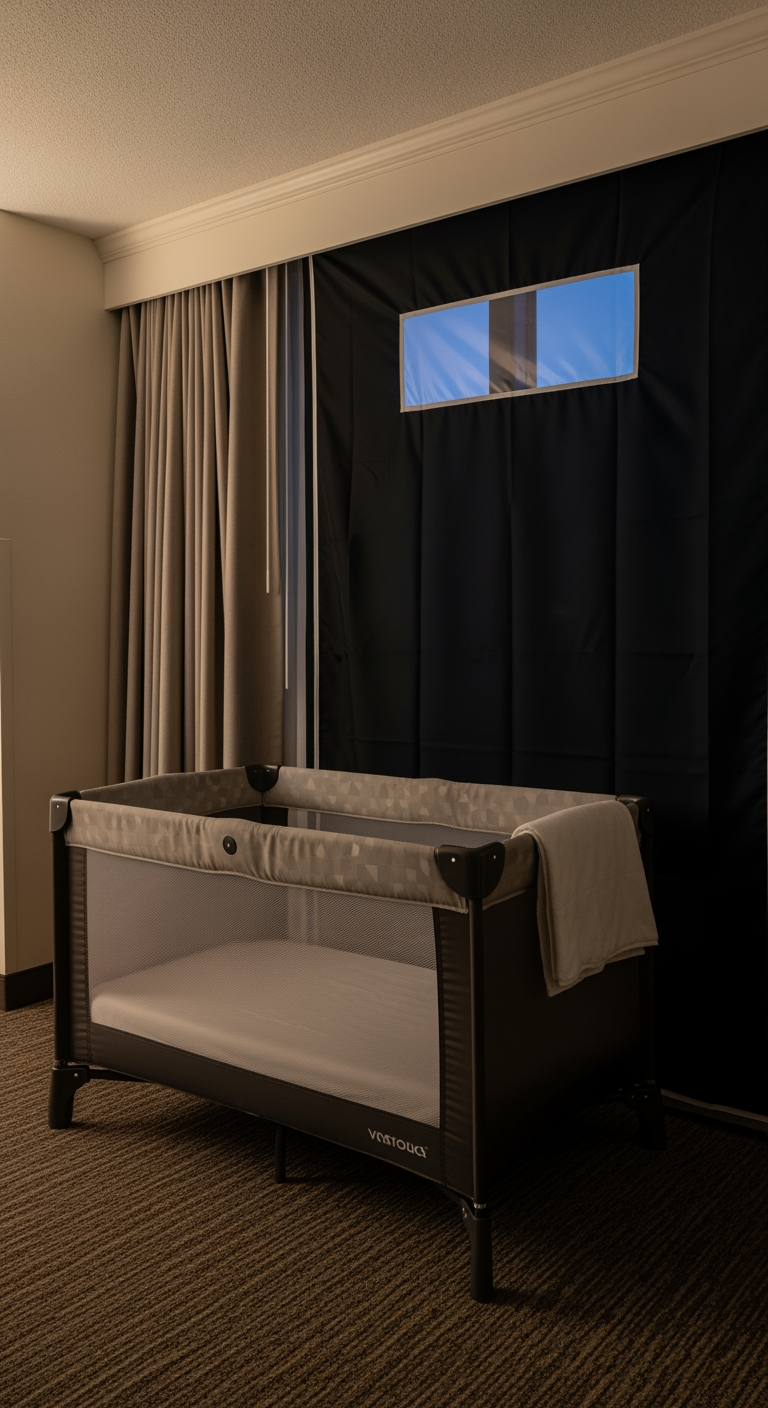
When traveling east with a toddler who is on one nap, the challenge is the early bedtime. It may still be bright daylight outside when you need them to sleep. This is where travel blackout curtains become your most valuable tool. Making the room as dark as possible helps signal to their brain that it is time for sleep, even if the sun disagrees. Be patient and consistent. It might take a few attempts, but sticking to the plan is the best way forward.
Charting Your Course: Your Actionable Next Steps
You now have a complete, three-phase plan to conquer baby jet lag. You have learned that preparation is key and that you have powerful tools to guide your baby's adjustment. Remember that while jet lag is a real biological challenge, it is one you can manage effectively. A few days of focused effort can mean the difference between an exhausting ordeal and a restful, enjoyable vacation for the entire family. Your confidence and consistency will be your baby's guide.
Let's review the core pillars of your success. First, start shifting your baby's schedule gradually before you even leave home. Second, manage the flight strategically by creating a sleep-friendly space and timing naps based on your arrival. Third, and most importantly, jump straight into the new time zone upon arrival. Use the powerful cues of sunlight, mealtimes, and a consistent bedtime routine to anchor your baby's internal clock. Manage naps carefully to protect nighttime sleep, and handle night wakings with calm patience.
Your next step is to take this information and create a personalized plan for your specific trip. Consider your travel direction, the number of time zones you will cross, and your baby's age. Use the sample schedules as a template. Pack your in-flight survival kit and get ready to lead your family through a smooth transition. With this plan in hand, you can look forward to your trip with excitement, not anxiety.