
You are exhausted. Just when you thought you had it figured out, it happened. The baby who was sleeping soundly is now waking up all night. They might fight naps and cry the moment you leave the room. If this sounds familiar, you are likely facing the 8-month sleep regression.
First, take a deep breath. You have not done anything wrong. This phase is not a true step backward. It is a sign of your baby's amazing brain and body development. It is temporary, and you can get through it. This is not just another article with vague advice. This is an actionable plan to help you understand the cause and get your family's sleep back on track.
In this guide, we will break down exactly what the 8-month sleep regression is. We will give you a core strategy to use no matter the situation. Then, we will provide three specific mini-plans. You can choose the one that best fits your baby's current struggles, whether it is new skills, clinginess, or nap battles.
What is the 8-Month Sleep Regression (and Why is it Happening Now)?
The 8-month sleep regression is a temporary period when your baby's sleep patterns fall apart. It usually happens between 8 and 10 months of age. A baby who was sleeping well might suddenly start waking up often at night. They might also refuse to nap or take very short naps. This phase can last from a few nights to several weeks. It feels frustrating, but it is a normal part of your baby's growth.
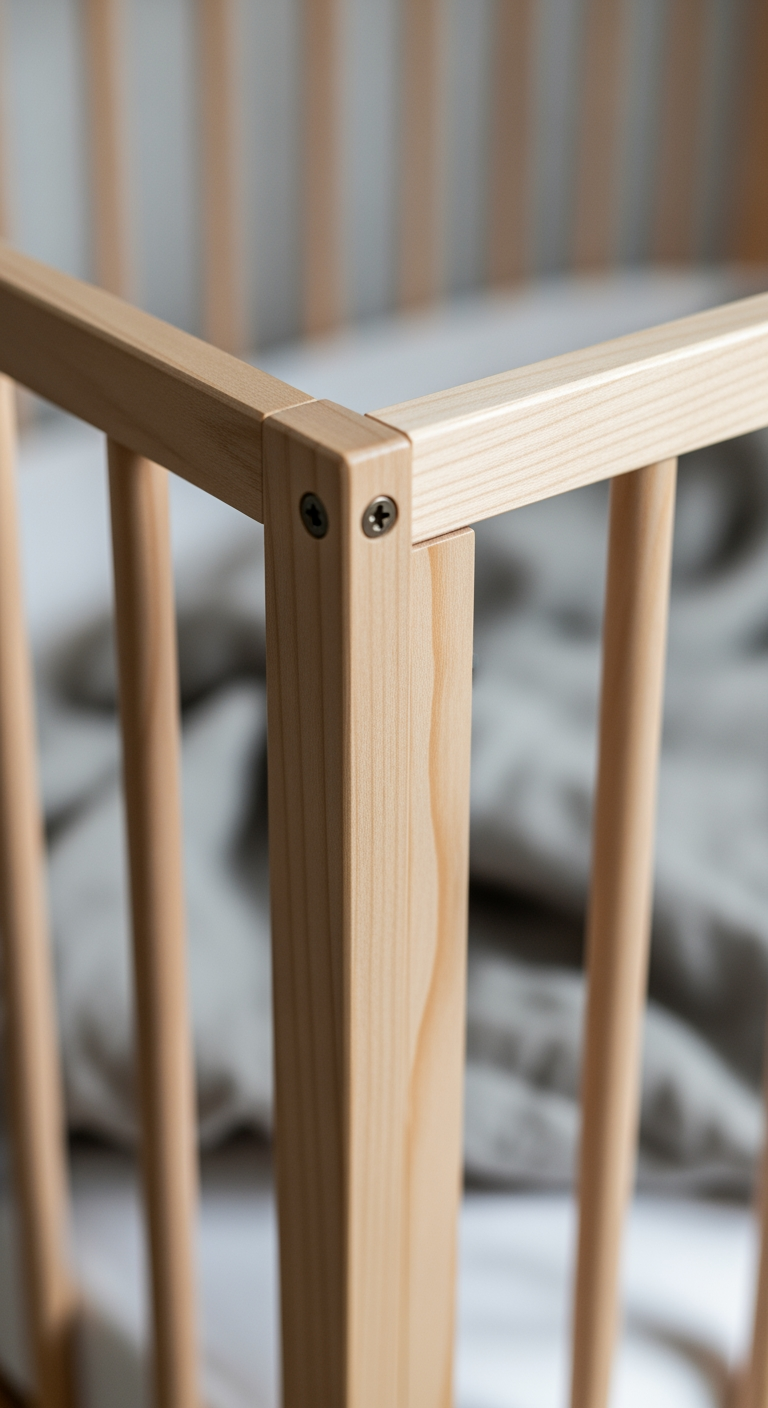
Think of your baby’s brain like a computer. Right now, it is running a huge software update. It is learning to crawl, pull to stand, and understand the world in new ways. While the computer focuses on this big update, other programs can get glitchy. Sleep is one of those programs. The disruption is a side effect of incredible progress. There are three main reasons this happens right around this age.
First, your baby is going through major developmental leaps. They are mastering big physical skills. They learn to sit up, crawl, and pull themselves into a standing position. Their little brains are so excited and stimulated by these new abilities. This makes it hard for them to 'shut off' and relax enough to sleep. They might prefer to practice their new skills in the crib instead of sleeping.
Second, separation anxiety becomes much stronger. Your baby is starting to understand something called object permanence. This means they know you still exist even when you are not in the room. Before, it was 'out of sight, out of mind.' Now, it is 'out of sight, where did my favorite person go?' This new understanding can cause real distress and anxiety when you leave them for sleep.
Third, your baby is likely going through a nap transition. Around this age, most babies are ready to move from three naps a day down to two. This is a big change for their internal clock. During this transition, it is very easy for them to become overtired. An overtired baby often has a harder time falling asleep and staying asleep. This makes the regression feel much worse. While teething can add to the fussiness, it is rarely the only cause for a sleep disruption that lasts for weeks. The underlying developmental changes are the true drivers of this phase.
The Core of Your Strategy: Consistency is Your Superpower
When you are tired and your baby is crying, it is tempting to do anything to make it stop. You might rock, feed, or hold your baby until they fall asleep. While this works in the moment, it can create new problems. These actions can become new 'sleep associations.' Your baby might start needing them every time they wake up. The goal during a regression is to offer comfort without creating new habits that will outlast this phase.

Your most powerful tool is consistency. A consistent response teaches your baby what to expect. It reassures them and helps them get back to their good sleep habits faster. This period can actually be a good time to focus on independent sleep skills. Sticking to a plan helps you navigate the regression more quickly and come out on the other side with a great sleeper. To help you stay on track, follow a few simple rules. These are the foundation of your plan, no matter which specific issue you are facing.
These golden rules provide a predictable framework for your baby. They are simple, easy to remember, and highly effective when you apply them every single day and night.
- Rule 1: Stick to Your Routine. A predictable bedtime routine is more important now than ever. It signals to your baby's brain that sleep is coming.
- Rule 2: Optimize the Environment. Keep the room very dark and use continuous white noise. This limits distractions and helps them stay asleep.
- Rule 3: Comfort, But Don't Create. Offer brief, reassuring comfort. Try to do this without removing your baby from the crib if possible.
- Rule 4: Watch the Clock. Follow age-appropriate wake windows. This helps prevent a baby who is too tired or not tired enough to sleep well.
Let's expand on these rules. A good routine is a sequence of 3-4 calm activities, like a bath, putting on pajamas, reading a book, and singing a song. This should take about 20-30 minutes. For the environment, blackout curtains are key. Even a small amount of light can disrupt sleep. A white noise machine helps block out household sounds. When offering comfort, the goal is to be reassuring but boring. A quick back rub and a soft 'It's sleepy time' is better than a long cuddle session. Finally, wake windows are like your baby's energy tank. At this age, they can typically stay awake for 2.5 to 3.5 hours. Putting them down for a nap when their tank is low but not empty is the secret to easier sleep.
Your Action Plan: Which Scenario Fits Your Baby?
Now that you have the core strategy, it is time to get specific. The 8-month sleep regression looks different for every baby because it can be driven by different needs. Read through the three scenarios below. Find the one that sounds most like your current situation. This will help you apply a targeted plan that addresses the root cause of your baby's sleep disruption. You might see a little of your baby in more than one plan, and that is okay. You can combine strategies, but focus on the one that seems to be the biggest issue first.

Plan A: For the Baby Practicing New Skills (Developmental Leap)
Does this sound familiar? You put your baby down to sleep, but when you check the monitor, they are wide awake. They are busy pulling to a stand, crawling around the crib, or sitting up. They might not even be crying, just practicing. Sometimes, they get 'stuck' in a standing position and get frustrated because they do not know how to get back down. This baby's brain is so focused on their new skills that it overrides their need for sleep. Your goal is to give them plenty of time to practice during the day so the crib becomes a place for sleep again.
Follow these steps to help your little acrobat learn to separate practice time from sleep time.
- Daytime Practice: During each wake window, make sure your baby gets at least 30-45 minutes of active floor time. Let them crawl, pull up on furniture, and explore. The more they master these skills during the day, the less they will need to practice them at night.
- Teach "Down": Play a new game during the day. When your baby pulls to a stand, help them practice getting back down. Gently bend their knees and guide them to a sitting position. As you do, say a simple word like "down." If they get stuck standing in the crib, go in, guide them down the same way, and then leave. Do not pick them up.
- The 1-Minute Rule: If your baby wakes at night to practice, give them some space. If they are not upset, let them figure it out. If they get distressed, go in for a very brief interaction. Lay them back down, say your reassuring phrase, and leave. The entire check-in should be less than 60 seconds.
By focusing heavily on daytime practice, you meet your baby's developmental needs. This reduces their urge to use their sleep space as a gym. Teaching them how to get down gives them independence and reduces frustration, which in turn reduces night wakings.
Plan B: For the Clingy Baby (Separation Anxiety)
Is bedtime a battle of wills? Does your baby start crying the second you begin to leave the room? Do they wake up at night with a hysterical cry that only stops when you appear? This is a classic sign of separation anxiety. Your baby's new understanding of object permanence means they know you are gone, and they do not like it. The goal of this plan is to fill their 'attention tank' during the day and build their confidence that you will always come back. This builds security and reduces their need to cry to bring you back.
Try these strategies to gently reassure your baby and build their confidence.
- Fill Their "Attention Tank": Before you even start the bedtime routine, spend 15 minutes in focused, one-on-one time. This means no phones, no TV, just you and the baby. Cuddle, read, or play on the floor. This dedicated connection helps them feel secure.
- Play Peek-a-Boo: This simple game is a powerful tool. During the day, play peek-a-boo and hide-and-seek around furniture. This reinforces the idea of object permanence in a fun, low-stress way. They learn that when you disappear, you always reappear.
- Gradual Departure: At bedtime, try not to rush out. After you place your baby in the crib, sit in a chair in their room for a few nights. Then, move the chair closer to the door every couple of nights. Eventually, you will be sitting right outside the door, and then you will be gone.
- Quick Check-Ins: If they cry after you leave, use a consistent check-in method. Wait a set amount of time before going in (e.g., 5 minutes, then 7, then 10). When you go in, keep it brief and boring. Say a script like, "I love you, it's time to sleep," give a quick pat, and leave.
This approach validates your baby's feelings while maintaining clear boundaries around sleep. It shows them that you are responsive to their needs, but that the expectation to sleep independently remains firm.
Plan C: For the Baby Fighting Naps (Nap Transition)
This baby's sleep problems center around naps. They might suddenly refuse their third nap of the day. Or maybe all their naps have become short 30-minute catnaps. This often means they are getting ready for a 2-nap schedule. Their wake windows are getting longer, and they are just not tired enough for that late afternoon nap. The biggest mistake parents make is dropping the third nap too quickly without adjusting the rest of the schedule. This leads to a severely overtired baby by bedtime, which causes more night wakings and a cycle of poor sleep.
The key is a gradual transition to a 2-nap schedule. This ensures your baby gets enough daytime sleep to be well-rested for the night. Here is what a sample 2-nap schedule might look like. Remember that these times are just examples. Focus on the wake windows.
| Time | Activity | Wake Window |
|---|---|---|
| 7:00 AM | Wake Up & Feed | |
| 9:30 AM – 11:00 AM | Nap 1 (Aim for 1.5 hours) | 2.5 hours |
| 2:30 PM – 4:00 PM | Nap 2 (Aim for 1.5 hours) | 3.5 hours |
| 6:45 PM | Start Bedtime Routine | ~2.75-3 hours |
| 7:15 PM | Bedtime |
During the transition period, be flexible. You may need to have some 2-nap days and some 3-nap days. On days with only two naps, you must use a very early bedtime to prevent overtiredness. A bedtime as early as 6:00 PM is perfectly fine and necessary. This 'reset' bedtime helps your baby catch up on sleep and prevents the overtired cycle from taking hold.
What This Means For Your Family's Sleep
Navigating the 8-month sleep regression can be one of the toughest challenges of your baby's first year. But it is important to remember what it truly is: a sign of healthy, positive development. Your baby is not trying to make you tired. They are learning and growing at an incredible rate, and their sleep is temporarily disrupted as a result. This phase will pass. By understanding the cause and being consistent with your chosen plan, you can move through it in a few weeks.

Your main takeaways are to remain consistent, avoid creating new habits born from desperation, and target the root cause of the disruption. Whether it is providing more floor time for a budding gymnast, offering more cuddles for an anxious heart, or adjusting schedules for a nap transition, you have the tools. You are giving your baby the support they need while holding firm on the importance of independent sleep.
Trust your instincts and be patient with your baby and yourself. You will get through this. However, if your baby's sleep issues continue for more than a few weeks despite your best efforts, or if they are accompanied by other symptoms like a fever, poor appetite, or lack of weight gain, it is always best to consult your pediatrician. They can help rule out any underlying medical issues.