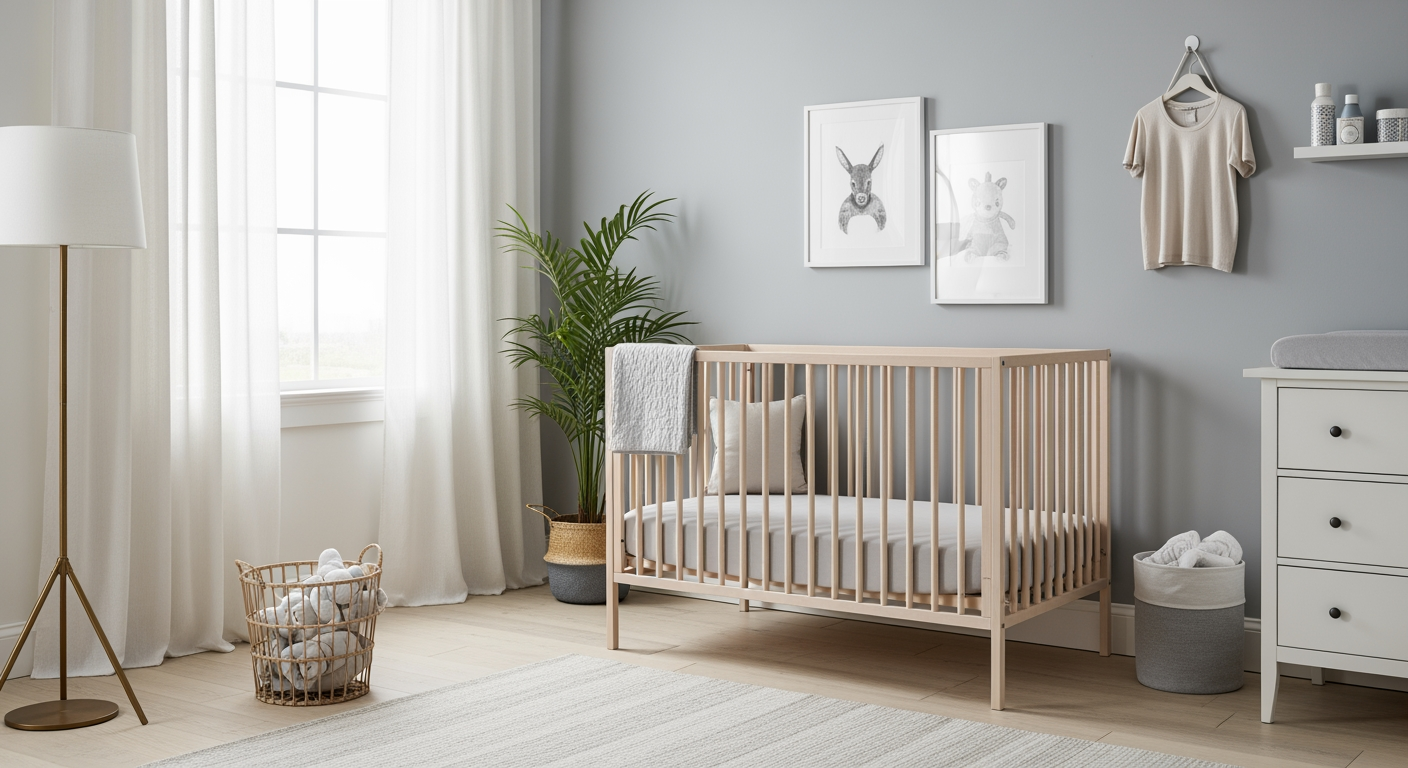
Your four-month-old was likely a sleepy newborn just a few weeks ago. Now, something has changed. Suddenly, naps are short, unpredictable, and a source of daily frustration. You might put your baby down, hope for an hour of peace, and find them awake just 30 minutes later. This can feel confusing and exhausting. It leaves you with no time for yourself and worrying if your baby is getting enough rest.
You are not alone in this struggle. This change is a normal, expected part of your baby's development. The four-month mark is a major turning point for infant sleep. Their brains and bodies are undergoing a huge transformation. This guide will help you understand why this shift happens. More importantly, it will give you a clear, actionable plan to move past these short "crap naps" and toward longer, more restorative sleep for your baby.
We will cover the science behind your baby's new sleep patterns. You will learn the key numbers for sleep needs at this age. We will also provide a unique troubleshooting framework to help you pinpoint the exact cause of your nap issues. Get ready to feel confident and in control of your baby's sleep schedule.
The Science of 4-Month-Old Sleep: Why Naps Suddenly Change
If you feel like your baby's sleep patterns changed overnight, you are right. Around four months of age, a baby's brain undergoes a significant and permanent upgrade. This event is often called the "4-month sleep regression," but it is not a regression at all. It is a sign of healthy neurological development. Your baby is not losing a skill; they are gaining a more complex one. This change is the number one reason why naps can suddenly become very short. Understanding this process can help you feel less frustrated and more empowered to help your baby adjust.
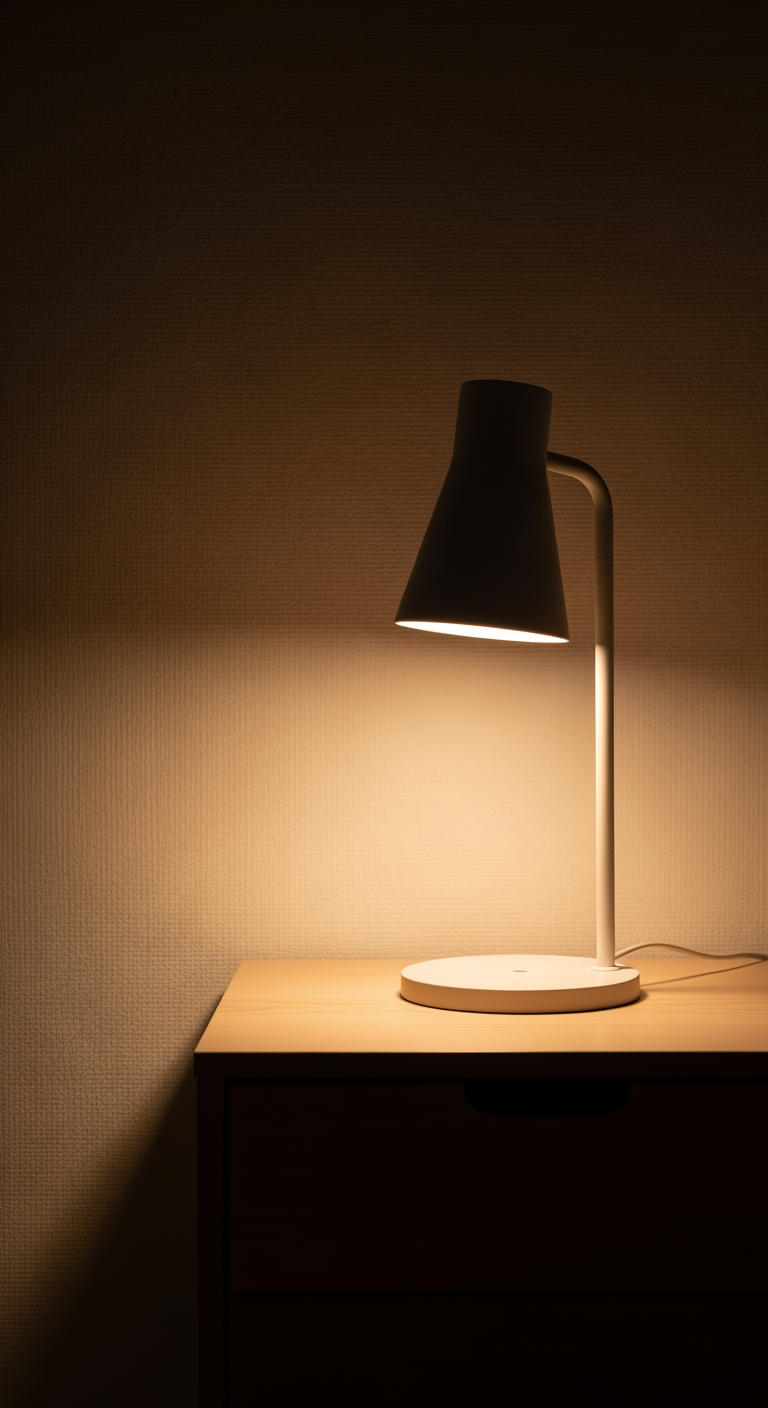
Think of a newborn's sleep like a simple light switch. It is either on or off. They are either asleep or awake. There is not much in between. This is a two-stage sleep pattern. Around the four-month mark, their brain wiring changes. The simple light switch is replaced with a sophisticated dimmer switch. Their sleep now has four distinct stages, just like adult sleep. These stages include cycles of light sleep and deep sleep. This is a huge milestone for your baby's brain development. It shows their circadian rhythm is beginning to mature.
This new, complex sleep system is what causes the nap disruption. A single sleep cycle for a four-month-old lasts about 30 to 45 minutes. At the end of a cycle, they enter a very light stage of sleep and may even briefly wake up. Before this change, they would easily transition back to sleep. Now, with their more adult-like patterns, they become more aware of their surroundings during this light sleep phase. If something is different from when they first fell asleep, they will likely wake up fully. They have not yet learned how to connect one sleep cycle to the next one on their own. This is why you see those frustratingly precise 35-minute naps. Your baby is completing one cycle and then signaling for help because they do not know how to start the next one. This is a skill that can be learned with your gentle guidance and a consistent approach.
It is crucial to know that this change is permanent. You cannot go back to the newborn sleep patterns. The goal is not to wait it out but to adapt. Waiting without making adjustments can lead to poor sleep habits becoming ingrained. The key is to teach your baby how to navigate their new sleep cycles independently. By creating the right conditions for sleep and being consistent, you can help them learn to connect these cycles. This will turn short catnaps into longer, more restorative naps. This process takes patience, but it lays the foundation for healthy sleep for months and years to come.
Your 4-Month-Old's Sleep Needs: The 2026 Benchmark Numbers
Knowing the typical sleep needs for a four-month-old provides a helpful starting point. These numbers are not strict rules but benchmarks to guide you. Every baby is different, with unique sleep requirements. Some babies have higher sleep needs, while others thrive on a bit less. Use this data to assess your own baby's patterns and create a flexible routine that works for your family. The goal is a well-rested baby, not a perfect schedule.

Below is a table summarizing the average sleep metrics for a four-month-old. These guidelines are based on recommendations from sleep experts and align with general pediatric advice. Pay close attention to wake windows, as they are often the key to unlocking longer naps. Remember to always follow safe sleep practices as recommended by the American Academy of Pediatrics (AAP). This includes placing your baby on their back for sleep in an empty crib.
| Metric | Guideline |
|---|---|
| Total 24-Hour Sleep | 12 to 17 hours |
| Nighttime Sleep | 10 to 12 hours |
| Total Daytime Sleep | 3.5 to 4.5 hours |
| Number of Naps | 3 to 4 naps |
| Typical Wake Window | 1.5 to 2.5 hours |
| Max Nap Length | 2 hours (cap naps) |
These numbers tell an important story. Your baby needs about 3.5 to 4.5 hours of daytime sleep. If they are only taking 30-minute naps, they would need 7 or 8 naps to meet that need, which is not realistic. This is why extending at least some of those naps is so important. Capping any single nap at two hours is also a common strategy. This prevents your baby from getting too much daytime sleep, which could interfere with their ability to sleep for long stretches at night. It also helps keep the daily schedule on track.
The Short Nap Troubleshooting Framework: Your Step-by-Step Diagnostic Tool
Simply knowing why naps are short is not enough. You need a plan to fix them. This troubleshooting framework is designed to make you a sleep detective. By following these steps in order, you can systematically identify and solve the root cause of your baby's short naps. Most nap issues at this age stem from one of three areas: timing, environment, or sleep habits. We will walk through each one, giving you clear actions to take. Be patient and methodical. Try one adjustment at a time for a few days before moving to the next. This will help you see what truly makes a difference.
- Step 1: Audit the Wake Window. The single most common reason for short naps is an incorrect wake window. A wake window is the amount of time your baby is awake between sleeps. Getting this timing right is crucial for building adequate sleep pressure. Think of sleep pressure like a balloon filling with air. You need enough air in the balloon for a good nap, but not so much that it pops. An overtired or undertired baby will struggle to connect sleep cycles.
Are You Putting Baby Down Too Early?
An undertired baby is a common cause of short naps. If you put your baby down for a nap before they have built enough sleep pressure, they may fall asleep easily but will not have the drive to stay asleep. That balloon of sleep pressure is only half-full. It is enough to get them to drift off, but it depletes quickly. After one 30-minute sleep cycle, the pressure is gone, and they wake up feeling refreshed and ready to play. You might see this if your baby fusses or protests for a while before falling asleep, or if they wake up from a short nap happy and cooing. The typical wake window for a four-month-old is between 1.5 and 2.5 hours. If your wake windows are on the shorter end of this range and naps are short, your baby might be undertired.
The solution is to gently stretch the wake window. Try adding just 15 minutes of awake time before the nap. Do this consistently for three days to see if it makes a difference. For example, if you usually put your baby down after 90 minutes, try waiting for 105 minutes. During this extra time, keep the environment engaging but not overstimulating. A walk outside, looking at high-contrast cards, or singing songs can help. This small change can build enough extra sleep pressure to help your baby push through that first sleep cycle transition and into a longer nap.
Are You Waiting Too Long?
On the other end of the spectrum is the overtired baby. This happens when the sleep pressure balloon gets over-inflated and "pops." When a baby is awake for too long, their body produces stimulating hormones like cortisol to keep them going. This makes it incredibly difficult for them to relax and fall into a deep sleep. An overtired baby often fights sleep intensely, becomes frantic or hysterical, and then crashes. They may fall asleep quickly out of sheer exhaustion but then wake up shortly after. The high cortisol levels can jolt them awake at the end of a sleep cycle. It is a common misconception that keeping a baby up longer will make them sleep better; it almost always backfires.
A key challenge at this age is that sleepy cues become less reliable. A yawn or eye-rub might now mean you have already missed the ideal window. If your baby is consistently fussy and hard to settle before naps, they are likely overtired. The solution is to put them down earlier. Try reducing the wake window by 15 minutes. If you have been waiting 2.5 hours, try putting them down after 2 hours and 15 minutes. Start your nap routine even earlier to ensure they are winding down as the window closes. Balancing sleepy cues with the clock is the most effective strategy at this age.
- Step 2: Assess the Sleep Environment. Once your timing is right, the next step is to ensure the sleep environment is optimized for connecting sleep cycles. When your baby surfaces from a sleep cycle, their surroundings should be exactly the same as when they fell asleep. The environment should be boring and consistent, giving them no reason to wake up fully.
Is it Dark Enough?
Light is the most powerful signal to the brain that it is time to be awake. Even small amounts of light filtering into the room can disrupt a nap. When your baby enters a lighter stage of sleep, their eyelids may flutter. If they detect light, their brain will get the message to wake up. This is a primary function of the circadian rhythm. For naps, you want to create a cave-like environment that promotes sleep at any time of day. This means making the room as dark as possible. Blackout curtains are essential. Use them to block all incoming sunlight. You can even add side tape or film to cover light gaps around the window frame.
The best way to check is with the "cave test." During the time your baby would be napping, go into their room and close the door. Let your eyes adjust for a few minutes. If you can clearly see your hand in front of your face, it is not dark enough. Cover up any small lights from electronics like baby monitors or air purifiers with electrical tape. A truly dark room removes a major environmental variable and tells your baby's brain that it is still time for sleep, making it much easier for them to transition into another sleep cycle.
Is There Consistent White Noise?
A quiet house is not always a sleeping baby's friend. Sudden, sharp noises from outside or inside the house can easily startle a baby out of a light sleep phase. A dog barking, the doorbell ringing, or a sibling shouting can end a nap instantly. This is where continuous white noise comes in. A good white noise machine creates a consistent, soothing soundscape that masks these disruptive noises. It works by blending sharp sounds into the constant hum, making them less likely to jolt your baby awake.
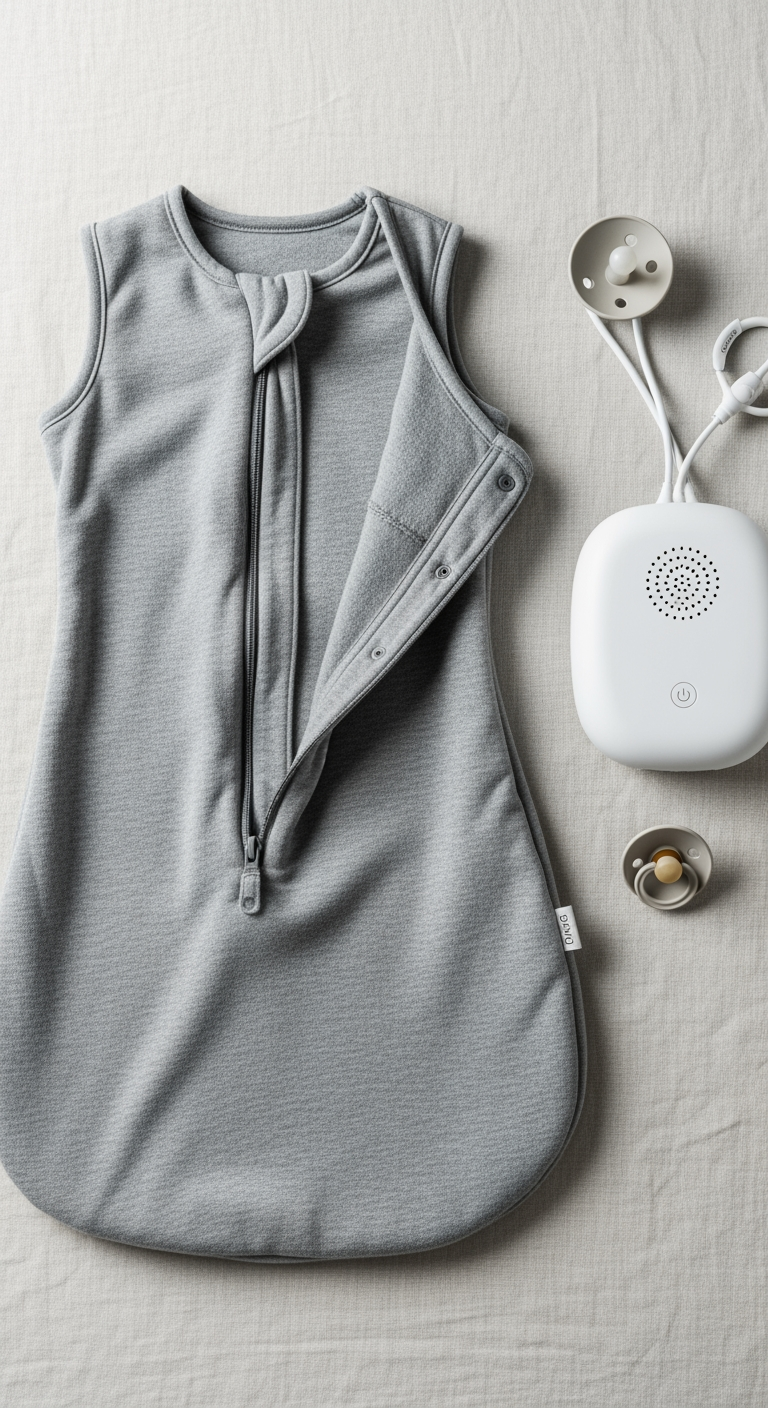
Choose a machine that produces a deep, rumbling sound, like a fan or air conditioner, rather than nature sounds or music, which can be stimulating. The sound should play continuously throughout the entire nap. Do not use a machine with a timer that shuts off after a certain period. The volume should be no louder than a soft shower when you are standing in the room. This consistent sound becomes a powerful cue for sleep and helps ensure that the environment remains unchanged when your baby is trying to connect sleep cycles.
- Step 3: Evaluate Sleep Associations. A sleep association is anything your baby needs to fall asleep. This can be rocking, feeding, a pacifier, or being held. While these are wonderful ways to soothe your baby, they can become a problem if your baby is unable to fall asleep without them. This is often called a "sleep prop."
The 'Drowsy But Awake' Goal
The concept of "drowsy but awake" is key to teaching independent sleep. It means putting your baby into their crib when they are calm and sleepy, but not yet fully asleep. This allows them to do the final part of falling asleep on their own. If your baby always falls asleep while feeding or being rocked in your arms, that becomes their expectation. When they wake up after one 30-minute sleep cycle, they are suddenly alone in their crib. The conditions are different from when they fell asleep. This is disorienting and they will cry out for the same help they had initially.
This is not a criticism of your parenting. Soothing your baby to sleep is natural and loving. However, to help them connect sleep cycles, they need the opportunity to learn how to fall asleep independently. When they can do it at the beginning of the nap, they are more likely to be able to do it in the middle of the nap. The goal is to gently reduce their dependence on you to fall asleep, empowering them with their own self-soothing skills.
One Nap at a Time
Trying to change every nap at once can be overwhelming for both you and your baby. A more manageable and effective approach is to focus on just one nap at a time. The first nap of the day is the perfect one to practice with. In the morning, sleep pressure is at its highest, and your baby is generally more rested and agreeable. This gives you the best chance of success. For this first nap, focus on your routine, hit the perfect wake window, and place your baby in the crib drowsy but awake.
If they protest, you can offer comfort and support, but try to let them do the work of falling asleep in the crib. For the other naps of the day, it is okay to continue doing what works, like holding them for a contact nap. This ensures they still get the daytime sleep they need while you practice this new skill in a low-pressure way. Once the first nap is consistently happening in the crib, you can then apply the same strategy to the second nap of the day, and so on. This gradual approach is gentle and sustainable.
Sample 4-Month-Old Nap Schedules (3-Nap vs. 4-Nap)
Seeing a schedule on paper can help you visualize how the day might flow. Below are two sample schedules for a four-month-old. One is a 4-nap schedule, which is common for babies who are still taking short naps. The other is a 3-nap schedule, which is the goal as naps start to consolidate and lengthen. These are just examples. You will need to adjust the times based on your baby's own wake windows and when they naturally wake for the day. Use these as a template, not a strict script.

The 4-nap schedule is a temporary strategy. It uses a final, short catnap in the late afternoon to bridge the gap to bedtime. This prevents your baby from becoming overtired in the evening. As your baby starts connecting sleep cycles and the first two or three naps get longer, they will naturally be able to stay awake for longer periods. This is when you can transition to a 3-nap schedule by dropping that final catnap. This transition usually happens closer to five or six months of age.
| Time | 4-Nap Schedule (for shorter naps) | 3-Nap Schedule (for longer naps) |
|---|---|---|
| 7:00 AM | Wake Up | Wake Up |
| 8:30 AM | Nap 1 (45 min) | Nap 1 (1.5 hours) |
| 10:45 AM | Nap 2 (45 min) | Nap 2 (1.5 hours) |
| 1:00 PM | Nap 3 (1.5 hours) | Awake/Play |
| 3:15 PM | Awake/Play | Nap 3 (45 min) |
| 4:30 PM | Nap 4 (30 min Catnap) | Awake/Play |
| 6:30 PM | Bedtime Routine Begins | Bedtime Routine Begins |
| 7:00 PM | Bedtime | Bedtime |
Your Guide to a Brighter Tomorrow: Next Steps & Actionable Tips
Navigating the four-month sleep change can be challenging, but it is a temporary phase of learning and adjustment. Remember that this is a sign of your baby's healthy brain development. You are not doing anything wrong. By understanding the science and using a systematic approach, you can guide your baby toward longer, more predictable naps. The key is consistency. Stick with your chosen strategies for several days to give them a chance to work. Progress is not always linear; there will be good days and bad days.
Celebrate the small victories along the way. Did the first nap happen in the crib? That is a huge win. Did one nap stretch to 45 minutes? That is progress. Be patient with your baby and with yourself. You are both learning a new skill. As you move forward, keep these key takeaways in mind:
- Focus on Wake Windows: This is your most powerful tool. Use the 1.5 to 2.5-hour range as your guide. Experiment by adding or subtracting 15 minutes to find your baby's sweet spot.
- Optimize the Environment: Make the room dark and boring. A pitch-black room with continuous white noise creates a consistent sleep space that encourages connecting cycles.
- Be Patient and Consistent: It takes time and repetition for your baby to learn new skills. Focus on one nap at a time and do not give up. Your efforts will pay off with more restful sleep for everyone.
By taking these steps, you are laying a strong foundation for healthy sleep that will benefit your child for years to come. You can get through this, and soon, those frustratingly short naps will be a distant memory.