Are you feeling exhausted? Does your day revolve around your baby’s unpredictable sleep? You are not alone. Many parents struggle with short naps and wake-ups before the sun even rises. It can feel like you have tried everything. You have a routine, a sound machine, and the perfect swaddle. Yet, consistent sleep remains just out of reach. This struggle can be frustrating and deeply tiring for the whole family.
There is a powerful tool you might be overlooking. It is not a gadget or a complicated method. It is the control of light in your baby's nursery. Light is one of the strongest signals that tells your baby's brain when to be awake and when to sleep. By managing this signal, you can unlock longer, more restorative sleep for your child. This is where blackout curtains become a game-changer for so many families.
This guide will show you the science behind why darkness is so important for baby sleep. We will provide a clear, age-by-age plan for using blackout curtains effectively. We will also debunk common myths that cause parents to worry. Get ready to learn how to create the perfect sleep environment. This will help your baby, and your entire household, get the rest you all desperately need.
The Science of Sleep: How Light Controls Your Baby’s Brain
Understanding why a dark room works is the first step. It is not just about preference; it is about biology. Your baby’s brain is wired to respond to light and darkness. These cues control their internal clock and the hormones that govern sleep. When you control the light, you are speaking directly to your baby's brain in a language it naturally understands. This simple change can have a profound impact on their sleep patterns, turning chaotic nights and short naps into predictable, restful periods. This biological process is the foundation of healthy sleep habits.

The key player in this process is a hormone called melatonin. Think of melatonin as the sleep hormone. Its job is to make your baby feel drowsy and ready for sleep. However, melatonin has a specific rule: it only comes out in the dark. It is like the Dracula of hormones. Even a small amount of light can stop its production. Light from a streetlamp, a hallway light, or even a bright digital clock can be enough to signal your baby's brain to stay awake. A pitch-black room created by blackout curtains sends a clear message: it is time to produce melatonin and go to sleep. This is the most direct way to encourage sleepiness naturally.
This light-dark cycle also helps develop your baby's circadian rhythm. The circadian rhythm is their internal 24-hour clock. It tells them when to feel sleepy and when to feel alert. For newborns, this clock is not set yet. They sleep in short bursts around the clock. By exposing them to bright light during the day and ensuring total darkness at night, you help set this internal clock. Around three months of age, this rhythm starts to mature. The brain begins producing melatonin more predictably. At this stage, a very dark environment for all sleep becomes critical for consolidating naps and nighttime sleep. You are essentially teaching their body the difference between day and night.
Furthermore, a baby's sleep is not one long, deep slumber. They cycle through periods of light sleep and deep sleep. These sleep cycles last about 45 to 60 minutes. At the end of each cycle, your baby enters a very light stage of sleep and can wake up easily. If the room is bright, their brain sees the light and thinks it is time to get up. This is why many naps end abruptly after just 30 or 45 minutes. In a completely dark room, when your baby briefly surfaces between sleep cycles, there are no visual cues to stimulate them. Instead of waking up, they are much more likely to drift into the next sleep cycle. This is how blackout curtains help connect those cycles, leading to longer, more restorative sleep.
This scientific foundation is why sleep experts and pediatricians often recommend creating a dark sleep space. It’s not about tricking your baby into sleeping. It’s about providing the ideal biological conditions for their body to do what it needs to do. By removing the primary stimulant—light—you allow their natural sleep processes to take over. This creates a powerful and consistent cue that helps them understand when it is time for rest, making bedtimes and nap times much smoother for everyone involved. It simplifies the sleep equation by removing a major variable.
The Real Benefits: What to Expect When You Blackout the Nursery
When you apply the science and install blackout curtains, the results can be transformative. The benefits go beyond just a darker room. They translate into real-world improvements that can reduce stress and increase rest for the entire family. For exhausted parents, these changes feel like a miracle, but they are rooted in your baby's biological needs. You are creating a sleep sanctuary that supports their natural rhythms. This leads to more predictable schedules and a happier, more well-rested baby. Let's explore the specific, tangible benefits you can expect.
These advantages work together to create a powerful effect. A baby who naps well is less likely to be overtired at bedtime. A baby who sleeps past sunrise is more cheerful during the day. Each benefit builds on the others, creating a positive cycle of healthy sleep. This foundation helps your baby navigate developmental leaps and sleep regressions with more ease. The investment in a dark sleep space pays dividends in the well-being of your child and your own peace of mind.
- Longer, More Restorative Naps: Daylight is a major reason for short naps. A baby naturally stirs between sleep cycles. If they see light, their brain signals that nap time is over. Blackout curtains eliminate this cue. This helps them transition from one sleep cycle to the next without fully waking. The result is naps that extend beyond the common 30-45 minute mark. Longer naps mean a less fussy baby and more predictable free time for you.
- Eliminates Early Morning Wakings: The rising sun is a powerful alarm clock. As dawn breaks, light streams into the room. This tells your baby's brain to stop producing melatonin and start the day. This is why many babies wake for the day at 5 a.m. Blackout curtains keep the room pitch-black, regardless of the sun. This allows your baby, and you, to sleep until a more reasonable hour. It reclaims those precious early morning hours of rest.
- Easier Bedtimes: A dark room is a strong signal in a bedtime routine. It clearly communicates that the day is ending and sleep is beginning. This is especially helpful during summer months. When it is still bright outside at 7 p.m., it can be hard for a baby to wind down. Creating a dark, cozy space helps trigger their internal sleep cues. This makes the transition from playtime to bedtime much smoother and faster.
- Better Temperature Control: Many blackout curtains also have thermal properties. They are made of thick, layered fabric. This helps insulate the room. In the summer, they block solar heat, keeping the nursery cooler. In the winter, they prevent heat from escaping. The American Academy of Pediatrics (AAP) recommends a cool, comfortable room for safe sleep. Thermal curtains help you maintain that ideal temperature, reducing the risk of overheating.
- Reduces External Distractions: The thick fabric of blackout curtains provides a secondary benefit: noise reduction. While not completely soundproof, they can muffle outside noises. Sounds from traffic, neighbors, or barking dogs become less jarring. This creates a more peaceful and insulated sleep space. Fewer auditory disruptions mean a lower chance of your baby being startled awake, especially during their lighter sleep stages.
By addressing light, temperature, and noise, blackout curtains help create a comprehensive sleep-promoting environment. This multi-faceted approach is what makes them such an effective tool. It is a simple investment that tackles several common sleep disruptors at once. The result is a more consistent sleep schedule and a baby who is better able to get the deep, restorative sleep they need for healthy development.
Your Age-by-Age Guide to Using Blackout Curtains
Using blackout curtains is not a one-size-fits-all strategy. The way you use them should adapt as your baby grows and their sleep needs evolve. What works for a newborn is different from what a toddler needs. Understanding these developmental stages is key to using darkness effectively. This age-based approach ensures you are always supporting your child's sleep in the most appropriate way. It helps you build a strong sleep foundation from the very beginning and adjust as new challenges, like fear of the dark, arise. Following this timeline will maximize the blackout curtains benefits baby sleep offers at every stage.
The Newborn Stage (0-3 Months): Setting the Clock
During the newborn stage, your primary goal is to help your baby figure out the difference between day and night. Many newborns experience day/night confusion. They might sleep for long stretches during the day and be wide awake at night. Your use of light is the most important tool to correct this. For this reason, you should use blackout curtains strategically. Use them to create a pitch-black environment for all nighttime sleep. This sends a strong signal that night is for long periods of rest. However, during the day, you should do the opposite. Allow daytime naps to happen in a room with bright, indirect sunlight. Keep the house bright and active during their awake times. This contrast is crucial. The bright light during the day and total darkness at night helps to regulate their emerging circadian rhythm. It teaches their brain the fundamental pattern of a 24-hour day, setting them up for future sleep success.
Do not worry about creating bad habits at this age. The focus is purely on establishing that internal clock. The bright daytime environment helps them take shorter, more frequent naps, which is normal for this stage. The dark nighttime environment encourages the consolidation of sleep into longer stretches when their bodies are ready. This strategic use of light and dark is a gentle and effective way to guide their biology. It lays the groundwork for the next stage, when their sleep patterns begin to mature and consolidate naturally. Think of it as providing a clear, consistent daily schedule for their brain to learn.
The Infant Stage (4-12 Months): The Golden Age of Darkness
This stage is when blackout curtains become your most valuable sleep tool. Around four months, your baby's sleep patterns undergo a massive change. Their circadian rhythm is more developed, and they start producing melatonin in a more predictable cycle. This is also the time of the dreaded four-month sleep regression. Their sleep cycles mature, and they begin waking more fully between them. Now is the time to make their room as dark as possible for all sleep. This includes both naps and nighttime. A pitch-black room minimizes stimulation during those brief wakings between sleep cycles. Instead of seeing interesting shadows or toys, their brain receives no input and can easily drift back to sleep. This is the key to connecting sleep cycles and achieving those long, restorative naps and nights. The darkness becomes a consistent, comforting cue that it is time for sleep, no matter what time of day it is.
At this age, consistency is everything. Using blackout curtains for every sleep period reinforces the sleep-darkness association. It helps them fall asleep faster and stay asleep longer. This is particularly important for naps, which can easily be disrupted by daylight. By eliminating light as a variable, you can more easily troubleshoot other sleep issues. If your baby is still struggling, you can focus on things like wake windows or hunger, knowing the environment is already optimized. This period is truly the golden age for using darkness to your advantage to build healthy, independent sleep skills.
The Toddler Years (12+ Months): Balancing Darkness and Fear
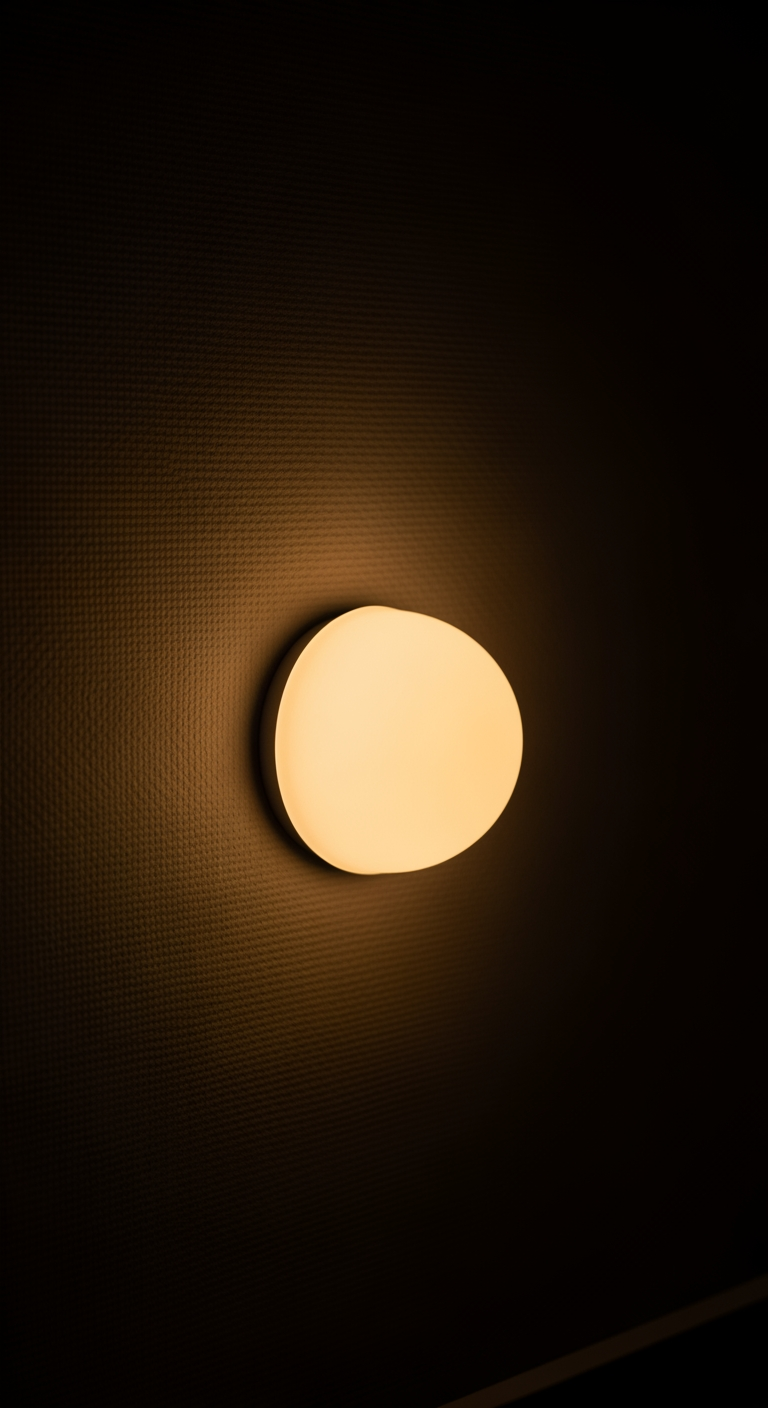
As your baby becomes a toddler, a new challenge may emerge: a fear of the dark. This is a very normal developmental phase. Your child's imagination is blooming, and that can sometimes lead to anxiety about what might be in the dark room. It might seem like the solution is to get rid of the blackout curtains, but this can backfire. A bright room can reintroduce early morning wakings and nap struggles. The best approach is to balance their biological need for darkness with their new emotional need for comfort. You can, and should, keep the blackout curtains. The key is to add a very dim, sleep-friendly night light. The color of this light matters. Standard white or blue night lights can interfere with melatonin production. The best choice is a light that emits a red or amber tone. These longer-wavelength colors have the least impact on the brain's sleep signals. This gives your toddler a sense of security without disrupting their sleep cycle. It is the perfect compromise.
This strategy allows you to validate their feelings while maintaining a healthy sleep environment. You can talk to them about the night light, explaining it is there to keep them company. This empowers them and addresses their fear directly. Meanwhile, the blackout curtains continue to do their job, blocking out the disruptive morning sun and keeping the room dark enough to promote deep sleep. This balanced approach helps you navigate this common toddler phase without sacrificing the hard-won sleep habits you have built. It shows that you can adapt to their changing needs while still prioritizing the foundations of good sleep.
Debunking the Myths: Addressing Your Top 3 Worries
Even when presented with the benefits, many parents have lingering worries about using blackout curtains. These concerns are valid and common. You want to do what is best for your child, and the idea of creating a dependency or an unsafe environment is scary. However, most of these fears are based on myths rather than facts. By addressing these worries directly, we can separate fact from fiction. This will give you the confidence to make an informed decision for your family. Let's tackle the three most common myths surrounding blackout curtains for babies.
Myth #1: "My baby will become a cave-dweller who can't sleep anywhere else!"
This is by far the most common fear. Parents worry that if their baby gets used to a pitch-black room, they will never be able to nap at daycare, at a grandparent's house, or on vacation. The reality is quite the opposite. Babies are highly adaptable. Creating a consistent, healthy sleep routine at home provides a strong foundation. A well-rested baby who has solid sleep skills is actually more capable of handling occasional changes in their environment. They are less fragile, not more. The routine and sleep cues you establish are more important than the absolute darkness of the room. Think of the dark room as a tool for training, not a lifelong requirement for every single sleep.
To build this flexibility, you can be proactive. Once your baby is sleeping well at home, you can practice an occasional nap in a semi-lit room. This teaches them that sleep can happen in other conditions. When you travel, investing in a set of portable blackout blinds is a fantastic solution. These suction-cup to any window, allowing you to recreate their sleep environment anywhere. Ultimately, a solid sleep foundation at home makes your child a better sleeper everywhere, not a more difficult one. It gives them the skills to rest well, and that is a portable skill.
Myth #2: "It will mess up my baby's internal clock."
Some parents worry that keeping a room dark will confuse their baby's circadian rhythm. This concern comes from a misunderstanding of how the internal clock works. The clock is set by the contrast between light and dark. Using blackout curtains correctly actually reinforces and strengthens the circadian rhythm. The rule is simple and powerful: the room is pitch-black for sleep time, and it is bright and sunny for awake time. As soon as a nap is over or it is time to start the day, you should open the curtains wide. Let in as much natural light as possible. This sharp contrast between dark and light sends the clearest possible signal to your baby's brain. It solidifies the understanding that darkness is for sleep and light is for being awake and active. This is the very process that regulates their internal clock.
The only way to cause confusion would be to keep the nursery dark all day long, even during wakeful periods. This is not recommended. The goal is not to live in a cave, but to use darkness as a specific tool for sleep. By pairing darkness with your sleep routine and brightness with your wake routine, you are providing a consistent, predictable pattern. This helps your baby's body learn exactly when it is supposed to feel tired and when it is supposed to feel energetic, leading to better sleep and happier days.
Myth #3: "They are unsafe or contain toxic chemicals."
Safety in the nursery is the number one priority for every parent. Concerns about product safety are completely justified. When it comes to curtains, there are two main safety issues to consider: cord hazards and chemical content. The good news is that both are easily addressed by choosing the right product. The most significant physical danger comes from curtain cords, which pose a strangulation risk. For this reason, you must always choose a cordless curtain design for a child's room. This eliminates the risk entirely and is the standard recommendation for window coverings in any space a child uses. There are many safe, cordless options available, including rods and panels that are operated by hand.
The second concern is about the materials themselves. To ensure the fabric is safe and non-toxic, look for products with an OEKO-TEX certification. This is an independent testing system that verifies the fabric is free from a long list of harmful substances. Seeing the OEKO-TEX label gives you peace of mind that the curtains are safe to have in your baby's environment. Reputable brands are also tested to ensure they are not a fire hazard. By selecting a cordless, OEKO-TEX certified product, you can be confident that you are creating a nursery that is not only dark but also completely safe for your little one.
Making Your Decision: Choosing and Installing the Best Blackout Curtains
Now that you understand the science and benefits, you are ready to take action. Choosing the right curtains is crucial for success. It is important to know that not all dark-colored curtains are true blackout curtains. Many products are labeled as "room darkening," which typically block only 80-90% of light. For the maximum melatonin-boosting effect, you need curtains labeled as "100% blackout" or "total blackout." These are designed to block virtually all external light.

Installation is just as important as the curtain itself. To prevent frustrating "light leaks" around the edges, you need to hang the rod correctly. The curtain rod should be installed 4-6 inches above the top of the window frame. It should also extend at least 3-5 inches past the sides of the frame. This allows the curtain panel to fully cover the window and block light from seeping in around the edges. This small detail makes a huge difference in achieving a pitch-black room.
To help you choose the best product for your nursery, here is a quick checklist of features to consider. This table breaks down what to look for and why it matters for your baby's sleep.
| Feature to Consider | Why It Matters for Your Baby's Sleep | What to Look For |
|---|---|---|
| Light Blocking | The core benefit; essential for melatonin production. | "100% Blackout" or "Total Blackout" label. |
| Material & Safety | Ensures a non-toxic environment for your baby. | Cordless design; OEKO-TEX certified fabric. |
| Thermal Insulation | Helps maintain a safe and comfortable room temperature. | Look for curtains with a foam or multi-layer backing. |
| Ease of Care | Babies are messy; practicality is key. | Machine-washable fabric. |
| Portability | For consistent sleep while traveling. | Consider purchasing a separate set of portable/travel suction-cup blinds. |
By making this one simple change to your baby's room, you are taking a significant step toward better sleep for everyone. Controlling light is one of the most effective strategies at your disposal. It empowers you to work with your baby's natural biology, not against it. This leads to longer naps, later mornings, and a more peaceful sleep routine. You are not just buying curtains; you are investing in rest, health, and well-being for your entire family.